
A few years ago, homeowners eagerly invested in decorative landscaping projects. Perfect lawns, elaborate flower beds, water features, and ornamental shrubs often topped home improvement wish lists. Today, a different trend has taken root across the country, and it is changing backyards in a big way.
As grocery prices continue to climb and household budgets face increasing pressure, many Americans now see their yards as more than just outdoor living spaces. They view them as opportunities to grow fresh food, reduce expenses, and gain a greater sense of control over what ends up on the dinner table. The shift from purely decorative landscapes to productive food gardens reflects changing priorities, practical financial decisions, and a renewed appreciation for gardening that delivers more than curb appeal.
Rising Food Costs Are Changing Backyard Priorities
Grocery bills have become one of the biggest concerns for many households over the past several years. Fresh produce often carries some of the steepest price increases, making even basic fruits and vegetables feel expensive during routine shopping trips. As a result, homeowners increasingly look for ways to offset those costs through home food production.
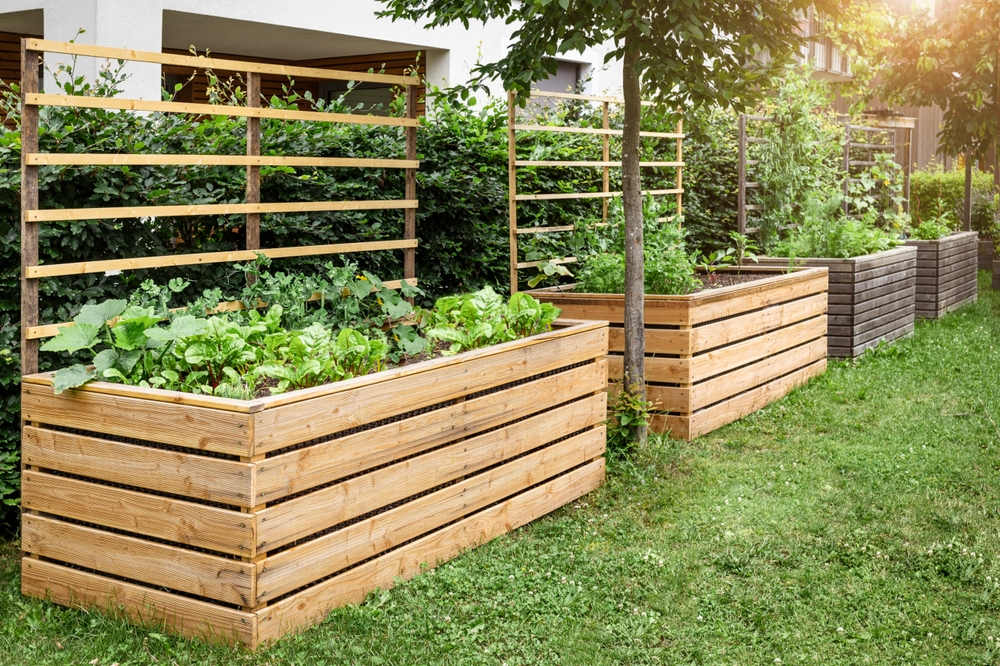
A single raised bed can produce pounds of tomatoes, peppers, lettuce, cucumbers, and herbs throughout the growing season. Many gardeners quickly discover that a modest investment in seeds, soil, and supplies can generate a surprisingly large harvest. Instead of spending money on decorative landscape features that offer visual enjoyment alone, homeowners often prefer investments that provide both beauty and edible rewards.
Landscaping companies in many regions have noticed this shift as well. Requests for vegetable beds, fruit trees, berry bushes, and edible landscaping features continue to grow. Homeowners still care about attractive outdoor spaces, but they increasingly want those spaces to contribute to the household budget rather than simply consume it.
Food Gardens Deliver More Value Per Square Foot
Traditional landscaping can require significant ongoing expenses. Fertilizers, irrigation systems, lawn treatments, mulch, pruning, and seasonal plant replacements add up quickly. While beautiful landscapes certainly enhance property appearance, many homeowners now evaluate outdoor projects through a more practical lens.
Food gardens offer a different kind of return on investment. A small patch of yard can produce hundreds of dollars’ worth of vegetables over a growing season. Herbs such as basil, parsley, thyme, and rosemary often provide particularly strong value because grocery store prices for fresh herbs remain surprisingly high compared to the cost of growing them at home.
Many gardeners also appreciate the flexibility of food gardens. Raised beds, containers, vertical gardens, and compact growing systems allow people to produce food in spaces where traditional landscaping might struggle. Even homeowners with small suburban lots can transform underused corners of the yard into productive growing areas that support family meals throughout the season.
The Pandemic Sparked a Lasting Gardening Movement
The gardening boom that began during the pandemic introduced millions of Americans to growing food for the first time. Seed companies, garden centers, and nurseries experienced unprecedented demand as people searched for productive activities and greater food security during uncertain times.
What surprised many industry observers was how many of those new gardeners stayed committed after daily life returned to normal. First-time growers discovered that harvesting fresh tomatoes, lettuce, beans, and peppers brought genuine satisfaction. The experience connected people with their food in a way that grocery shopping simply could not match.
Many households also realized that gardening offered benefits beyond financial savings. Gardening provides physical activity, stress relief, outdoor recreation, and family engagement. Children often become more interested in eating vegetables when they help grow them. These additional benefits helped transform a temporary trend into a lasting lifestyle choice for many families.
Edible Landscaping Is Replacing Purely Decorative Designs
The growing popularity of edible landscaping shows how homeowners increasingly seek a balance between beauty and function. Rather than dedicating large portions of their yards exclusively to ornamental plants, many people now blend food-producing plants into traditional landscape designs.
Blueberry bushes provide attractive foliage, seasonal color, and delicious fruit. Herbs create texture, fragrance, and culinary value. Fruit trees deliver spring blossoms while producing harvests later in the year. Even vegetables such as kale, rainbow chard, and certain lettuce varieties add visual interest alongside flowers and shrubs.
This approach allows homeowners to maintain attractive curb appeal while maximizing the usefulness of available space. Landscape designers increasingly incorporate edible elements into their plans because clients appreciate designs that serve multiple purposes. The result often looks just as beautiful as traditional landscaping while providing measurable value throughout the growing season.
Self-Sufficiency Appeals to Modern Homeowners
Food gardening appeals to a growing desire for greater self-reliance. While few households aim to produce all of their food, many enjoy the idea of supplementing grocery purchases with homegrown produce. Harvesting vegetables from the backyard creates a tangible sense of accomplishment that resonates with people seeking practical skills.
Concerns about food supply disruptions, rising prices, and food quality have also encouraged interest in gardening. Homegrown produce allows gardeners to control growing methods, reduce pesticide exposure, and enjoy fruits and vegetables at peak freshness. A tomato picked minutes before dinner simply offers a different experience than one shipped across the country.
This desire for self-sufficiency often extends beyond vegetables. Many homeowners add berry bushes, fruit trees, herb gardens, and pollinator-friendly plants that support food production. The backyard becomes a productive ecosystem rather than a space designed solely for visual appeal.
A Backyard That Pays You Back
The growing shift from landscaping to food gardening reflects a practical response to changing economic realities. Homeowners still appreciate beautiful outdoor spaces, but many now expect those spaces to contribute something meaningful in return. Food gardens provide fresh produce, potential grocery savings, outdoor enjoyment, and a rewarding hobby all at once.
What changes have you made to your yard or garden to save money on groceries, and do you think food gardening is worth the effort?
You May Also Like…
The Backyard Gardening Rule That Could Save You Hundreds on Water Bills
Why Raised Bed Gardens Are Suddenly Everywhere in Middle-Class Neighborhoods
8 Raised Bed Favorites That Deliver Consistent Results
Stop Buying Raised Beds: 4 Cheap Building Alternatives That Last Longer
8 DIY Raised Garden Bed Ideas That Don’t Require Expensive Lumber
The post Why Americans Are Spending Less on Landscaping and More on Food Gardens appeared first on Frugal Gardening.