How can airlines justify cancelling an entire itinerary when a passenger is a no-show for the first flight?
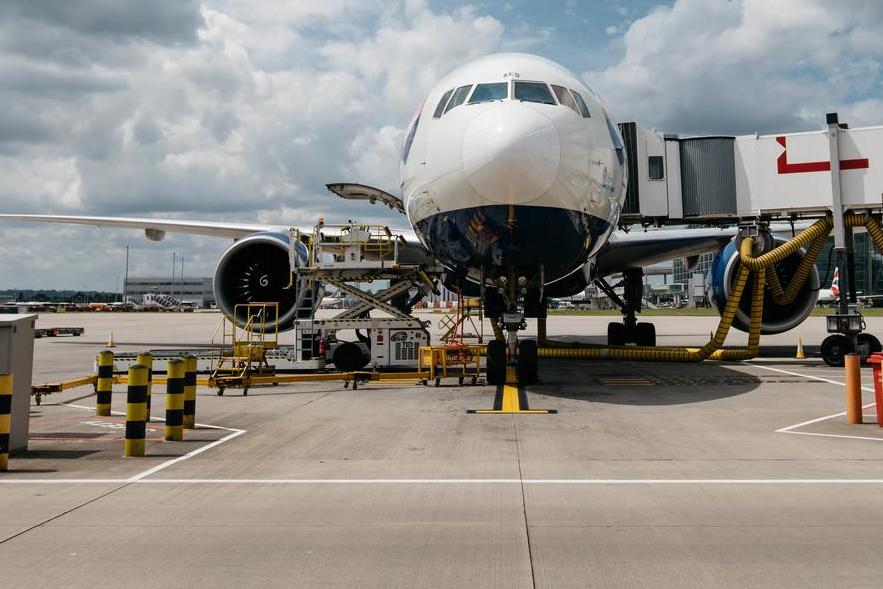
If you buy a return ticket but fail to travel on the outward leg, British Airways and many other airlines will automatically the return half of the trip.
The consumer group Which? calls this a “disgraceful practice” and has called on the Civil Aviation Authority to ban “these rip-off clauses”.
So why do airlines apply the rule?
Which? says: “In some cases, they are effectively able to double their money by reselling the seats they cancel.”
But the reality is more complicated than simple greed. At its root is the seeming irrationality of airline pricing.
On British Airways, the World Traveller Plus (premium economy) bargain of the summer is between Heathrow and Moscow. For acres of legroom, a three-course meal and a total baggage allowance of 92kg, the fare is £488 return.
But suppose you are travelling to the Russian capital by other means – perhaps on a great railway adventure – and simply want to fly home to the UK. The one-way fare in the premium cabin from Moscow to London is £1,250.
If that fare looks absurdly expensive to you, Aeroflot will sell you a one-way flight, in economy, for just £148 (or £283 if you want a bumper baggage allowance).
What you cannot do is buy that £488 Heathrow-Moscow-Heathrow ticket from British Airways and elect to use only the inbound half.
BA warns: “Where you change your travel without our agreement and the price for the resulting transportation you intend to undertake is greater than the price originally paid, you will be requested to pay the difference in price.
“Failure to pay the price applicable to your revised transportation will result in refusal of carriage.”
You might regard BA’s pricing policy between London and Moscow as absurd.
But airlines will rationally always seek to extract the most they can for a seat. Evidently some people are prepared to accept the high fares – presumably because their employer is paying.
While I think paying over £5 per minute for a flight in Premium Economy is ludicrous, it is reasonable for British Airways to prevent what it regards as “tariff abuse” by applying its rules.
Caroline Normand, director of advocacy for Which?, disagrees, saying: “It’s totally unreasonable for an airline to cancel a passenger’s return flight – often without warning – simply because they’ve missed the first leg of their journey.”
I certainly think that BA should alert passengers to its practice. If someone books direct with the airline and fails to show up for the outbound flight, then British Airways should send a quick email to say the rest of the trip has been cancelled. This would allow the traveller to make alternative arrangements rather than learning of the cancellation at the airport when they turn up to fly home.
I first urged BA to do exactly that a decade ago, but the airline has chosen not to take up the suggestion.
Meanwhile you can protect yourself against what Which? calls “these rip-off clauses” by booking on airlines that do not apply them.
Budget carriers such as easyJet and Ryanair have never applied such a rule: if you don’t make the outbound leg, the carrier will still welcome you on board to fly home. As Which? will surely concur: it’s good to have choice.