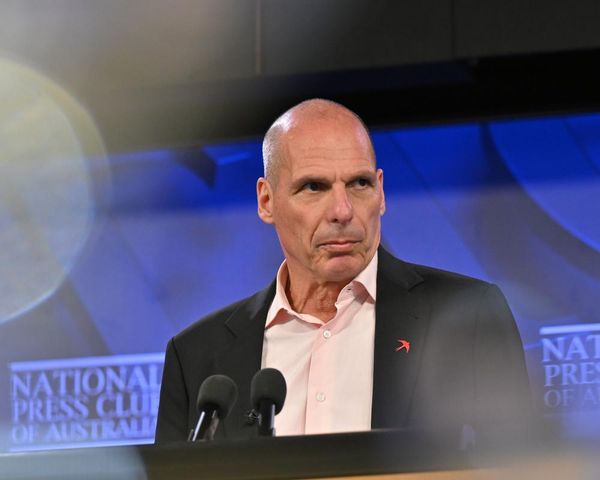
Douglas Ross’ call for Boris Johnson to quit over party-gate was the culmination of months of frustration at the Downing Street soap opera.
The Scottish Tory leader wants to reposition his party, woo SNP voters in the North East and mop up Labour supporters who sympathise with his hostile approach to indyref2.
But whenever he tries to face voters his message is drowned out by reports of damaging behaviour by the Prime Minister and his team.
The latest eruption - over Johnson attending a garden party during lockdown - led to him dropping a bomb of his own.
Ross demanded Johnson quit as PM and he was backed up by nearly every Tory MSP.
Preserving the Union is the top priority for Scottish Conservative MSPs and the co-ordinated strike on Johnson shows they believe he is a recruiting sergeant for the SNP.
It was an action which, without resorting to exaggeration, was without precedent in the history of Scottish Tory politics.
Early leaders in the devolved era, such as David McLetchie and Annabel Goldie, were instinctively deferential to the UK party.
Ruth Davidson largely concurred with David Cameron on policy and, despite a few expressions of public concern, tended to keep disagreements private.
Her successor, Jackson Carlaw, was not in the job long enough to have any sort of meaningful relationship with Johnson.
Ross’ history as a politician shows he was always likely to be less obedient.
Although he voted for Johnson as party leader, he resigned his junior Scotland Office post in protest at the Barnard Castle debacle involving Dominic Cummings.
His bombshell intervention is also likely to lead to a permanent split rather than temporary tensions.
Cabinet Minister Jacob Rees-Mogg, whose experience of Scottish politics is limited to winning 9% of the vote in Central Fife in the 1997 general election, dismissed Ross as a “lightweight”.
Michael Gove, who apparently is the senior UK Tory who understands Scotland the most, reportedly made a snooty comment about Ross representing “Elgin”.
The SNP and Labour will already be ensuring these patronising take downs feature prominently on their next leaflets.
A major rupture in the relationship between the Scottish and UK parties feels like it is looming.
Ross does not have to look too far for a way to disentangle himself from the vote-losing melodrama south of the border.
Back in 2011 senior MSP Murdo Fraser floated a plan for a new pro-Union, centre right party to contest elections in Scotland.
Alister Jack, now a Johnson cheerleader in Cabinet, even offered to help finance the breakaway party. He has since changed his mind.
Davidson’s opposition to the year zero proposals won her the leadership contest ten years ago, but a source says shadow cabinet members are sympathetic.
If Johnson hangs on, Ross will be exposed politically. The only question is whether he takes the next logical step for his party.
To sign up to the Daily Record Politics newsletter, click here.