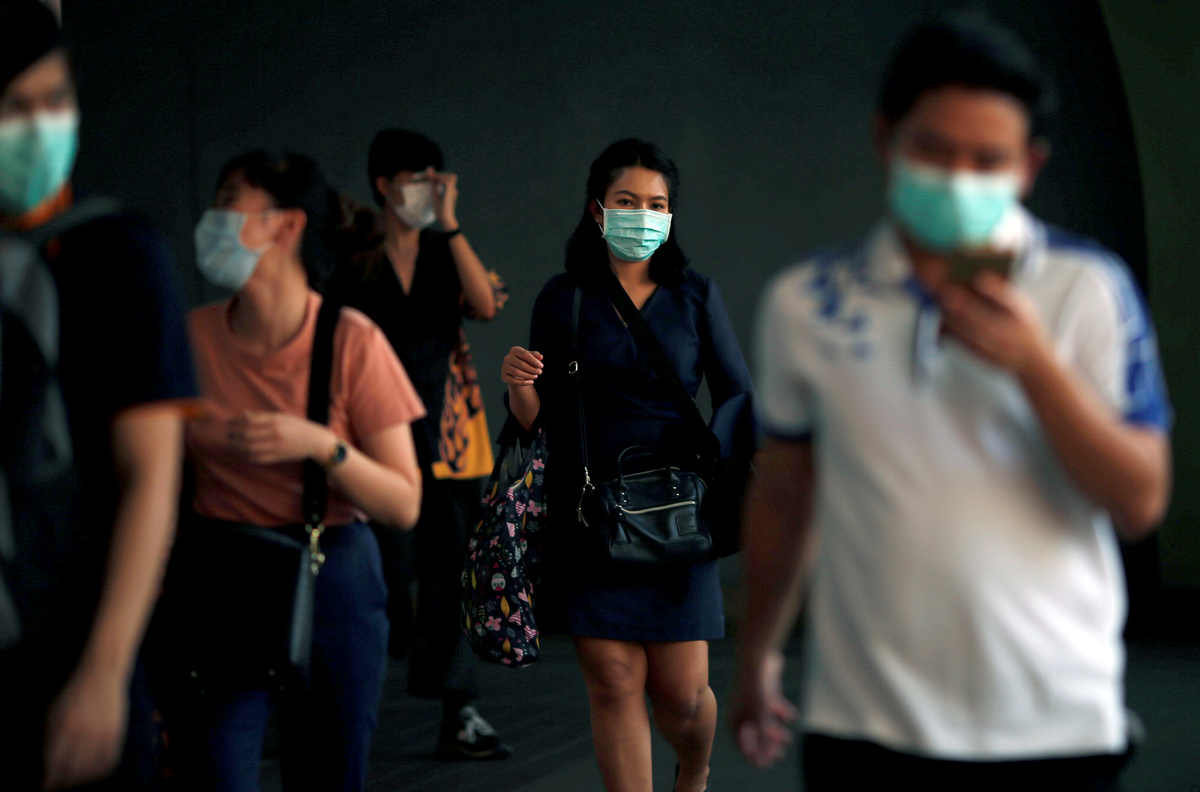
Demand for masks, gowns, gloves and other protective gear has risen up to 100-fold and prices have soared due to the China coronavirus, producing a "severe" disruption in global supply, the World Health Organization (WHO) chief said on Friday.
The situation has been made worse by people who are not medical workers buying the protective gear for their own use, Tedros Adhanom Ghebreyesus said.
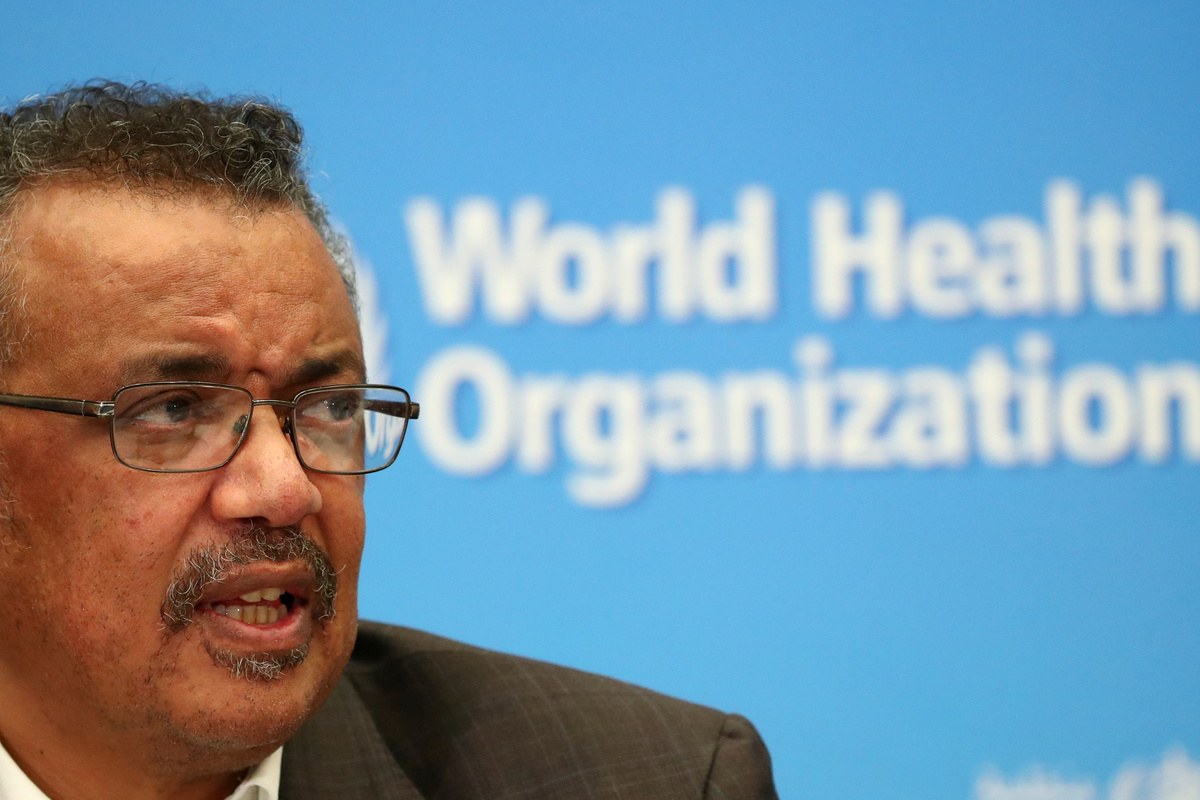
"When supplies are short and demand is high, then there could be bad practices like hoarding in order to sell them at higher prices, and that's why we ask for solidarity," Tedros told a Geneva briefing.
"Demand is up to 100 times higher than normal and prices are up to 20 times higher," and the rush has created supply backlogs of 4-6 months, he added.
Frontline health workers in China, where 31,211 confirmed cases of coronavirus have been reported, need the bulk of such supplies, he said.
Tedros said he had spoken to manufacturers and distributors to ensure supplies for those who need them most, with healthcare workers a priority, followed by the sick and those caring for them.
The WHO has sent major shipments of gloves, masks, respirators and other "personal protective equipment" - known as PPE in its jargon - to every region, he said.
"We call on countries and companies to work with WHO to ensure fair and rational use of supplies and the re-balancing of the market. We all have a part to play in keeping each other safe," Tedros said.
The public and private network was focusing first on surgical masks because of the extreme demand and market pressures, Tedros said, adding: "We are appreciative of companies who have taken the decision to only supply masks to medical professionals."
Dr. Mike Ryan, WHO's top emergencies expert, said that the supply chain started with producers of raw materials, going "all the way back to the rubber plantation, all the way down the chain to that health worker, and everything in between".
"At every stage of the supply chain there is a possibility for disruption, or profiteering or diversion," he said.
Chinese authorities have provided some detailed data with a breakdown of 17,000 cases, WHO epidemiologist Dr. Maria van Kerkhove said. "We have some data on 17,000 cases saying 82% are considered mild, 15% severe and 3% critical."
Referring to overall numbers, she added: "We know that 2 pct, or less than 2 pct now, of the reported cases have died."
(Reporting by Stephanie Nebehay; writing by Nick Macfie; Editing by Andrew Heavens)