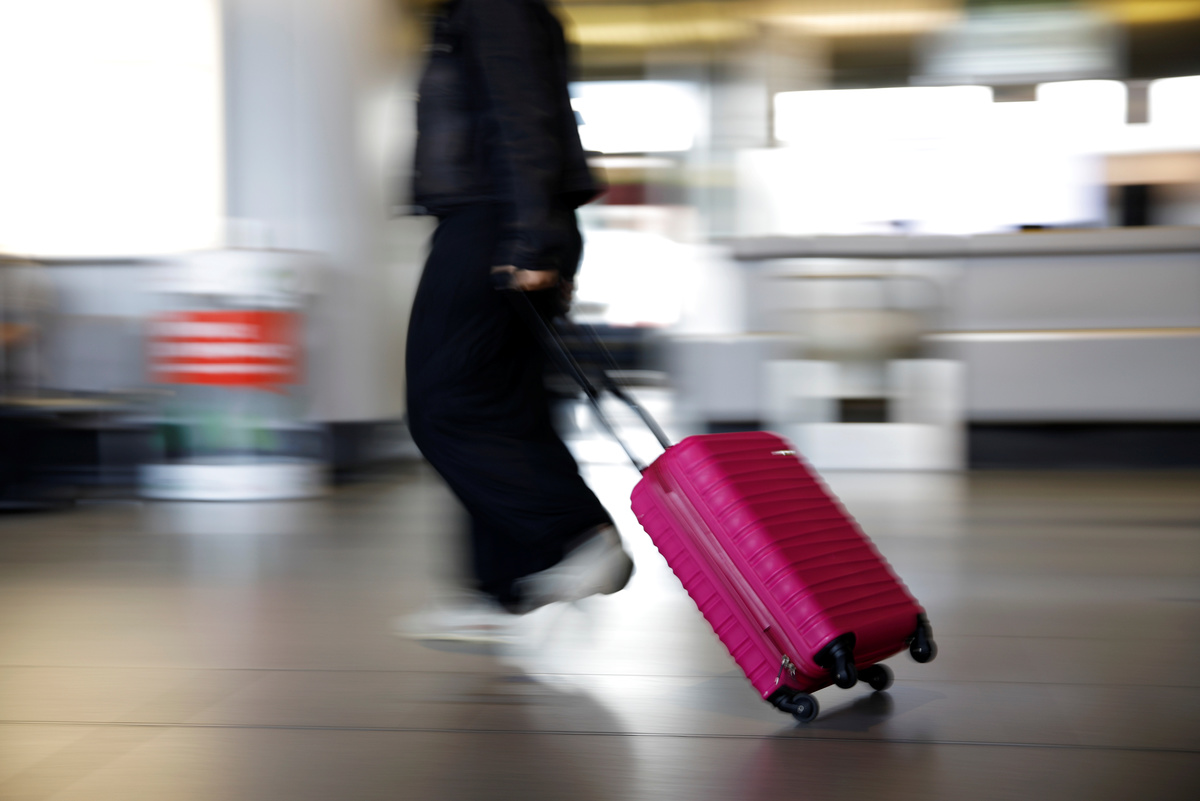
There is no "zero risk" strategy for countries easing international travel restrictions during the COVID-19 pandemic, and essential travel for emergencies should remain the priority, the World Health Organization (WHO) said.
In a long-awaited update to its guidance on travel, the United Nations global health agency said cross-border trips for emergencies, humanitarian work, the transfer of essential personnel and repatriation would constitute essential travel.
"There is no 'zero risk' when considering the potential importation or exportation of cases in the context of international travel," it said in the updated guidance posted on its website on Thursday.
A surge of new infections in many parts of the world has prompted some countries to reintroduce some travel restrictions, including testing and quarantining incoming passengers.
The WHO had said in June it would update its travel guidelines before the northern hemisphere summer holidays.
The WHO's guidance can be used by governments and industries to help shape policies, but is not enforceable.
The updated travel advice is little changed from previous guidance, which also included infection control advice applicable to other settings such as social distancing, wearing masks, washing hands and avoiding touching the face.
The WHO urged each country to conduct its own risk-benefit analysis before lifting any or all travel restrictions. Authorities should take into account local epidemiology and transmission patterns, it said, as well as national health and social distancing measures already in place.
Countries that choose to quarantine all travellers on arrival should do so after assessing the risks and consider local circumstances, the WHO said.
"Countries should continuously plan for and assess their surge capacities for testing, tracking, isolating and managing imported cases and quarantine of contacts," it said.
The WHO said this week that international travel bans cannot stay in place indefinitely, and countries will have to do more to reduce the spread of the novel coronavirus within their borders.
(Reporting by Bhargav Acharya and Kanishka Singh in Bengaluru; Writing by Kate Kelland, editing by Diane Craft, Marguerita Choy, Grant McCool and Timothy Heritage))