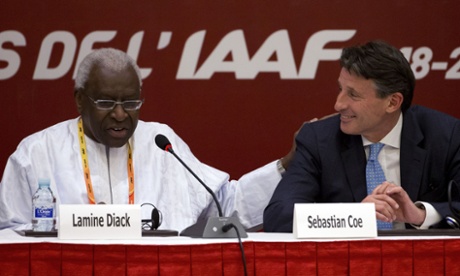
Sebastian Coe
The president of athletics’ world governing body, the International Association of Athletics Federations, and who now finds himself in the eye of an almighty storm. The former Olympic champion has vowed to clean up the sport but is under scrutiny himself given Wada also criticised the IAAF in its report and Coe was the vice-president of the organisation from 2007 until his appointment to the top job earlier this year. Coe’s description of initial media accusations of systematic doping in athletics as a “declaration of war” on the sport has also come back to haunt him.
Lamine Diack
Coe’s predecessor who is being investigated by French police in connection with the allegations of widespread doping of Russian athletes. He is being investigated for alleged corruption and money laundering and is suspected of taking around €1m from the All-Russia Athletics Federation to cover up positive doping tests.
Papa Diack
Lamine’s son. He stepped down from his role as an IAAF marketing consultant with exclusive rights to sell sponsorship in developing regions in December last year following the initial allegations of doping by Russian athletes. He is also being investigated by French police.
Habib Cissé
A legal adviser to Lamine Diack and among the senior IAAF officials being investigated by French police.
Dr Gabriel Dollé
Another of the IAAF officials being investigated by French police. Dollé is the former director of the governing body’s medical and anti-doping department. He left the IAAF last December after being questioned by its ethics committee.
Vitaly Mutko
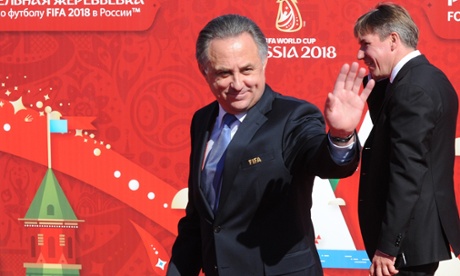
Russia’s sports minister and therefore a man at the centre of Wada’s belief that the doping of athletes in the country has been state-supported. Mutko, a long-time ally of Vladimir Putin and a Fifa executive committee member with key responsibilities for Russia’s preparations for the 2018 World Cup, reacted to Monday’s 325-page report by threatening to withdraw Russian government funding for anti-doping work.
Grigory Rodchenkov
Director of Moscow’s official anti-doping laboratory. He is accused of destroying 1,417 test samples before a Wada inspection at the facility and of regularly meeting officers from the FSB, Russia’s internal security services, to discuss the “mood” of the organisation. Rodchenkov claims Wada’s report “does not contain any new facts or conclusions”.
Valentin Balakhnichev
Former president of Russia’s athletics federation, Araf, who quit from a post he had held for more than two decades in February following the initial allegations of doping in a German TV documentary. Wada’s report names Balakhnichev as being “ultimately responsible” for the wrongdoing that took place inside the country, specifically accusing him of being part of a scheme to extort money from athletes in return for covering up positive doping tests.
Hajo Seppelt
The German journalist whose documentaries for ZDF/ARD last year lifted the lid on claims of systematic doping in Russia. He has backed Wada’s call for Russia to be banned from athletics, saying: “Now for the first time we have the situation that Russia could be debarred from Olympics. I hope many countries will learn their lesson from that issue. It has been shown that rules are only working when some pressure is applied.”
Vitaly Stepanov
Former employee of Russia’s anti-doping agency, Rusada, who blew the whistle on wrongdoing in the country and was one of the main accusers in Seppelt’s original documentary. “He is an absolutely wonderful person. He is like Edward Snowden in the world of sport. He wants to fight against doping,” Seppelt said.
Dick Pound
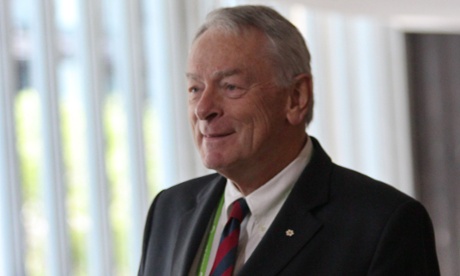
The former president of Wada who was brought back to chair the agency’s independent commission into systematic doping in Russia. The Canadian lawyer is also a former Olympic swimmer and has been a member of the International Olympic Committee since 1978.