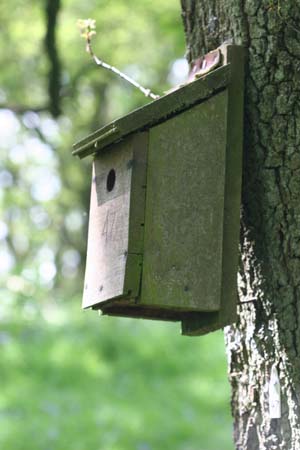
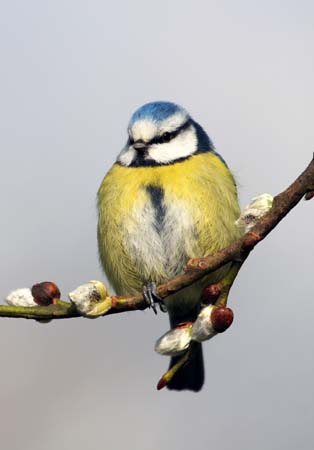
There are many organised nest box-building events around the country that you can attend during National nest box week. Try a workshop organised by your local Wildlife Trust, the RSPB or the Wildfowl & Wetlands Trust The BTO has a good instructions guide here (pdf)Photograph: Mike Toms/FreelanceThe blue tit prefers a small nest box with 25mm hole 1-5m above the ground. It lines its nest with moss and hair. Recent research from the RSPB found that blue tits have experienced their worst-ever breeding season because of the wet weatherPhotograph: Jill Pakenham/FreelanceThe great tit needs a small nest box with 28mm hole, 1-5m above the ground with a clear flight path to the entrance. Its nest consists of twigs or coarse, dried roots, and a layer of moss and a lining of soft material such as hairPhotograph: Jill Pakenham/Freelance
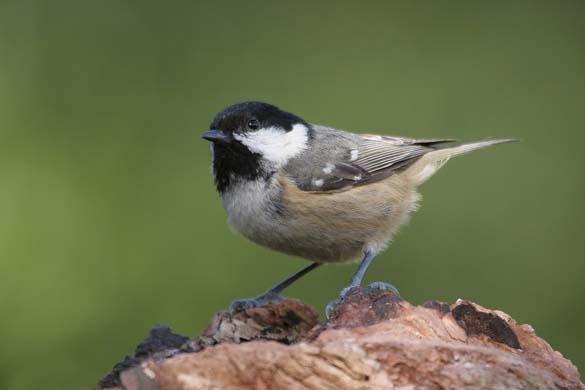
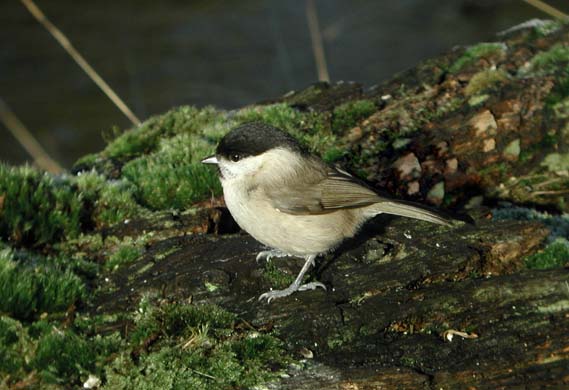
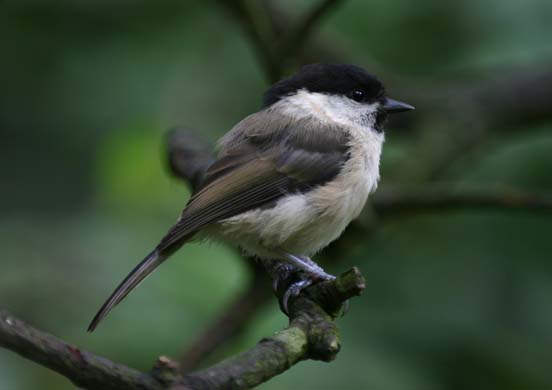
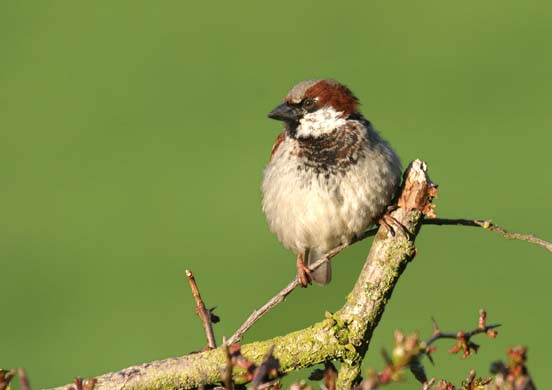
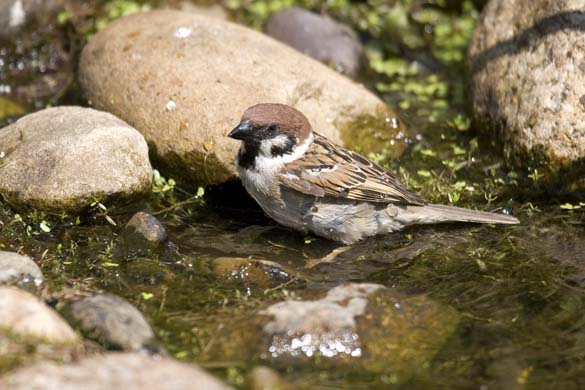
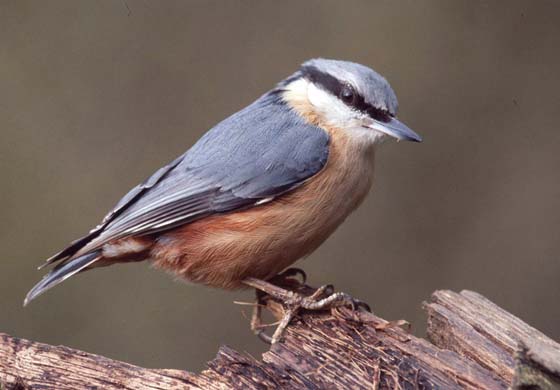
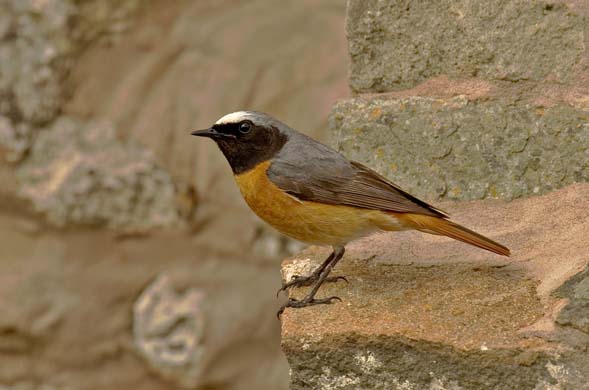
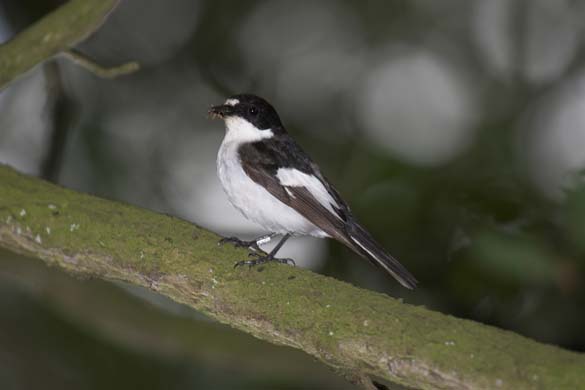
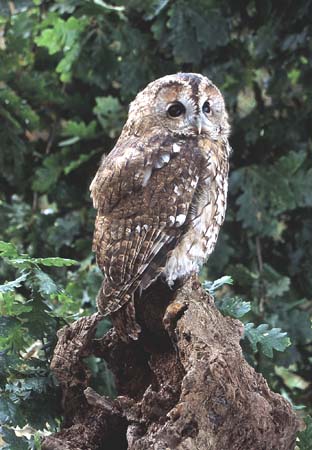
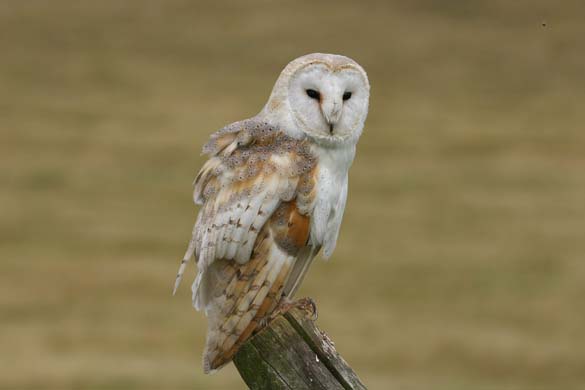
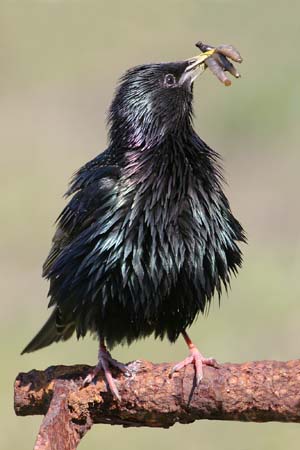
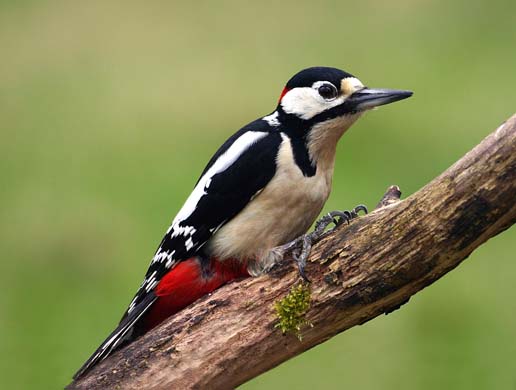
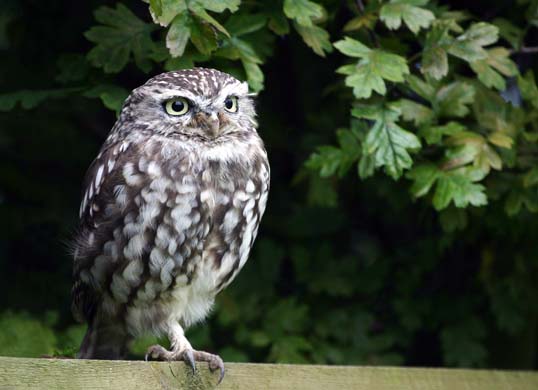
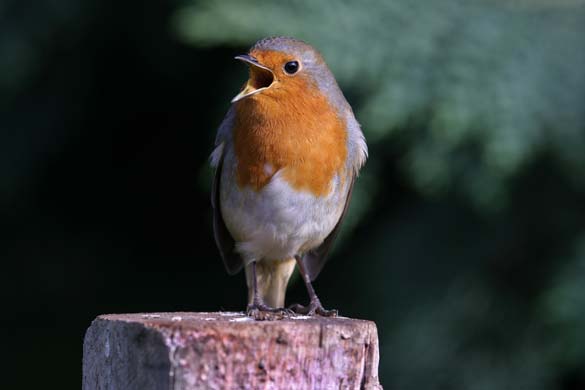
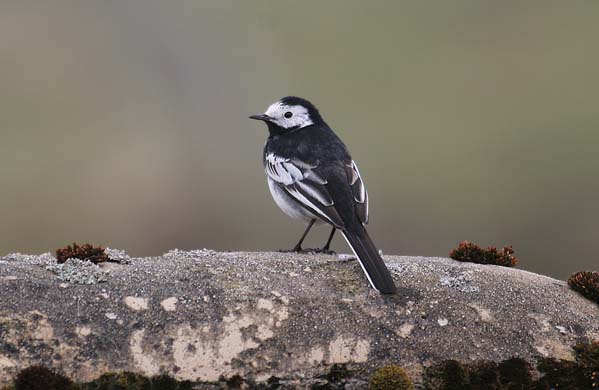
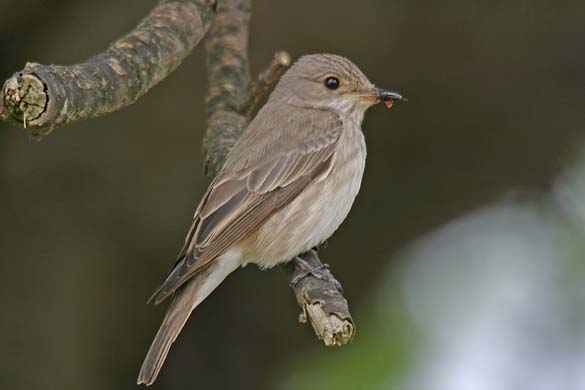
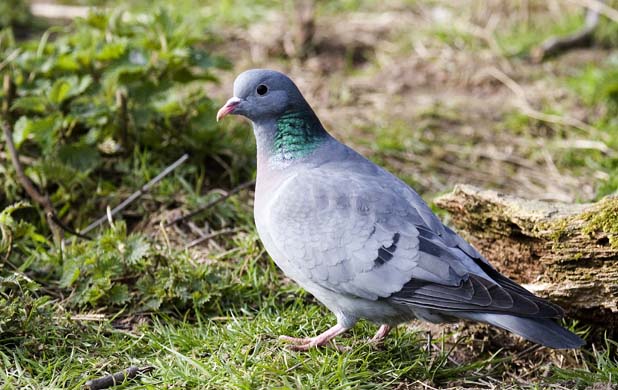
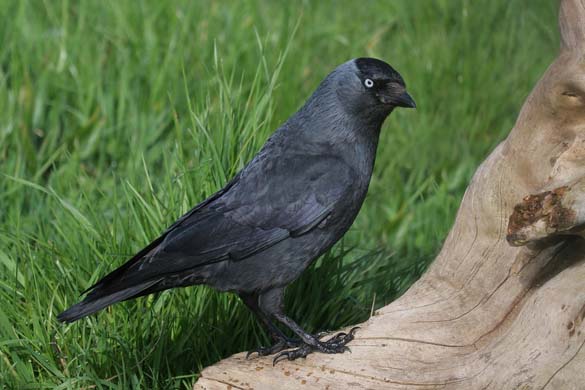
Sometimes found in gardens and rural areas, the coal tit will use nest boxes but often loses out in competition with blue tits or great tits, and so it prefers its box to be low down – around 1m or less to the ground Photograph: Jill Pakenham/FreelanceThe marsh tit is unlikely to nest in gardens, but if it does, it prefers its boxes to be close to the ground – around 1m. The box will need a 25mm hole, and the birds will line it with moss and soft materials such as hairPhotograph: John Harding/FreelanceWillow tits are unlikely to be found nesting in nest boxes, preferring to hollow out the stump of an old, well-rotted tree. However these nest sites are often taken over by blue tits, so providing nest boxes for blue tits may well be the best way to help willow tits!Photograph: Public domainIt's difficult for house sparrows and starlings to find suitable nesting sites in the roofs of modern houses. House sparrows will build nests in thick vegetation, but they will also use nest boxes. They breed in loose colonies, so try putting up several small nest boxes with 32mm holes, over 2m above the groundPhotograph: John Harding/FreelanceThe tree sparrow is a red-listed species of conservation concern, with its numbers having crashed since the 1970s. They will take readily to nest boxes and it is suggested that two or more sets of small boxes with 28mm holes, over 2m above groundPhotograph: John Harding/FreelanceThe nuthatch is a woodland bird that needs a small nest box with 32mm hole, over 3m above the ground. It lines the floor of its nest with wood chippings and leaves. When using nest boxes, it usually plasters mud around the entrance hole and boxes should therefore be opened with carePhotograph: Chris Bradley/FreelanceThe redstart, closely related to the robin, arrives in Britain from Africa in April, taking up residence within open woodland. Redstarts will use nest boxes though they have complicated requirements. Find out more herePhotograph: John Harding/FreelanceThe pied flycatcher also migrates from Africa to the milder British climate, and although it prefers open oak woodland, it will use a small nest box with 28mm hole, 2-4m above the ground. Egg-laying starts between late April and mid-JulyPhotograph: John Harding/FreelanceTawny owls nest in woodland and in well-wooded suburban gardens. Their nest boxes need to be sited in quiet, secluded spots, at least 2.5m above the ground. The hole for the box must be at least 150mm, and there needs to be a clear flight path in and out of the box. Beware; nesting owls can be dangerous if approachedPhotograph: Jill Pakenham/FreelanceBarn owls, which live on farmland and in open country, need a special nest box (find out more here), at least 4m above the ground. They are a protected species and it is illegal to look in nest boxes without a special licencePhotograph: Jill Pakenham/FreelanceStarlings have shown worrying declines in recent years. They require a larger box with a larger hole size of around 45mm. Starlings will nest at any height, so try a few boxes at different heightsPhotograph: Jill Pakenham/FreelanceThe great spotted woodpecker is an urban and rural bird which does not often use nest boxes. To get them to use nest boxes you need to put a lump of soft wood inside, so that they can hollow out the nest cavity for themselvesPhotograph: Jill Pakenham/FreelanceThe little owl is the smallest of our owls, being no bigger than a starling in length. They are farmland birds that mainly nest in holes in trees. Occasionally, they will move into a large nest box but they are more likely to be attracted to special nest boxesPhotograph: Jill Pakenham/FreelanceThe robin is a bird that prefers an open-fronted nest box. It likes to nest in thick, overhanging vegetation, so an ideal site for a box might be attached to a fence which has got climbing plants growing up itPhotograph: John Harding/FreelanceThe pied wagtail uses a wide variety of nest sites. It prefers a small, open-fronted box, 100mm high at the front and 5m above the ground. Nest boxes are best sited where water and grass lawns are nearbyPhotograph: Jill Pakenham/FreelancePeople who have spotted flycatchers nesting in the garden should consider themselves very fortunate. Gardens provide an important habitat for the birds that still breed in Britain. They like to have a good view from their nest and need a special open nest box with a low front, ideally hidden in a creeperPhotograph: John Harding/FreelanceThe only member of the pigeon family that is likely to use a nest box is the Stock Dove, which also nests in cavities in rotten trees. Nest boxes are best sited on the edge of woodland, overlooking open fields. Boxes should large, with a 150mm hole and set at least 3m highPhotograph: John Harding/FreelanceThe Jackdaw is the smallest member of the crow family to be found in Britain and the only one which nests in holes. It requires a large nest box with a 150mm hole, at least 5m above ground, even higher if possible. The nest is made of sticks and lined with soft material such as hair Photograph: Jill Pakenham/Freelance
Sign up to read this article
Read news from 100’s of titles, curated specifically for you.