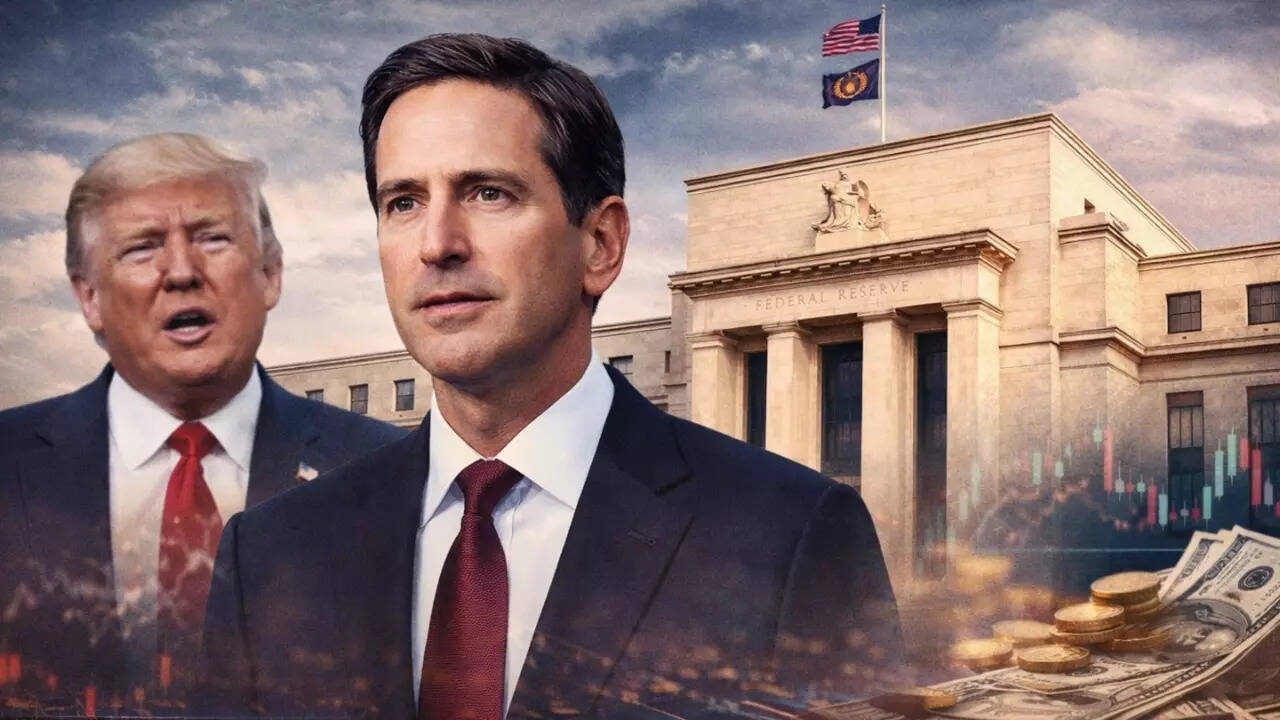
As the US approaches a potentially pivotal moment in global economic policy, former Federal Reserve Governor Kevin Warsh has emerged as the leading candidate to replace Jerome Powell as the next Federal Reserve Chair, a decision expected to be formally announced by President Donald Trump imminently. This development has triggered intense speculation in financial markets, widespread debate over the Fed’s future direction and questions about central bank independence in the face of political pressure.
On January 29–30, 2026, sources familiar with internal White House discussions confirmed that Warsh’s candidacy gained significant momentum following a private meeting with President Trump at the White House, during which Warsh impressed senior officials with his views on monetary policy and economic strategy. While the nomination was not yet formally announced as of Thursday evening, Trump has indicated that his choice would be revealed the next day and that it would be someone “respected and well-known in the financial world,” a description many observers see as fitting Warsh.
Who is Kevin Warsh: The contender at the heart of the Fed drama
Kevin Warsh is not a newcomer to US economic policy. He previously served on the Federal Reserve Board of Governors from 2006 to 2011, under Presidents George W Bush and Barack Obama and played a key role during the 2008 financial crisis as the central bank’s liaison to Wall Street. After leaving the Fed, Warsh transitioned into academia and economic research, holding positions as a distinguished visiting fellow at Stanford University’s Hoover Institution and advising public and private organisations on economic and monetary matters.
JUST IN: 🇺🇸President Trump says he'll be announcing the new Federal Reserve Chair "tomorrow morning."Odds for Bitcoin-friendly Kevin Warsh to get the job spiked to 88%, according to Polymarket 👀 pic.twitter.com/LrBSDHOJeO
— Bitcoin Magazine (@BitcoinMagazine) January 30, 2026
Beyond his academic credentials, Warsh has been a prominent voice in debates over central bank policy, arguing for a “regime change” in how the Fed approaches monetary strategy and expressing scepticism about long-term reliance on expansive balance sheets or traditional inflation targeting. In commentary and writings, he has stressed the potential of productivity-boosting technologies like artificial intelligence to reshape economic growth, a stance that resonates with business leaders concerned about future competitiveness.
His proximity to the Trump administration’s economic circles is not new. Warsh was previously considered for top economic roles, including Treasury Secretary, during earlier rounds of Trump’s cabinet deliberations, according to past reports. Warsh’s Jewish identity has occasionally surfaced in online commentary and political discourse, particularly on social media. Mainstream economic and political criticism of Warsh has focused on his tenure at the Federal Reserve during the 2008 financial crisis and his long-held ideological positions.
Critics have argued that Warsh was a poor fit for the Fed’s post-crisis direction, describing him as overly sympathetic to Wall Street interests, sceptical of aggressive monetary stimulus and resistant to expansive regulatory oversight. Some economists have also faulted his early opposition to quantitative easing and his later criticism of the Fed’s balance-sheet expansion, saying these stances underestimated systemic risk and the need for intervention during economic shocks.
From private meeting to front-runner: What changed for Kevin Warsh?
The turning point for Warsh’s candidacy appears to have been his recent confidential meeting at the White House, described by sources as “impressive” and productive, where he discussed his vision for the central bank and its relationship with broader US economic policy. This encounter reportedly elevated his status in Trump’s mind at a moment when the president has been openly critical of Powell for not cutting interest rates deeply enough.
Trump has repeatedly called for changes to Fed policy, including dramatically lower interest rates and has publicly rebuked Powell for what he sees as insufficient monetary easing, even resorting to personal attacks on social platforms. Warsh’s nuanced stance, advocating both strategic rate considerations and structural reforms, may appeal to Trump’s desire for a Fed chair who aligns more closely with political priorities while still possessing deep institutional credibility.
Before the meeting, Kevin Hassett, director of the National Economic Council, had been viewed as a leading contender. Warsh’s White House discussions seem to have shifted the internal balance in his favour, though both remain top prospects.
Why Kevin Warsh's rise matters: Markets, monetary policy and global impact
Warsh’s rising odds have already moved markets. Betting markets have shown Warsh’s probability of nomination skyrocketing and investors across asset classes are positioning for potential shifts in US monetary policy depending on who is chosen. Global stocks and bonds have reacted to speculation, with the US dollar strengthening and yields climbing in anticipation of a chair less inclined toward aggressive rate cuts.
In the cryptocurrency space, assets such as Bitcoin also experienced volatility as traders recalibrated expectations about liquidity conditions under a prospective Warsh Fed. Economists and market participants are closely watching these developments because the Fed Chair has enormous influence not just on US interest rates and inflation expectations but on global capital flows, exchange rates and risk asset pricing. A chair perceived as more hawkish or reform-oriented could temper market expectations of future rate cuts, potentially dampening speculative trading and adjusting valuations across equities, bonds and commodities.
The nomination process also raises questions about the independence of the Federal Reserve, a traditionally apolitical institution designed to make decisions based on economic data rather than political considerations. Trump’s comments about wanting a Fed chair who consults with him on rate decisions break with recent norms and highlight ongoing tensions between the White House and central banking autonomy.
Bottom line
As Warsh stands poised to potentially take the helm of the world’s most influential central bank, his candidacy reflects a broader debate over how monetary policy should balance economic growth, inflation control and financial stability in a rapidly changing global economy. His emphasis on structural reform and balanced policy contrasts with Powell’s more cautious and data-centric approach. This shift is likely to redefine how the Fed engages with both domestic and international economic challenges.
The choice of Fed Chair, whether Warsh or another candidate, will reverberate far beyond US borders, shaping global financial conditions, influencing emerging market currencies and affecting investment strategies from Asia to Europe. With the official announcement expected imminently, investors, policymakers and everyday consumers alike are bracing for a potential new chapter in central banking leadership and a consequential pivot in monetary policy direction.


.jpg?w=600)