Wild celebrations erupted in Hungary after Viktor Orban was ousted as prime minister of Hungary in April, ending a 16-year stint in govenrment that reshaped the country.
As new leader Peter Magyar’s Tisza party celebrated their success, one man grabbed the world’s attention: the dancing health minister Zsolt Hegedűs.
Skipping up and down the stage in front of the Hungarian parliament, Hegedűs‘ dance routine captured the joy spreading across the country as it welcomed a new era.
One month later, the former NHS doctor has begun his new role, seeking to transform the country’s ailing healthcare sector.
The Independent takes a deeper look at Dr Hegedűs’ life and career - and what he will hope to accomplish in government.
Who is Zsolt Hegedűs?
Dr Hegedűs graduated with a degree in medicine from Budapest’s Semmelweis University in 1994, before qualifying as an orthopaedic specialist in 1999.
For a decade, he worked in the NHS, serving as a clinical lead and head of the orthopaedic department at North Manchester General Hospital, before working as the lead surgeon for day surgery at the Cirencester Treatment Centre.
On a medical review website, Dr Hegedűs has an average rating of 4.9 stars, with reviews provided by 48 of his patients.
After returning to Hungary in 2015, he continued his clinical practice for several years, before coming more engaged in healthcare advocacy.
Dr Hegedűs helped lead a campaign against informal cash payments in Hungarian healthcare, became vice president of a union for residents and specialist, and between 2019 and 2023 served as the president of the Ethics Collegium at the Hungarian Medical Chamber.
In July 2025, he was brought into Magyar’s Tisza Party to serve as chief healthcare expert, before he was confirmed in October 2025 as the selection for health minister in a Tisza government.
How his dance moves have become famous
Last month, as supporters of Tisza began their celebrations following Magyar’s election win, Dr Hegedűs was at the centre of a moment which would symbolise the joy and optimism felt by millions.
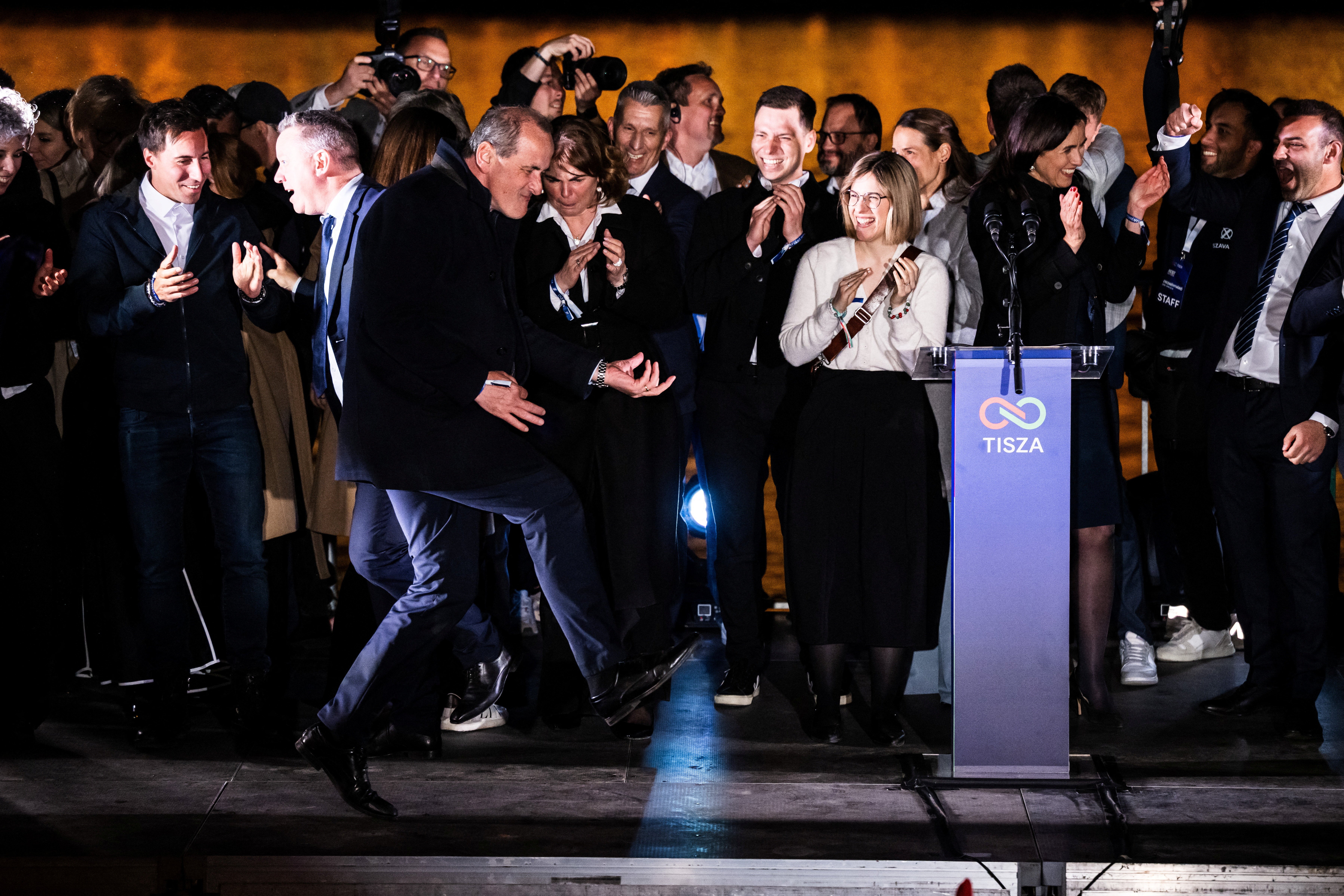
Taking centre stage with his colleagues stood behind, Dr Hegedűs stole the show with an enthusiastic air guitar dance, hopping up and down on the stage with the backdrop of the Hungarian Parliament Building.
Hundreds were watching on in person and thousands shared the video online, sending the incoming health minister viral.
“There were tons of messages saying ‘Dr. Hegedűs, you’re going to get this celebration started, aren’t you?’ or ‘There’s going to be dancing?’” Dr Hegedűs told The Guardian of the lead up to Saturday’s inauguration of Mr Magyar and his Tisza Party as Hungary’s new government.
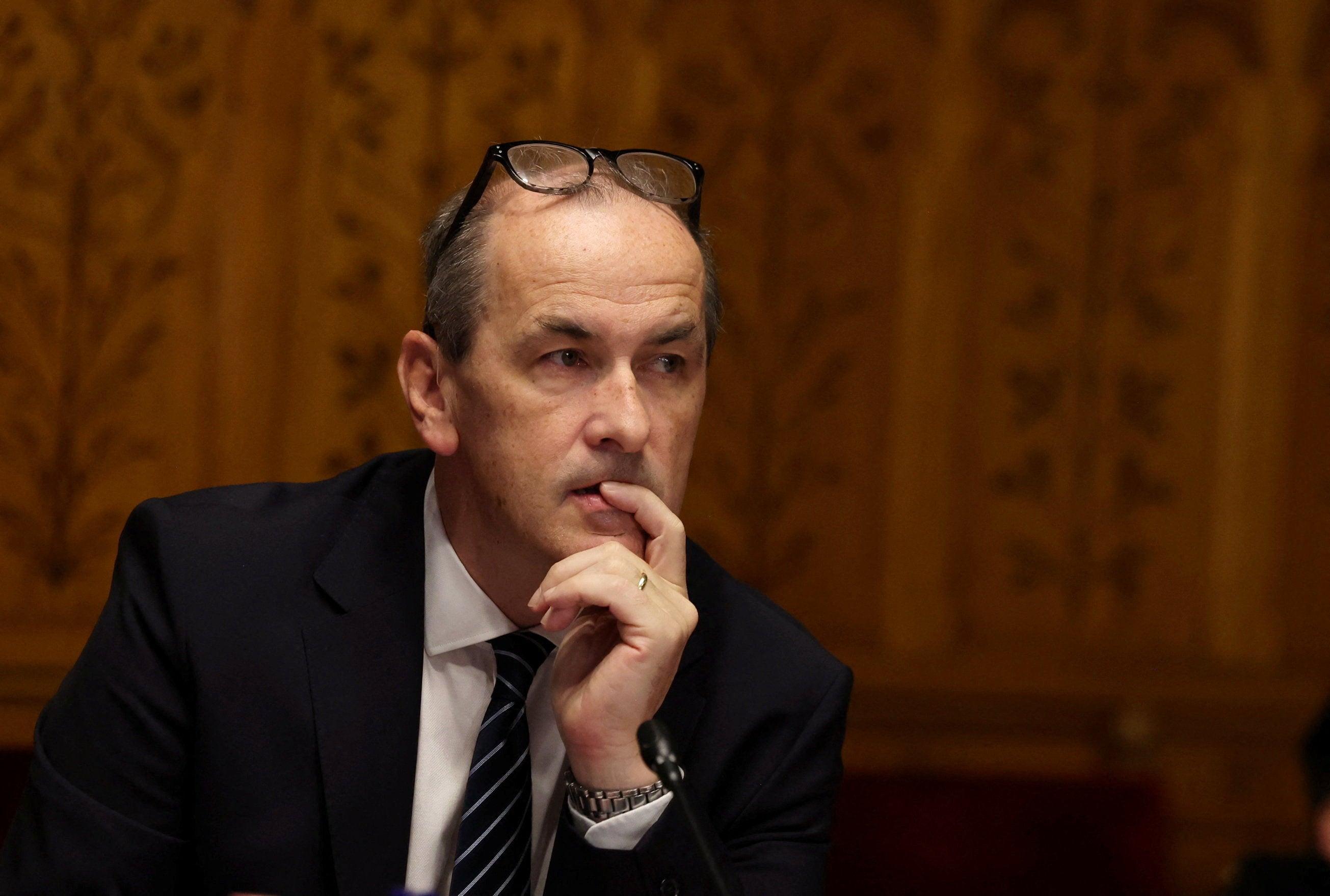
Having initially set out to avoid the dance, he says he could “see that the audience had been waiting for this so eagerly” and he “didn’t want to let down the people” - so his dance was wheeled out once again.
What are his aims in government?
Dr Hegedűs faces an uphill battle to rebuild Hungary’s struggling health system.
He has said he wants to incorporate some elements of his experience with the NHS into how he reforms the Hungarian system, especially in areas of medical ethics, transparency, a culture of learning and processing patient feedback, according to Hungarian outlet Telex.
Dr Hegedűs wants to cut down on infections acquired from within the hospital, phase out facial recognition systems, and end a culture of fault-finding in Hungarian hospitals.
He also considers it to be an outdated and flawed system that patients in Hungary do not have any say in some decisions regarding their own treatment.
The Tisza government has vowed to increase budgetary resources for public healthcare by 500 billion forints (£1.2 billion), Mr Magyar said.
Cabinet ministers back Keir Starmer after he vows to fight on
Will there be a general election? What could happen next if Starmer leaves office
Labour sticking with Keir Starmer isn’t loyalty – it’s laziness
Getting rid of Starmer will make things worse for government, Labour MP warns
Ukraine war live: US ‘want Russian sanction relief’ as ceasefire demands emerge
Putin let his desperation show with unexpected claim his war with Ukraine is ending