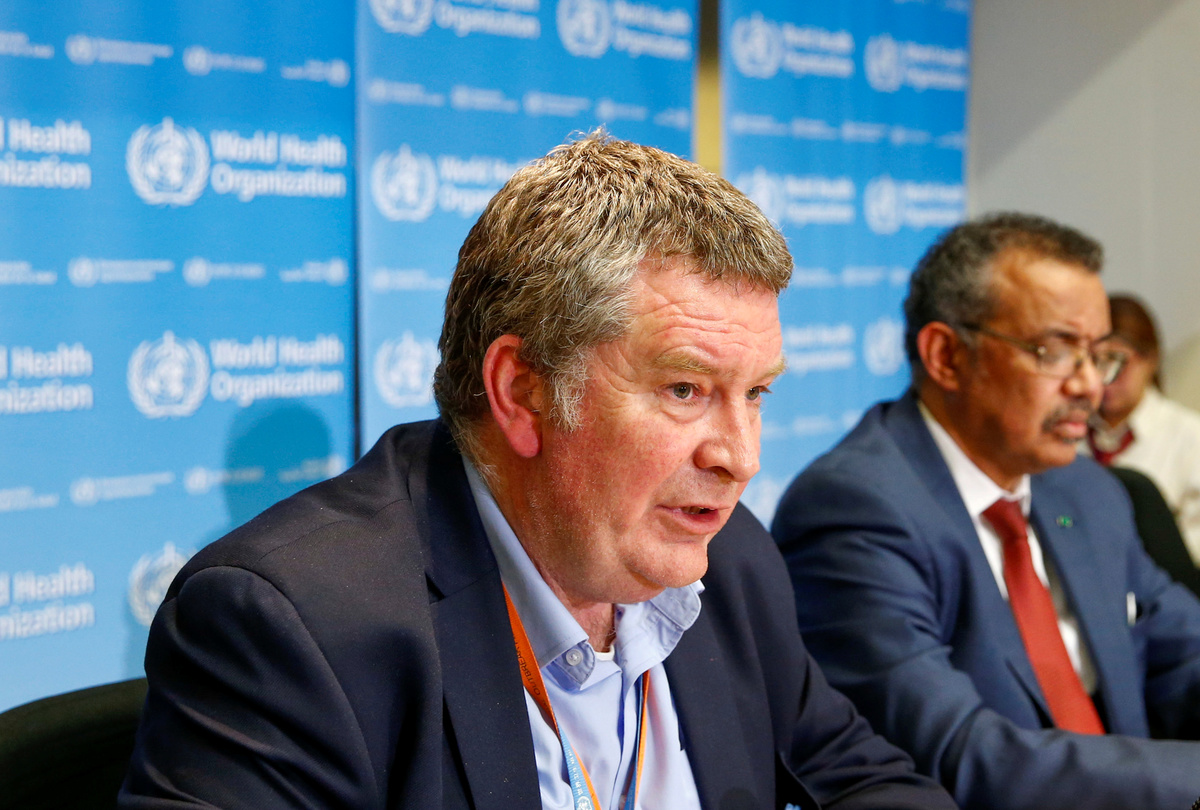
The coronavirus that causes COVID-19 could become endemic like HIV, the World Health Organization said on Wednesday, warning against any attempt to predict how long it would keep circulating and calling for a "massive effort" to counter it.
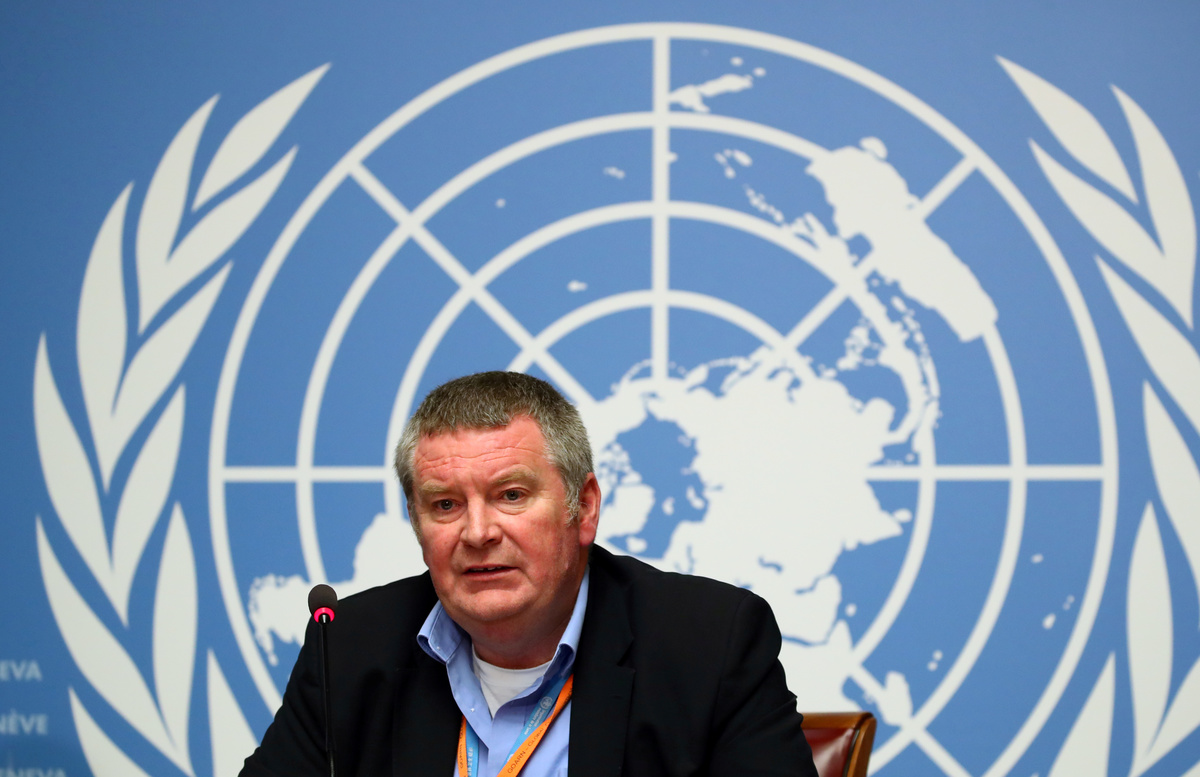
"It is important to put this on the table: this virus may become just another endemic virus in our communities, and this virus may never go away," WHO emergencies expert Mike Ryan told an online briefing.
"I think it is important we are realistic and I don't think anyone can predict when this disease will disappear," he added. "I think there are no promises in this and there are no dates. This disease may settle into a long problem, or it may not be."
However, he said the world had some control over how it coped with the disease, although this would take a "massive effort" even if a vaccine was found -- a prospect he described as a "massive moonshot".
More than 100 potential vaccines are being developed, including several in clinical trials, but experts have underscored the difficulties of finding vaccines that are effective against coronaviruses.
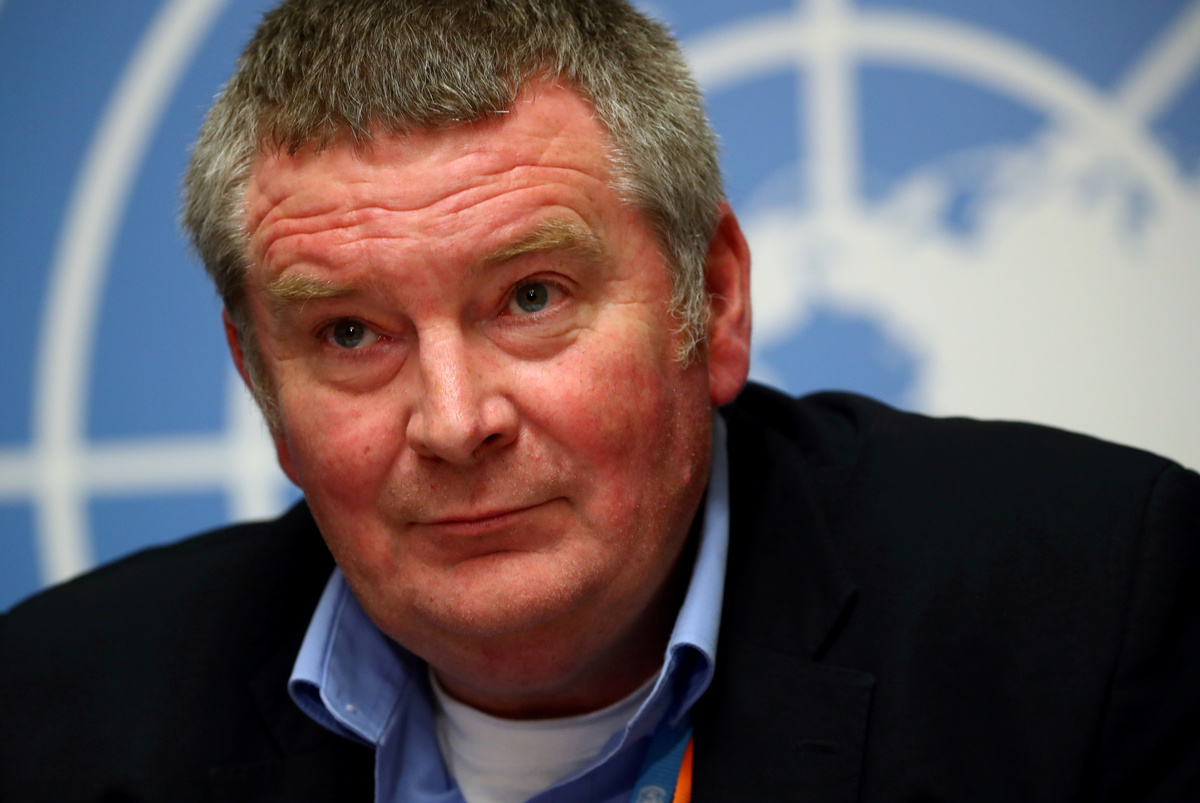
Ryan noted that vaccines exist for other illnesses, such as measles, that have not been eliminated.
WHO Director General Tedros Adhanom Ghebreyesus added: "The trajectory is in our hands, and it's everybody's business, and we should all contribute to stop this pandemic."
Ryan said "very significant control" of the virus was required in order to lower the assessment of risk, which he said remained high at the "national, regional and global levels".
Governments around the world are struggling with the question of how to reopen their economies while still containing the virus, which has infected almost 4.3 million people, according to a Reuters tally, and led to over 291,000 deaths.
The European Union pushed on Wednesday for a gradual reopening of borders within the bloc that have been shut by the pandemic, saying it was not too late to salvage some of the summer tourist season while still keeping people safe.
But public health experts say extreme caution is needed to avoid new outbreaks. Ryan said opening land borders was less risky than easing air travel, which was a "different challenge".
"We need to get into the mindset that it is going to take some time to come out of this pandemic," WHO epidemiologist Maria van Kerkhove told the briefing.
(Reporting by Michael Shields and Emma Farge; Writing by Alex Richardson; Editing by Kevin Liffey)