
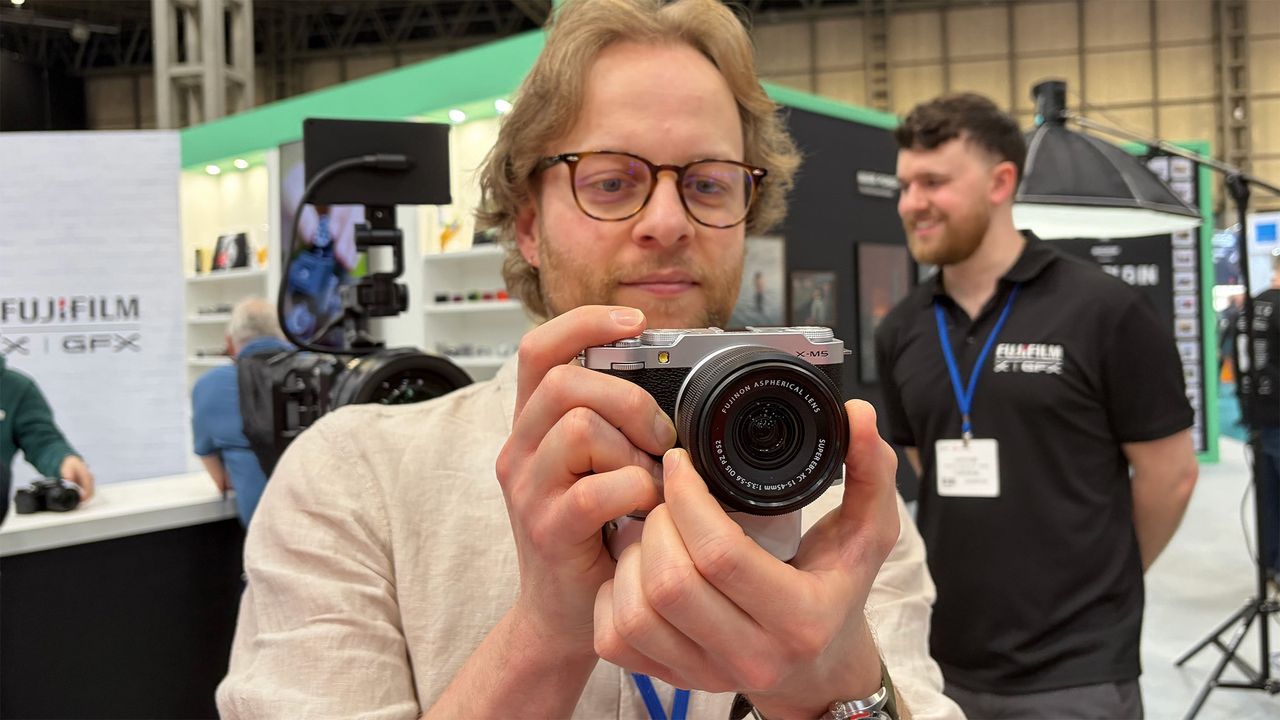
I’m always glad to see that the Fujifilm X-M5 is trending on Google, because it means plenty of people are giving this unassuming little powerhouse the attention it deserves. You see, despite its popularity, I’ve often wondered how many would-be Fujifilm X-M5 creators have simply dismissed Fujifilm’s smallest interchangeable-lens camera as being an entry-level body, maybe even a casual camera akin to the Fujifilm X Half, when in actual fact, it’s anything but.
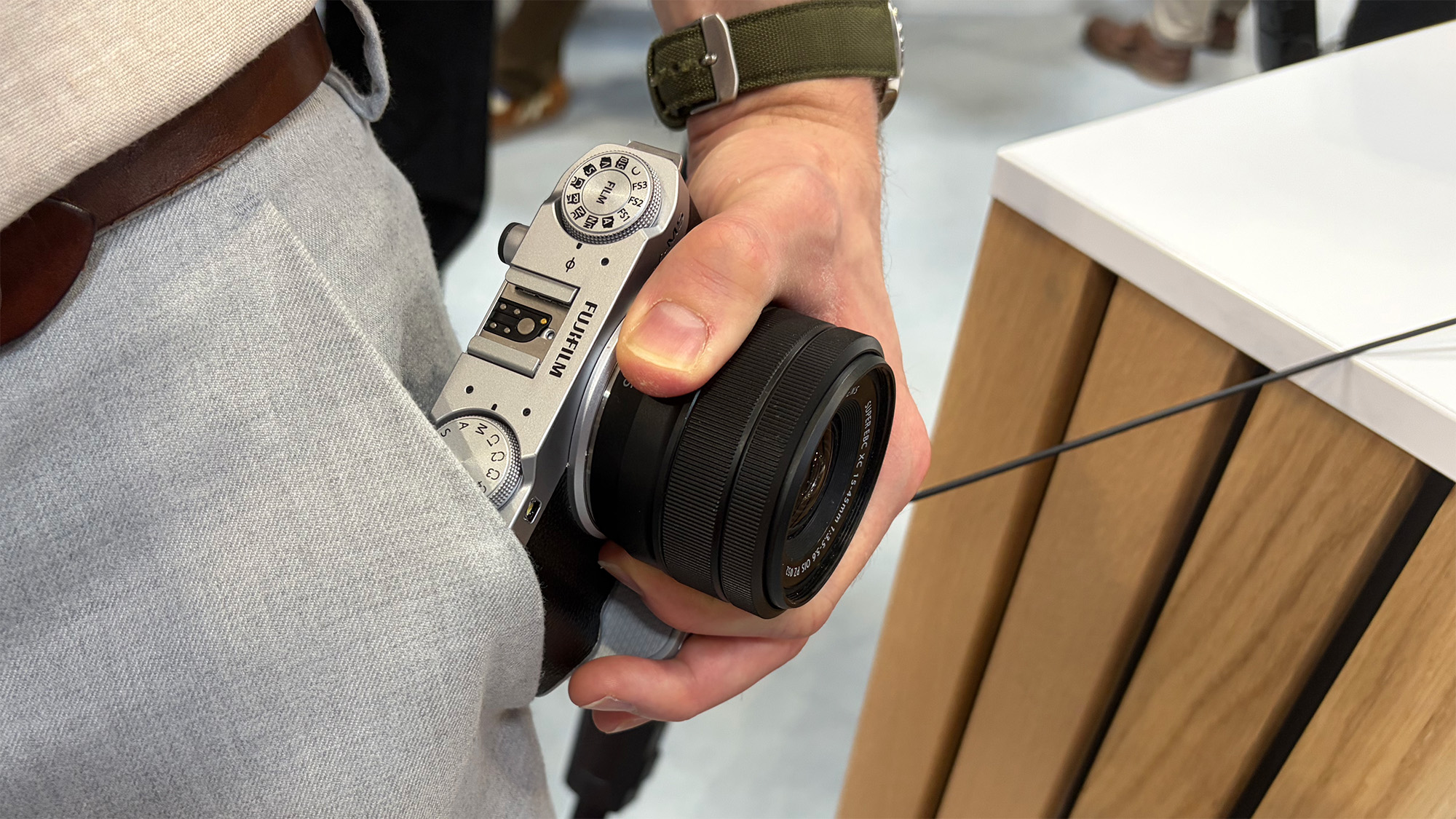
Last year I claimed “the Fujifilm X-M5 finally delivers on the compact promise of the mirrorless camera,” but it’s not just this camera’s tiny footprint that makes it so appealing; it’s the surprising power that lurks beneath the hood.
Firstly, the Fujifilm X-M5 is built around the company’s last-gen flagship APS-C sensor, the 26.1 MP X-Trans CMOS 4. This imbues it with some serious X-Series credentials right off the bat, complete with that coveted Fujifilm color science.
Then things get really interesting: 20fps burst speeds (30fps with 1.25x crop), along with 6.2K / 30p, 4K / 60p (1.18x crop), full HD / 240p, as well as 4:2:2 10-bit and F-Log for plenty of pliability in post-production. And to top it all off, it supports open-gate video.
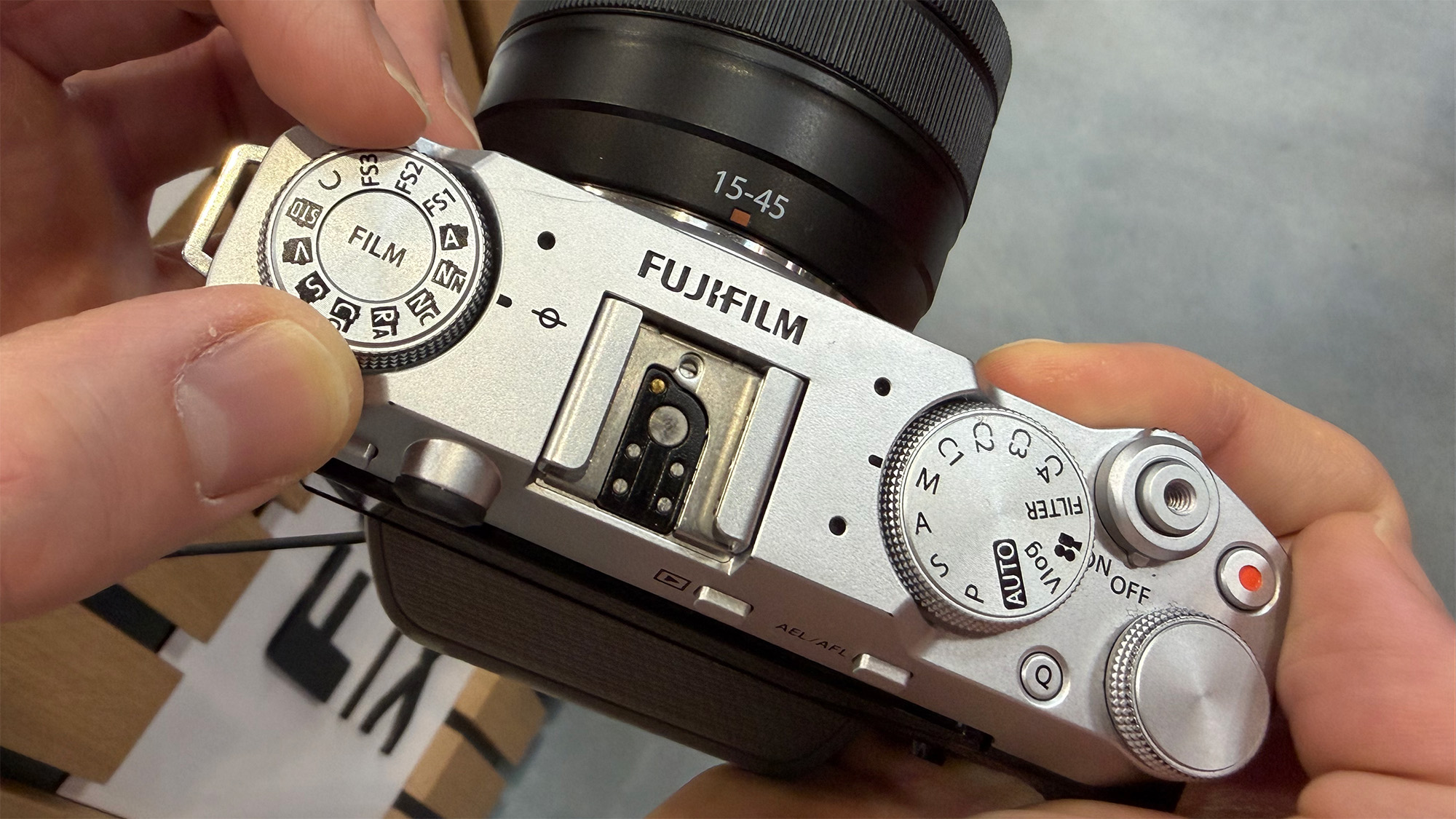
Now, the elephant in the room is the lack of a viewfinder, but unusually that really doesn’t bother me here, because it’s clear that the Fujifilm X-M5 is designed to be as small and light as possible, and without compromise. Nobody bemoans a traditional compact camera for not having a viewfinder; it’s either your bag or it isn’t.
But here’s the thing. I reckon the Fujifilm X-M5, like the Ricoh GR IV, is the camera nerd's 'compact camera'. It’s small enough to be a constant companion, but it’s got the image quality, the specs, and the interchangeable-lens system to be an infinitely useful tool. In a world where the Fujifilm X100VI gets the lion’s share of the attention and plaudits, spare a thought for the Fujifilm X-M5. It’s easy to miss, but hard to find fault.
You might also like...
I thought the Fujifilm X-E5 made the Fujifilm X100VI a lame duck. Here's why I've changed my mind. I spent some time with the Fujifilm GFX100RF; it may just be my ideal travel camera. And finally, check out the best retro cameras.