So now we know the truth. An entire civilisation can be eradicated and the world will look the other way. No one will care except a few bleating art lovers.
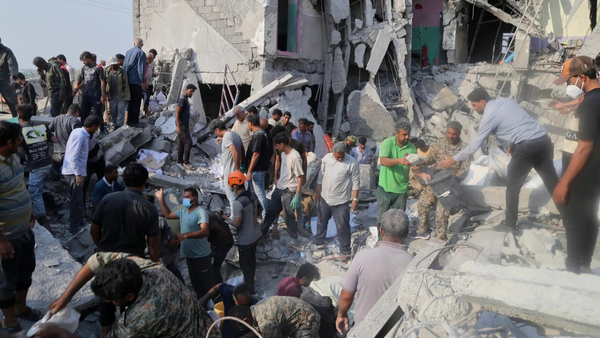
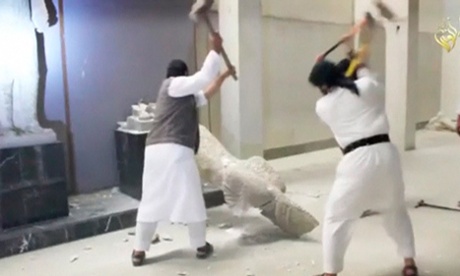
It is less than a fortnight since it became clear that Islamic State was destroying every trace of the ancient Assyrian empire in the parts of Iraq it controls. At first there was disbelief – exacerbated by irresponsible interpretations of a video in which some of the antiquities being smashed appeared to be fakes – then numb horror when the bulldozing of ancient Nimrud was confirmed.
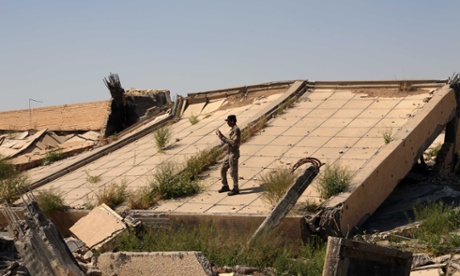
And then the news cycle moved on. The latest monuments news from Iraq is that Saddam Hussein’s concrete mausoleum has been destroyed in fighting in Tikrit. Oh no! It proves Karl Marx right when he said history always repeats itself – the first time as tragedy, the second as farce. Saddam Hussein’s tomb has absolutely zero historical or artistic value. Why is it getting similar media coverage to the deliberate obliteration of one of the great civilisations of the ancient world?
Soon clever postmodernists will be claiming that the absence of the destroyed Assyrian sculptures and sites has a poetic power of its own. Lost art has its own fascination, after all. Thus we cleverly argue away the smashing of humanity’s heritage. The truth is that we don’t have a scale of values by which to judge this catastrophe. The idea of cultural hierarchy – that some works of art are greater than others and some art forms more important than others – is violently rejected by today’s cultural relativism. Pop culture is just as important (and a lot more fun!) than some old sculptures, our age believes. This is what Stewart Lee seemed to be saying in The Observer: that selling off BBC3 is as bad as destroying Nimrud. Or did I miss a layer of irony?
If all Alexander McQueen’s frocks – god forbid – were to be destroyed in a fire, this would be a much bigger story than the eradication of the Assyrian empire. As a culture, we pay mere lip service to the heights of human achievement, and often not even that. Someone somewhere is just itching to say they don’t care about ancient Assyrian art. Who will be the first smart arse to go public on that? After all, in one of his most famous artworks Ai Weiwei smashes an ancient Chinese vase – the old is oppression, right? It’s the new that is cool.
Words like “collective memory” and even “civilisation” are just talk. In reality, as a society, we forget things all the time. Collectively we suffer from severe memory loss – and when we do “remember” something it is likely to take the form of hysterical emotional pageantry. What is needed, to make sure the Assyrians are never forgotten, is some kind of institution that does the work of memory for us.
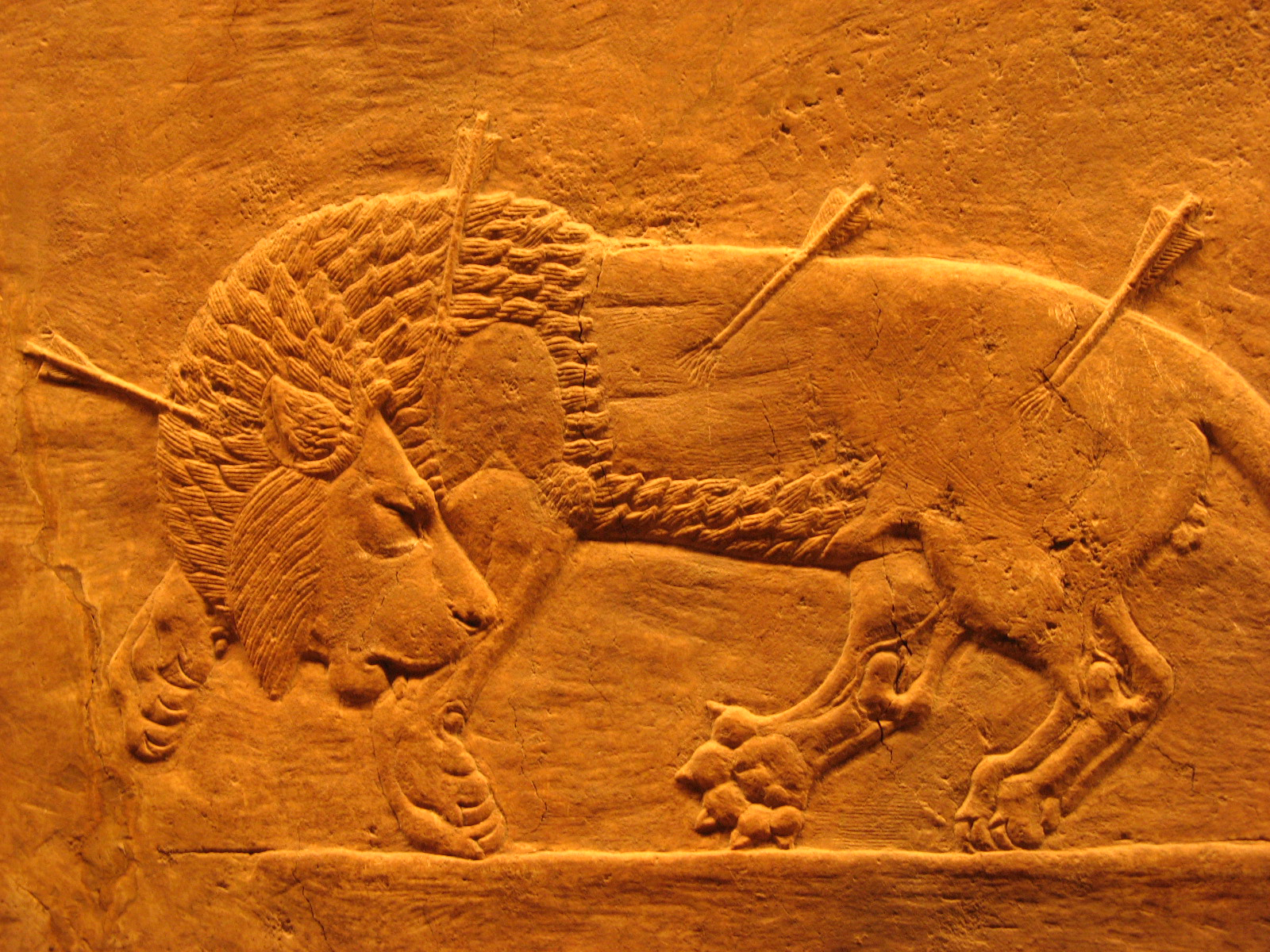
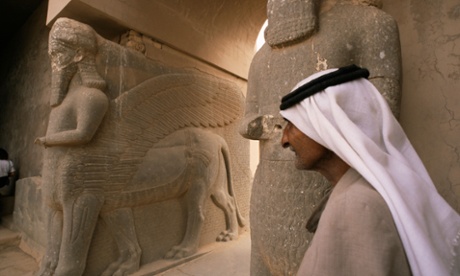
I am in just such a place, right now. Three minutes’ walk from where I sit, the Assyrians survive. For all Assyrian art has not been obliterated. Many of its greatest masterpieces are thousands of miles from Isis and its barbarities. They fill a series of galleries in the British Museum. Human-headed winged bulls guard the entrance to this museum’s incredible collection of reliefs from Nineveh and other Assyrian palaces. A whole set of visceral reliefs depict a lion hunt in which lion after lion is released from a cage only to be shot full of arrows by royal hunters in chariots. In other rooms, prisoners are flayed alive, cities are besieged and soldiers – in some of the loveliest scenes – swim across a river to attack the enemy.
In fact, looking at the violence of Assyrian art, I can’t help thinking these ancient warriors would have beaten Isis in a fair fight. Unfortunately it is not a fair fight. The ancients only live now in their art. Anyone can destroy a work of art. It takes no courage. What does take courage and belief is defending it, and if as a civilisation we lack the guts or passion to protect humanity’s heritage, at least we have museums that stand up for the glories of art and history in their own patient, careful way.
It is easy to list the British Museum’s supposedly controversial possessions – and people will be doing that soon when it re-displays some of the Parthenon marbles in a huge Greek art exhibition. But in the light of what has happened in Iraq, we need to forget all those irrelevant debates. In a world as chaotic and cruel as this, the British Museum and similar global collections around the world must be maintained and protected exactly as they are, Parthenon sculptures and all, as time capsules of the best of humanity. Museums are the conscience of the world. When it comes to art and heritage they are the only conscience we really have.