You’re the boss of a major organisation – a company or an NHS trust. Consultants report that you have good control on how much is being spent. But unfortunately, you have no systems to monitor what your organisation buys, or assess performance. It doesn’t sound like you’re going to get an annual bonus.
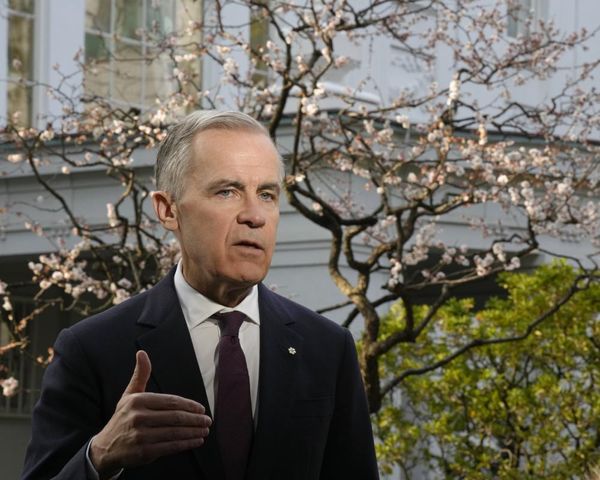
This, more or less, is the position John Manzoni is in. He is the chief executive of the civil service, but, according to the latest broadside from the National Audit Office (NAO), doesn’t know and can’t tell what the civil service is doing. His own department, the Cabinet Office, appears (again) to be ineffectual and marginal.
Departmental spending plans, which the Institute for Government’s Julian McCrae dubbed a “laundry list” of nice-to-haves, have not improved the way the civil service operates. The watchdogsaid that despite improvements in the way government plans and manages public sector activity, there is still no “functioning cross-government approach to business planning, no clear set of objectives, no coherent set of performance measures” and there are also serious concerns about the quality of management data.
The single departmental plans were set out in all their glory earlier this year. Now they are revealed as exercises in story telling, the Whitehall equivalent of wetting a finger and sticking it in the air. They are short term and don’t support proper planning of capital investment. In other words, we are pretty much where we were a year ago: UK central government literally doesn’t know what it is spending and why.
Brexit will make this worse. Within departments in recent days, senior civil servants have been preoccupied with briefing their new ministers, with much kudos attaching to who gets in first. The next question is who goes off to staff the new exit ministry and the Brexit units springing up across the piece. Performance management is for the also-rans.
In Manzoni’s defence, he might say his title isn’t accurate. He doesn’t have executive command over Whitehall; cabinet secretary Sir Jeremy Heywood and his predecessors have made clear there is no corporate centre. The Cabinet Office doesn’t performance manage departments. At best, as the report says, individual permanent secretaries may sign up to what the Cabinet Office proposes ); then again, they may not, preferring to follow their ministers and their own trajectories.
If Manzoni’s defence – a strong one – is that it’s all the Treasury’s fault, that does rather open the question of what the Cabinet Office is for. He recently told the Commons public accounts committee it has just about given up monitoring how departments deal with their arm’s length bodies (ALBs). Yet the NAO now says that in most departments ALBs don’t link with departmental spending plans or objectives.
It’s true that when it comes to money, the Treasury is everywhere and the Cabinet Office nowhere. The Treasury negotiates control totals with departments. It does that more or less effectively, the NAO says in its assessment of the 2015 spending review. But it doesn’t deliver value for money and doesn’t prioritise one programme or project over another: if that’s the territory the Cabinet Office should be occupying, it isn’t.
As for joining up policy, the Treasury’s way of working also reinforces Whitehall’s departmentalism. On apprenticeships, work and pensions and education collaborated but other examples of cross-departmental working are all too rare. In an ideal world, the new Treasury permanent secretary Tom Scholar would embrace this NAO report – good and effective government depends on applying its lessons. But he won’t. This will join the shelf groaning with previous critiques of dysfunction at the centre of our government.
Talk to us on Twitter via @Guardianpublic and sign up for your free weekly Guardian Public Leaders newsletter with news and analysis sent direct to you every Thursday.