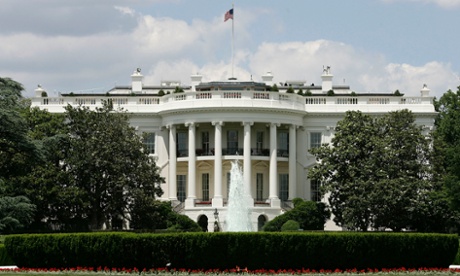
If you own a DJI Phantom drone, you can’t buzz the White House any more – or, indeed, fly it anywhere in the Washington DC area – after a firmware update introduced after a drone crashed in the presidential grounds.
Wait a minute. Do you really own a DJI Phantom drone? Digital rights group the Electronic Frontier Foundation has claimed that the firmware update should be a reminder that while you may have bought the device, its manufacturer still has ultimate control over how it works.
“This announcement may have been an effort by the manufacturer DJI, whose Phantom model is one of the most popular consumer drone units, to avoid bad press and more regulation,” wrote EFF director of copyright activism Parker Higgins in a blog post.
“But it also reinforced the notion that people who ‘own’ these drones don’t really own anything at all. The manufacturer can add or remove features without their agreement, or even their knowledge.”
If this sounds familiar, that’s exactly what the EFF is hoping for. It wants people who use other devices, from smartphones and games consoles to connected cars, to think again about who “owns” these devices.
“Your ownership of the stuff you buy is overridden by the manufacturer’s ability to update or change it – a phenomenon that is proliferating to anything with a networked computer,” wrote Higgins, noting the ability of automotive firms to push firmware updates to improve their cars, or to disable them.
For the EFF, the DJI Phantom firmware update is the latest peg to hang its campaign against anti-circumvention provisions in the US’ Digital Millennium Copyright Act (DMCA) legislation.
Without those DRM laws, users could replace the firmware on their devices with new software that was trusted and auditable,” wrote Higgins.
“But instead, the law casts a shadow of doubt on users that would modify that software, researchers that would examine it for security vulnerabilities, and companies that would create competitive alternatives.”