WASHINGTON _ The Trump administration announced a new ban Sunday on most travel to the U.S. by nationals of seven countries, including North Korea and six in the Mideast and North Africa.
The new order replaces the much-disputed travel ban that President Donald Trump issued in March, parts of which were blocked in court. That order, a revision of one Trump issued during his first days in office, expired Sunday. The latest version, which will be indefinite, takes full effect on Oct. 18.
The Supreme Court is scheduled to hear arguments on Oct. 10 on whether the earlier ban violated the Constitution. It was not immediately clear how the new order would affect that case.
No existing visas will be revoked, and people currently allowed to travel to the U.S. for other reasons will not be affected, the administration said.
The new order covers most of the same countries subject to the original travel ban, with Chad and North Korea joining the list and Sudan moving off it. Administration officials said that countries had been selected for the restrictions based on their ability and willingness to screen and vet travelers and verify their identities.
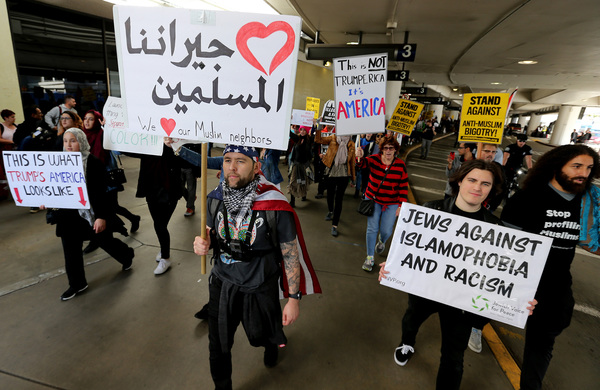
Judges who ruled against the earlier ban had in several cases said that they were doing so in part because the restrictions were an effort to enact the ban on Muslim travel to the U.S. that Trump had called for as a candidate.
White House officials pointed to the addition of North Korea to the list as evidence that the travel restrictions were not directed at Muslims. In practice, almost no North Koreans are currently allowed to travel to the U.S., so the order will continue to have its greatest impact on nationals of majority-Muslim countries.
Unlike the original ban, the new restrictions do not apply to any U.S. permanent residents, nor to dual nationals who hold a passport from an unrestricted country.
The new restrictions would vary from country to country, with Syrians and North Koreans facing the most complete restrictions, barring virtually all travel.
Iranians, by contrast, would continue to be allowed to enter the U.S. as students, which nationals of Chad, Libya, Somalia and Yemen would not be allowed to do, according to the text released Sunday night by the White House.
Venezuelan government officials and their relatives would also not be allowed to enter the U.S. in most cases under the new rules.
Iraqis would not be covered by the ban but will face "additional scrutiny to determine if they pose risks to the national security or public safety of the United States," the proclamation said.