'White death' in Argentina: The hunger of poverty feeds tuberculosis
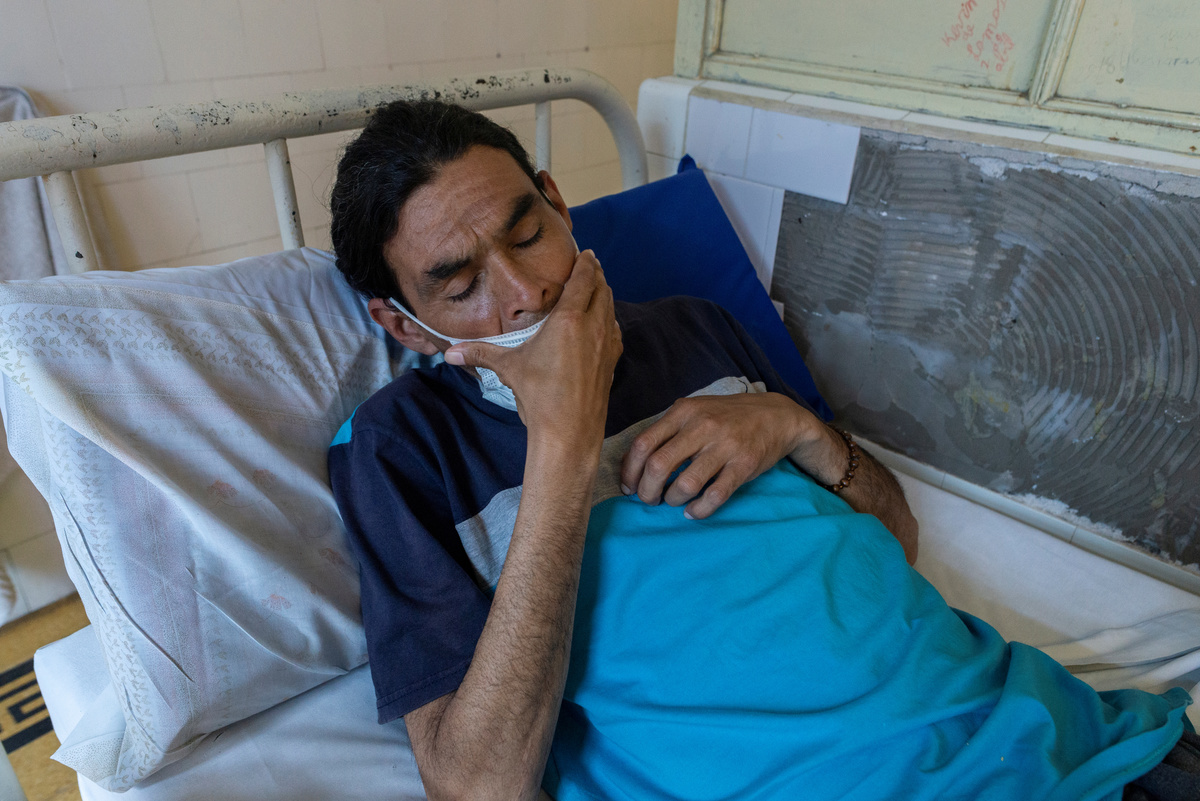
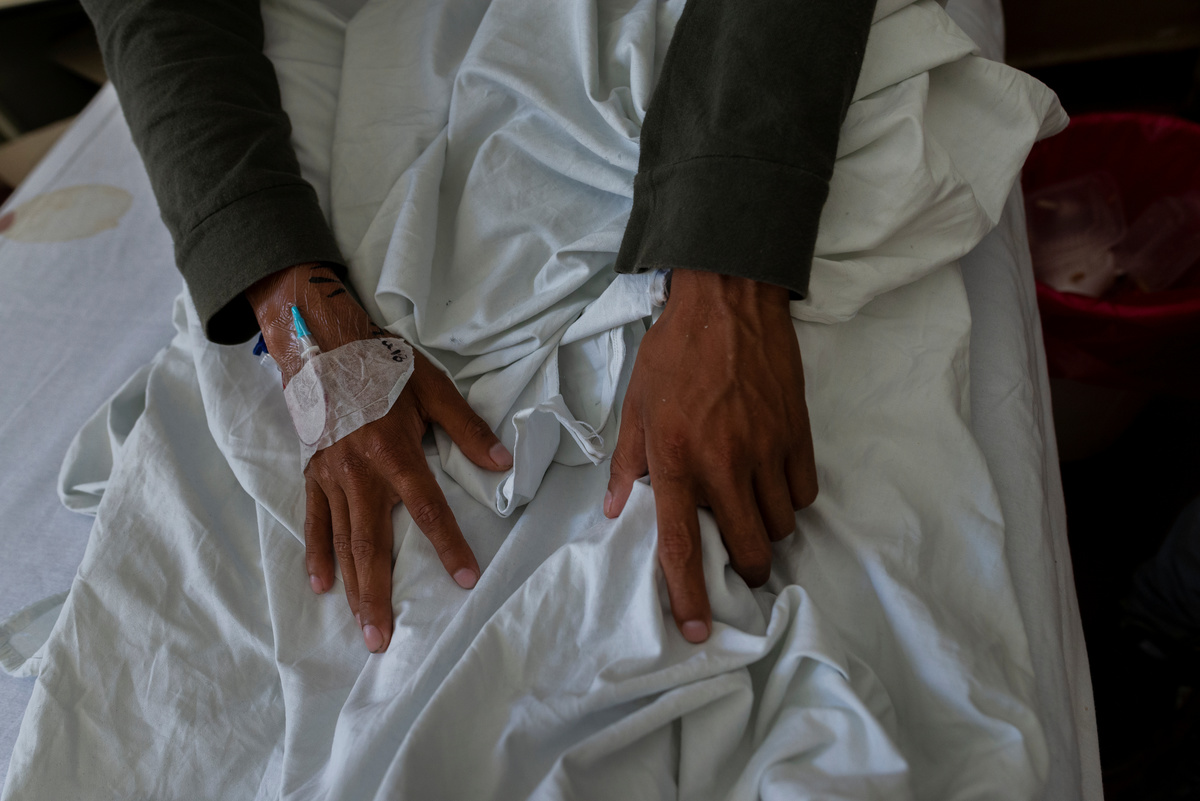
Luis Barraga, 40, who has tuberculosis, waits for his lunch to be served in his hospital room at the Muniz public hospital in Buenos Aires, Argentina, October 8, 2019. Luis was living on the street when he was admitted, weighing 45kg. In the two weeks that he had been there, his weight had increased to 60kg. REUTERS/Magali Druscovich
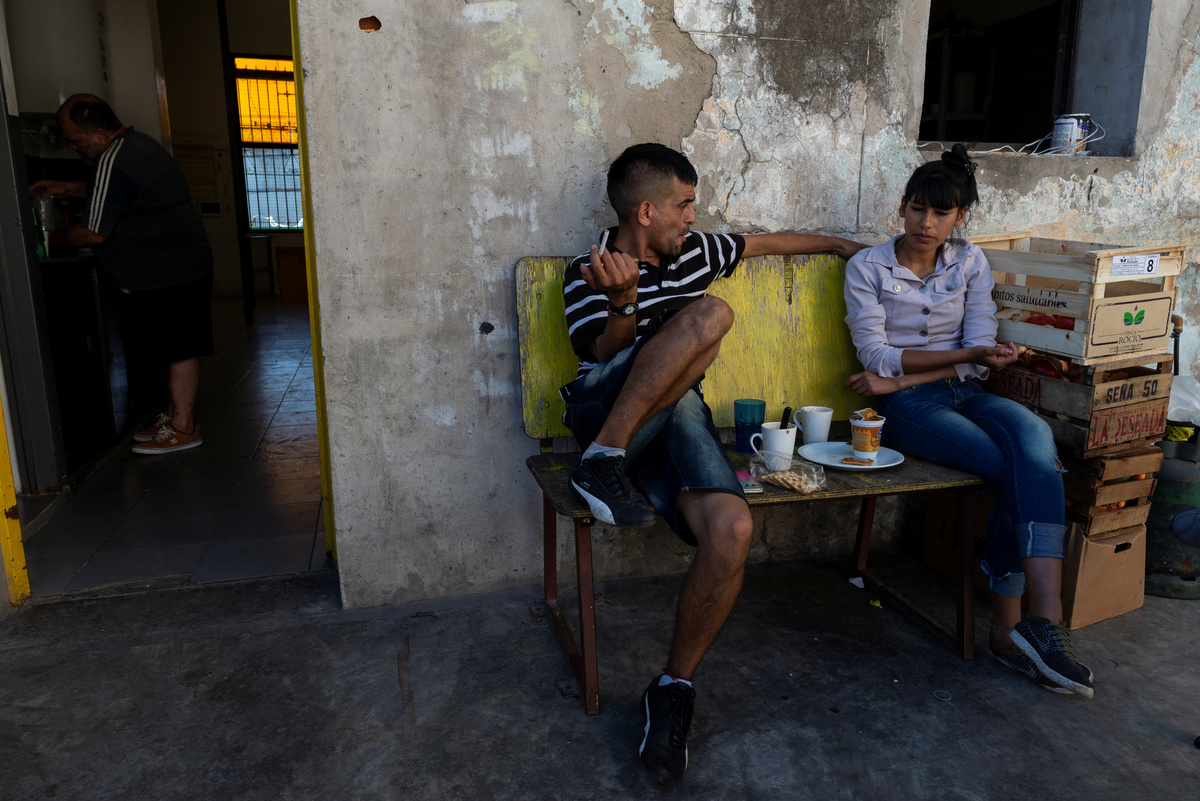
BUENOS AIRES (Reuters) - In a poor Buenos Aires suburb, Cristian Molina's jeans and denim jacket hide his unhealthily slight frame, his legacy from years of a poor diet that left him susceptible to the tuberculosis infection he contracted earlier this year, a disease of poverty that is making a comeback in Argentina.
Molina, 26, lives in the shantytown of Lujan near the wealthy capital with his parents, six siblings and four nephews. Doctors think one brother contracted the disease in prison and then spread it around the family when he returned home.
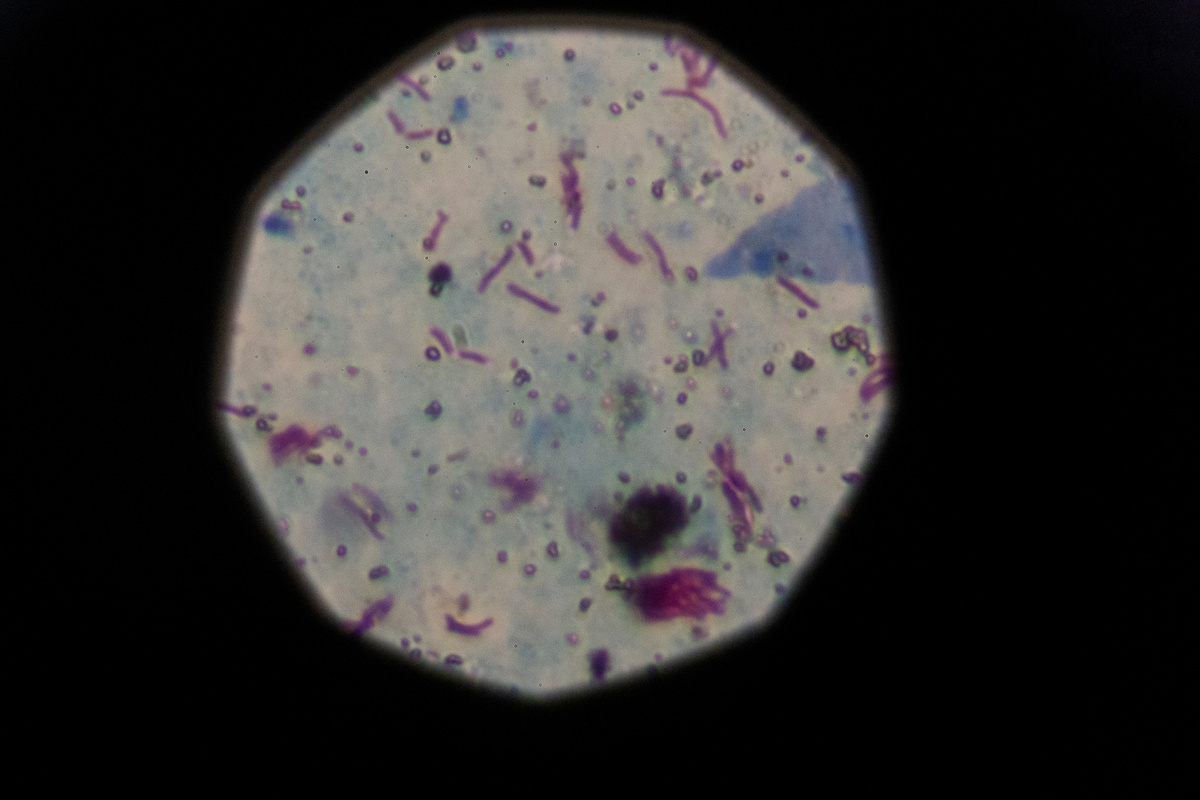
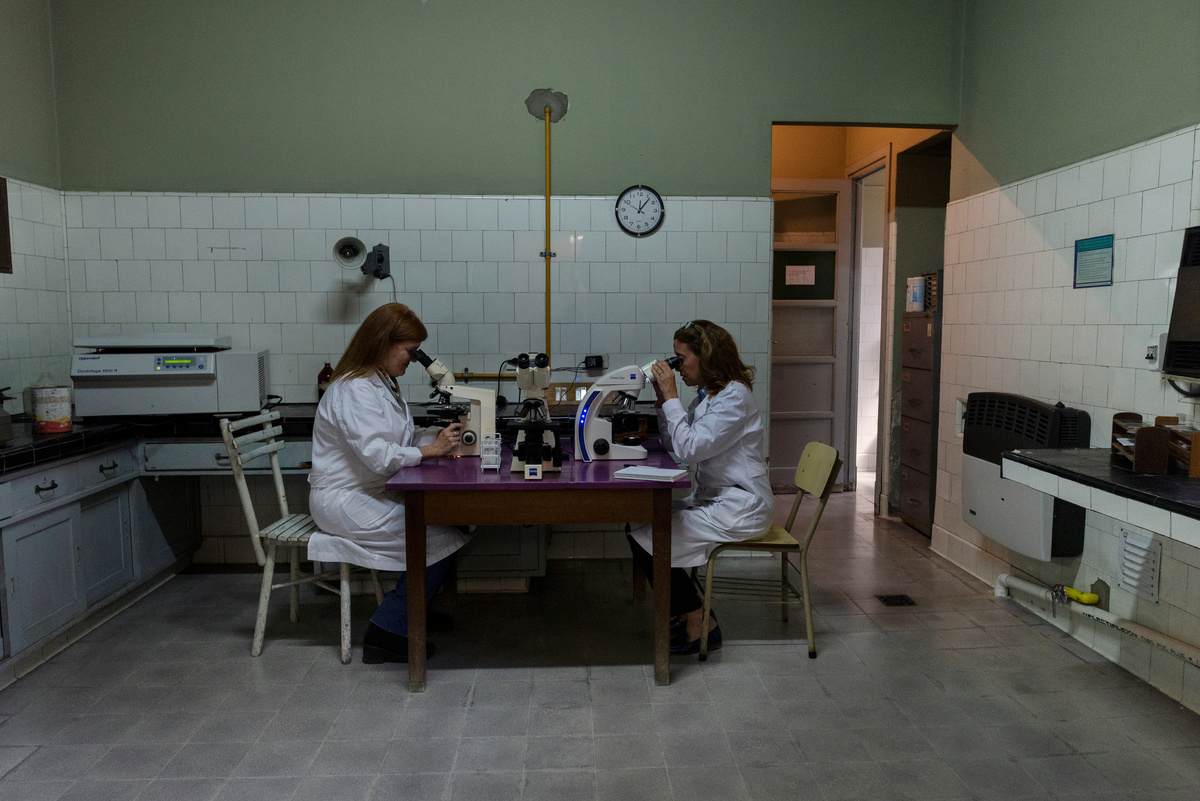
A sample that tested positive for tuberculosis is seen from a microscope in Buenos Aires, Argentina, March 29, 2019. Cases of the "white death" illness, closely linked to poverty, malnutrition and poor housing, have been on the rise since the turn of the decade as Latin America's third largest economy has grappled with repeat recessions and inflation. REUTERS/Magali Druscovich
Cases of the "white death" illness, closely linked to malnutrition and poor housing, have been on the rise since the turn of the decade as Latin America's third largest economy has been battered by repeat recessions and inflation.
Currently, fast-rising prices and recession are driving more people below the poverty line and stoking homelessness and hunger. The poverty rate stood at above 35% in the first half of the year, hurting Argentine President Mauricio Macri, who is expected to lose the general elections this Sunday.
"Tuberculosis is the collateral damage of poverty," said Laura Lagrutta, an Argentine respiratory specialist focused on treating children with the disease.
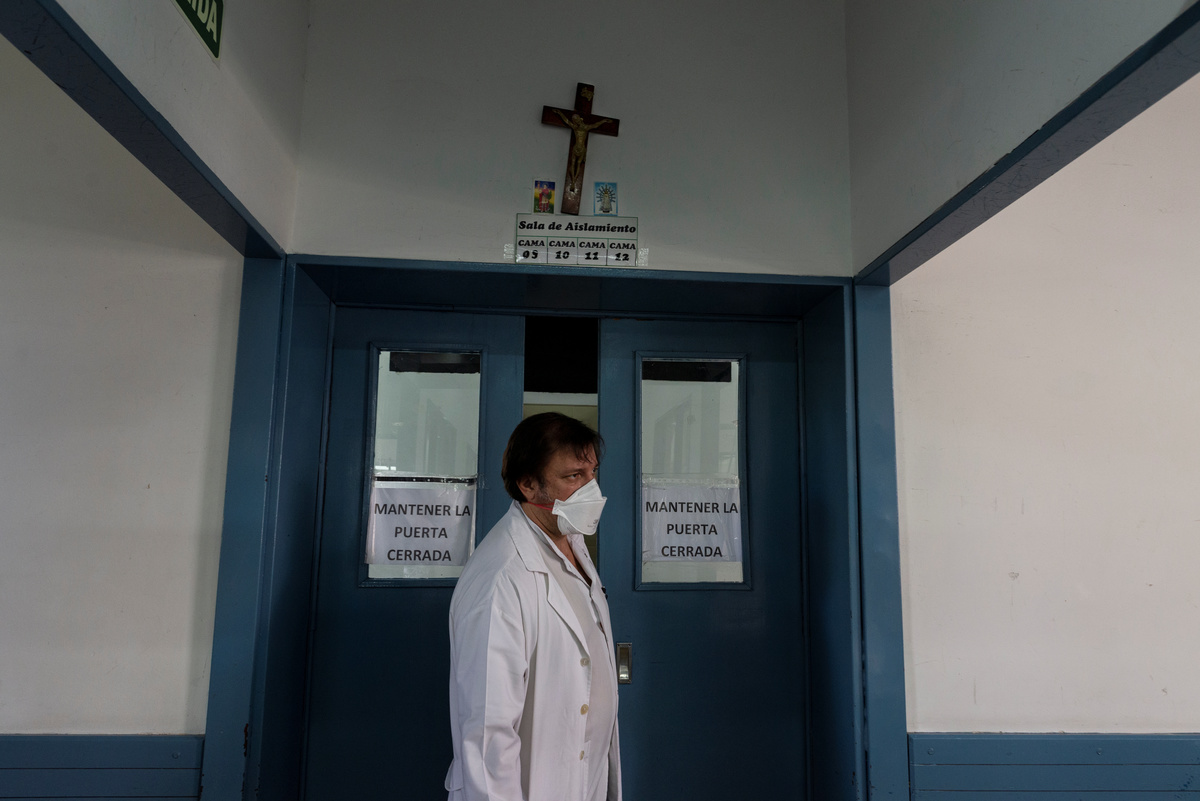
Dr. Decarolis, who specialises in patients with HIV and tuberculosis, visits patients that have been hospitalised in isolation for both diseases at the Muniz public hospital, in Buenos Aires, Argentina, March 29, 2019. REUTERS/Magali Druscovich
According to the latest figures from the World Health Organization, there were 10,320 reports of new and relapsed TB cases in Argentina last year. The number of cases, which had dropped steadily since the 1980s, started to rise again after around 2010.
Tuberculosis kills 5,000 people every day globally and is one of the world's biggest killers.
Farm-rich Argentina is still better off than some of its South American neighbors, including Brazil and Peru where incidence of the disease is higher. But the infection rate in Argentina is rising worrisomely.
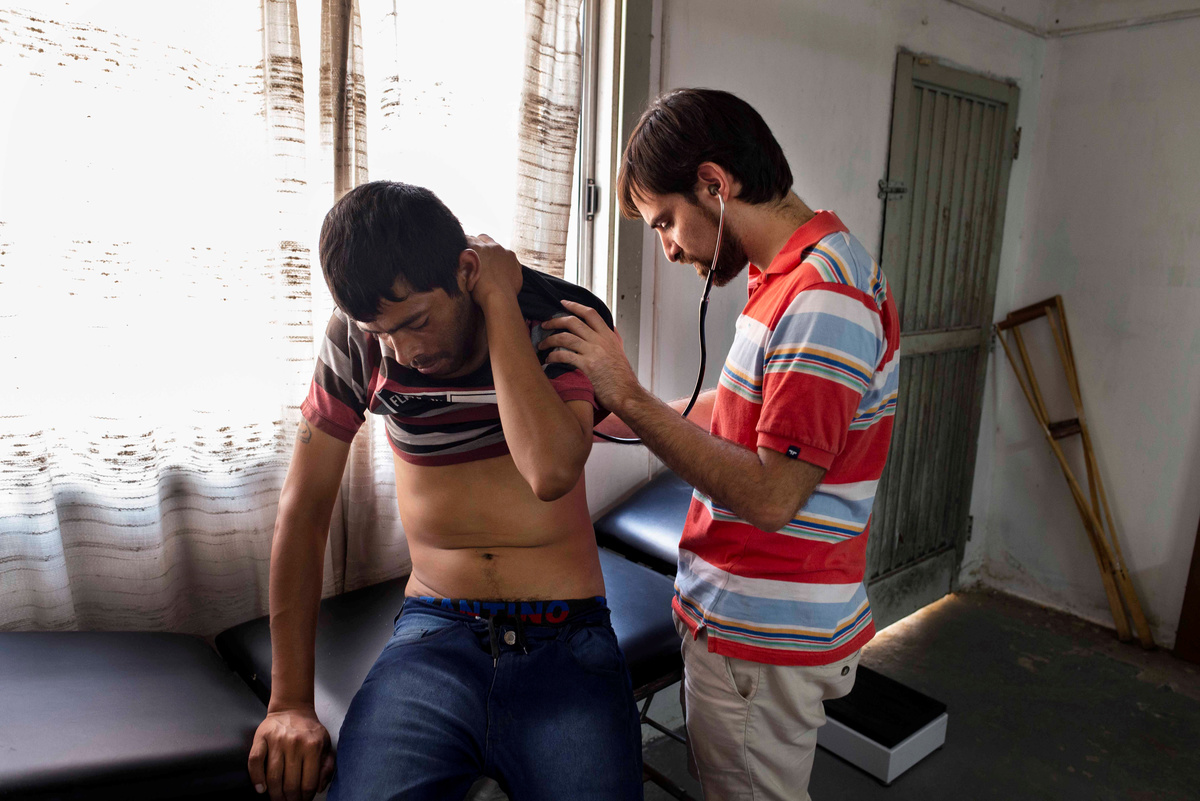
Dr. Santiago Jimenez, an infectious disease specialist, checks the lungs of Jorge Borda who is at the end of his tuberculosis treatment, in Buenos Aires, Argentina, January 29, 2019. Cases of the "white death" illness, closely linked to poverty, malnutrition and poor housing, have been on the rise since the turn of the decade as Latin America's third largest economy has grappled with repeat recessions and inflation. REUTERS/Magali Druscovich
Marcela Natiello, coordinator of the national TB and leprosy control program, said a declining trend since the 1980s had reversed in 2013, linked to "multiple and complex causes."
"TB primarily affects the most vulnerable populations, with low economic resources, residing in poor, badly ventilated and overcrowded environments," she said, adding that over half of all cases were in the populous area around Buenos Aires.
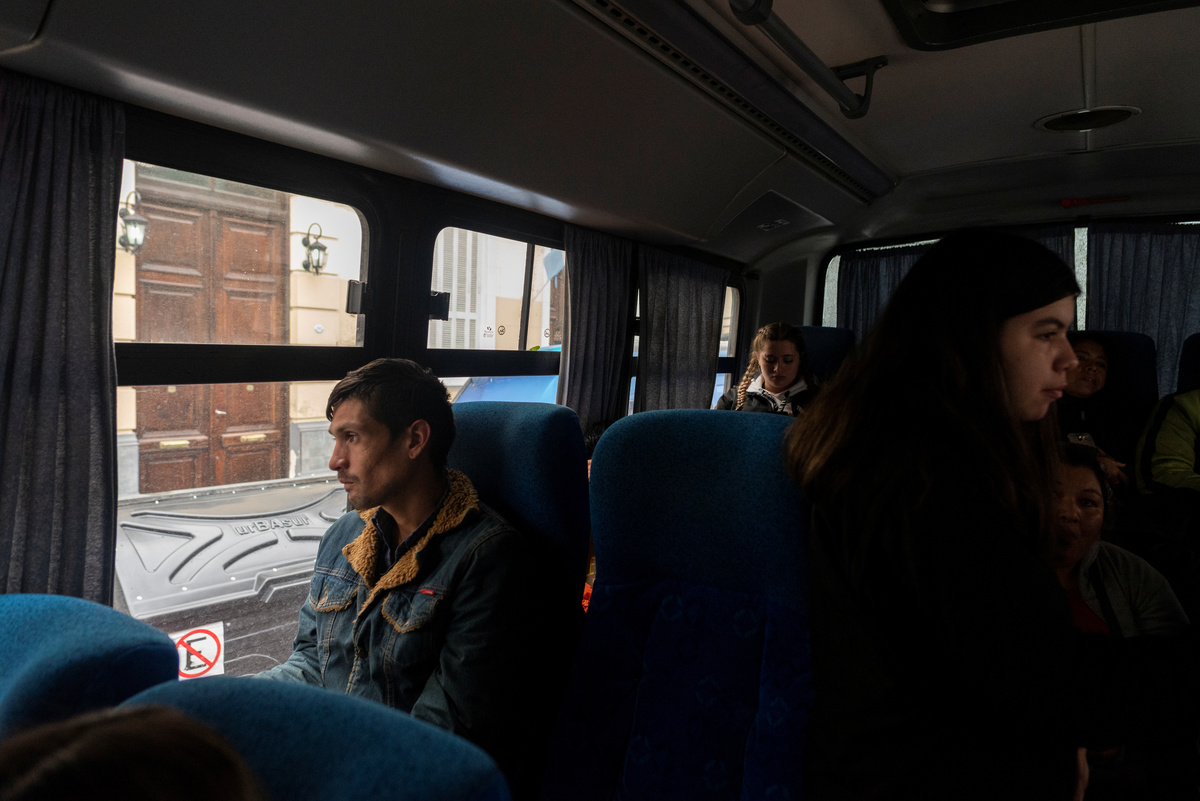
Cristian Molina, 26, sits on a bus while traveling to visit his family in Buenos Aires, Argentina, August 17, 2019. Molina contracted tuberculosis earlier this year. He lives in the shantytown of Lujan and shares living spaces with his parents, six siblings and four nephews. Doctors think one brother contracted the disease in prison before spreading it around the family when he returned home. REUTERS/Magali Druscovich
RECORD NUMBERS
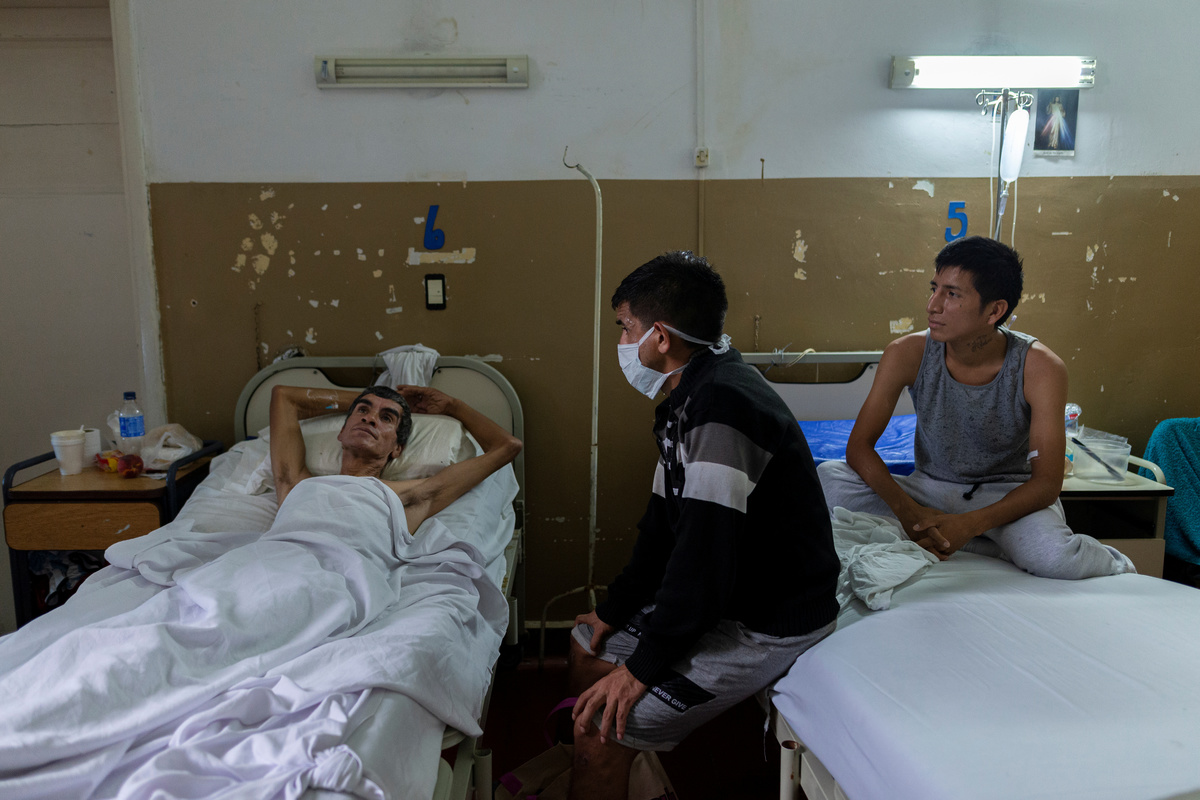
Doctors said the rise in the number of cases was straining some hospital wards where patients with TB are being treated.
Patricia Figueroa, a social worker at the Muniz public hospital, said the facility was struggling with overcrowding as it faced a growing number of TB patients, which she described as "a record in recent history."
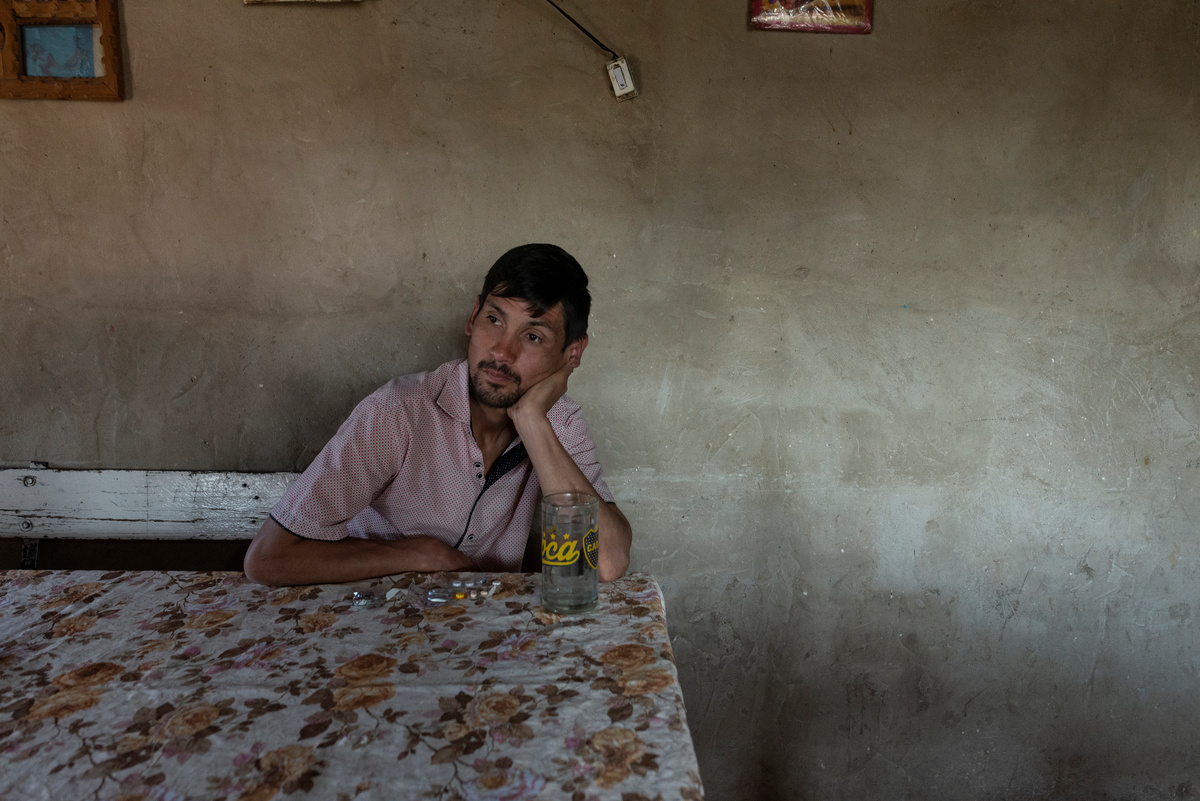
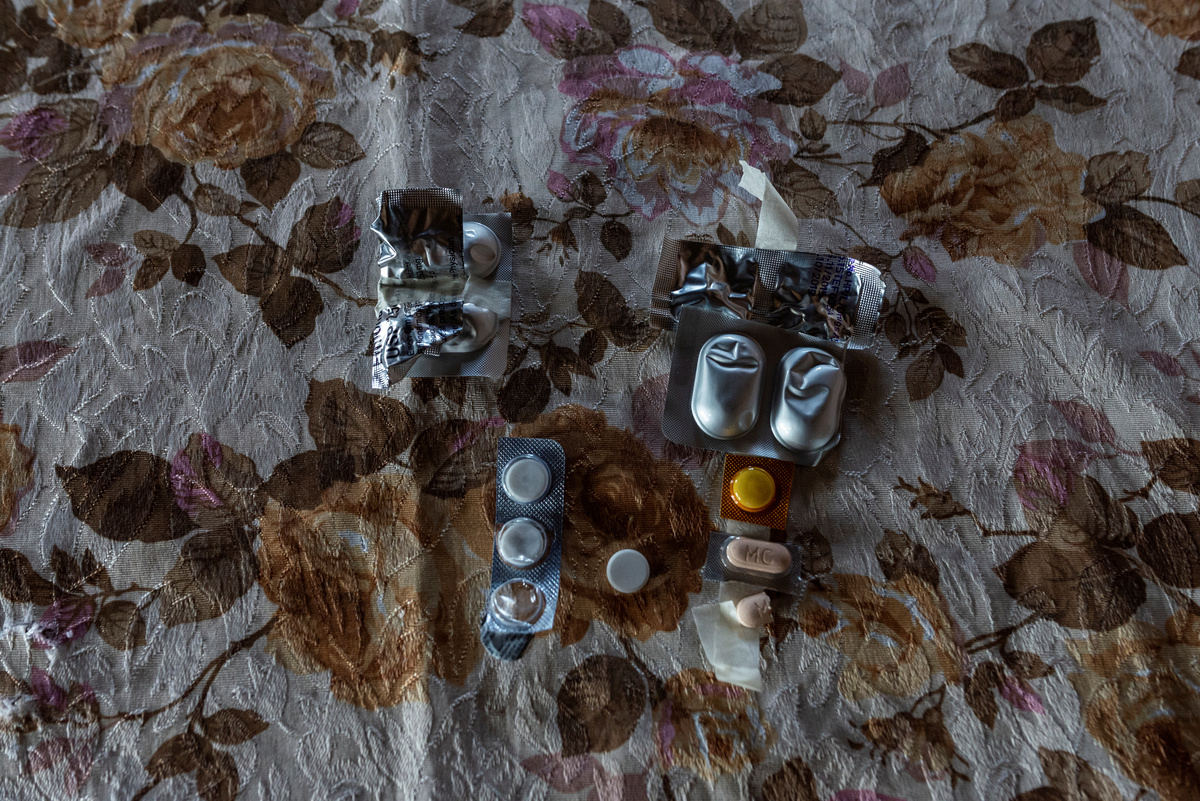
Cristian Molina, 26, takes his tuberculosis medication at his house in the shantytown of Lujan in Buenos Aires, Argentina, September 26, 2019. Molina is prescribed to take 11 tablets per day, seven in the morning and four in the afternoon, which often give him a stomachache. He contracted tuberculosis earlier this year. Molina shares living spaces with his parents, six siblings and four nephews. Doctors think one brother contracted the disease in prison before spreading it around the family when he returned home. REUTERS/Magali Druscovich SEARCH "ARGENTINA TB" FOR THIS STORY. SEARCH "WIDER IMAGE" FOR ALL STORIES. TPX IMAGES OF THE DAY
"Due to overcrowding, the hospital is discharging patients with low risk of contagion in order to receive high-risk ones, something very dangerous," she said, adding that the hospital was looking at how to add more beds to other wards to accept more people.
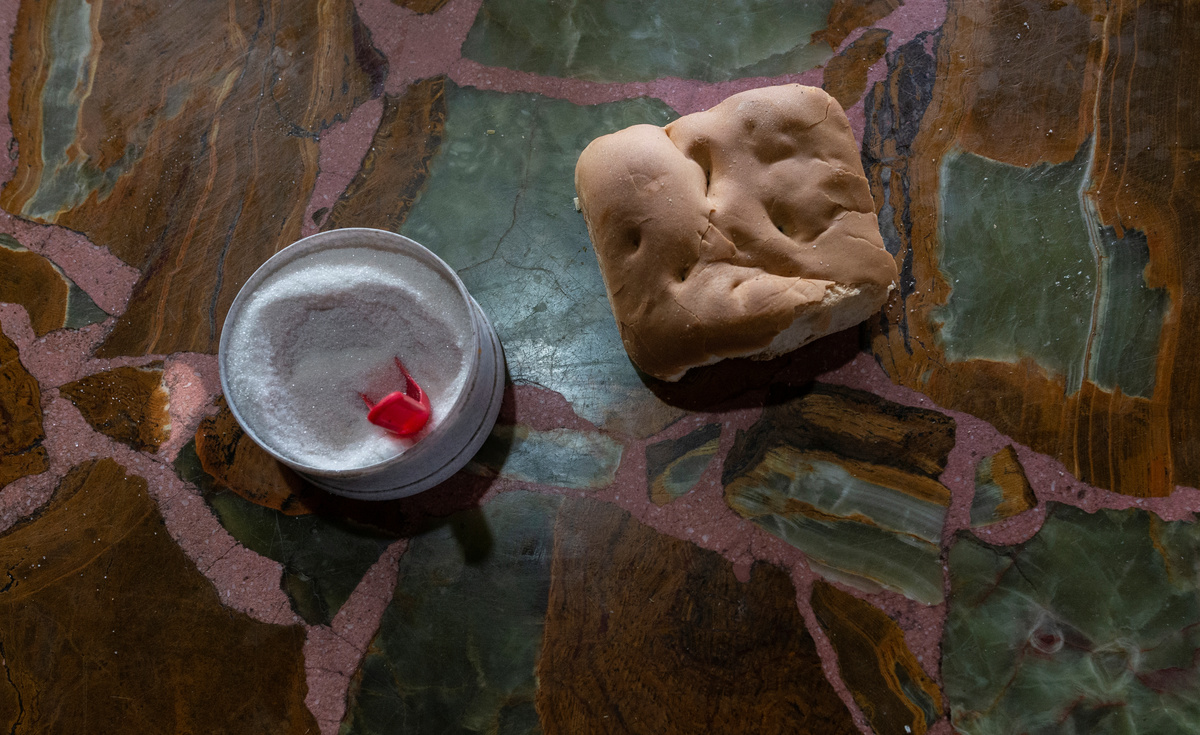
In slums around the country Reuters spoke to many people with the disease, who all described living in cramped and insecure housing and lacking an ample supply of nutritious food.
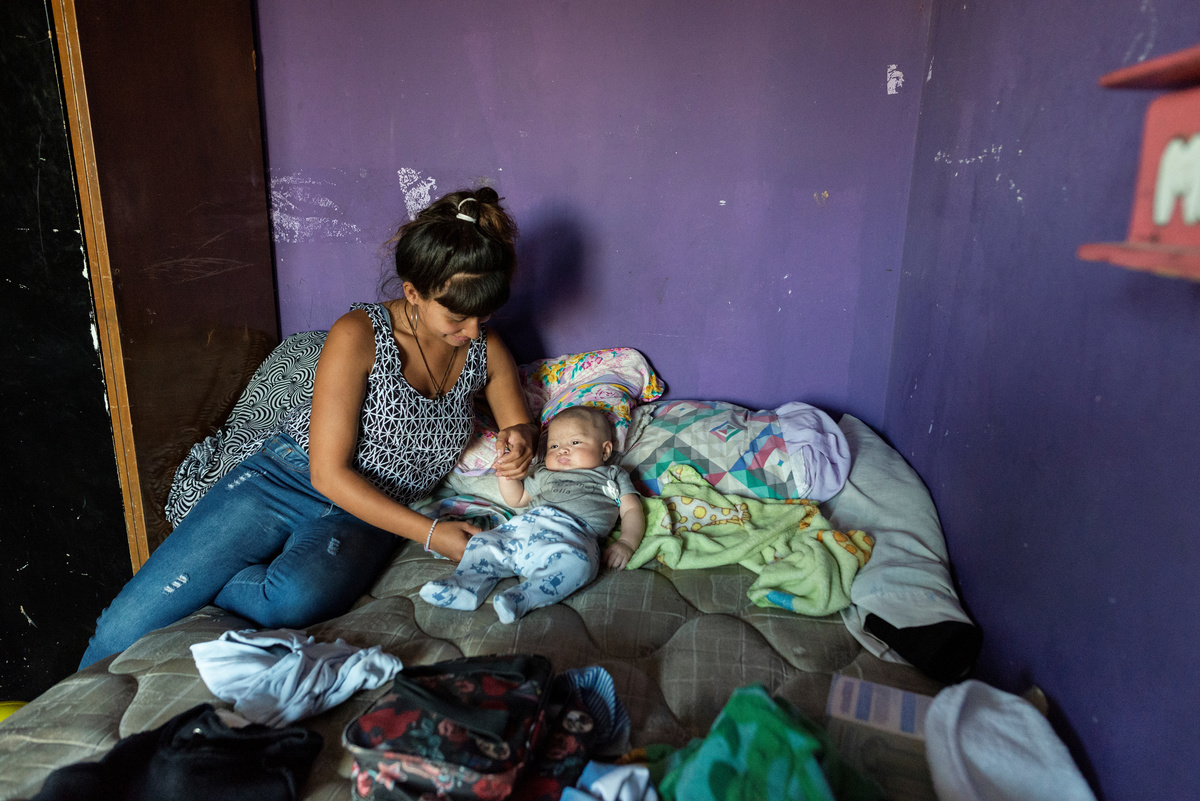
In Villa 31, a populous shantytown neighborhood in the capital, Luli, 19, has gone through a year of treatment since contracting the disease while she was pregnant. She says her now-months-old baby luckily did not get infected.
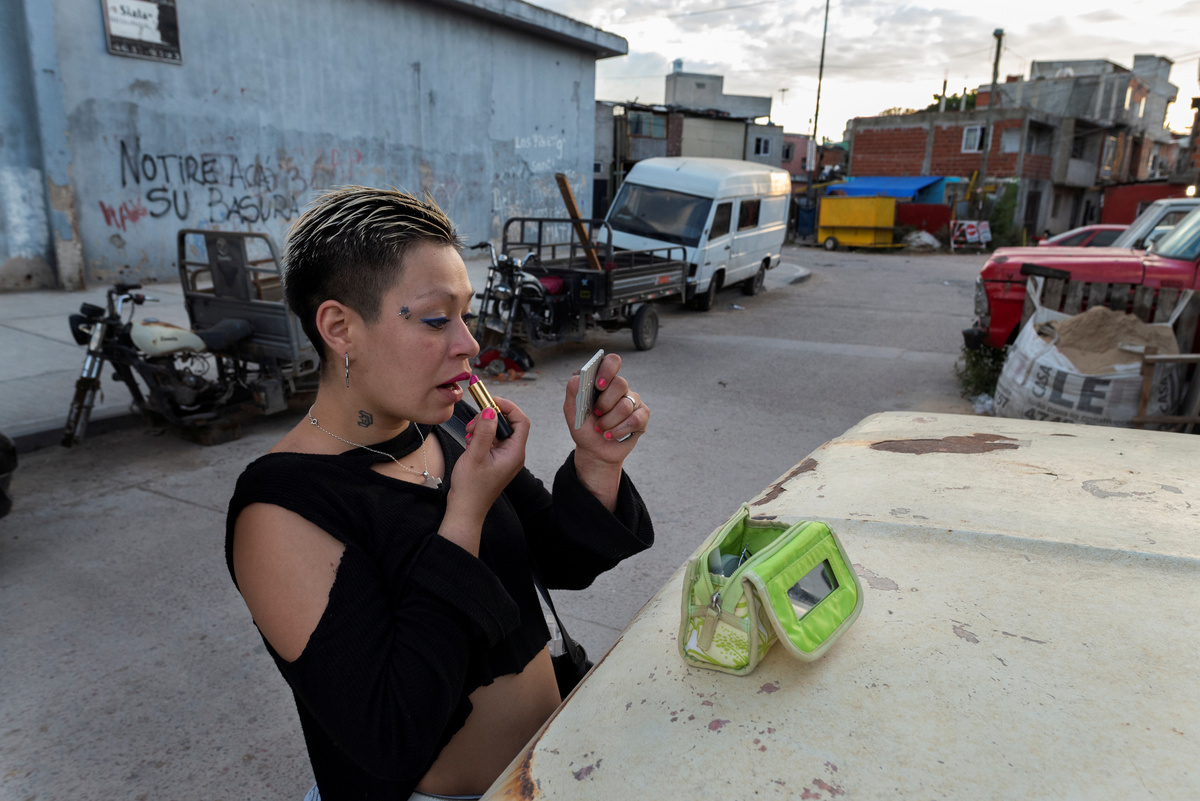
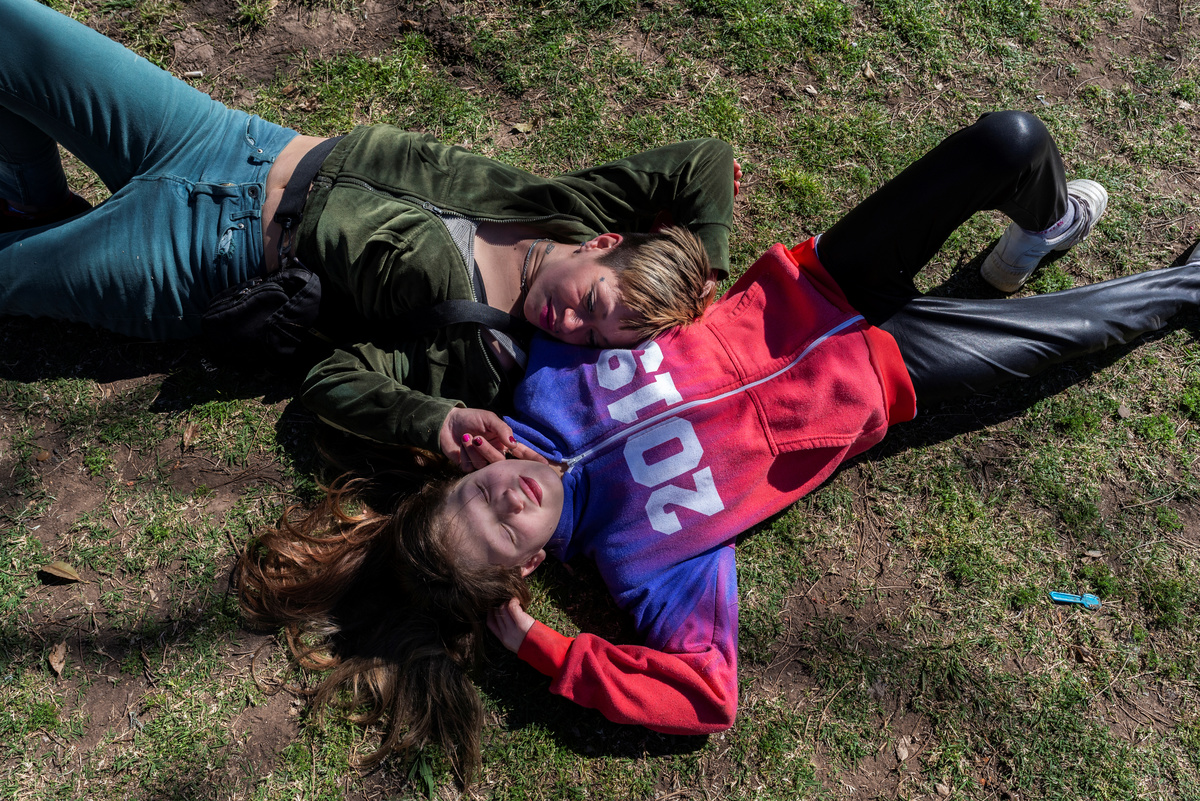
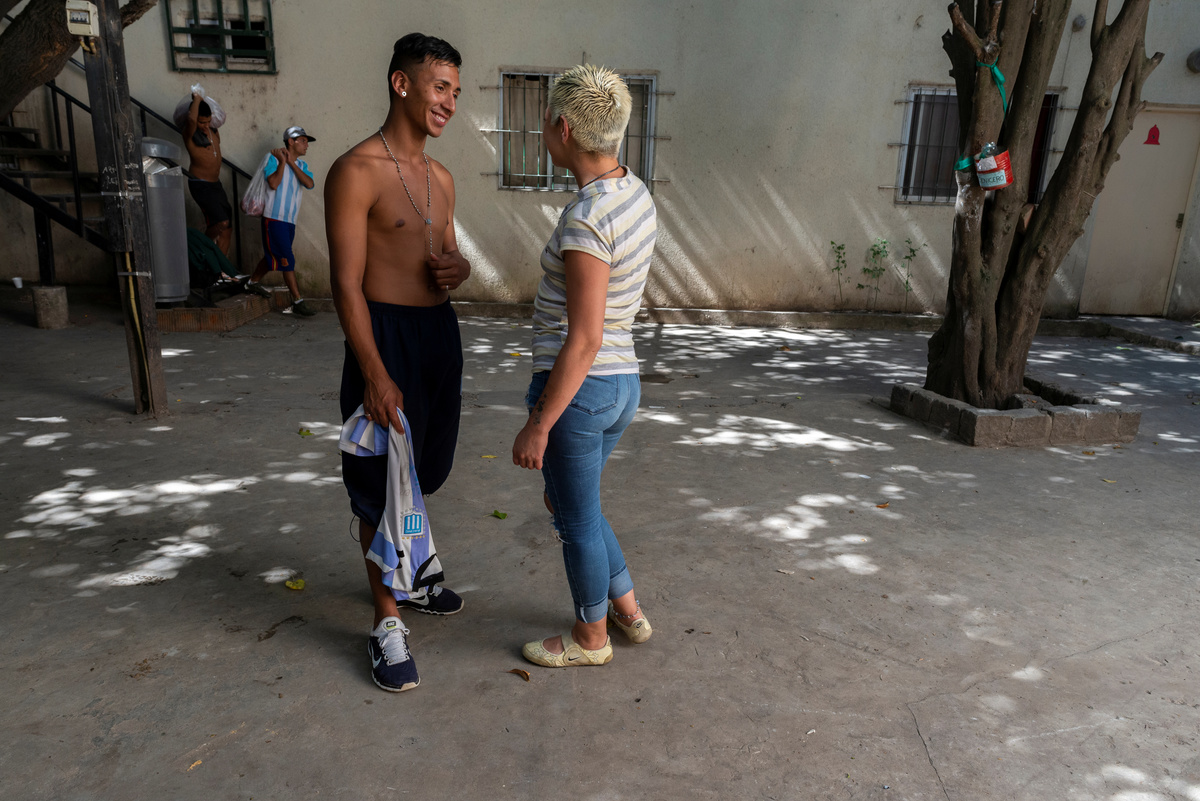
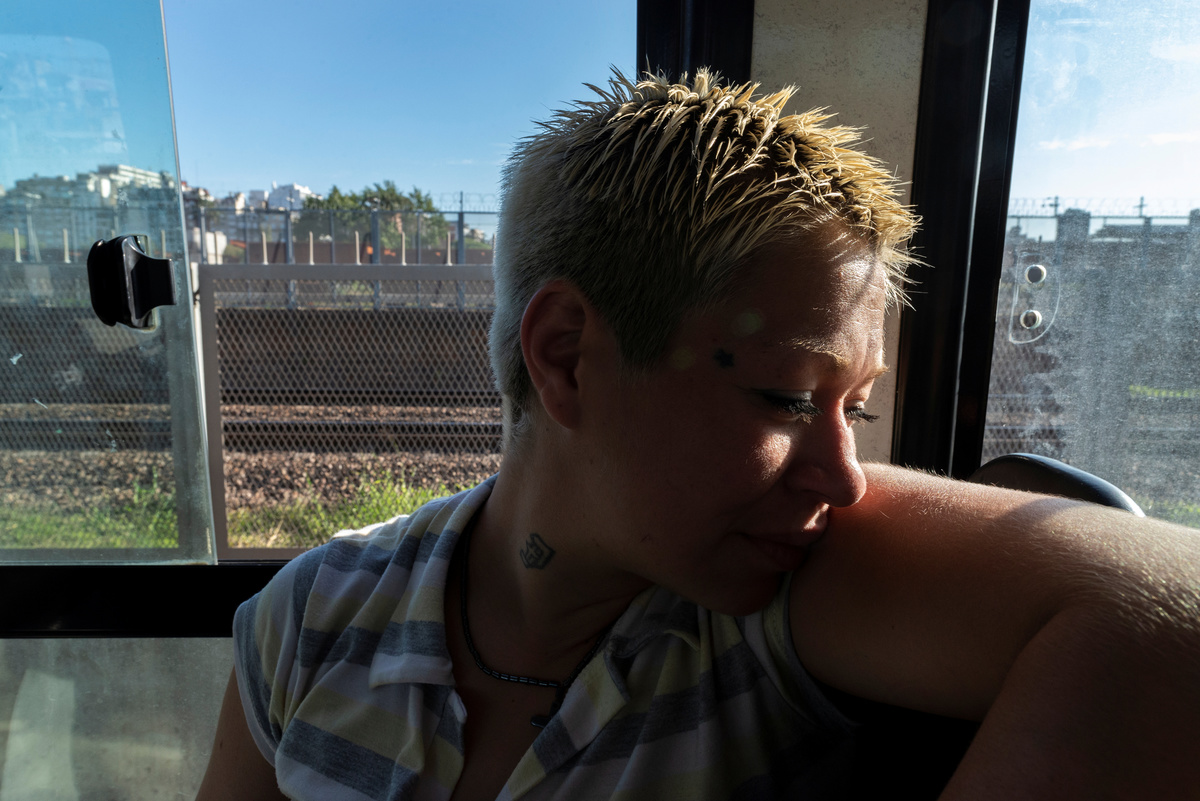
Johanna, 26, who has tuberculosis, gets ready to go out with friends in Buenos Aires, Argentina, March 29, 2019. REUTERS/Magali Druscovich
Luli lives in a flat with one bedroom, a kitchen and no bathroom together with her son and partner. The three sleep in one room. "We are constantly moving from one house to another because of the high price of the rent," she said.
Daniel, 40, who lives in the same area, is also being treated for HIV, which made him more vulnerable to tuberculosis. He is largely immobilized with an injury to his hip as well as scarring on his lungs.
Brigida Simaniz finished her TB treatment in May. She lives with her two children in the shantytown of Bajo Flores in Buenos Aires, all three sharing a single bed. She feared passing the infection to her kids.
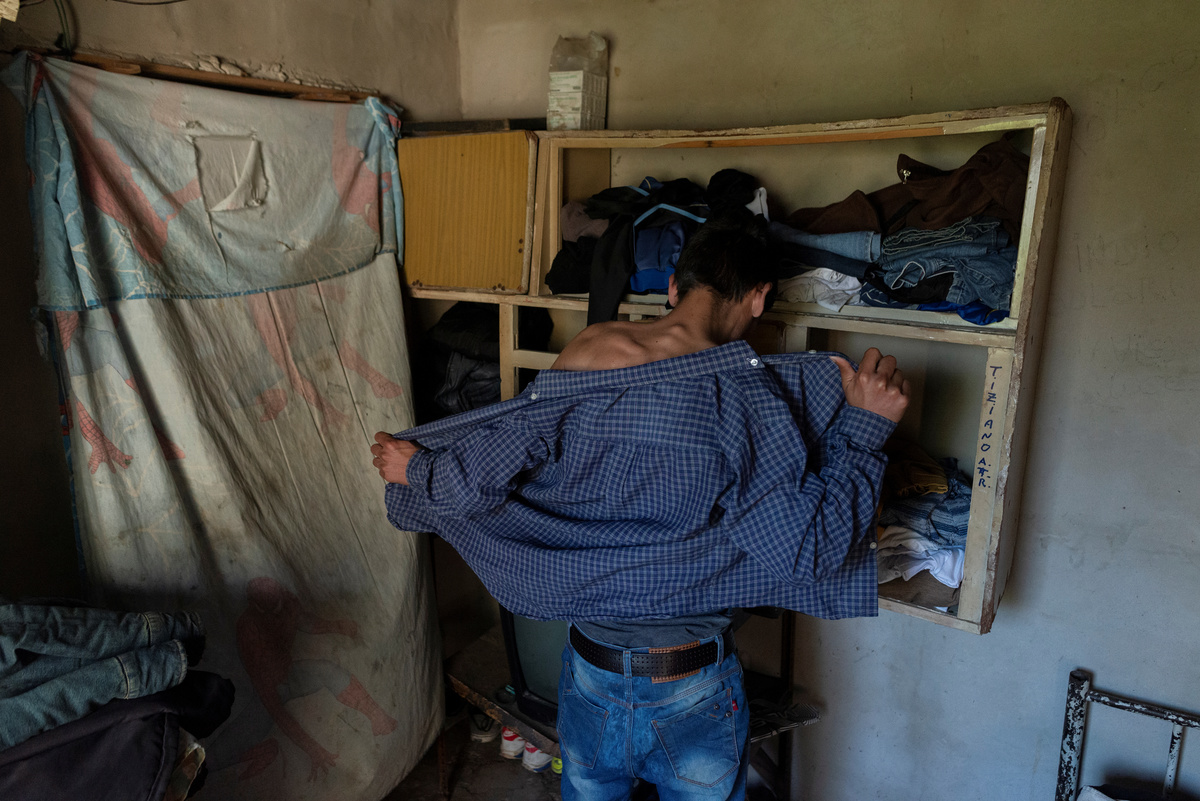
Cristian Molina, 26, prepares to go to church in Buenos Aires, Argentina, August 17, 2019. Molina contracted tuberculosis earlier this year. He lives in the shantytown of Lujan and shares living spaces with his parents, six siblings and four nephews. Doctors think one brother contracted the disease in prison before spreading it around the family when he returned home. REUTERS/Magali Druscovich .
"I was scared when they told me the diagnosis because I did not know it existed. I always followed the treatment as the doctors said for fear of infecting my children," said Simaniz, who works in a textile workshop earning 70 pesos ($1.19) an hour.
"Even though it was cold at night," she said, "I opened the windows of the room to circulate the air."
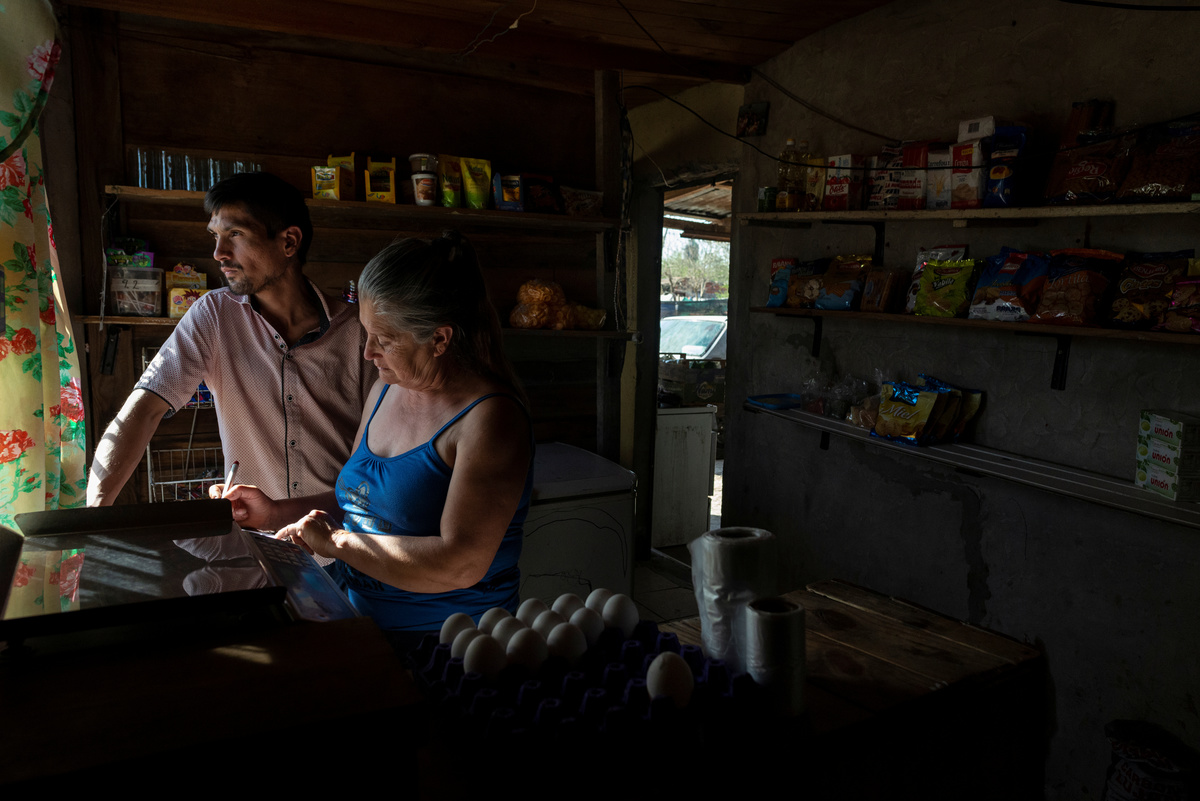
Cristian Molina, 26, stands in the grocery store that he and his family own, which is part of the house that they live in, in the shantytown of Lujan, in Buenos Aries, Argentina September 26, 2019. In the last two years, Molina's family have had to close the shop six times due to not being able to afford merchandise to stock the shop. Molina contracted tuberculosis earlier this year. He shares living spaces with his parents, six siblings and four nephews. Doctors think one brother contracted the disease in prison before spreading it around the family when he returned home. REUTERS/Magali Druscovich
Photo essay here https://reut.rs/2PeoKWG
(Reporting by Magali Druscovich; Writing by Adam Jourdan; Editing by Leslie Adler)
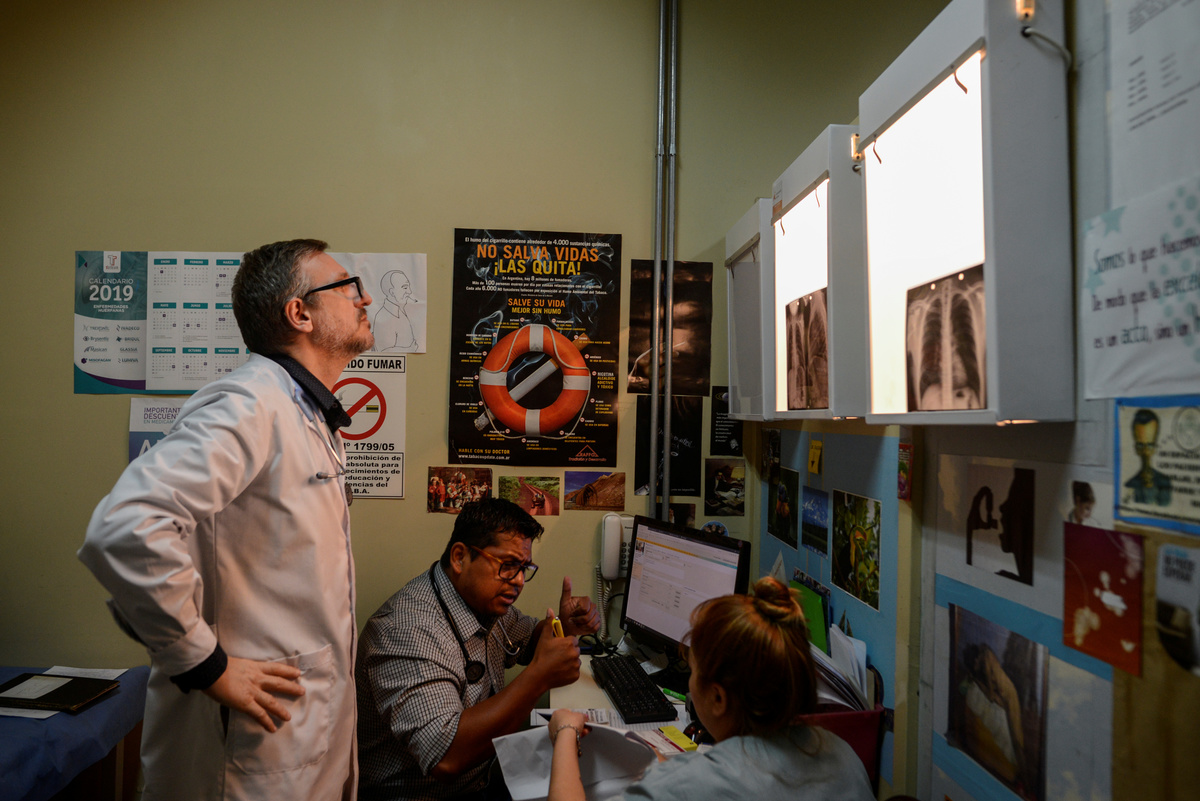
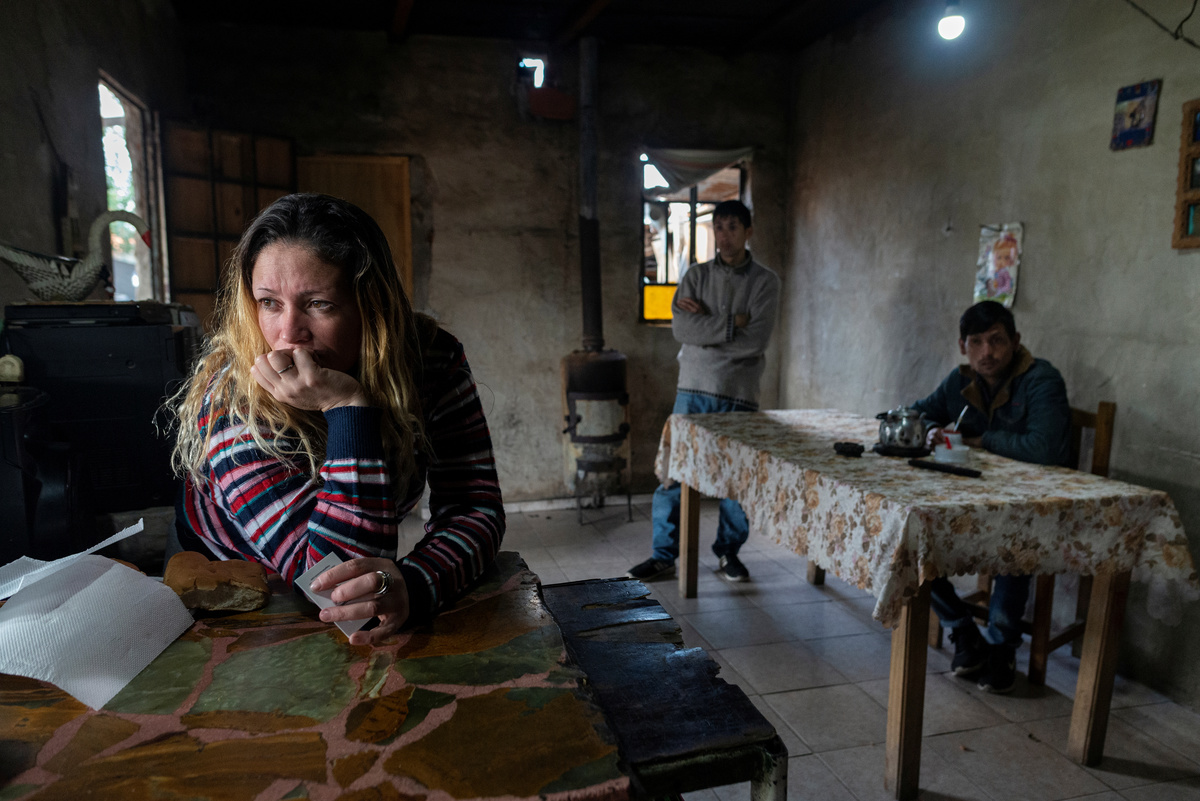
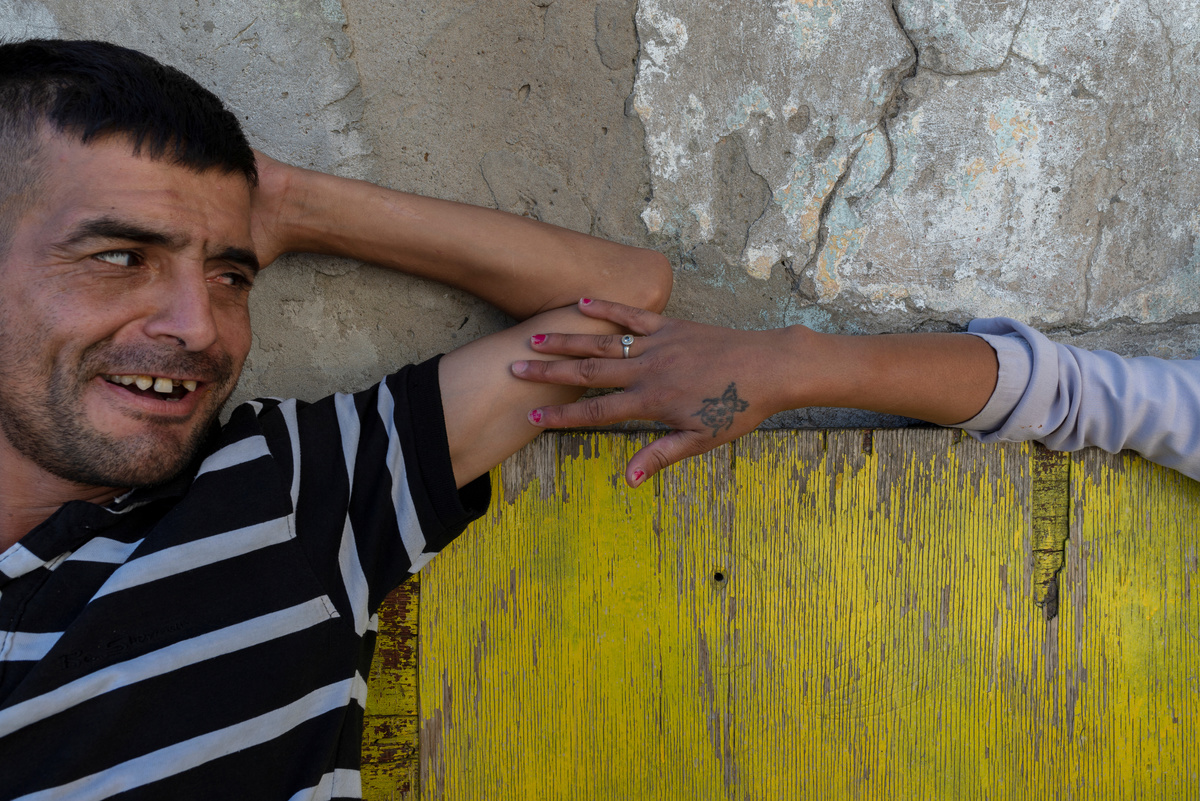
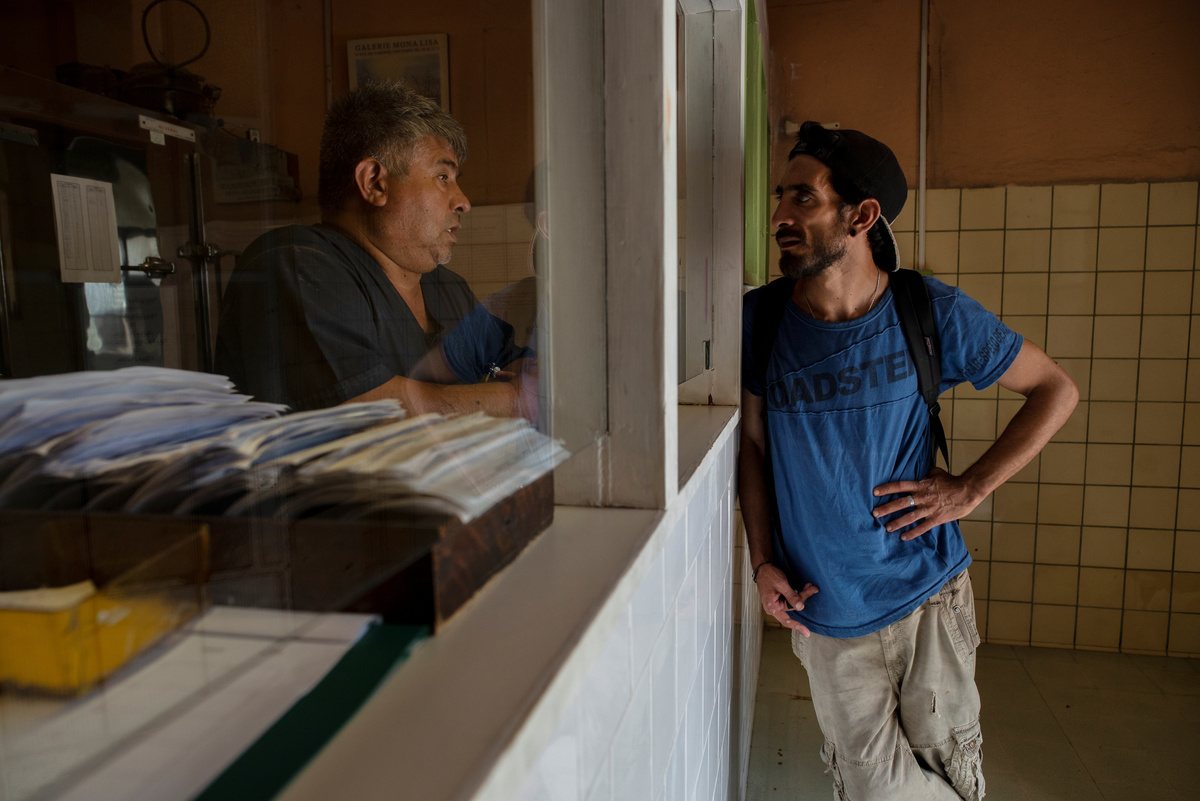
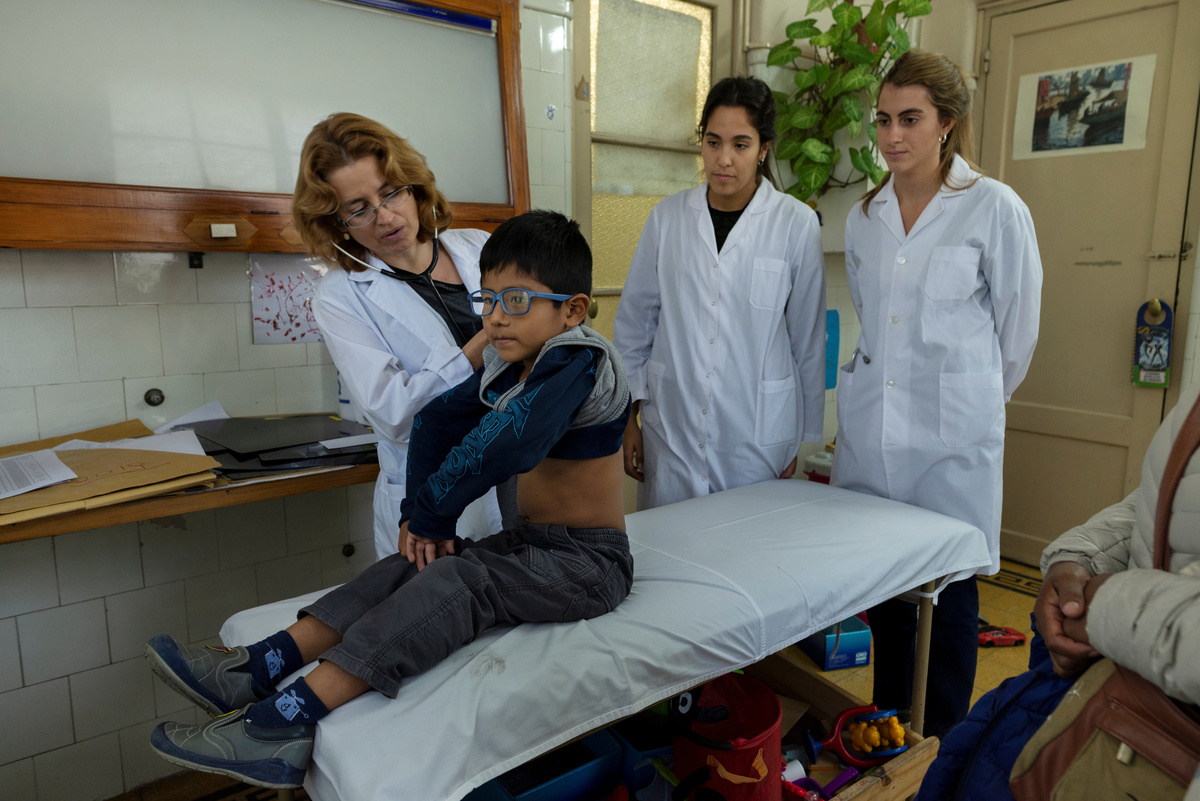
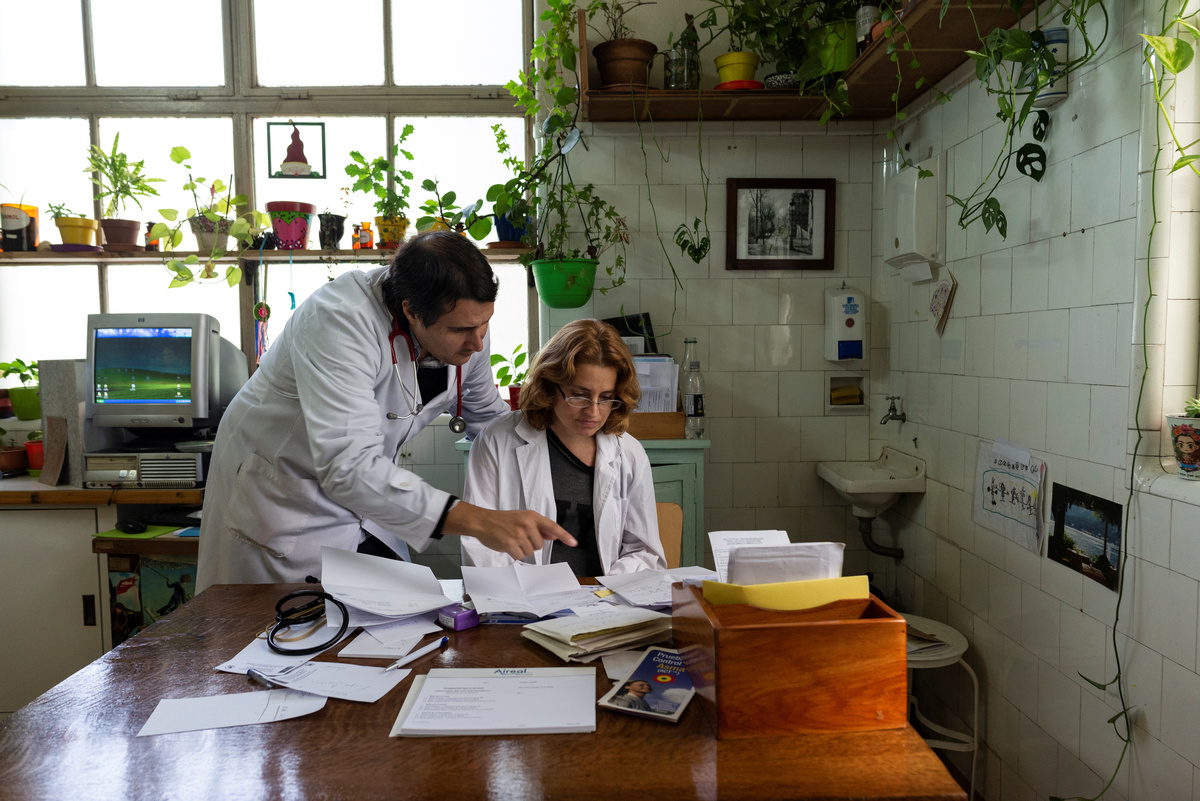
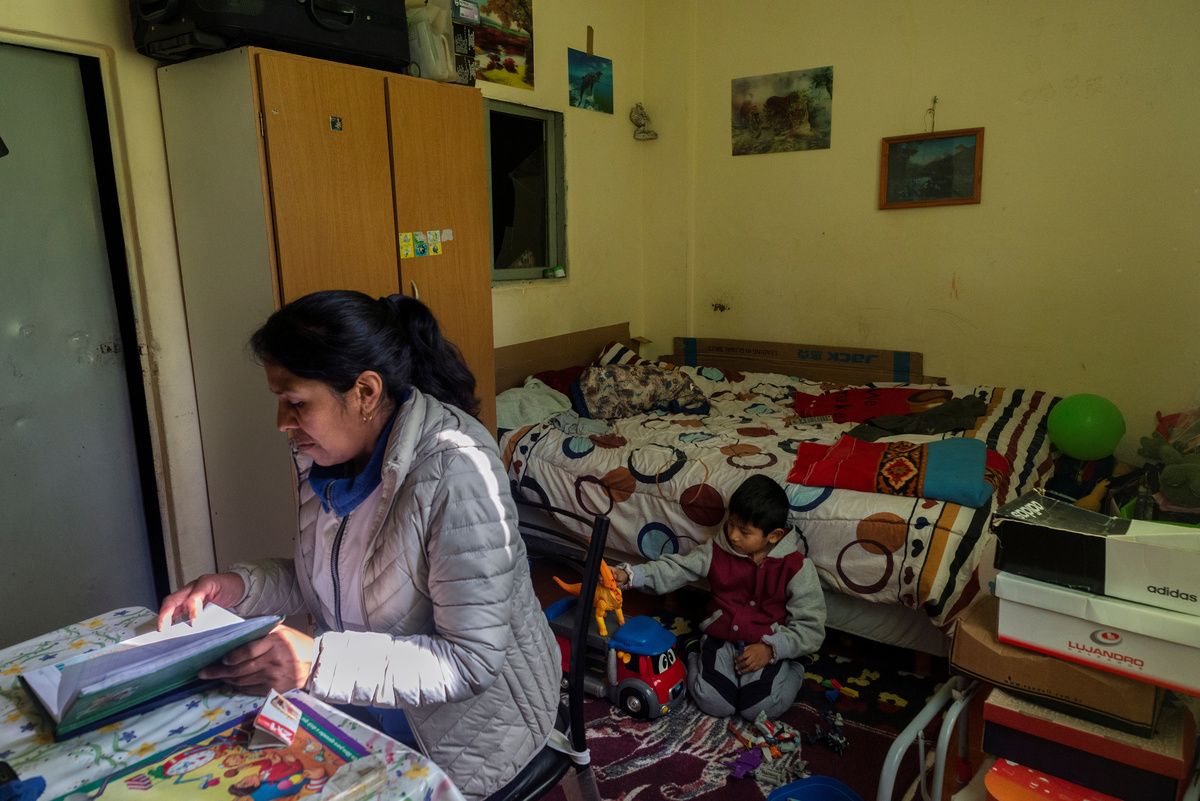
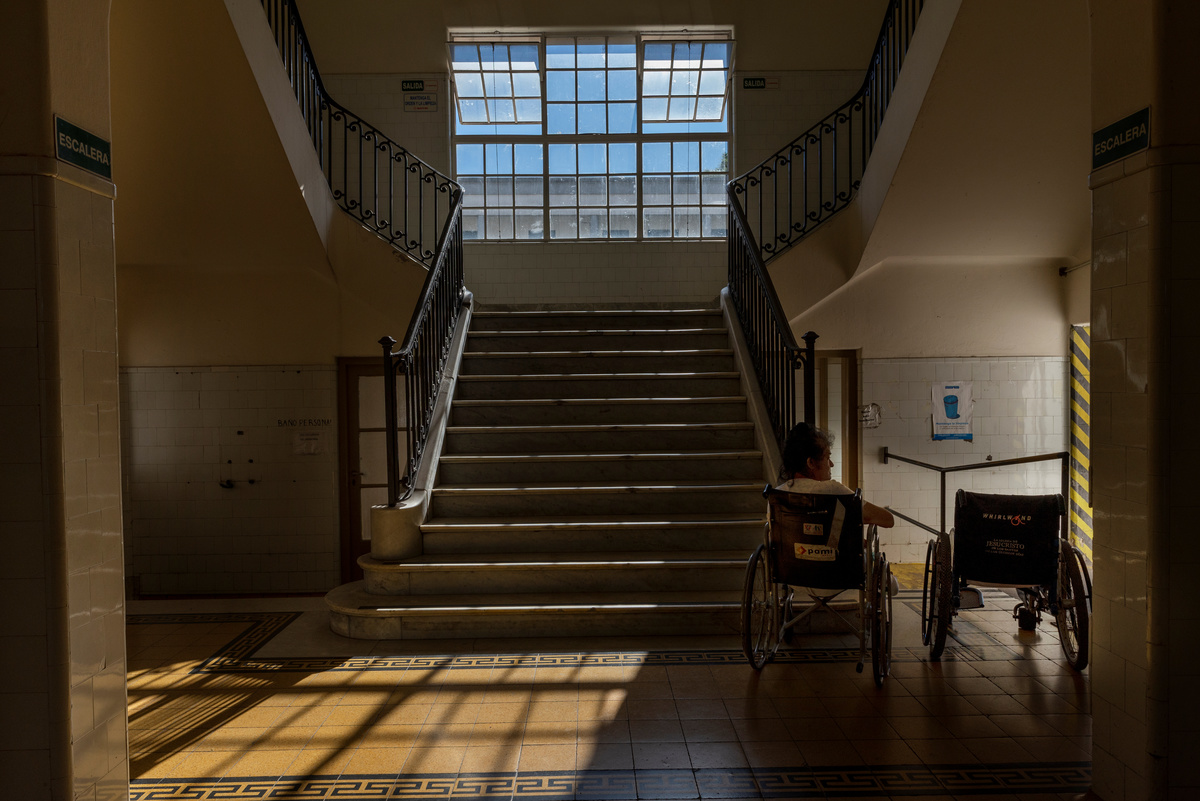
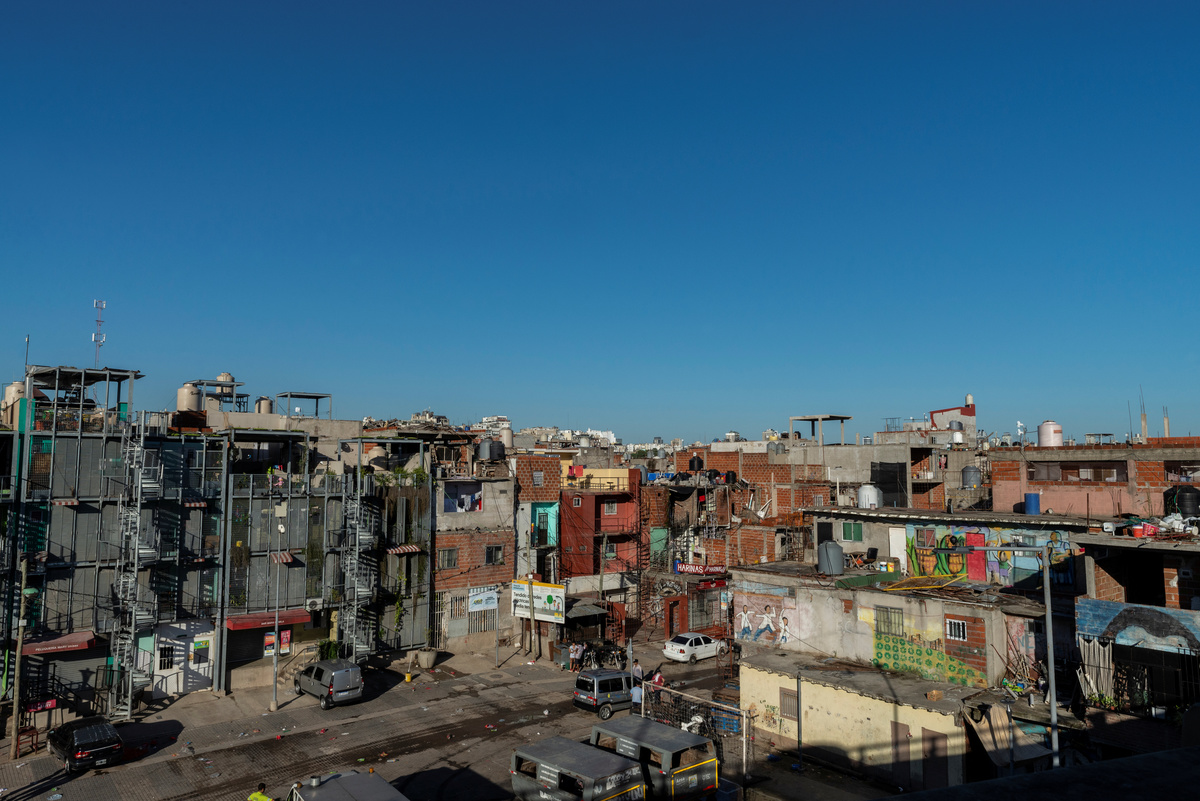
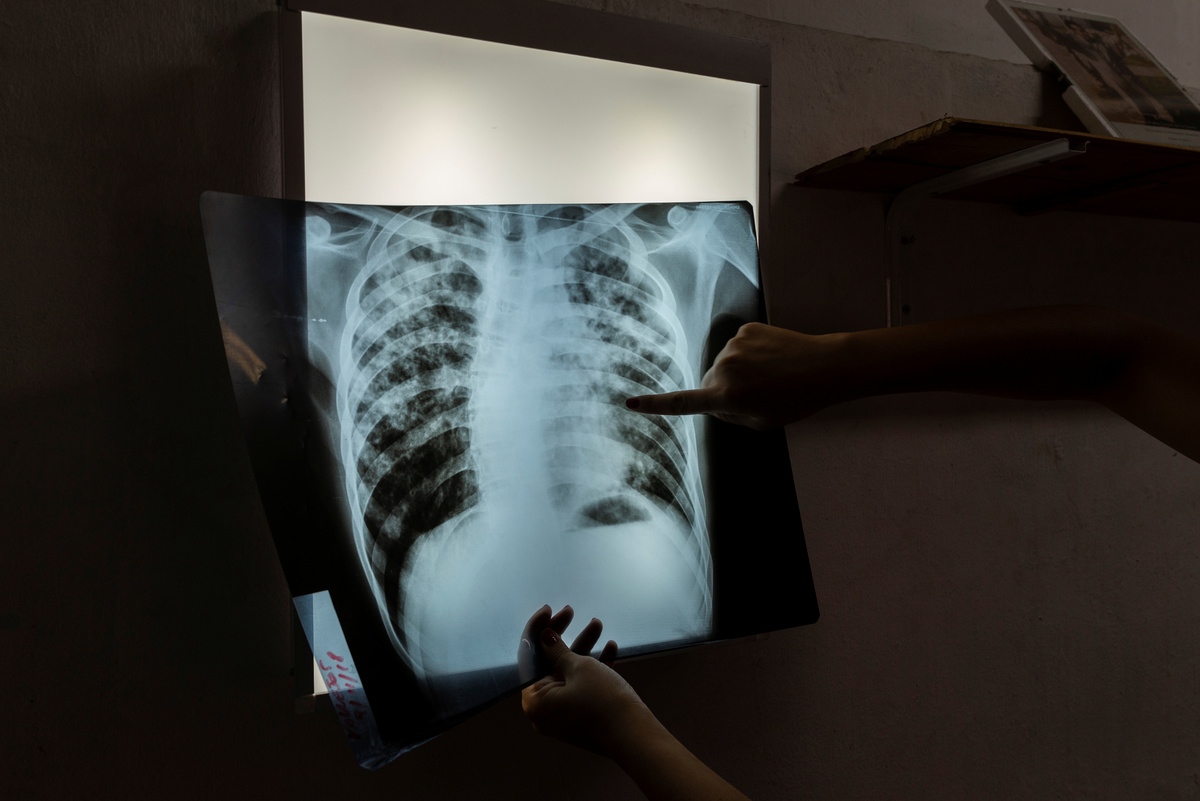
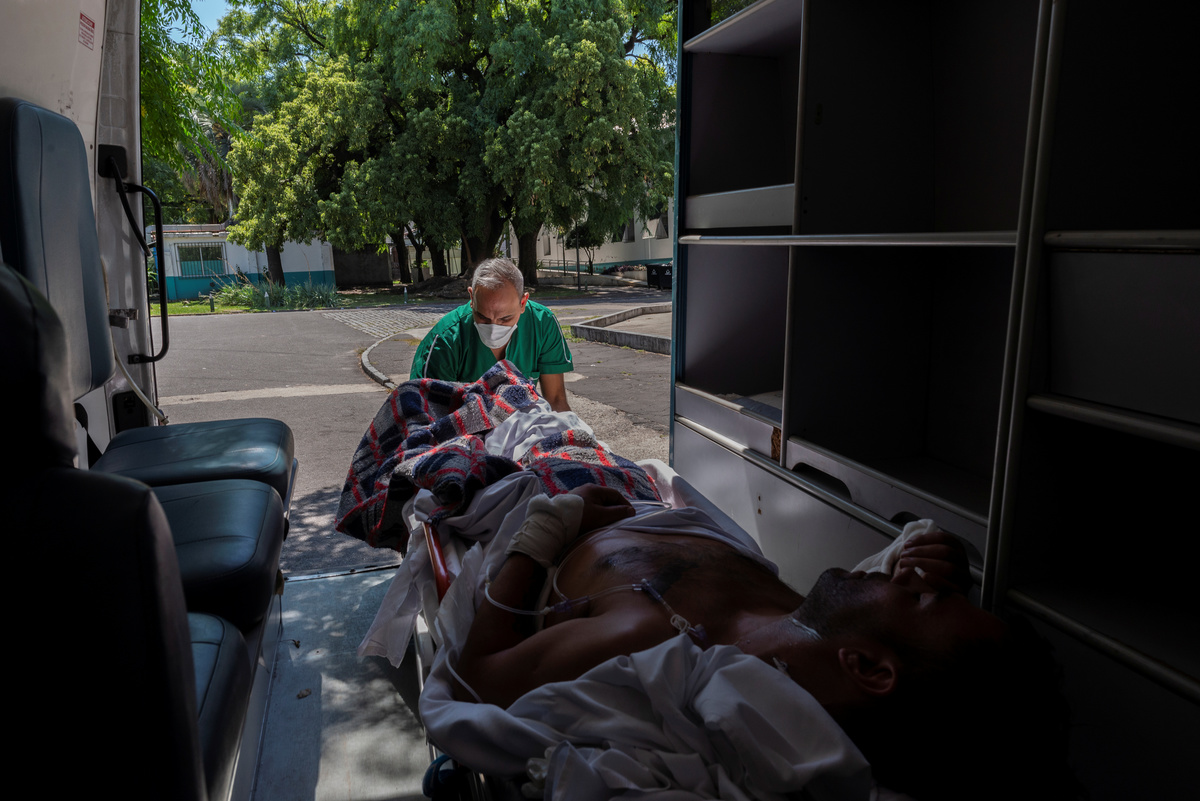
Dr. Fernando Saldarini, who is head of the Pulmonology Department, reviews the x-ray's of a five-year-old patient who is suspected to be suffering from tuberculosis at the Santojanni Public Hospital, in Buenos Aires, Argentina, August 29, 2019. Cases of the "white death" illness, closely linked to poverty, malnutrition and poor housing, have been on the rise since the turn of the decade as Latin America's third largest economy has grappled with repeat recessions and inflation. REUTERS/Magali DruscovichCristian Molina (R), 26, drinks a cup of mate with his siblings Xoana (L) and Manuel in the shantytown of Lujan, in Buenos Aires, Argentina August 17, 2019. Molina contracted tuberculosis earlier this year. He shares living spaces with his parents, six siblings and four nephews. Doctors think one brother contracted the disease in prison before spreading it around the family when he returned home. REUTERS/Magali DruscovichTuberculosis medication belonging to Cristian Molina is laid out in Buenos Aires, Argentina, September 26, 2019. Molina is prescribed to take 11 tablets per day, seven in the morning and four in the afternoon, which often give him a stomachache. He contracted tuberculosis earlier this year. Molina lives in the shantytown of Lujan and shares living spaces with his parents, six siblings and four nephews. Doctors think one brother contracted the disease in prison before spreading it around the family when he returned home. REUTERS/Magali Druscovich REUTERS/Magali DruscovichLucas, 24, a former tuberculosis patient, talks to a colleague during his lunch break at Masantonio Organization in Buenos Aires, Argentina, January 11, 2019. Lucas works for the Masantonio Organization where he visits tuberculosis patients with no family, helping them with their TB treatment and recovery. REUTERS/Magali DruscovichNora Costa (L), the director of Dr. Abel Cetrangolo Mycobacteria Laboratory, and her collage Liliana Neira conduct tuberculosis lab tests at the laboratory in Buenos Aires, Argentina, March 29, 2019. Cases of the "white death" illness, closely linked to poverty, malnutrition and poor housing, have been on the rise since the turn of the decade as Latin America's third largest economy has grappled with repeat recessions and inflation.REUTERS/Magali DruscovichJonathan, 28, a former tuberculosis patient, waits for laboratory results at the Muniz public hospital, in Buenos Aires, Argentina January 30, 2019. REUTERS/Magali DruscovichArturo Maldonado, 25, who is from Peru, is treated for tuberculosis at the Muniz public hospital in Buenos Aires, Argentina January 11, 2019. REUTERS/Magali DruscovichBrigida Simaniz (not pictured) watches over her son Nicholas, 7, as he is examined by Dr Laura Lagrutta, a pulmonologist specialising in children with tuberculosis, at Dr. Raul Vaccarezza Institute in Buenos Aires, Argentina March 26, 2019. Brigida Simaniz finished her TB treatment earlier this year in May. She works in a textile workshop on 70 pesos ($1.19) an hour and lives with her two children in the shantytown of Bajo Flores, all three sharing the same bed. Her fear was passing the infection to her kids. "I was scared when they told me the diagnosis because I did not know it existed. I always followed the treatment as the doctors said for fear of infecting my children," said Simaniz. "Even though it was cold at night, I opened the windows of the room to circulate the air." REUTERS/Magali DruscovichDr. Laura Lagrutta (R) and Dr. Nicolas Castiglioni, both pulmonologists, who specialise in children with tuberculosis, talk inside Lagrutta's consultation room at Dr. Raul Vaccarezza Institute in Buenos Aires, Argentina March 26, 2019. "Tuberculosis is the collateral damage of poverty," said Lagrutta. REUTERS/Magali DruscovichBrigida Simaniz checks the homework of her son Nicolas, 7, in her apartment in the shantytown of Bajo Flores in Buenos Aires, Argentina August 19, 2019. Brigida Simaniz finished her TB treatment earlier this year in May. She works in a textile workshop on 70 pesos ($1.19) an hour and lives with her two children, all three sharing the same bed. Her fear was passing the infection to her kids. "I was scared when they told me the diagnosis because I did not know it existed. I always followed the treatment as the doctors said for fear of infecting my children," said Simaniz. "Even though it was cold at night, I opened the windows of the room to circulate the air." Cases of the "white death" illness, closely linked to poverty, malnutrition and poor housing, have been on the rise since the turn of the decade as Latin America's third largest economy has grappled with repeat recessions and inflation. REUTERS/Magali DruscovichJohanna, 27, plays with her daughter Mora, 10, in Buenos Aires, Argentina, September 9, 2019. After eight months of treatment, Johanna had been cured of tuberculosis and was searching for a job in the hopes that she could find a place to live with her daughter. REUTERS/Magali DruscovichLucas, 24, a former tuberculosis patient, talks to a colleague during his lunch break at Masantonio Organization in Buenos Aires, Argentina, January 11, 2019. Lucas works for the Masantonio Organization where he visits tuberculosis patients with no family, helping them with their TB treatment and recovery. REUTERS/Magali DruscovichLucas (C), 24, a former tuberculosis patient, visits patients Jorge (L), 40, and Arturo Maldonado, 25, who have both been hospitalised for tuberculosis in Muniz public hospital in Buenos Aires, Argentina, January 25, 2019. Lucas works for the Masantonio Organization where he visits tuberculosis patients with no family, helping them with their TB treatment and recovery. REUTERS/Magali DruscovichA child plays in the swimming pool of shantytown Zavaleta, a settlement in Buenos Aires, Argentina, January 26, 2019. REUTERS/Magali DruscovichA meal consisting of bread and sugar is laid out on the table at Cristian Molina's family home in the shantytown of Lujan, Buenos Aires, Argentina, August 17, 2019. Molina contracted tuberculosis earlier this year. He shares living spaces with his parents, six siblings and four nephews. Doctors think one brother contracted the disease in prison before spreading it around the family when he returned home. REUTERS/Magali DruscovichLuli, 19, plays with her son at her home in Villa 31, a populous and marginalised shantytown neighbourhood in Buenos Aires, Argentina, March 29, 2019. Luli has gone through a year of treatment since contracting the disease while she was pregnant. She says her now months-old baby luckily did not get infected. Luli lives in a flat with one bedroom, a kitchen and no bathroom together with her son and partner. The three sleep in one room. "We are constantly moving fromone house to another because of the high price of the rent," she said. REUTERS/Magali DruscovichA patient gets some fresh air in the hallway of Koch Pavilion, a hospital unit that is exclusively used by tuberculosis patients at the Muniz public hospital, in Buenos Aires, Argentina February 5, 2019. Patricia Figueroa, a social worker at the Muniz public hospital, said the facility was struggling with overcrowding as it faced a growing number of TB patients, which she described as "a record in recent history". REUTERS/Magali DruscovichJohanna, 26, who has tuberculosis, talks with a friend in Villa 31, a populous and marginalised shantytown neighbourhood in Buenos Aires, Argentina, March 1, 2019. Cases of the "white death" illness, closely linked to poverty, malnutrition and poor housing, have been on the rise since the turn of the decade as Latin America's third largest economy has grappled with repeat recessions and inflation. REUTERS/Magali DruscovichA view of Villa 31, a populous and marginalised shantytown neighbourhood in Buenos Aires, Argentina, March 5, 2019. Cases of the "white death" illness, closely linked to poverty, malnutrition and poor housing, have been on the rise since the turn of the decade as Latin America's third largest economy has grappled with repeat recessions and inflation. REUTERS/Magali Druscovich Mariela, an infectious disease specialist intern, analyses an X-ray of 24-year-old patient Jorge, who is currently undergoing treatment for tuberculosis, in Buenos Aires, Argentina, January 29, 2019. Cases of the "white death" illness, closely linked to poverty, malnutrition and poor housing, have been on the rise since the turn of the decade as Latin America's third largest economy has grappled with repeat recessions and inflation. REUTERS/Magali DruscovichOscar moves a patient back to his hospital room at Muniz public hospital in Buenos Aires, Argentina, February 27, 2019. Oscar has been working as an orderly for more than 20 years where his job is to transport patients around the hospital. REUTERS/Magali DruscovichJohanna, 26, who has tuberculosis, travels on a train to visit her daughter in Buenos Aires, Argentina, March 1, 2019. REUTERS/Magali Druscovich
Sign up to read this article
Read news from 100’s of titles, curated specifically for you.