The next tri-weekly review of the UK’s traffic light system for travel is fast approaching.
An update is expected on or around 25 August, with the potential for more countries to be added to the government’s red list of “unsafe” holiday destinations.
A total of 60 countries and territories are rated red at present. But which destinations are most at risk of being downgraded from amber to red this time around? Here’s what we know so far.
Which countries are on the red list right now?
There are currently 60 territories on the red list. Arrivals from these countries still need to quarantine in a ‘managed quarantine hotel’ at their own expense - £2,285 per solo traveller - where they will also take a package of two PCR tests on days two and eight of self-isolation.
This is on top of completing a Passenger Locator Form and taking a pre-departure test before travel to the UK.
Anyone who fails to arrange and stick to the hotel quarantine and testing procedure could be fined up to £10,000, or imprisoned for up to 10 years.
During the last update, announced on 4 August and implemented on 8 August, four countries and territories moved from the amber to the red list: Georgia, Mexico, Mayotte and Reunion (the latter two are overseas ‘departments’ of France, in the Indian Ocean).
Five destinations were also removed from the red list, becoming amber - India, the UAE, Qatar, Bahrain and France.
Red list in full
- Afghanistan
- Angola
- Argentina
- Bangladesh
- Bolivia
- Botswana
- Brazil
- Burundi
- Cape Verde
- Chile
- Colombia
- Congo (Democratic Republic)
- Costa Rica
- Cuba
- Dominican Republic
- Ecuador
- Egypt
- Eritrea
- Eswatini
- Ethiopia
- French Guiana
- Georgia
- Guyana
- Haiti
- Indonesia
- Kenya
- Lesotho
- Malawi
- Maldives
- Mayotte
- Mexico
- Mongolia
- Mozambique
- Myanmar
- Namibia
- Nepal
- Oman
- Pakistan
- Panama
- Paraguay
- Peru
- Philippines
- Réunion
- Rwanda
- Seychelles
- Sierra Leone
- Somalia
- South Africa
- Sri Lanka
- Sudan
- Suriname
- Tanzania
- Trinidad and Tobago
- Tunisia
- Turkey
- Uganda
- Uruguay
- Venezuela
- Zambia
- Zimbabwe
When will the red list be updated?
The lists are being updated “every three weeks”. That timeframe indicates that the next list review will be on or around Wednesday 25 August, with changes coming into effect within a week after that date.
Amends to the lists will be informed by public health advice, including the Joint Biosecurity Centre’s assessment of the latest data.
“These regular review points will allow the government to balance helping the public to understand Covid requirements when travelling to England while allowing us to constantly evaluate the risk for different countries,” according to the Department for Transport (DfT).
Which countries might be added to the red list?
Anything can happen on traffic-light day – no forecaster has so far been anywhere near completely accurate when making predictions on this score.
But some analysts and experts have made their best guesses based on current infection rates.
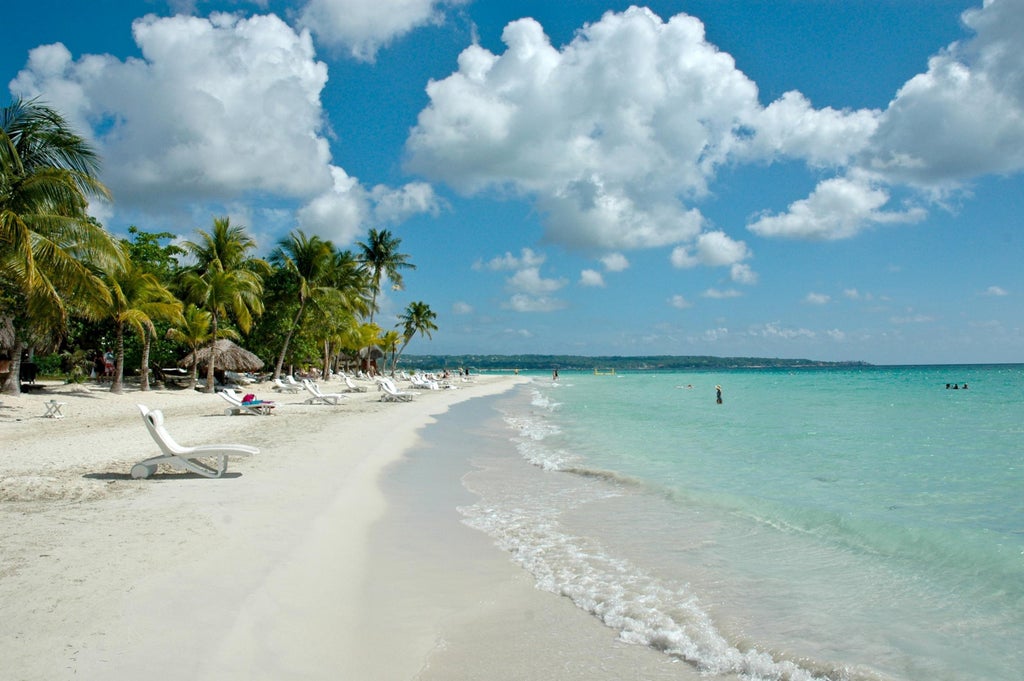
Three Caribbean islands - Jamaica, St Lucia and Dominica - are at risk of joining the red list, according to analysis by the PC Agency.
Morocco could also slide into the high-risk red category according to the assessment, published on 22 August.
However, The Independent’s own travel correspondent, Simon Calder, believes it is “extremely unlikely” that Jamaica will be shunted onto the red list at the upcoming review.
“I think it extremely unlikely that Jamaica will go red at the next change, requiring everyone arriving to the UK from the island to go into 11 nights of hotel quarantine,” he said.
“While infection rates on the island have risen six-fold in the past month, they remain well below half of those in the UK. Variants of concern do not appear to be a significant issue.”
In daily Twitter threads between 19 and 24 August, Covid data analyst Tim White tweeted a breakdown of the current case and infection figures from nations around the world, making several predictions.
He agrees that Jamaica is at risk of moving to the red list, also flagging Montenegro as a country that may go from amber to red.
“It’s really difficult to make a case for Jamaica avoiding [red] now,” White tweeted on 23 August.
Both Charles and White have predicted that, despite rising cases, Spain will not join the red list this week.
White suggested that there will be no movement of EU countries - mentioning Spain, Portugal, Greece and Cyprus - from amber to red.
“To my mind no EU destination is in danger,” he said. “There are no data to support putting any on the red list.”
“Much of Europe won’t change because the government would create utter chaos at our borders during the bank holiday weekend and week if they chose to turn some of the most popular countries red, such as Balearics or Spain, and force so many people into hotel quarantine,” said Paul Charles.
Which countries might be removed from the red list?
In terms of countries being upgraded from red to amber, Tim White identified Egypt, Pakistan and Turkey as possible candidates for removal from the red list, calling their data ‘borderline’.
He also flagged the Dominican Republic and the Maldives - both currently red-listed - as amber list hopefuls.
“Dominican Republic and Maldives both have infection rates massively down from when they were put on the proverbial ‘naughty step’ and deserve amber status. Especially the Maldives where virtually all restaurants and bars are open air in resorts and there’s little threat,” said White.
Turkey’s embassy has made its own case for being upgraded from red to amber this week, telling Sky News that it “expects” to be removed from the red list in the next review.
What about holidaymakers who are fully vaccinated?
The red list restrictions will not be affected by a person’s vaccination status. Both vaccinated and unvaccinated travellers must still follow the red list rules outlined above, including an 11-night hotel quarantine at their own expense.