National Geographic has once again teamed up with actor and rapper Will Smith for another adventure-packed series, this time to embark on seven thrilling expeditions in some of Earth’s most hostile environments.
The seven-part series Pole to Pole tracks Smith’s journey from one axis point to another, travelling across several continents and traversing through all types of environments.
From the bone-chilling icefields of Antarctica to the arid deserts of Africa, the new series showcases some of the most extreme forms of travelling and exploration, on expeditions that are usually undertaken by those with extensive training and knowledge.
Inspired by his late mentor, Harvard professor and explorer Dr Allen Counter, Smith plunges himself into 100 days of travel under the expert guidance of scientists, explorers and local experts to try and find the answers to some of life’s big questions.
“This journey was unlike anything I’ve ever done — at times I feared I might not make it home! It’s an exploration not just of the planet’s edges, but of some of the most extraordinary people living there,” said Smith. “From the coldest ice to the deepest jungles, the beauty of our world inspired my every step with awe and hope.”
In pursuit of Earth’s “deepest secrets”, here is every place Smith ventured in his latest exploration of our planet.
The South Pole

Smith starts his journey on the Antarctic continent, where he meets with one of the world’s most famous polar athletes, Richard Parks. A former Welsh rugby player turned record-breaking endurance athlete, Parks, led the actor on a skiing trek across giant icefields to reach the southernmost point on Earth.
Before reaching the South Pole, he uses skis to cover vast swathes of snow and climbs a giant cliff of ice in cold winds. Along the way, he meets with scientists at one of the planet’s most isolated research stations to discover how they have given up their everyday lives in the pursuit of climate research.
The Amazon
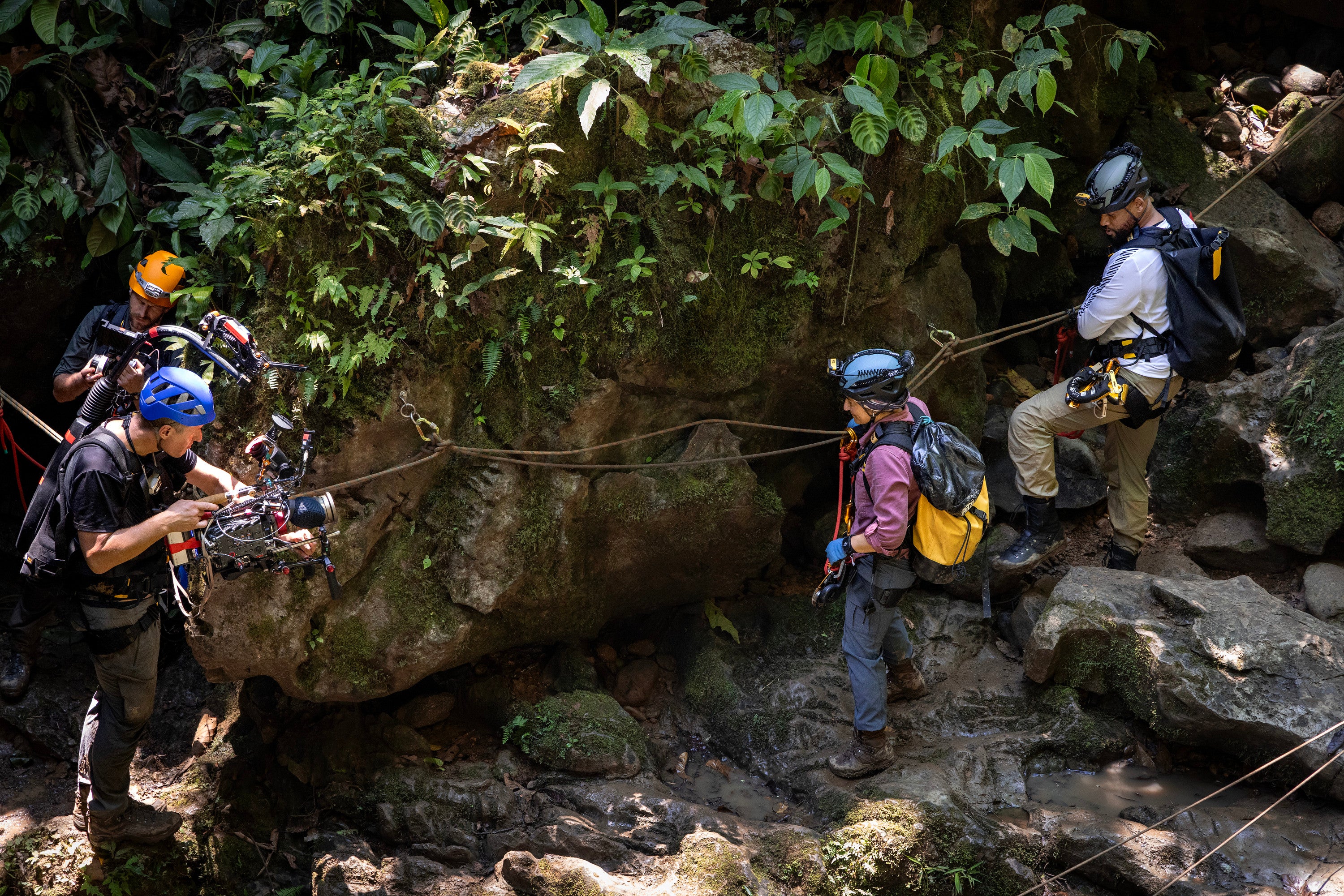
The actor’s next expedition takes him to the continent of South America, where he journeys deep into the Ecuadorian Amazon in search of deadly creatures. Led by professor Byran Fry and local mountaineer Carla Perez, Smith abseils over 200 feet into the La Cueva de los Tayos cave network, known as the “womb of the Earth”, where they discover a giant tarantula.
La Cueva de los Tayos is a limestone cave known for its large underground galleries and cathedral-like caverns and is home to the rare Tayos birds that give the cave their name.
Also known as “El Oriente”, the Ecuadorian Amazon is one of the most biodiverse places on Earth by square metre. It includes the Yasuní National Park, home to unique species and indigenous communities who have varying degrees of contact with the outside world.
In episode three, Smith continues his exploration of the Amazon in Ecuador, where the group finds one of the largest snakes in the world, the giant green anaconda. There are fears that this part of the rainforest is becoming polluted, so the best indicator of the health of an ecosystem is its predators. Smith and people from the Indigenous Waorani nation help extract scales from a 16-foot snake to aid in the research.
Read more: The best places to visit in Ecuador
The Himalayas

Leaving South America, Smith ventures onwards to his next stop on his 100-day journey to try to unlock the secret to happiness. The actor finds himself in Bhutan, a Bhuddist kingdown nestled in the Eastern Himalayas known for its sacred fort monasteries and carbon-negative forest landscape.
It is also recognised for concentrating on wellbeing over wealth, often referred to as the “kingdom of happiness” due to its unique focus on Gross National Happiness rather than GDP.
Smith travels to Laya, one of the highest villages in the Himalayas, sitting at a 13,000 feet and home to the semi-nomadic Layap people, who split their year between higher yak herding camps and the lower village.
As one of the most remote settlements in the world, Laya can only be reached by trekking into the snowcapped mountains, where travellers will find whitewashed stone buildings dotted along a grassy slope.
Read more: Ditch Phuket’s crowds for these beautiful Thailand islands instead
The Pacific Islands
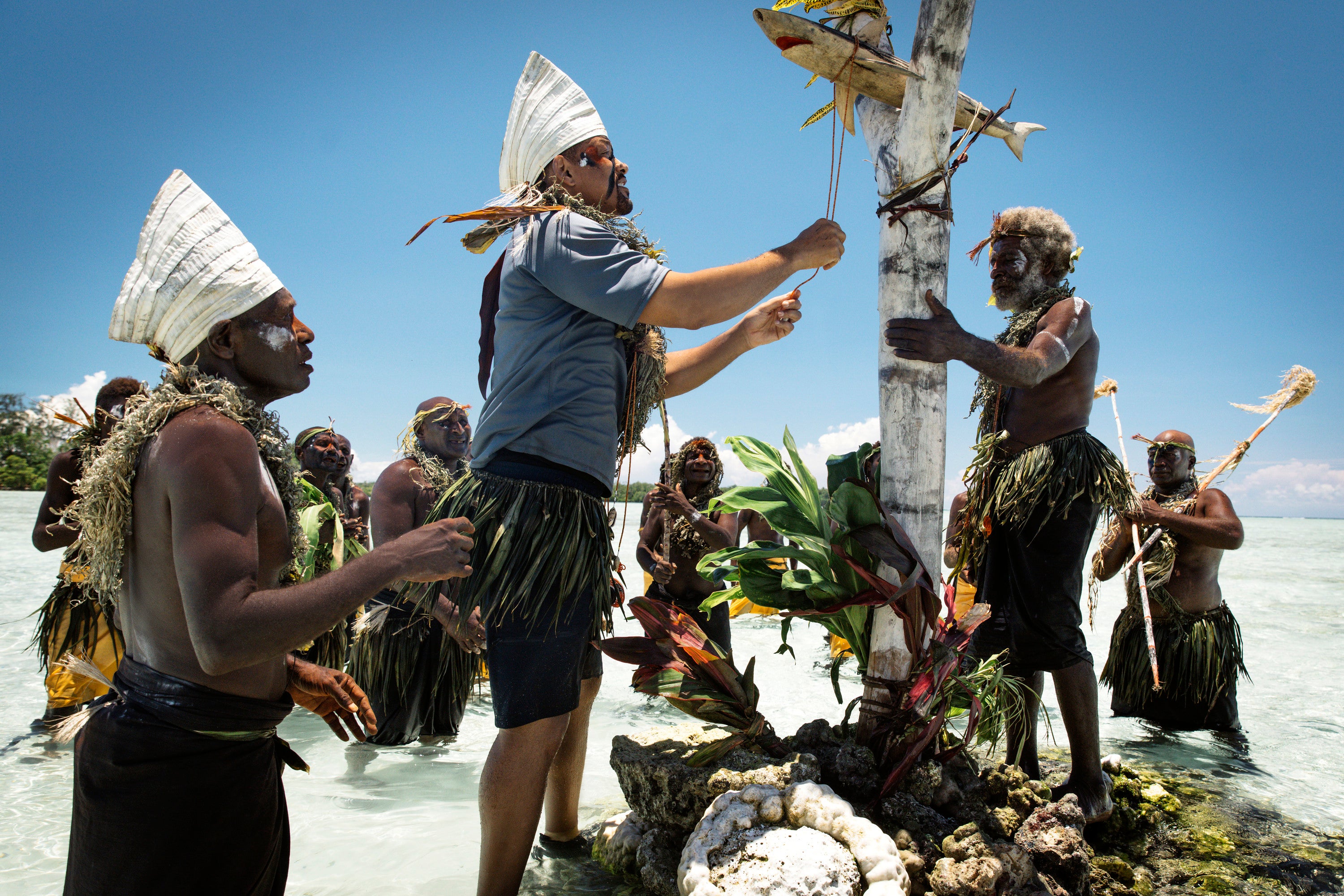
Jetting over to Papua New Guinea next, Smith joins an expedition to the remote island of Tench, which is threatened by rising sea levels.
Low-lying Tench, better known as Enusi Island to locals, sits in isolation in the Pacific, with its closest island neighbour more than a two-hour boat ride away. Despite stretching less than 56 hectares in size, the island is home to thousands of extraordinary seabirds, outnumbering the roughly 100 people living on the island.
Smith speaks to some of the residents about rising tides, which have caused the island to flood and have forced the community to evacuate in the past.
Read more: The tiny paradise island seeking a different type of tourist
The Kalahari Desert
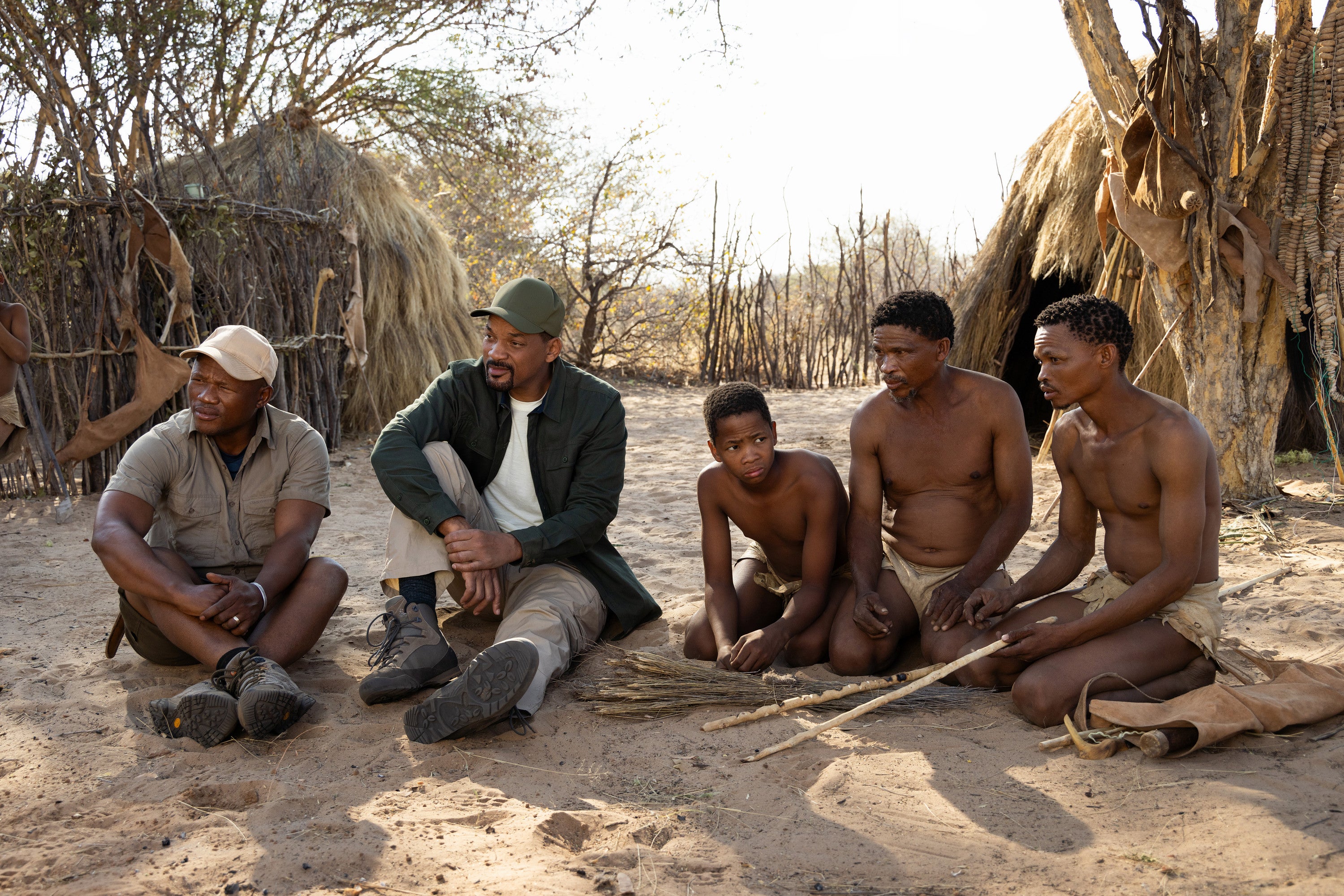
For the penultimate stop before heading to the North Pole, Smith and his crew travel deep into the Kalahari Desert, which covers a large area of Southern Africa.
The semi-arid sandy savannah covers around 90 per cent of Botswana, parts of Namibia and South Africa.
It is characterised by its vast red dunes, unique wildlife such as the black-maned lion and the Indigenous San people, one of the oldest hunter-gatherer groups on Earth.
Here, Smith meets with the San people in the desert to learn how the population were so successful in sustaining their presence in Southern Africa over thousands of years.
Read more: Best hotels in Cape Verde, from eco-lodges up in the mountains to beachfront boutiques
The North Pole
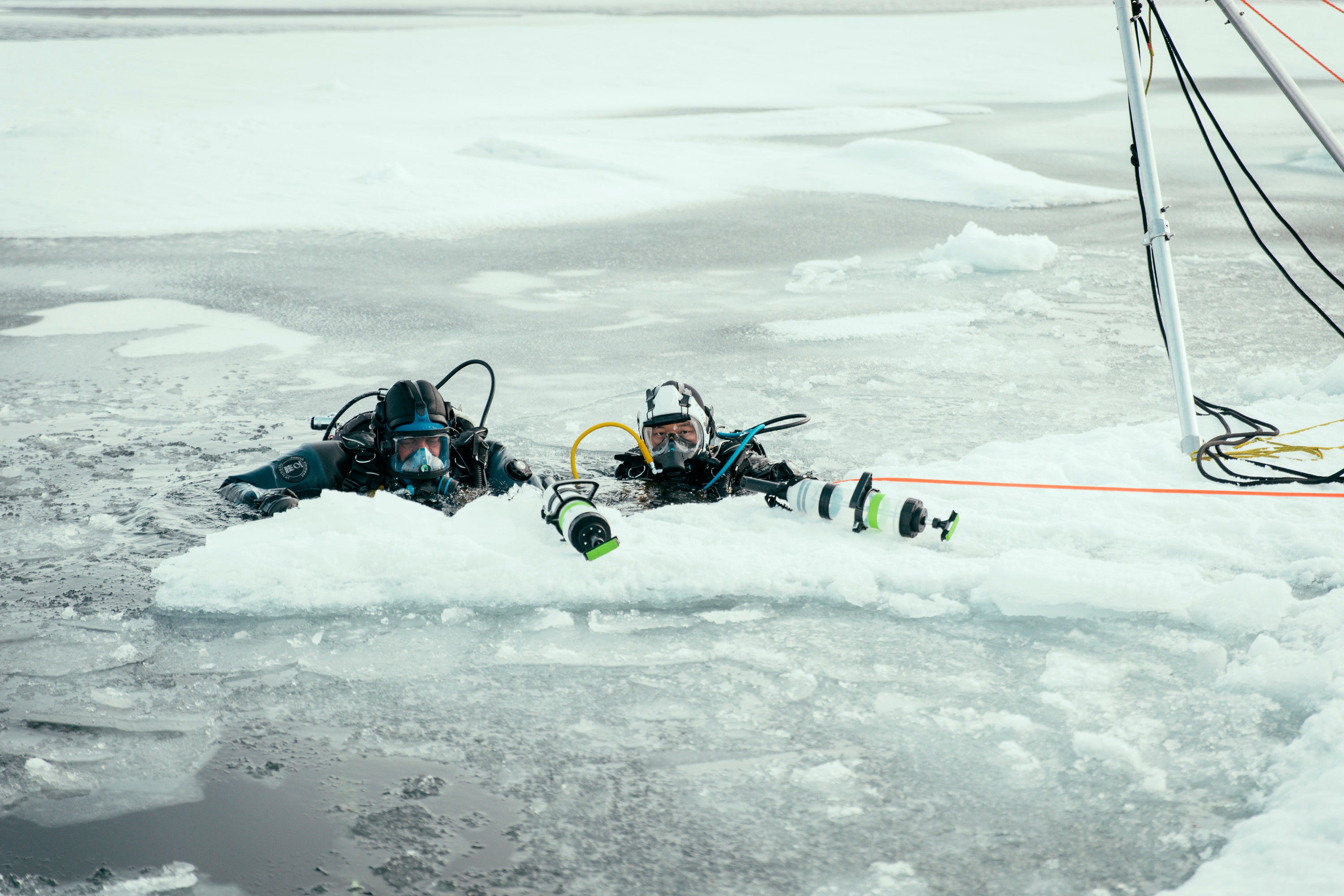
After hopping from continent to continent, Smith’s final leg of his 100-day adventure ends in the North Pole, where he helps polar ecologist Allison Fong capture scientific samples.
After leaving Norway, Smith treks across the frozen Arctic Ocean in search of the geographical North Pole, found at 90 degrees North on the latitude line.
On his most dangerous mission yet, Smith dives under the thick sheet of ice to attempt to find organisms that it may be able remove carbon dioxide from the atmosphere.
Read more: The Arctic adventure so thrilling I forgot to look for the northern lights
Pole to Pole With Will Smith premiered on 14 January and can be streamed on Disney+ in the UK.
Popular European hiking destination has increased its visitor fees
Museum of Romantic Life set to reopen in Paris on Valentine’s Day
Delta flight forced to delay take off after de-icing fluid soaks passenger
Heathrow flight makes unscheduled U-turn after ‘technical issue’
British Airways flight attendant injured in turbulence loses £72,500 compensation bid
I escaped New York’s winter for a near-empty beach in 70F sunshine