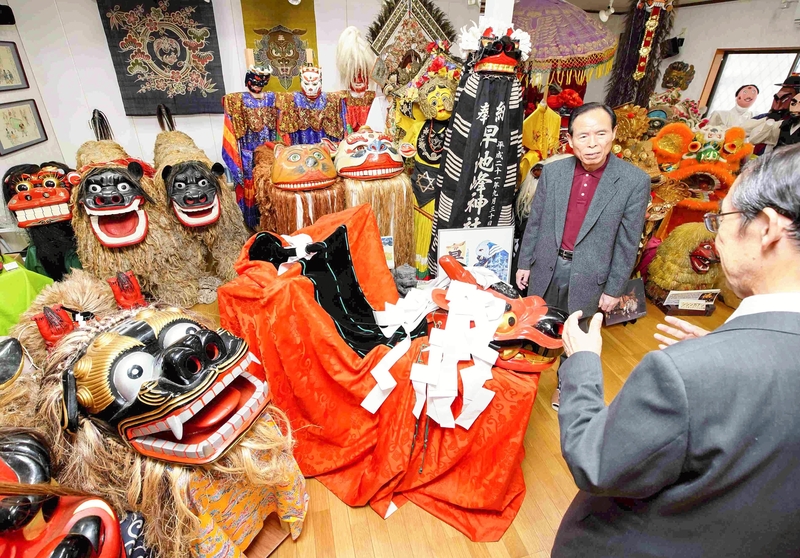
This museum related to shishimai lion dancing looks just like an ordinary house from the outside. The moment I entered the building, however, I stopped in my tracks. It was like a pack of lions staring at me with round eyes, their big mouths open.
On display are more than 2,000 items related to shishimai that museum operator Yuichi Takahashi, 70, has collected from across the nation and abroad over a period of about 40 years.
Shishi is a lion, the king of beasts. In ancient Oriental civilizations, lions were considered guardian deities, but they were also harmful animals that attacked livestock. Shishimai may have originated from a depiction of the defeat of a wild lion.
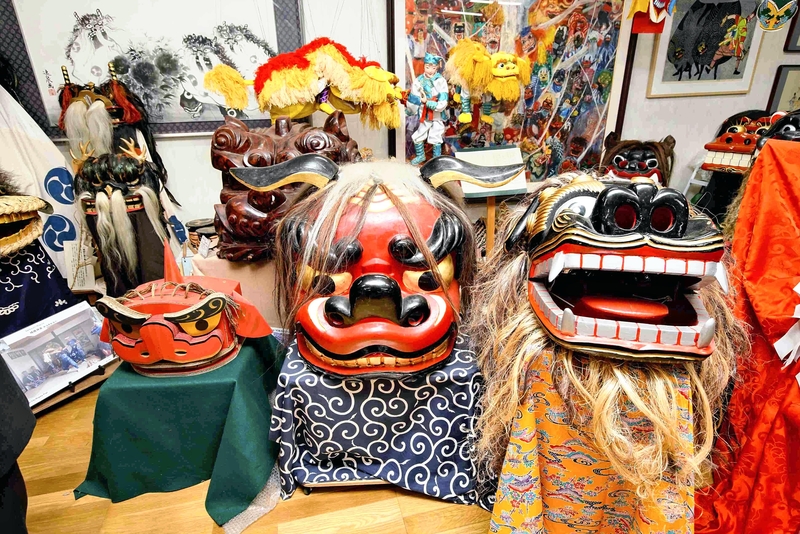
The notion of the lion was introduced to East Asia, where lions did not exist, and records show that shishimai was being performed in China by the third century at the latest. In Japan, shishimai was part of gigaku dance and music performance introduced in 612.
According to Takahashi, shishimai is performed at about 7,500 locations in all 47 prefectures as a guardian deity of each community.
The general idea is the same: A lion walks around the area conducting purifications and performs at the plaza. However, the number of people involved in the dance and the design of the shishi vary from region to region.
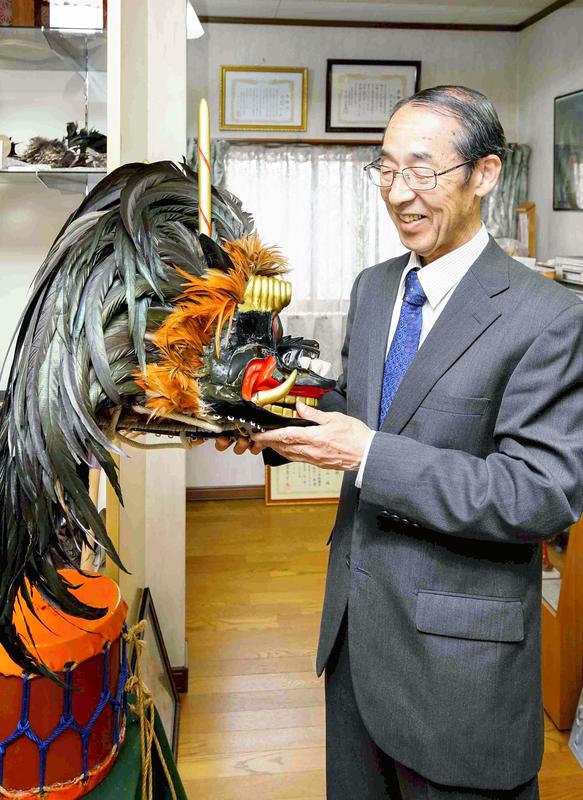
For example, a lion's head displayed at the museum from the Haramamuro district in Konosu, Saitama Prefecture, is a shiny blue and white, featuring the tail feathers of Totenko Japanese red crowers and Tomaru Japanese black crowers.
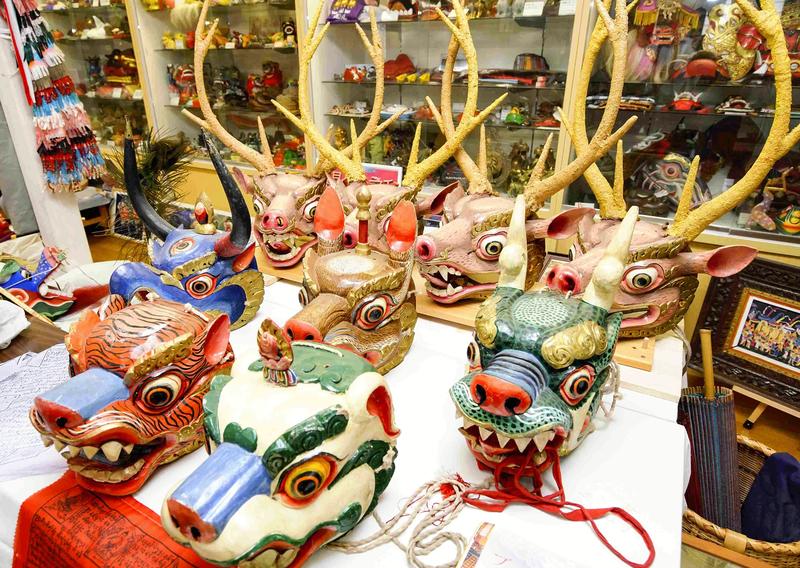
In the museum, you can also see various foreign shishi that Takahashi has collected. Colorful lion heads, all of which have different faces, are from the Himalayan kingdom of Bhutan. It was given to him by a group that came to Japan in 2007.
Shishi is called "Simha" in India and "Singa" in Indonesia. It's no coincidence that the sounds are similar.
"Shishimai in Japan is based on a simple belief, not a specific religion or sect," Takahashi said. "There may be a guardian deity in your town that is rooted in the area." That comment made me feel closer to shishimai.
-- Shishi Museum
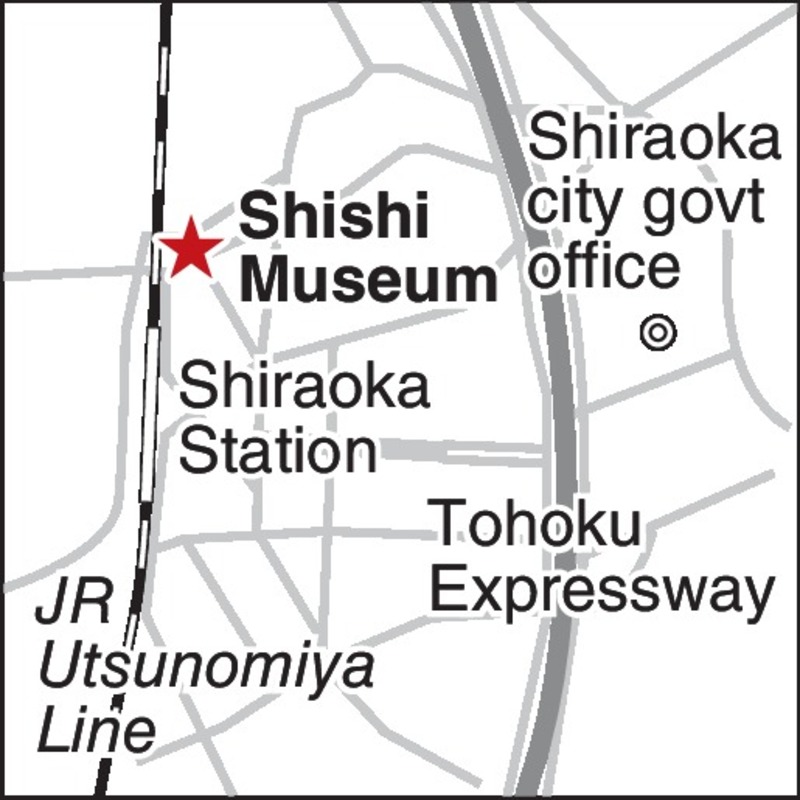
It is a private museum operated by Yuichi Takahashi. In 1988, he opened a small shishi exhibit space in his reception room. In 1993, he opened the museum behind his house. It is a 5-minute walk from Shiraoka Station on the JR Utsunomiya Line, or about 15 minutes by car from the Kuki IC of the Tohoku Expressway. There is no parking lot specific to the museum, but there is a coin-operated parking lot nearby. Reservations are required.
Address: 1262-8, Koguki, Shiraoka, Saitama Prefecture
Admission: 540 yen for adults; 320 yen for university and high school students; free for junior high school students and younger
Information: (0480) 92-9105
Read more from The Japan News at https://japannews.yomiuri.co.jp/