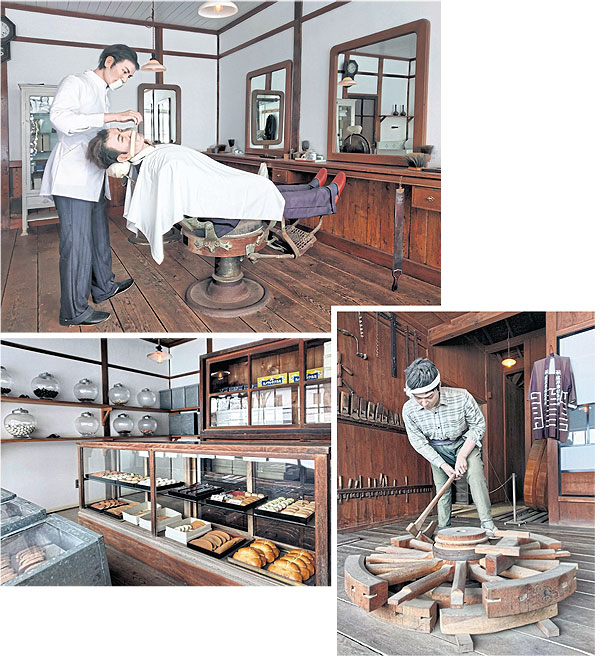
My most recent trips to Japan took place last November and earlier this month. On both occasions, I also got to travel to the 19th century.
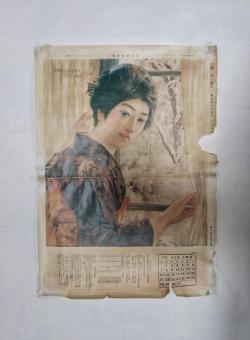
This 1924 calendar found on the wall in one of the wooden houses is long outdated, yet timeless.
Well, I know that sounds hard to believe. I know it is impossible. But I wouldn't be true to myself if I said that the above paragraph was an overstatement. The experience was so real.
As a journalist, I have been to quite a few places over the past three decades. Rarely have I found somewhere that gave me the genuine feeling of being back in time. The Historical Village of Hokkaido is one of those few special sites.
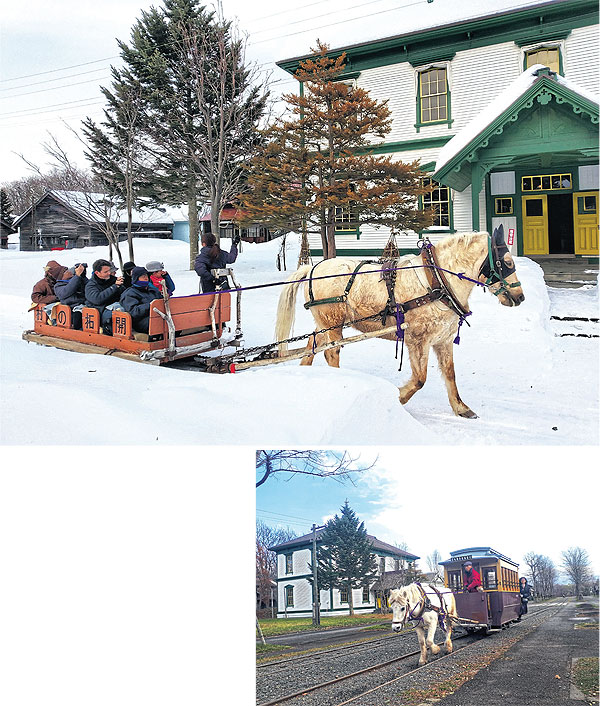
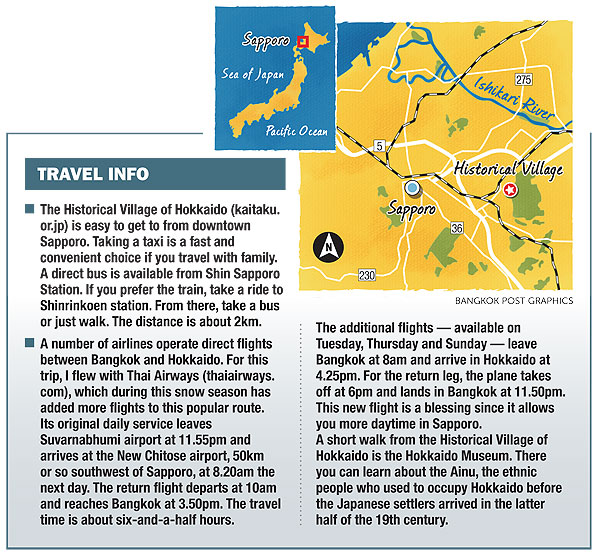
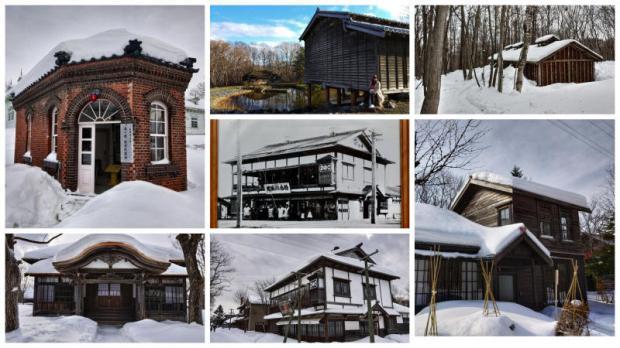
Located on the eastern outskirts of Sapporo, the capital of Hokkaido, which is the northernmost of Japan's main islands and prefectures, the Historical Village of Hokkaido is an open-air museum that boasts a large collection of old buildings from all parts of the northern region. While a few are replicas, many of these structures -- which range from houses, shops, a police box, medical clinic, and places of worship to a school, a university dormitory, government buildings, silkworm farm, fishery complex and more -- are over a century old. They were disassembled from their original locations and rebuilt here.
These architectures are from the latter half of the 19th century to the early decades of the 20th century, the period when Hokkaido was still a frontier and Japan as a whole was trying to catch up with the West after more than 250 years of self-imposed isolation. Unlike the typical Japanese buildings, these heritage structures in Hokkaido incorporated Western-style designs and features with traditional architecture in various ways.
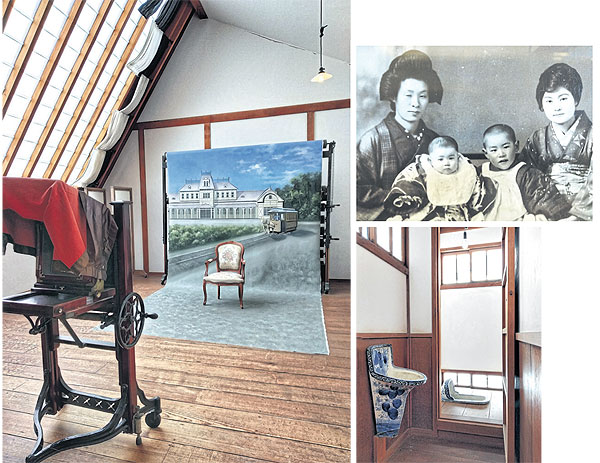
In the vast ground, each building is placed in a befitting setting. You can also walk inside, on the condition that you take off your shoes first and do not venture into prohibited areas. In the interior of each building, be they homes or workplaces, all items that the original owner, residents, and workers would have needed were put in place. The only thing missing was people. Unlike their belongings, most, if not all, of those pioneers were gone.
During my two visits to the 36-year-old open-air museum, there were just a few other visitors. Perhaps it's the lack of tourists and the absence of commercial activities that are rampant at many other places, real old towns and some World Heritage sites included, that evoked in me -- and I'm certain in many other visitors as well -- the feeling of being away from the modern world.
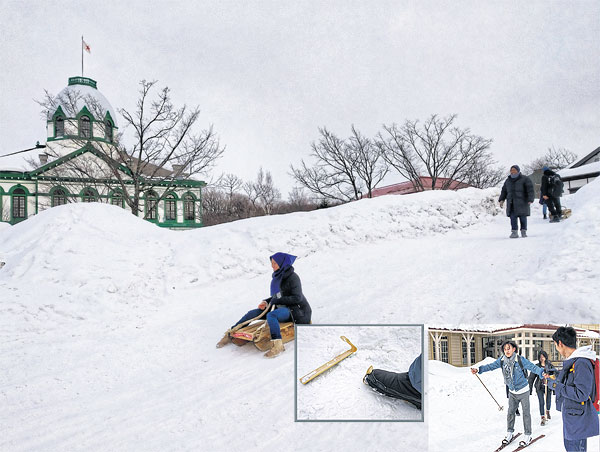
When I was there in mid-November, there was no snow. But when I returned a couple of weeks ago, the place was covered in white. In either condition, the place was beautiful and magically made me feel as if I was in the previous century.