
What is it?
at a glance
Type: Digital combo amp with AI app
Output: 100-watts
Speaker: Custom 12"
Buy at: Positive Grid
It seems that every piece of gear that comes across my desk to review these days is leaning into artificial intelligence. Gone are the good ol’ days of plugging into a tube amp, cranking the gain, and playing the guitar. We’re living in a bold new era of prompt-driven sounds, AI-generated signal chains, and on-demand tonal tweaks that can be achieved with nothing but an app and your imagination. You’d be forgiven for feeling slightly overwhelmed in today’s modeling amp market.
Positive Grid – the biggest name in the practice amp game – was one of the earliest champions of this burgeoning tech. For its near-perfect Spark 2 practice amp, for example, it explored AI tone generation through the Spark AI feature.
Now, Positive Grid is back with a brand new amp range, hinging on a newly developed AI feature, which is promising to push the boundaries of artificially intelligent amps into new frontiers.
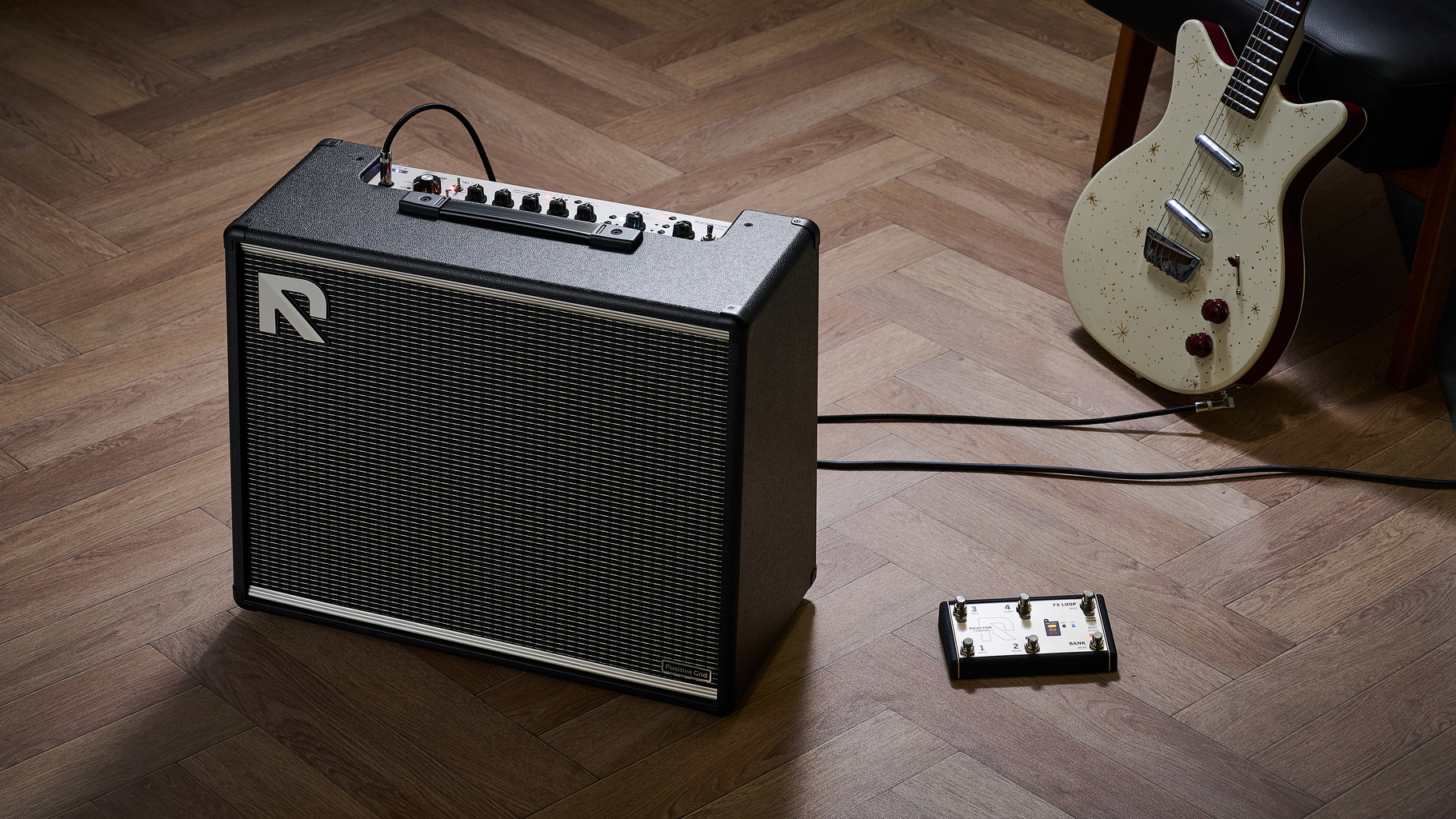
Enter the Reactor – a fully fledged, 50 or, as reviewed here, 100-watt combo that is offering near-instantaneous signal creation that, in theory, will give you any and every tone you could ever need.
It’s a big move from Positive Grid, and arguably its most important launch since it swept to market domination with its widely acclaimed Spark family. It's a huge statement of intent, doubling-down on the firm's commitment to developing gig-level amps, which has been explored in the past with the likes of the Bias Head and Spark Cab.
As such, there’s a lot riding on the Reactor, even more so given the ambitious nature of the amp itself. Here, Positive Grid is rolling out what it’s calling Amp Intelligence – a new “sound engine” that promises uber-authentic tube amp tones, and which uses AI to give you a number of novel ways to build sounds and signal chains on demand.
There’s also a dedicated new Reactor app to shout about – complete with a new user interface and tone exploring experience – as well as a Tone Memory function that learns your playing style and refines your tone over time. So, yes, plenty from Positive Grid to announce this brave new era. Let’s see what the Reactor is made of…
Specs
- Launch price: 100W $449 | £379 | €449
- Type: Digital amp
- Origin: China
- Output: 100W with 1W and 25W power selector
- Speaker: Custom 1x12" guitar speaker
- Channels: Clean, Warm, Grit, Crunch, Hi-Gain, Extreme
- Controls: Amp selector, Push/Smooth, Heat, Gain, Bass, Middle, Treble, Master, Effects, Volume
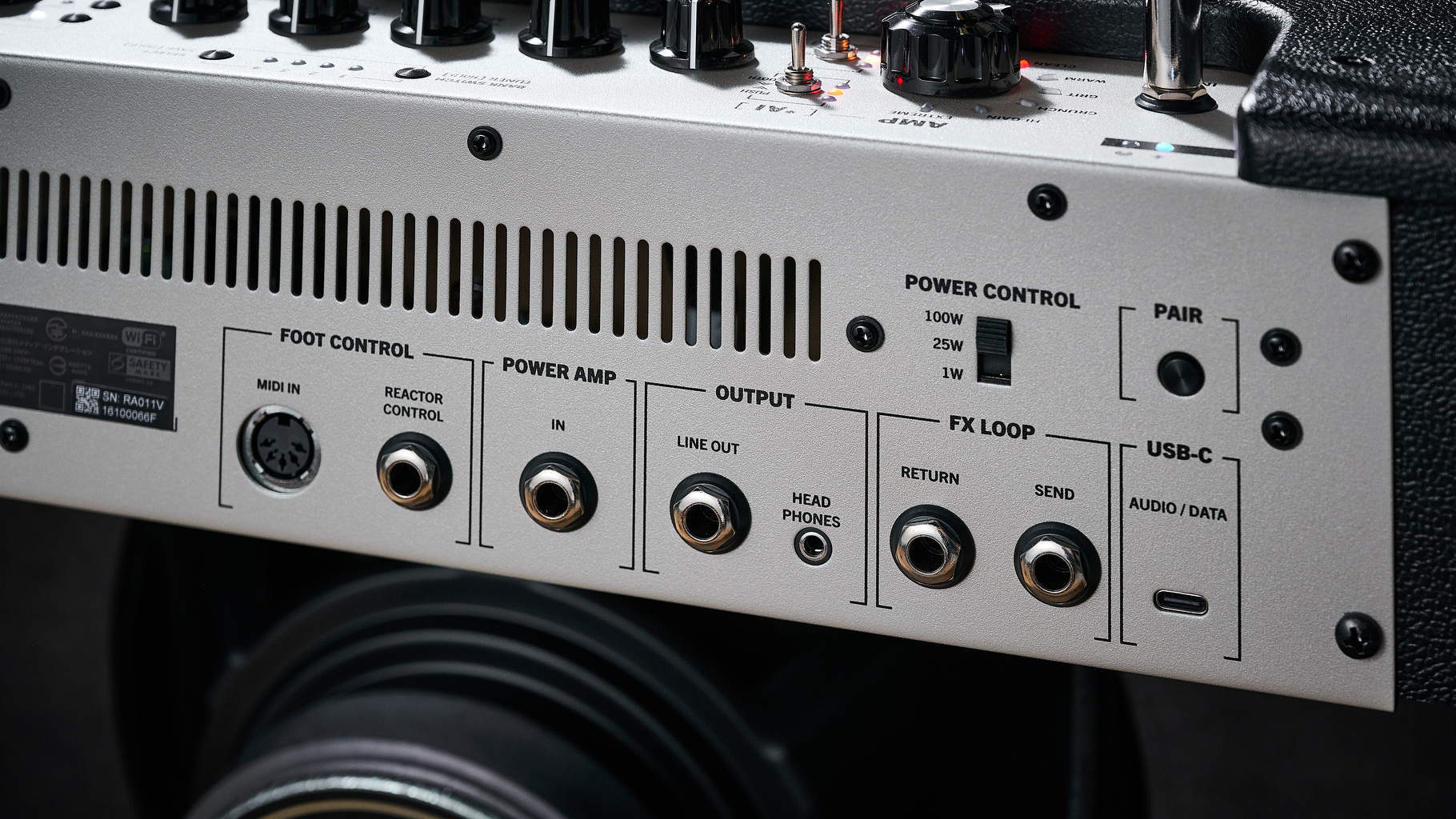
- Connectivity: Input, Foot Control, MIDI In, Power Amp In, Line Out, Headphones, FX Loop, USB-C, Bluetooth audio, Bluetooth connection to Reactor Control
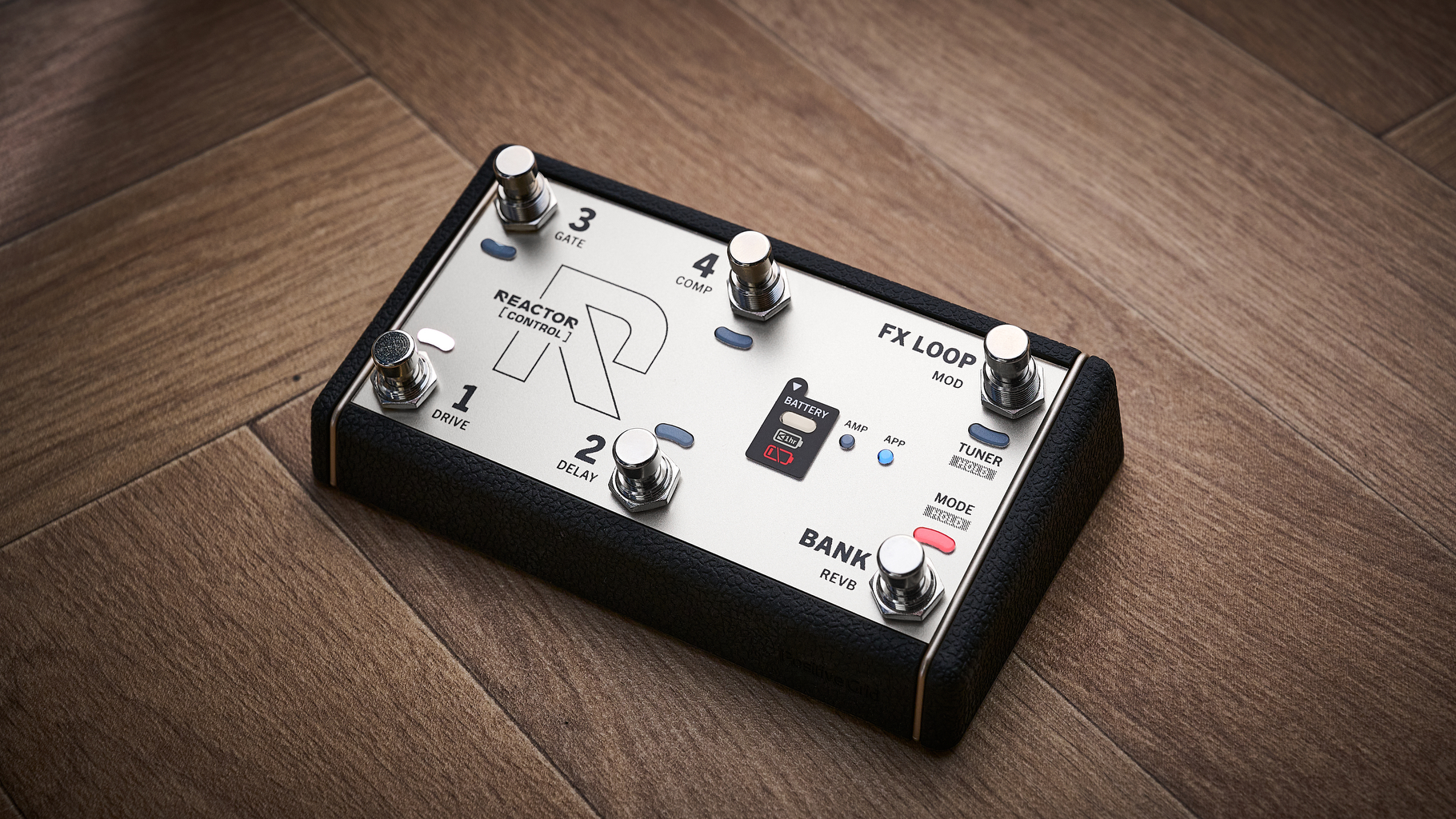
- Footswitch: Reactor Control | sold separately ($149)
- Weight: 29Lbs / 13.3kgs
- Dimensions: 530 x 450 x 205 mm
- Contact: Positive Grid
Build quality
Build quality rating: ★★★★☆
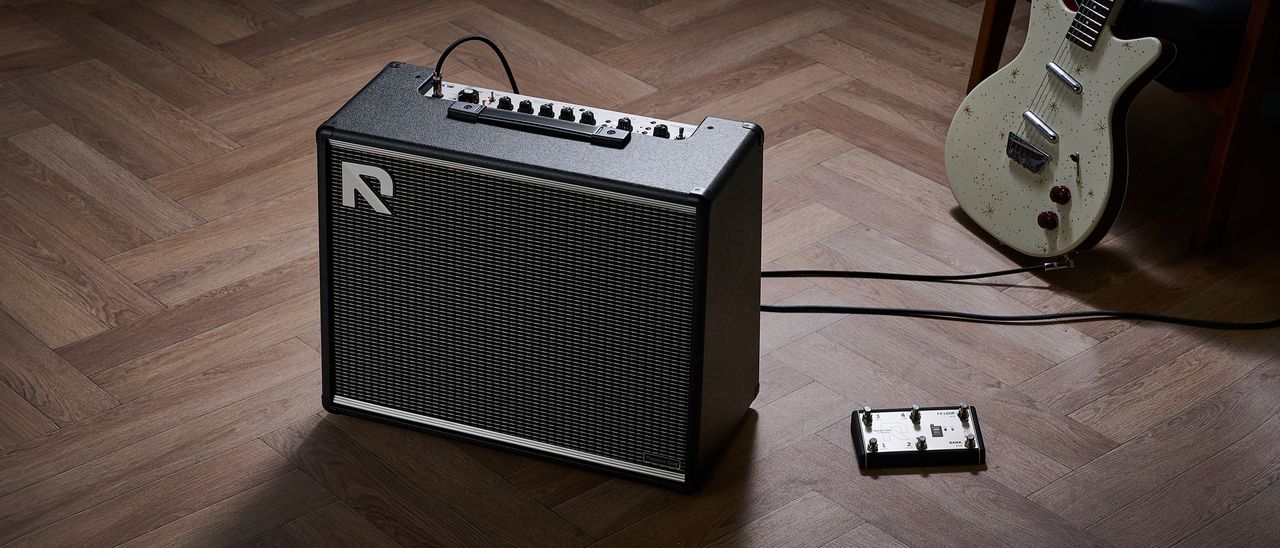
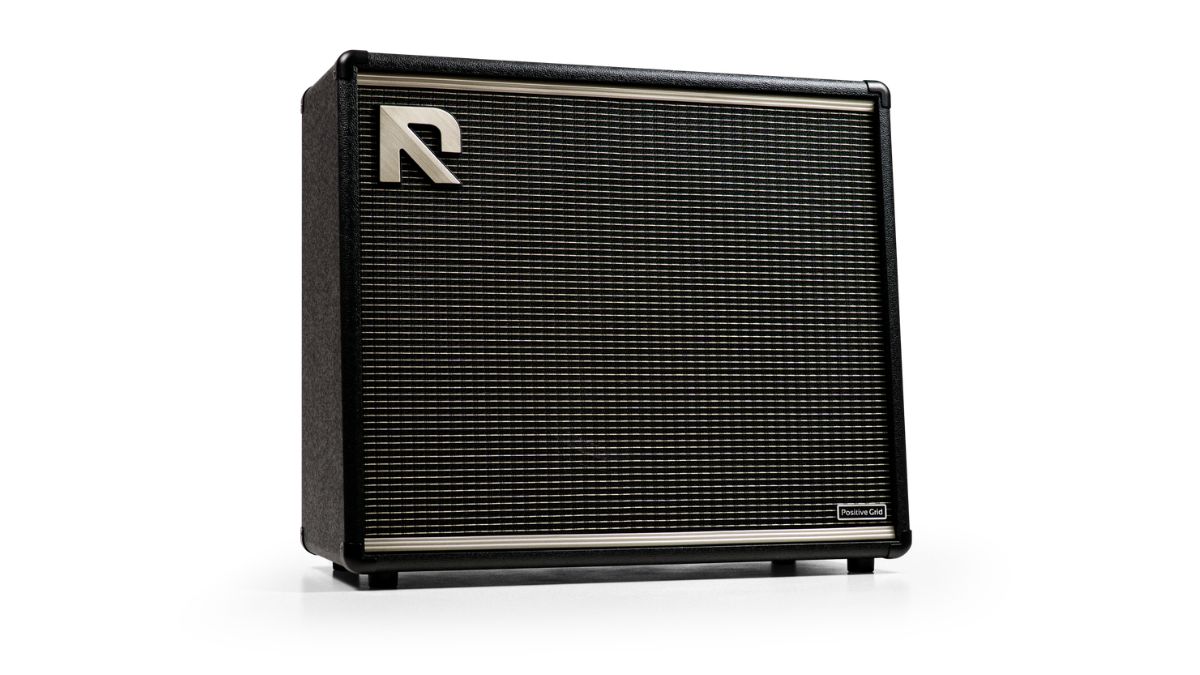
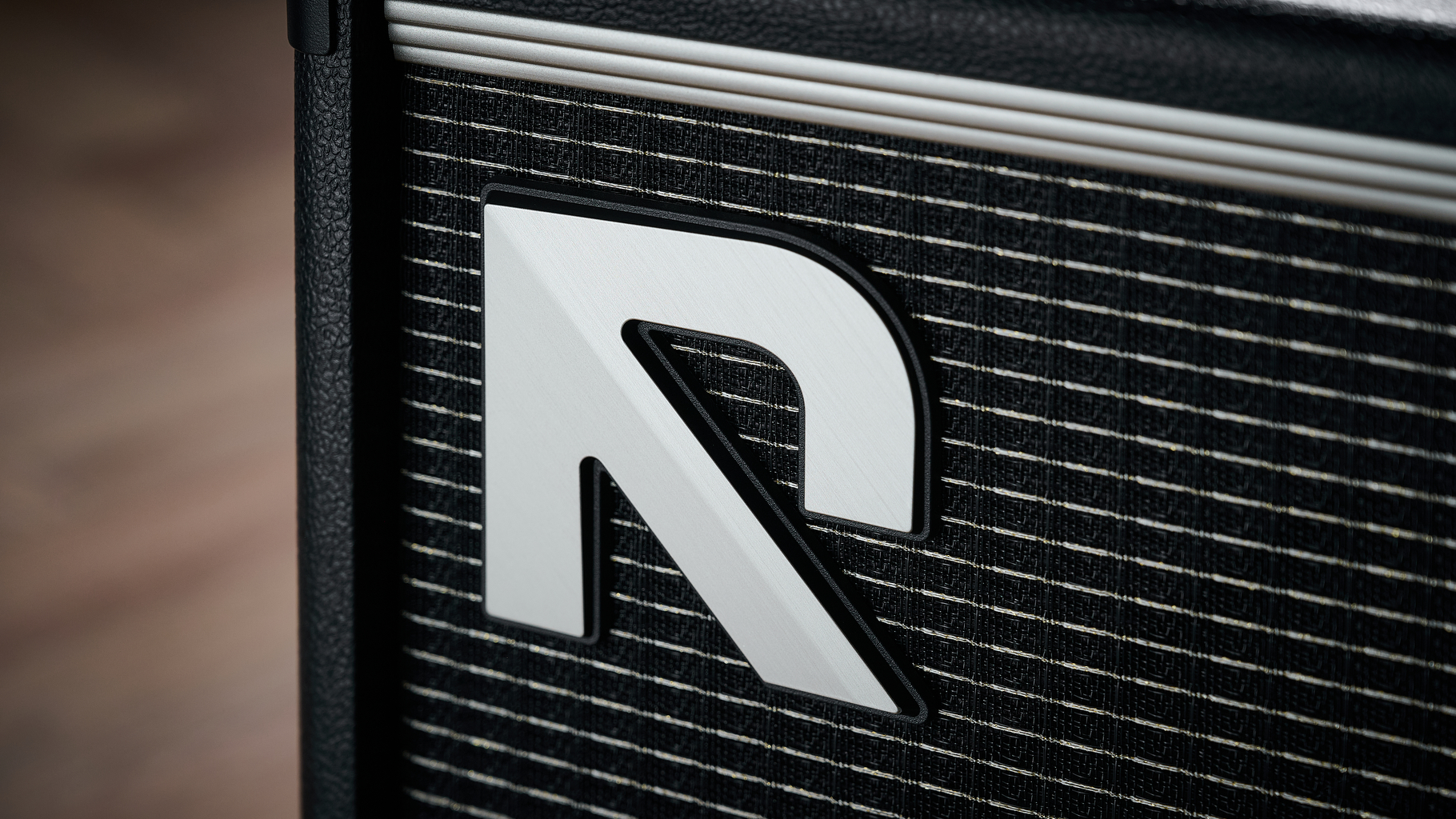
If the name wasn’t enough to let you know that this is a completely different kettle of fish from the Spark family, the Reactor itself will confirm it. It looks like it could have been made by an entirely different brand altogether. Here, Positive Grid has opted for frills-free styling, playing down company branding and opting instead for a bombastic silver ‘R’ logo that feels like it’s meant to give minimalist vibes.
This ‘new-range, new-look’ feel is extended through the silver top control panel, which houses the generous array of bells and whistles (more on those later, natch), and silver bars at the top and bottom of the silver/grey grille.
But is it a good look for a new lineup? The words I would use are “sterile” and “inoffensive”. Dare I say “uninspired”. I get what they’re going for, but it’s a bit jarring to have something that promises such advanced, futuristic, problem-solving AI tech look… a bit dated.
Maybe that’s a bit harsh. Positive Grid clearly needed to make a big departure from the Spark range – a range literally every guitar player out there could identify – so I’ve got to give them kudos for trying something bold here. Still, it might not be to everyone’s tastes.
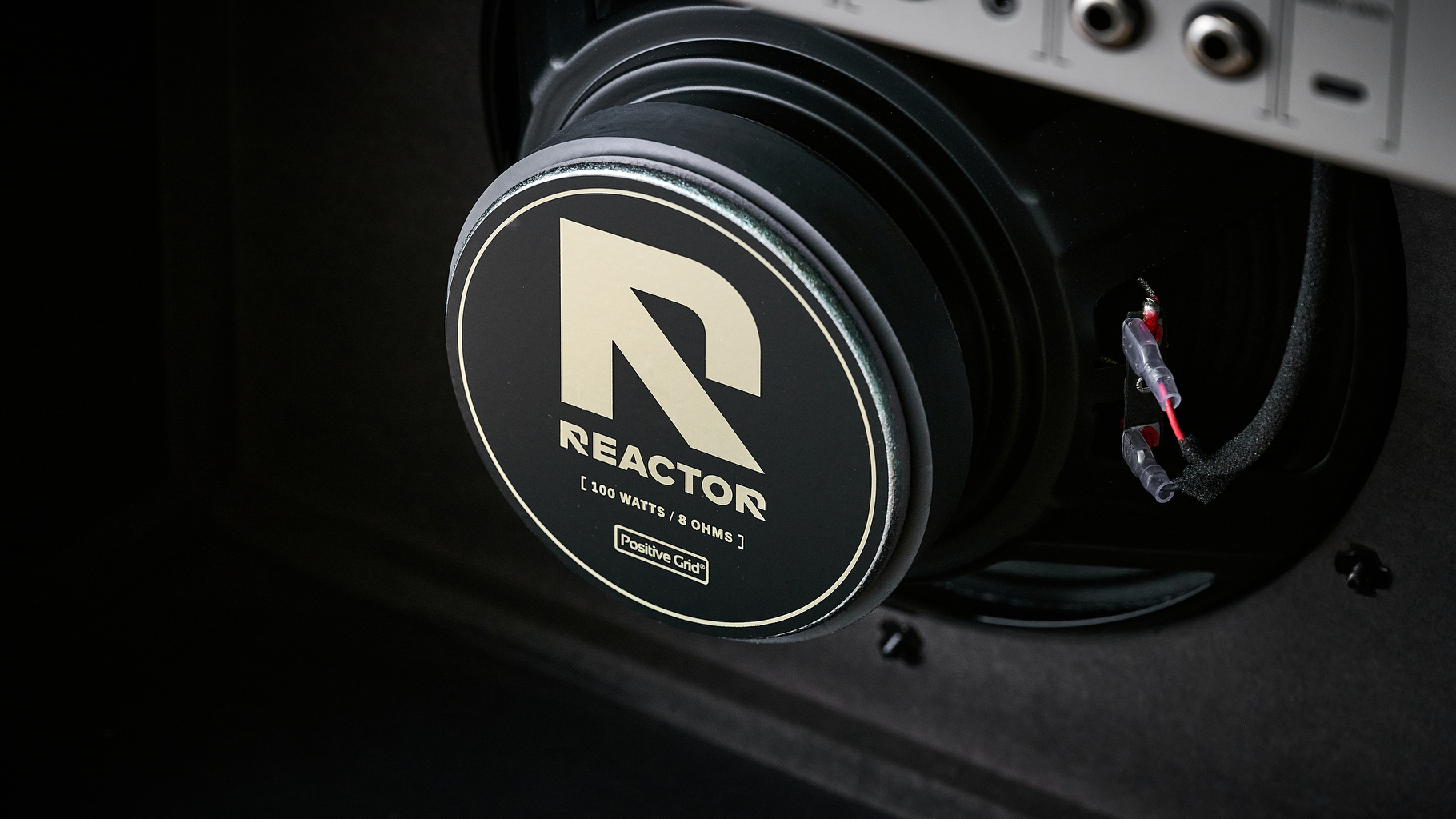
Aesthetics aside, there’s no denying that this is built really well. I have no qualms with the actual quality of the build here. No surprise, really, given Positive Grid’s expertise. It’s lightweight yet solid, and because of the power level you could easily rehearse and gig with this thing. I’d have no hesitation taking this on the road, and wouldn’t fret over its safety.
The amp itself is constructed from a solid wood build and nicely finished in a robust tolex outer shell, which is further supported by small but effective corner covers issued to prevent any damage directly to the amp itself. These have a nice matte finish, too, so seem relatively immune to scuff marks with heavy usage, even if they don't elevate the amp itself from the ground too much.
Likewise, the rubber carry handle feels reliable and more than up to the task of carrying this humble 29lbs amp around, and the finishing inside the open-back cab is commendable – no rough edges, dodgy joints or loose screws to report.
To that end, all those aforementioned bells and whistles feel firm and robust; the rotary switches are solid, the parameters have a good secure sweep, and the buttons to trigger effects aren’t falling off anytime soon. I’d expect nothing less from Positive Grid.
Making a combo is an entirely different challenge to making a small desktop amp, and Positive Grid is clearly not a one trick pony. It knows how to build amps. This means business.
Usability and features
Usability and features rating: ★★★½
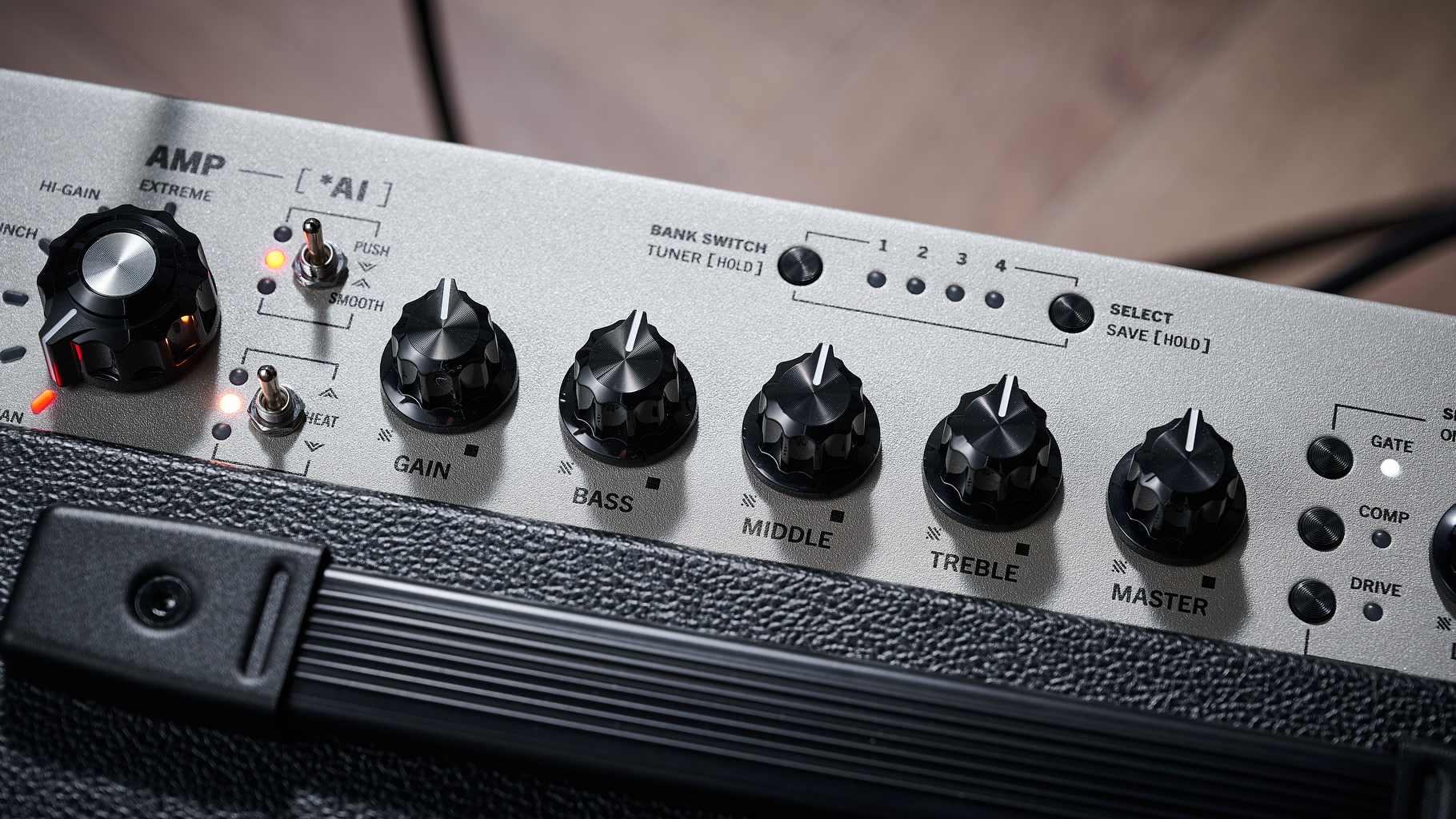
Despite its digital prowess, the amp itself looks and (broadly) functions like a conventional guitar amp, so if you don’t want to get in the weeds with the AI stuff, you don’t have to. App-free, there’s plenty of features to tuck into.
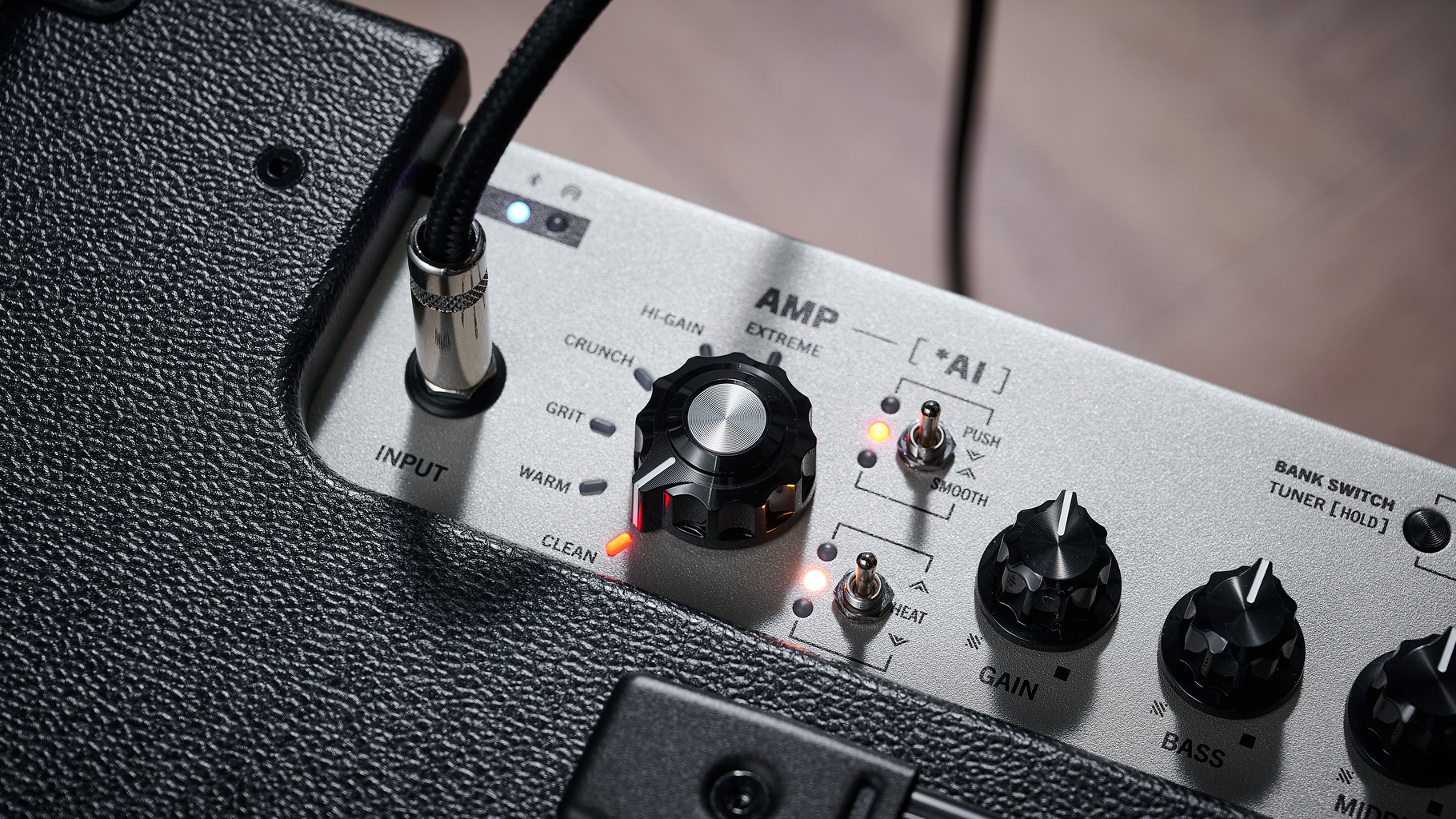
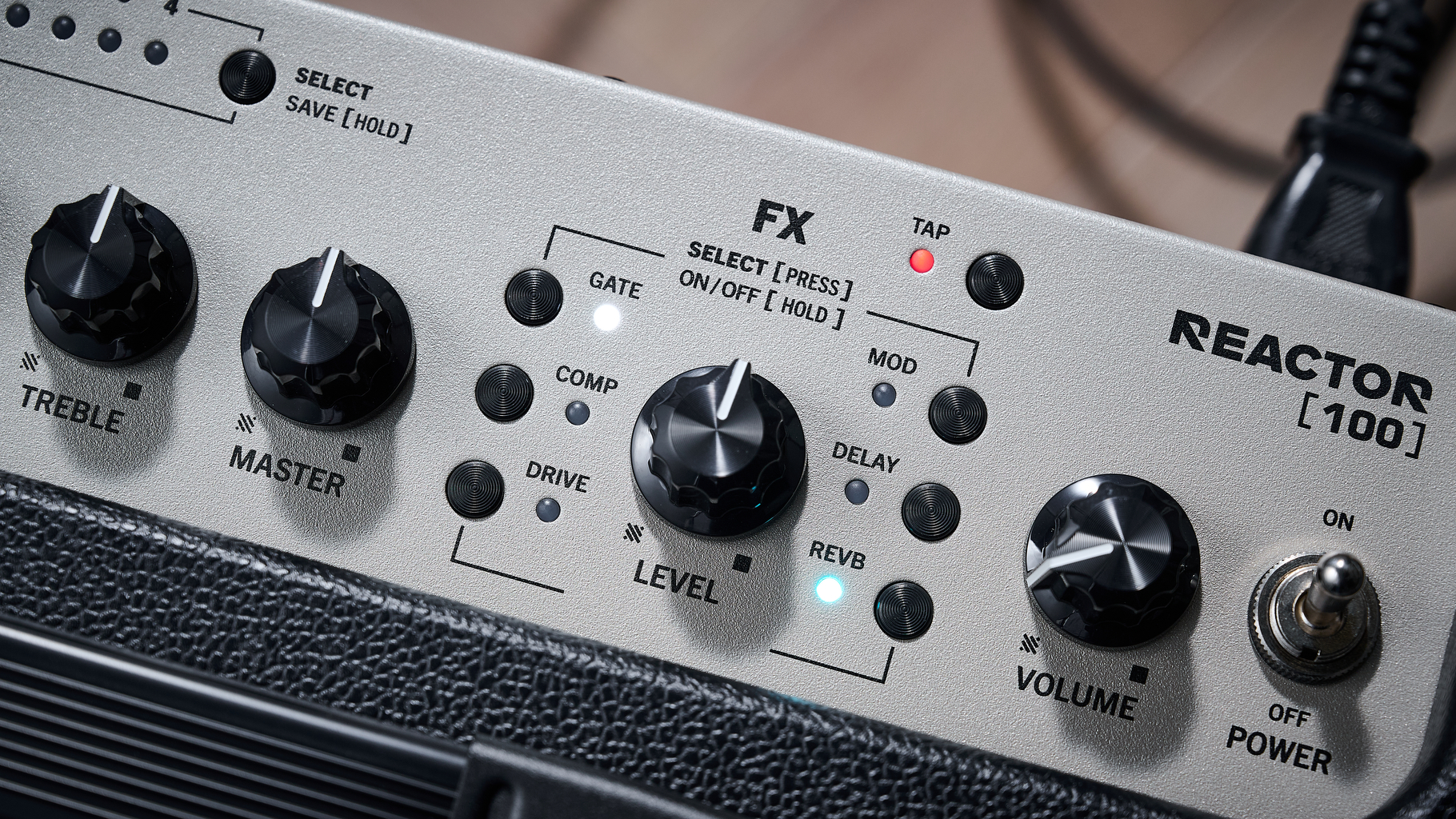
You have a rotary switch to move between six amp types; a three-band EQ; knobs for Gain, Master and Volume, and a sole level parameter to dictate the six onboard effects. The open-back combo features an actual guitar speaker, rather than an FRFR speaker, with a connectivity port for all the I/Os.
Oh, and there are two toggle switches for Push/Smooth and ‘Heat’ functions, which adjust harmonics and feel, as well as response types for lead and rhythm playing. It’s a unique feature I’ve not really seen elsewhere, and I like it.
From this alone, you can dial in some really stellar tones, and the fairly familiar control panel – which isn’t a far cry from Blackstar ID:X and Boss Katana combos – is easy to get around, albeit not the most seamless and intuitive. The effects section can be a bit head-scratching, though, especially with its system which relies on colored, flashing and solid lights. It’s a bit tedious at first, but a necessary hump to get over.
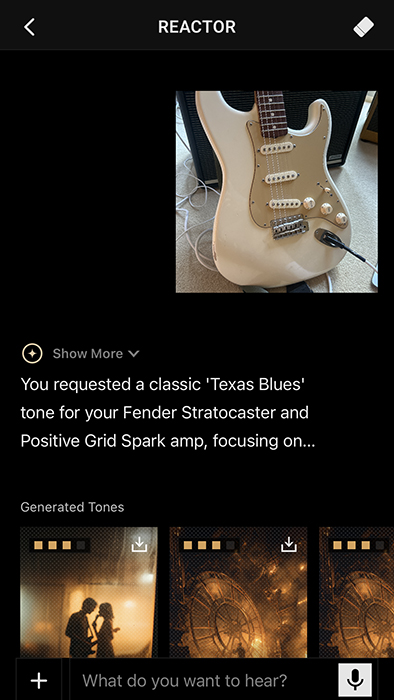
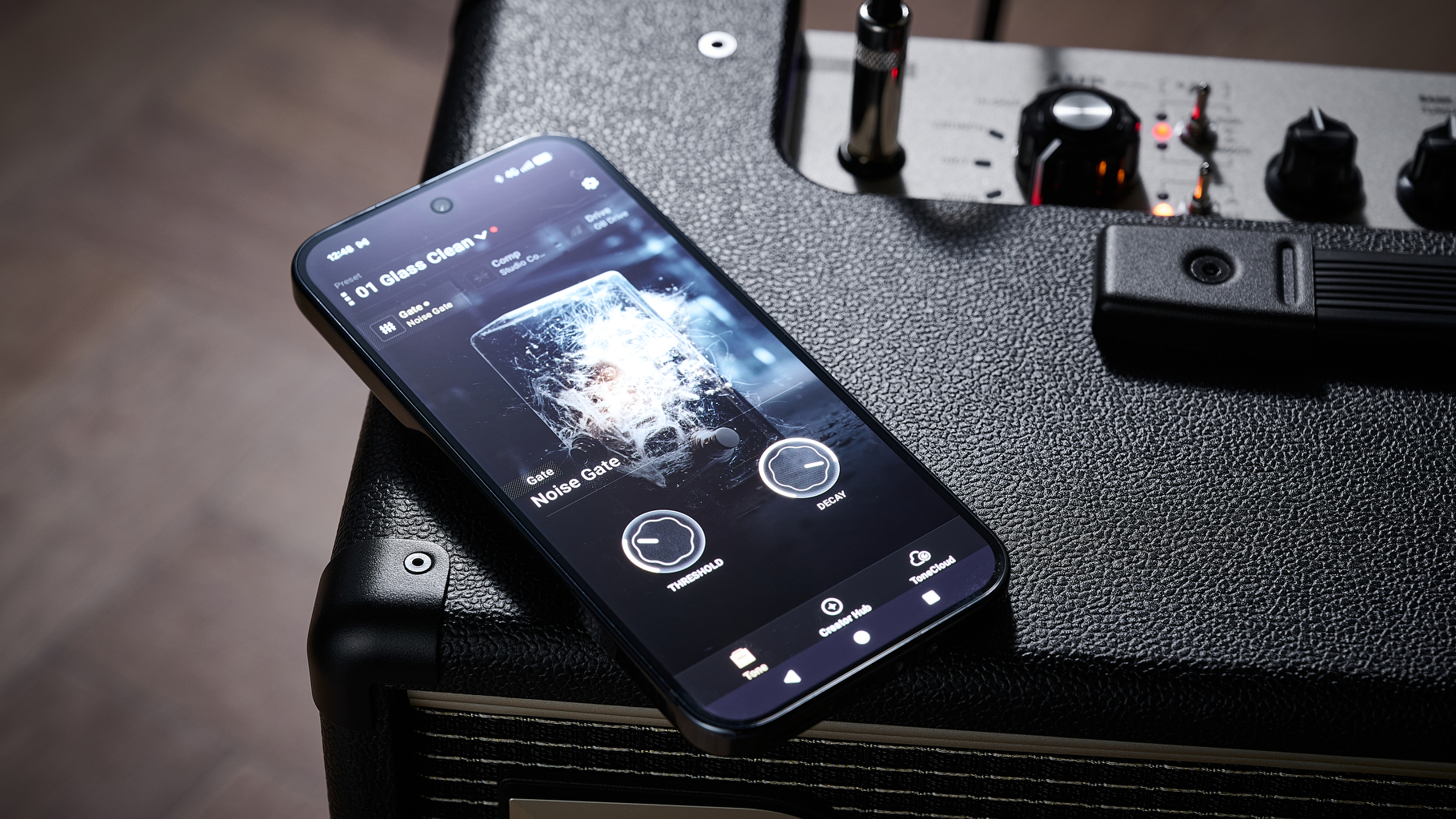
But the real USP of the Reactor is what’s going on under the hood. The new partner Reactor app gives you access to a Creator Hub, which gives you three main ways to generate a signal chain: text, audio, and photo. There's also a 'Fix My Tone' function that can critique your preset and suggest improvements.
I try the text-based prompt function first, because that’s the most common and perhaps the easiest to get right. Unsurprisingly, it works well. It has no problem coughing up an edge-of-break-up clean tone, nor does it break a sweat when I ask for a '80s rhythm sound drenched in chorus and reverb. I get similarly excellent results with higher gain stuff, too.
What’s most interesting about the Reactor, though, is that it can generate tones based on an image. It sounds cool on paper, and it’s pretty fun to work with, but after the novelty of the new function wears off, I can’t help but wonder when this would actually come in handy.
For example, I uploaded a picture of Slash, and it rightly identified the picture, generating a raft of actually-very-good Marshall-y tone presets that did a commendable job of recreating a high-gain lead Guns N' Roses sound. But… I could have just asked for a Slash tone, right? Why go through the ceremony of providing a picture? It’s a nice novel approach, but I’m not sure I’d ever actually get much use out of it in practice.
But, to play devil's advocate, that's probably not the point of the image tone generator, and Positive Grid's intentions for this function no doubt go beyond this. My skepticism and obvious hiccups aside, this feature can work well, and could certainly be an engaging and novel approach to guitar tone that could hook beginners and more seasoned players alike.
After all, the idea here is to get creative and have fun with your tone, so what better way to test than to give it the most random image possible and see what it comes up with?
With that in mind, I uploaded an image of a weird Spider-Duck figurine laying around the house (don’t ask), and not only did it actually work out what I was showing it (yes, I was trying to catch it out) but it gave me some great presets to boot, and justified its selection.
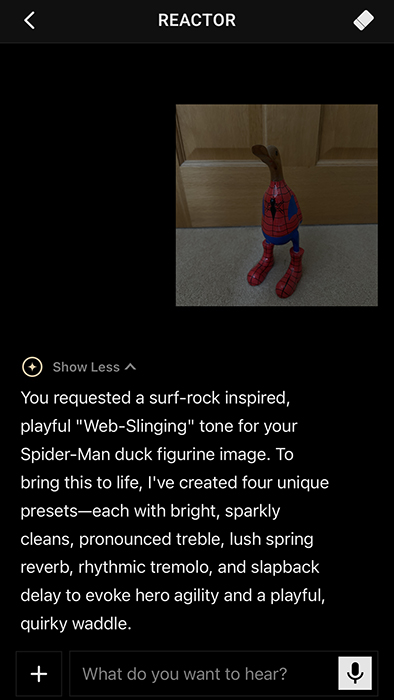
So, you can definitely have fun with it, even if it’s not the most useful feature out there. What is far more useful is the audio function, which listens to an audio excerpt or screen recording and curates some presets either directly based on, or inspired by, the source material.
Again, the Reactor has no real problems with this, but it’s not perfect. I gave it an audio recording of a tone I’d created using my gigging rig in rehearsals, and although it didn’t come back with a like-for-like tone, it impressively identified the vibe and got close to the ball park.
As for actual songs, I fed it John Mayer’s Slow Dancing…, and it gave me a nice Fender-y clean tone. Conversely, I then gave it 30 seconds of Mk.gee’s guitar tone from Daisies and it offered up a “Modern High Gain Lead” preset that boasted “aggressive compressed saturation”. Not quite the same vibe.
So, it’s a tech that clearly needs refining, but the potential is certainly there. Like I say, I had some great success stories with an abundance of superb sounds, but also a fair few howlers that let the overall experience down.
To that end, what I like about the AI stuff is that each prompt gives you a few different presets to play with. What I really don’t like is how the app looks and feels. Again, it’s such an aesthetic clash with the hardware itself, using some, er, eye-catching AI-generated images of amps and pedals. There’s no real cohesion there and it all feels weirdly mish-mash – like two separate products that have been hodge-podged together.
That said, the additional Reactor Control footswitch is a clear extension of the Reactor cosmetic, and is a great add-on to the playing experience. It's built as equally robust, and transforms the Reactor from a tone-tinkering tool into a sound-recalling piece of gear that you could use to play an entire set.
Oh, and a quick word on 'Tone Memory', which adapts and refines tones based on your playing over time. I don't think I've played the Reactor enough to reap the rewards, but Positive Grid's slightly terrifying 'It Remembers' marketing tag line sounds oddly like a threat. It'd be interesting to see just how effective that is.
Sounds
Sounds rating: ★★★★☆
Despite my misgivings over looks and the AI, there was no denying that the vast majority of the presets I played through sounded really good. I’m incredibly picky when it comes to dynamics and response, especially from soft-driven clean tones, and where many modeling amps of this ilk fail to impress me, I found the Reactor to be incredibly receptive, balanced and warm.
As mentioned, you can get great tones straight from the amp without having to navigate the Reactor amp, and the addition of the Push/Smooth and Heat toggle switches really do bring something new and genuinely useful to the table. It’s an easy way to give a basic clean tone a bit of a harmonic bump, and add some additional attack and squishy responsiveness when using something a bit more dirty.
I had similar success moving along the gain spectrum. I’m a huge fan of how the Spark 2 sounds, and I get the same amount of joy here, especially with the abundance of effects on tap. There are delays, reverbs, modulations and drives, with plenty of each flavor to explore in the app. Naturally, you get digital clones of popular pedals, including the Rat, Big Muff and beyond.
I’m also actually impressed with how often I find myself in the higher-gain amp models on the Reactor, specifically the Extreme. I’m always put off by heavy drives on digital amps, on the basis they don’t always feel authentic or respond to my playing in a natural way, but here I have no such problems. It isn't fizzy and doesn't get away from me, which I like.
However, given the ambitious, signal chain-building nature of the AI tone generator, it’s easy to come across some presets that aren’t as good as others. Not a problem, really, because these can be ignored altogether or refined using the Creator Hub, but for every 10 good presets you play through, you’ll come across one that disrupts the flow.
Now, that’s a pretty low ratio, so nothing that hampers the overall tonal experience. But these are usually the ones that look to layer effects and create complex tones, often neglecting simple things like a decent EQ setup or taming some of the effects. Again, that can be remedied, and maybe I'm being too harsh looking for perfection, but with Positive Grid making a big deal about getting "finished, playable sound in seconds", it's an important caveat to note.
Whatever the case, the sounds are by and large the best aspect of the Reactor. Even without all the app and AI additions, it could quite easily stand on its own as a genuinely good practice amp.
Verdict
As far as amp launches in the modern age go, the arrival of the Positive Grid Reactor is a pretty big deal. Having already blown the competition out the water with its ever-growing Spark lineup, expectations for a new Positive Grid amp will be sky high.
Will the Reactor ever live up to the lofty expectations set by the Spark? Right off the bat, it’s got a bit of work to do before it gets there, but there’s no reason why it can’t – especially as the AI software develops and the app (hopefully) improves. There are some very promising signs here that hint at a very bright future for the Reactor family.
The stellar tones you can get from the Reactor are worth the price of admission alone
Sure, the AI thing might not be the most reliable, but when it's in full swing it can be helpful. It works more often than it doesn't, which is a relief, and even if you never use the app with the Reactor (probably not advisable, admittedly) you're still left with a mostly intuitive combo amp.
But, with all that said and done, there’s one thing that needs to be hammered home: this is a great sounding amp, and the stellar tones you can get from the Reactor are worth the price of admission alone. It’s just a shame that, if you go down the AI route, it can be a bit of a mission to get them.
Guitar World verdict: This is a strong start for Positive Grid's new outing, and indicative of the firm's amp expertise outside the Spark family. Although there may be a few teething problems with the ambitious artificial intelligence infrastructure that might put players off, there's no doubting that at the core of the Reactor is a great-sounding combo with some exceptional modeling amp tones.
Test |
Results |
Score |
|---|---|---|
Build quality |
The look might not be to everyone's taste, but the Reactor is reliable and rugged. |
★★★★☆ |
Usability and features |
Largely intuitive hardware and mostly successful app performance, but prone to a few clangers. |
★★★½ |
Sounds |
Great amp and effects models with a huge tonal potential on tap. Can be a mission to dial these in at times. |
★★★★☆ |
Overall |
A solid but by no means perfect first step into this bold new chapter for Positive Grid. |
★★★★☆ |