The whereabouts of Benjamin Netanyahu remain a subject of intense speculation following unprecedented strikes on central Israel. Iranian state media abruptly declared the Israeli Prime Minister's fate to be 'uncertain,' following claims that missiles successfully breached Tel Aviv's defence networks. Israel has yet to issue any formal confirmation regarding a direct hit on the nation's executive offices.
This escalation marks a severe turning point in an already volatile geopolitical landscape. The Islamic Revolutionary Guard Corps announced on 2 March that it executed targeted strikes on major government installations. These operations reportedly encompassed high-security facilities in Haifa, east Jerusalem, and the Israeli administration headquarters.
Why the Alleged Tel Aviv Strike Deepens Regional Instability
Tehran confirmed the launch of ten distinct waves of drone and missile assaults since the unprecedented US-Israeli operations occurred on Saturday. Those weekend strikes resulted in the death of Iran's Supreme Leader Ayatollah Ali Khamenei, triggering an immediate military response. Iranian officials are framing this extensive campaign as a lawful act of self-defence.
The Islamic Revolutionary Guard Corps released a definitive statement detailing the scope of their recent offensive manoeuvres. 'The office of the criminal prime minister of the Zionist regime and the headquarters of the regime's air force commander were targeted,' the IRGC declared.
They claim these spots were 'severely hit' during this tenth phase of operations, but with these bold statements coming out of Tehran, it's really hard to independently verify what's actually happening on the ground. International observers are still keeping a close eye on the situation, waiting for concrete visual proof.
How the Conflict Is Rapidly Expanding Beyond Israeli Borders
Tensions continued to mount as fresh explosions echoed heavily across Jerusalem on Monday afternoon. Journalists situated in the city reported ongoing aerial activity shortly after the Israeli military confirmed the detection of newly launched projectiles. The conflict shows absolutely no signs of de-escalation as both sides continue to exchange heavy fire.
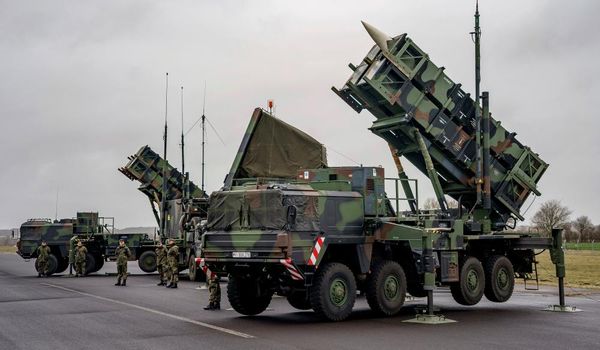
The Israel Defense Forces rapidly mobilised interception networks to neutralise incoming aerial threats. 'A short while ago, the IDF identified missiles launched from Iran toward the territory of the State of Israel. Defensive systems are operating to intercept the threat,' the military noted in a dispatch.
Hostilities have officially spilt over into neighbouring Lebanon, prompting a dangerous widening of the war. Military analysts warn this rapid escalation could destabilise surrounding regions.
Unprecedented Hezbollah Involvement Leads to Mounting Lebanese Casualties
Stepping up as a major ally to Iran, Hezbollah launched its own attacks to avenge Khamenei's death. This coordinated push forced Israel to act fast, launching heavy airstrikes right into Hezbollah strongholds in the dense southern suburbs of Beirut. The growing conflict has now pulled several regional groups into complicated military clashes.
At the same time, Iranian forces have aimed their missiles at strategic international targets outside of Israel. These broader operations recently hit the Gulf states and even targeted a British military base in Cyprus.
The human toll of this widening conflict is shooting up quickly, and the city centers are bearing the brunt of it. According to Lebanon's state news agency, the initial numbers from the Beirut strikes are grim: at least 31 people dead and 149 badly injured.
Iran’s Islamic Revolutionary Guard Corps has claimed it hit Israeli government and military targets, including the office of Prime Minister Benjamin Netanyahu in Tel Aviv. pic.twitter.com/3L6x4Kqjro
— HW News English (@HWNewsEnglish) March 2, 2026
What Khamenei's Death Means for Iran's Future
Losing Ayatollah Ali Khamenei is a massive shake-up for the Middle East's power dynamics. After running things with an iron fist for almost 40 years, his sudden exit leaves a huge hole in the conservative clerical establishment.
The late leader previously oversaw security apparatuses that faced widespread international criticism.
Those same internal security forces were heavily implicated in the deaths of thousands of anti-government protesters earlier this year. Consequently, a notable portion of the Iranian populace has openly welcomed the news of his demise.
Nevertheless, the remaining conservative leadership has displayed zero indication of relinquishing their firm grip on national control. They continue to orchestrate massive military operations, ensuring the current regional conflict expands without any immediate prospect of a ceasefire.