HTC looks set to give Oculus Rift, Sony and Samsung a run for their virtual market share when its Steam VR headset, Vive, launches later this year.
The smartphone brand has already lined up virtual reality content from Google, HBO and Lionsgate, which signals that we can expect a mass market device that will let users interact with movies, TV shows and other entertainment content.
The fact that HTC is developing Vive with Valve software means that it will also launch as a gaming console. Valve owns Steam, an online gaming platform, which has 125m active accounts.
But the question is: when will virtual reality content finally go mainstream? At Mobile World Congress in Barcelona earlier this year, the unveiling of Vive caused much excitement, but it was tempered with the statistic that despite 150,000 virtual reality developer kits being released, there hasn’t been a single product shipped.
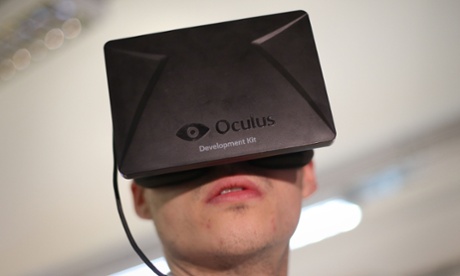
Oculus Rift’s Kickstarter campaign launched in 2012. It’s now 2015 and Oculus is on its third prototype, Crescent Bay, but there’s still no sign of this consumer version being made available to developers and at this rate, HTC will beat them to the market.
The interest among content producers and marketers certainly exists, but across the virtual reality space, there’s still work to be done around the technology hardware. There are still concerns that virtual reality may cause motion-sickness and further improvements are needed to develop safer ways to handle virtual movement without real-world collisions.
In Las Vegas at the Consumer Electronics Show in January, Oculus chief executive Brendan Iribe told the media that Crescent Bay was really close to locking down certain components that will be used for the consumer version including audio, screen, optically and form.
With HTC’s announcement at Mobile World Congress coming just six weeks later, it looks like the race is on to get consumer virtual reality to market and 2015 could well be the year. This is great news for content producers and marketers. It’s the opportunity we’ve been waiting for to create more dynamic content that’s fully immersive and 360-degree. It’s also an opportunity for marketers to leverage a new, more organic audience space and create the most innovative media formats within this emerging new reality.
By 2018, forecasters believe that more than 200 million people will be consuming regular content through a virtual reality headset. How brands reach this virtual following is a challenge inside which we’re already planning and prototyping. The new realities are exciting, fascinating, thrilling and scheduled for the big screen with the release of Ready Player One. The question is, are you ?
Jez Jowett is global head of creative technology for Havas Media Group
This advertisement feature is provided by Havas Media Group, sponsors of the Guardian Media Network’s Organic marketing hub.