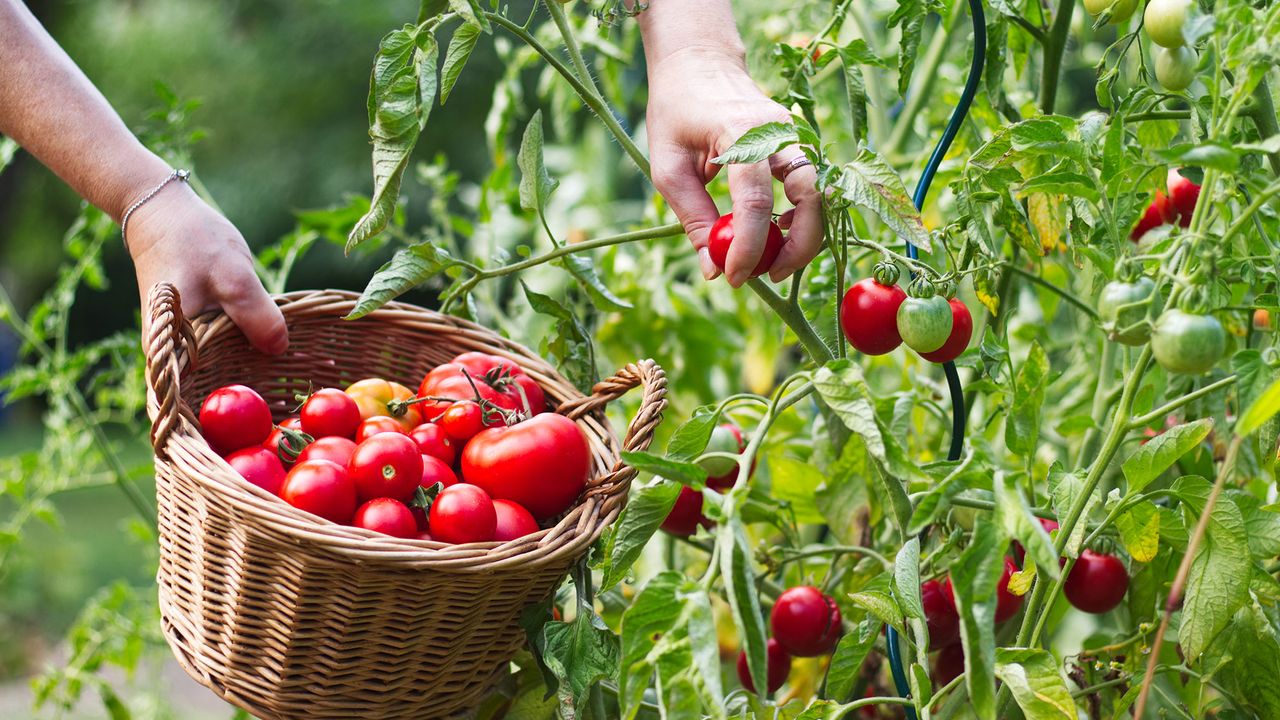
The difference between a modest crop and a truly bountiful harvest often comes down to one thing: knowing exactly what your tomato plants need, and when.
Once the soil is consistently warm (that is, consistently 10°C and higher), your tomatoes are ready to brave the outdoors. You can use your meat or kitchen thermometer to check the soil temperature at different times of day to confirm.
As tomatoes require a lot of nutrients to thrive, fertilizing them with the right solution at the right times is crucial. Read on to learn the best schedule for fertilizing your tomatoes and producing a beautiful crop.
1. During planting
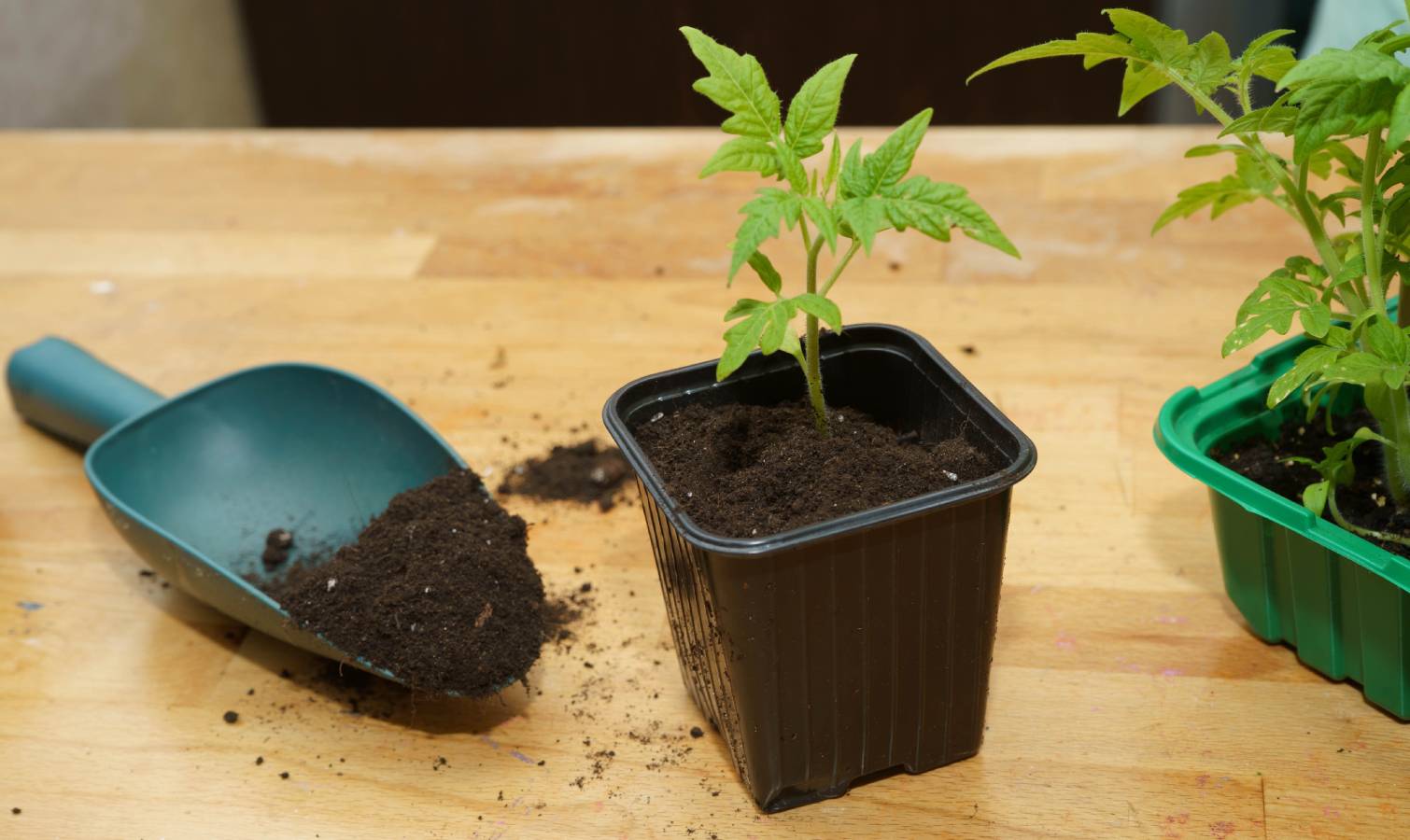
When you're ready to move your germinated seeds to a larger pot or into the ground, choose a spot that will be sunny while sheltered from wind. As you create a hole for each new plant, work the fertilizer into the surrounding soil.
At this stage, look for a granular fertilizer with a balanced formula such as 10-10-10 or 5-5-5, or even one with slightly higher nitrogen to support early leaf and stem growth. Pay particular attention to phosphorus (the middle number), which is especially important at planting for strong root establishment.
To give your soil extra calcium, add crushed eggshells. Using a granular fertilizer will release the nutrients slowly over time and give the plant the best support at this stage.
When you put the new plant in the fertilized hole, place it so the first leaves are just above the soil's surface. That will allow the stem to create new roots and strengthen the plant.
2. During flowering and fruiting

Once you see the first flowers appear, it's time for a fresh application of nutrients, and at this stage you should switch to a liquid fertilizer. Most products need to be applied at least once a week, given how easily liquid fertilizers wash away and how needy tomato plants are at this point in their development.
The frequency sometimes increases during fruiting, so be sure to check the dilution and frequency on the product label. While changing your fertilizer can help give your tomato plants what they need when they need it, one change you don't want to make is the amount of moisture.
Keep an eye on the weather, too. If there's a downpour that floods the pot, drain some of the water off, if there's a drought, keep the soil moist with regular watering.
3. Plant maintenance
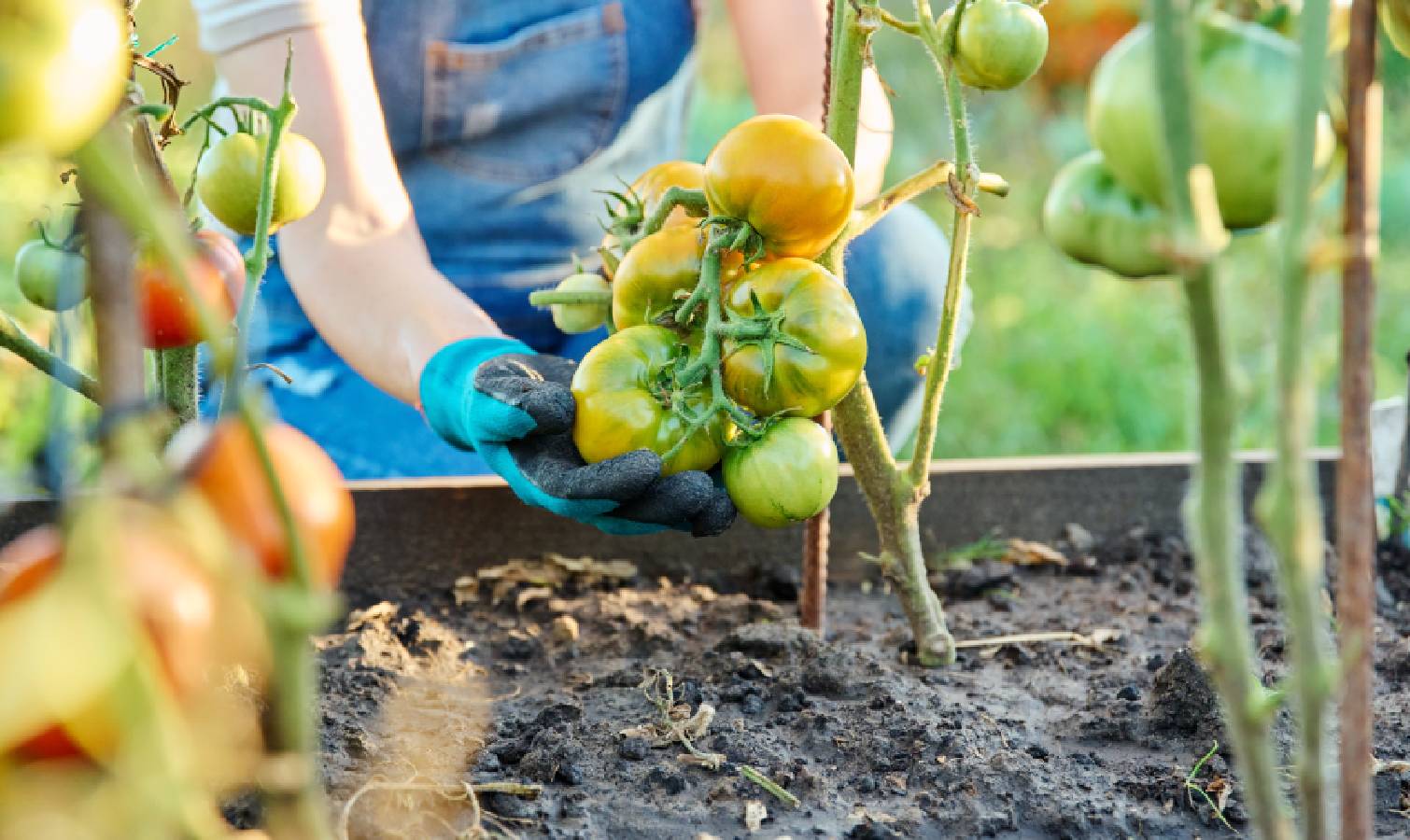
Feeding and watering will only get you so far. For a truly bountiful harvest, keep these three maintenance habits in mind too.
Pruning. If you're growing indeterminate (vining) varieties, pinch out the "suckers", the shoots that sprout between the main stem and a branch, while they're small. Left unchecked, they divert energy from fruit into foliage.
Support. Tomato plants get heavy. Stake, cage, or trellis each plant before it gets too tall, ideally at planting time so you don't disturb the roots later.
By attending to your tomato plants’ nutrient and water needs, you’ll ensure a good harvest.