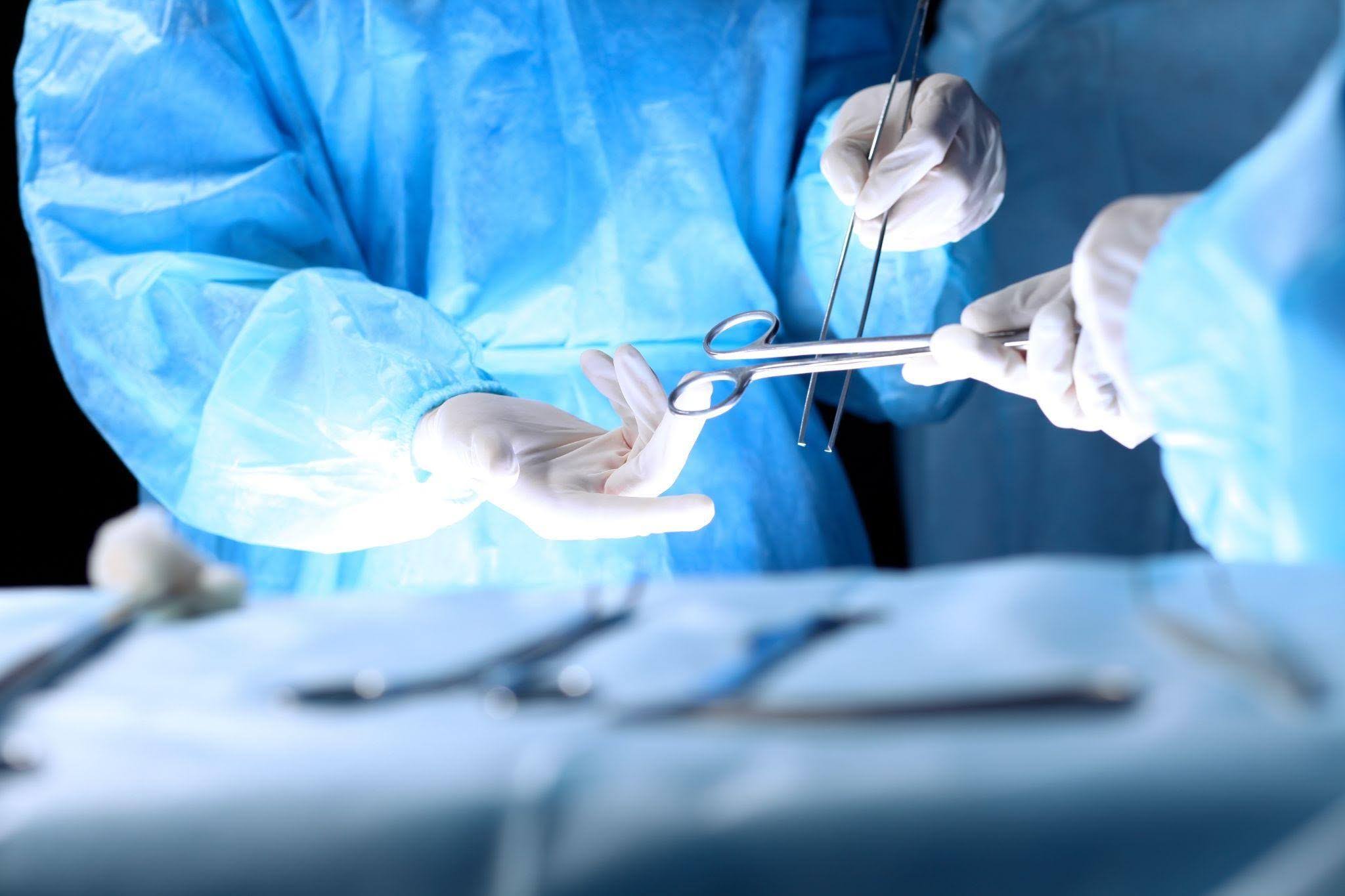
Reconstructive urology is a subspecialty of surgery focused on repairing, rebuilding, or rerouting damaged structures in the urinary tract and male reproductive system. When disease, trauma, infection, or a prior surgery leaves those structures scarred or nonfunctional, reconstructive urologists restore what's been lost—often dramatically improving a patient's quality of life.
It's a field that gets less public attention than cancer surgery or organ transplants. But for the men who need it, finding the right reconstructive urologist can mean the difference between living with a debilitating condition and getting back to normal.
Dr. Nathan Starke, a urologist with fellowship training in andrology, is one of those surgeons. Alongside his work in men's hormonal health and sexual medicine, he has handled some of the most complex reconstructive cases in urology. Cases where the anatomy has been damaged, distorted, or destroyed, and the path forward has to be invented rather than followed.
"With reconstruction, you kind of get to make it up as you go," Dr. Starke says. "Understanding the goals, the problems, the options available—it requires a certain creativity that I find challenging and stimulating."
What Does Reconstructive Urology Treat?
Reconstructive urology covers a broad range of conditions involving the male genitourinary tract. The most commonly treated include:
Urethral stricture disease. The urethra is the tube that carries urine out of the body. When it becomes scarred and narrowed, urination becomes difficult, painful, or impossible. Severe cases require full surgical reconstruction rather than minimally invasive treatment with balloons, lasers, or other endoscopic tools.
Male infertility caused by obstruction. Some men produce normal, healthy sperm but have blockages preventing sperm from reaching semen. This can result from prior hernia repairs, abdominal surgeries, or infections. The effect is similar to a vasectomy; sperm are made but can't get out.
Peyronie's disease. Scar tissue inside the penis can cause significant curvature during erections, making sexual activity painful or impossible. Reconstructive techniques can straighten the penis and restore function.
Erectile dysfunction unresponsive to medication. When pills and other first-line treatments don't work, surgical options, including penile implants, can restore erectile function.
Complications from cancer treatment. Radiation and surgery for prostate cancer can damage surrounding tissue, causing strictures, incontinence, or fistulas. Reconstructive surgery addresses the damage that treatment sometimes leaves behind.
Genital trauma. Injuries to the penis, scrotum, or testicles sometimes require surgical reconstruction to restore both appearance and function.
Why Would Someone Need Reconstructive Urology?
Most patients who end up in a reconstructive urologist's office didn't plan on being there. They developed a problem that other treatments couldn't resolve.
Common reasons include:
- Scarring from infection or inflammation, which can narrow or block the urethra over time
- Complications from prior surgery, including hernia repair, prostate procedures, or abdominal operations that inadvertently affected urinary or reproductive structures
- Radiation treatment for cancer, which can cause significant tissue damage months or years after therapy ends
- Traumatic injury to the pelvis, genitals, or lower abdomen
- Birth defects that weren't fully corrected earlier in life
- Conditions like Peyronie's disease, which can progress to a point where surgical intervention is the most effective option
One category that often surprises patients: men struggling with infertility who don't realize the cause is a blockage rather than a sperm production problem. Dr. Starke and collaborators at the Mayo Clinic researched this directly — using a technique called fine needle vasography, which injects dye to trace the male reproductive tract, to identify obstructions that had gone undetected and sometimes repair them in the same procedure.
"We were using an old technique in a new way," Dr. Starke explains, "to help a group of men we didn't even realize existed."
How Reconstructive Operations Work: Why One Size Doesn’t Fit All
Reconstructive urology spans a wide range of procedures, including transurethral endoscopy, robotic surgery, andhighly complex open surgery. What's done depends on the condition, its severity, the patient's anatomy and health history, and the surgeon’s preferences and skillset.
For urethral strictures, surgeons may use tissue grafts—often taken from the inner lining of the cheeks— to widen or rebuild a scarred urethra. In severe cases involving extensively damaged tissue, more involved procedures are required, sometimes routing the urethra through an alternative path. Robotic-assisted techniques are used where appropriate to improve precision and reduce recovery time.
For male infertility due to obstruction, microsurgery is often involved—repairing or bypassing the blocked segment of the vas deferens. Vasectomy reversals follow a similar approach.
For Peyronie's disease, options range from counter-tensioning “plication” procedures to grafting procedures that preserve penile length while correcting curvature. In some cases, these procedures are done inconjuction with the placement of a penile implant in order to address both curvature and erectile dysfunction simultaneously.
What all of these procedures share is a demand for surgical problem-solving in real time. Unlike many common urologic surgeries which focus on tissue removal of some sort—which follows a clear directive—reconstructive surgery requires the surgeon to assess what's there, understand what the patient needs, and creatively design a solution from available options. No two cases are identical.
"It's finesse and artistry," Dr. Starke says. "Reconstruction gives you the opportunity to be creative in a way that other areas of surgery don't."
When Should You See a Reconstructive Urologist?
Many men with conditions that fall under reconstructive urology wait years before seeking help due to embarrassment, uncertainty about whether treatment is even possible, or simply not knowing this subspecialty exists. That delay has real costs. The longer certain conditions go untreated, the more complex the eventual repair becomes.
A few signals that it's worth asking for a referral to a reconstructive urologist:
- You've been diagnosed with urethral stricture disease and standard dilation or minimally invasive procedures haven't held
- You're struggling with urination (weak stream, incomplete emptying, pain) and the cause hasn't been clearly identified
- You have male-factor infertility and semen analysis shows very low or absent sperm despite no obvious cause
- You're living with Peyronie's disease that makes sex painful or impossible
- You've had radiation or surgery for prostate cancer and are experiencing new urinary or sexual problems
- You've experienced genital trauma that didn't resolve on its own or seems to have created new urinary, sexual, or aesthetic concerns
Most urologists can handle common urologic issues. For complex reconstruction—cases where standard approaches haven't worked or where the anatomy itself has been significantly altered—a specialist with dedicated reconstructive training brings both the technical skills and the surgical creativity these cases demand.
"Helping men with very specific, often very personal issues and really improving their day-to-day lives," Dr. Starke says. "That's what I find so gratifying about this field."