Over the past weeks, I received a number of mails and Line messages, suggesting charity organisations or places where I could make donations that are tax deductible.
Some are heart-warming projects. Others, like a research project for cancer immunotherapy at Chulalongkorn University, even allow kind-hearted donors to deduct 200% of the amount they give away. The cancer project does not need much money from individuals -- only five baht from 40 million people will help it reach its goal of benefiting millions of patients. Actually it has become a trend for some people to support health establishments, turning away from temples. It's rather sad for a country where the leaders forked out a huge sum of money for weaponry (like 36 billion baht for for submarines which most, if not all, people don't think it really needs) while doctors and researchers working on life-saving projects have to beg for donations.
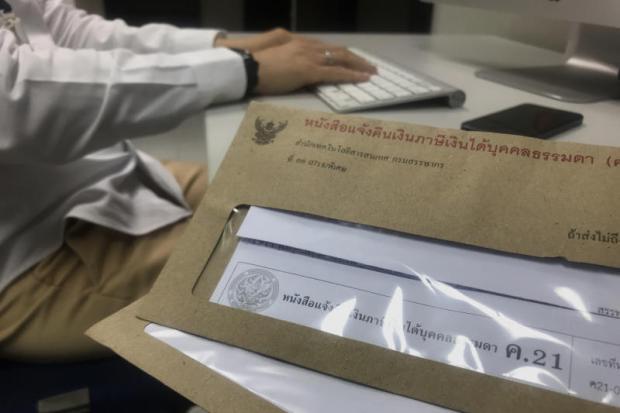
Now, there are about 960 foundations and charity organisations, in addition to temples, that people can claim tax refunds for their donations. Most charitable programmes are quite conventional, for example health charities with large establishments like Siriraj Hospital, education, and welfare of the underprivileged.
The government has opened more, as those who donated to some environmental agencies such as the Seub Nakasathien Foundation can now receive tax deductions too.
I think the Revenue Department extends the list to accommodate those working on new causes, including non-profit agencies that focus on the betterment of their areas.
Recently, I ran into my ex-dentist who has turned into a full-time philanthropist and established a foundation.
Apart from doing a social service, collecting goods and money for disaster-hit areas, the foundation, "Thai Ruam Jai", pays attention to waste problems with a focus on the role of the youth as agents of change.
She told me about the work of her foundation, pitched in 100% by volunteers. Over the past three years, the foundation organises a workshop on waste management for schools. All is well except for one thing: her attempts to put the foundation on the tax deductible list is futile.
At this stage, she was sad and desperate.
"The taxmen told me they could not include my foundation on the list. They said they knew we were doing something good, but they couldn't make a decision if that is "public good". That is nonsense. I showed them all the documents, what we have done and achieved, what we planned for the future and that we are open for auditing. But they still say no," she said, adding it's a pity since tax-deductible status would mean some extra money for the work, while those who helped would get something in return.
Instead, she said the taxmen suggested she donate the money to large charities to claim tax deductions.
"They just don't understand. Those big charity agencies have surpluses. What we are doing is to create a new generation who care for the environment," she said. The foundation volunteers pitch in their money and workforce.
I agree with her and hope the taxmen, the Revenue Department, reviews its decision. Charity giants have more than enough, so why not give a small organisation the chance to make a difference?
Perhaps, the department does not want the extra workload from auditing or scrutinising the foundation's work, but it can make use of other local agencies, or a district office, to do the job.
Not to mention the department has branch offices across Bangkok in accordance with state decentralisation policy.
The Revenue Department should provide support to community-based charities or non-profit agencies by giving them tax-deductible status. It's a chance to engage taxpayers in public-good work, which is useful and offers concrete results.
Decentralisation is a must, not just for government work also those with public-good causes like my ex-dentist.
If we want more engaged citizens who make a real difference, this is a possible way to go.
Ploenpote Atthakor is editorial pages editor, Bangkok Post.