
"What is the cost of financial advice?"
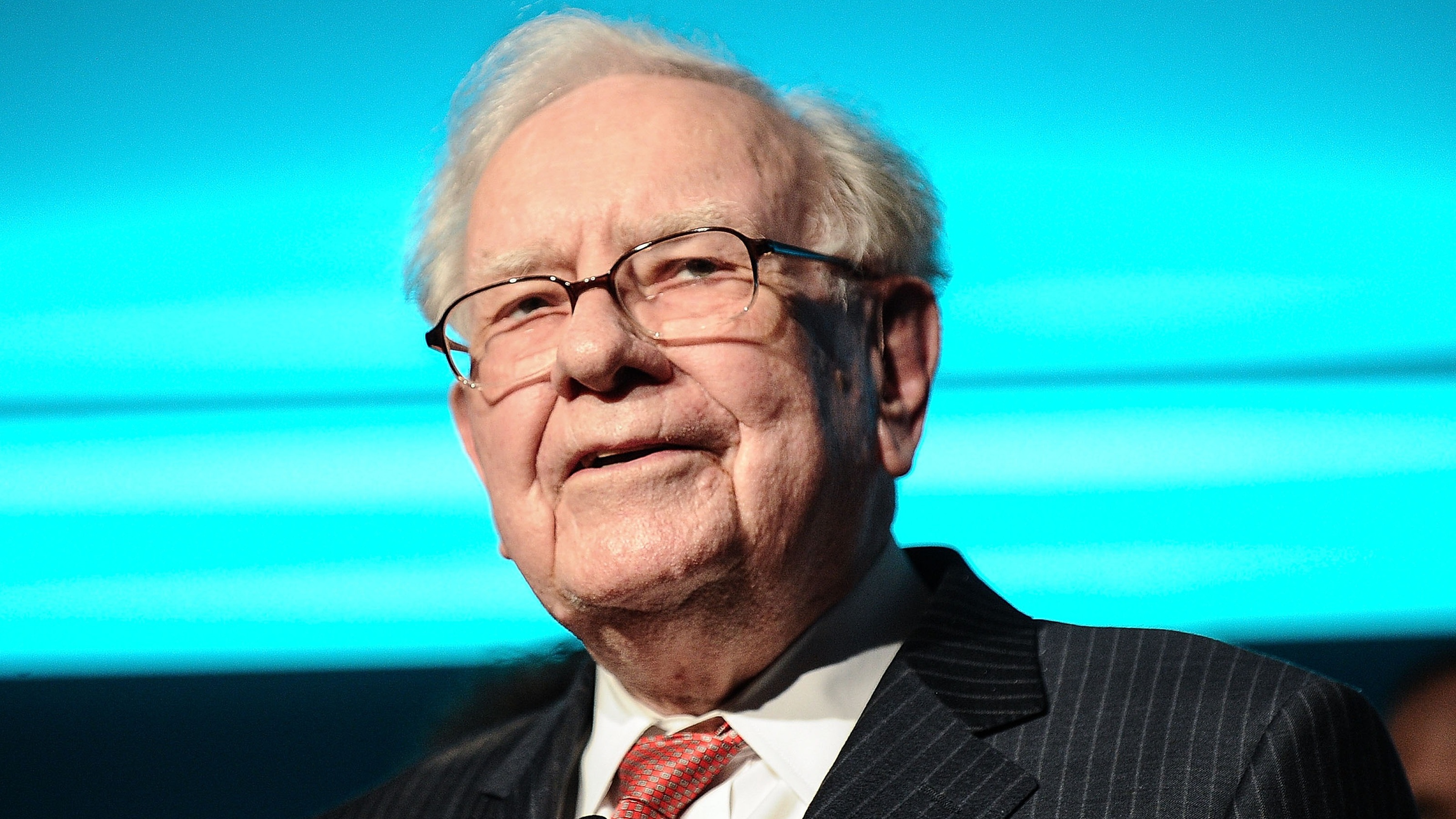
It's one of the most common questions investors ask. But it's not the most important. As Warren Buffett famously said:
"Price is what you pay, value is what you get." That distinction matters — especially when it comes to financial advice.
Most investors focus first on the fee. Is it 1% of assets? A flat annual retainer? An hourly rate? A sales commission built into a financial product?
Price is easy to identify. Value takes more thought. In financial advice, the structure behind the fee often determines the value you receive.
Price and value aren't the same
Price is the visible cost — the dollars deducted from your account or written on a check.
Value is what you receive in return:
- Objective guidance
- Tax savings
- Improved decision-making
- Reduced risk
- Disciplined behavior
- Long-term financial clarity
Two advisors may charge similar percentages. Yet the value delivered can differ dramatically, depending on how the financial advisor is compensated. That's where financial advisor compensation models matter.
Three compensation models investors should understand
In simple terms, financial advisors generally fall into three broad compensation categories:
Commission-based. The advisor is paid when you purchase financial products such as mutual funds, annuities or insurance policies.
Fee-based. The advisor may charge an advisory fee but can also receive sales commissions from certain products.
Fee-only. The advisor is compensated solely by the client and does not receive sales commissions or product-based compensation.
The structure alone does not determine character. There are ethical professionals in every model. But compensation structure does influence incentives — and incentives influence behavior. That's not opinion. That's human nature.
Why compensation structure affects objectivity
Commission-based compensation creates a built-in incentive to recommend products that generate revenue.
Fee-based compensation can create mixed incentives if both advisory fees and product commissions are available.
Fee-only compensation removes product commissions entirely. The advisor's compensation comes directly and exclusively from the client. From a consumer's perspective, that structure can reduce potential conflicts of interest.
When your advisor is paid only by you, the economic relationship is clearer. I like this model because that clarity can enhance objectivity.
Where the value shows up
The value of financial advice rarely appears in one dramatic moment. It tends to accumulate quietly over time.
Solid financial advice may help you:
- Avoid panic selling during market downturns
- Coordinate tax-efficient withdrawal strategies
- Optimize Social Security timing
- Evaluate insurance needs without product pressure
- Structure charitable giving effectively
- Reduce unnecessary portfolio turnover
- Stay disciplined during market extremes
Many of these benefits don't generate headlines. But they compound. Behavioral coaching alone — helping investors avoid emotionally driven mistakes — can add meaningful long-term value.
Tax coordination can preserve wealth year after year. Clear retirement income planning can reduce anxiety for decades. Those outcomes are difficult to measure precisely, but they matter.
The cheapest advice is not always the best value
Investors sometimes chase the lowest possible visible fee. But lower price doesn't automatically mean higher value. Advice that appears inexpensive but is influenced by product incentives can carry hidden costs — through higher internal expenses, unnecessary complexity or misaligned recommendations.
Conversely, a transparent advisory fee paid directly by the client may appear higher at first glance but deliver greater long-term clarity and alignment.
The question isn't simply, "What am I paying?"
The better question is, "What financial incentives shape the advice I'm receiving?"
Questions every investor should ask
If you want to evaluate the value of your financial advice, consider asking:
- How is my financial advisor compensated — specifically and in writing?
- Does my advisor receive any sales commissions, referral fees or product-based incentives?
- Is my advisor legally obligated to act as a fiduciary at all times?
- Is my financial plan comprehensive or limited to investments?
- Are recommendations clearly explained and free from product pressure?
Transparency is foundational to value. If compensation is difficult to explain, value becomes harder to measure.
Peace of mind has real value
One of the most overlooked benefits of objective financial advice is reduced financial stress.
When your plan is coordinated, your tax strategy is integrated and your investment approach is disciplined, you gain something that doesn't show up on a quarterly statement: confidence.
You stop wondering whether a recommendation is influenced by compensation. You stop second-guessing motives. You focus on long-term goals instead of short-term noise. That peace of mind has value.
The bottom line
Buffett's words remain timeless because they capture a simple truth: Chasing the lowest price often leads to disappointment. Seeking long-term value leads to better outcomes.
In financial advice, value is shaped not only by professional expertise and experience, but by compensation structure. Price is what you pay. Value is what you get.
When evaluating financial advice, make sure the structure behind the fee supports the objectivity you deserve — and the long-term results you're trying to achieve.
Related Content
- Fee-Only Financial Advice: Do You Really Know What It Means?
- I'm a Financial Adviser: This Is Why I Became an Advocate for Fee-Only Financial Advice
- 'Fee-Only' and 'Fiduciary' Are Not the Same: A Financial Pro Sets the Record Straight
- Why Flat Fees for Financial Advice Work When They're Tied to Value Rather Than Portfolio Growth
- Want to Hire a Financial Planning Firm? Five Questions to Ask
This article was written by and presents the views of our contributing adviser, not the Kiplinger editorial staff. You can check adviser records with the SEC or with FINRA.