
The Geminid meteor shower, one of the most reliable and spectacular displays of the year, reaches peak activity overnight on Saturday, Dec. 13, into the early hours of Sunday, Dec. 14.
While Geminid meteors can be spotted throughout the night, the best time to watch is after midnight through the early hours before dawn, when rates are typically highest.
That is the best time, because the constellation Gemini, the shower's radiant, climbs higher in the sky as the night goes on. As Earth rotates into the oncoming stream of debris left behind by asteroid 3200 Phaethon, more meteors will streak across the sky. Under perfect dark sky conditions, eagle-eyed meteor hunters may be able to spot up to 150 meteors per hour.
Geminids will start appearing in the mid-evening, so you don't need to stay up all night to catch a glimpse of the show. Still, those who venture out in the early morning hours on Dec. 14 will have the best chance of catching brighter, longer meteor trails.
Where should you look to see Geminid meteors?
The Geminid meteor shower is named after the constellation from which the meteors appear to radiate, Gemini. The constellation sits northeast of Orion, between Taurus and Cancer. It is relatively easy to spot thanks to its two bright stars Castor and Pollux, marking the heads of the celestial twins.
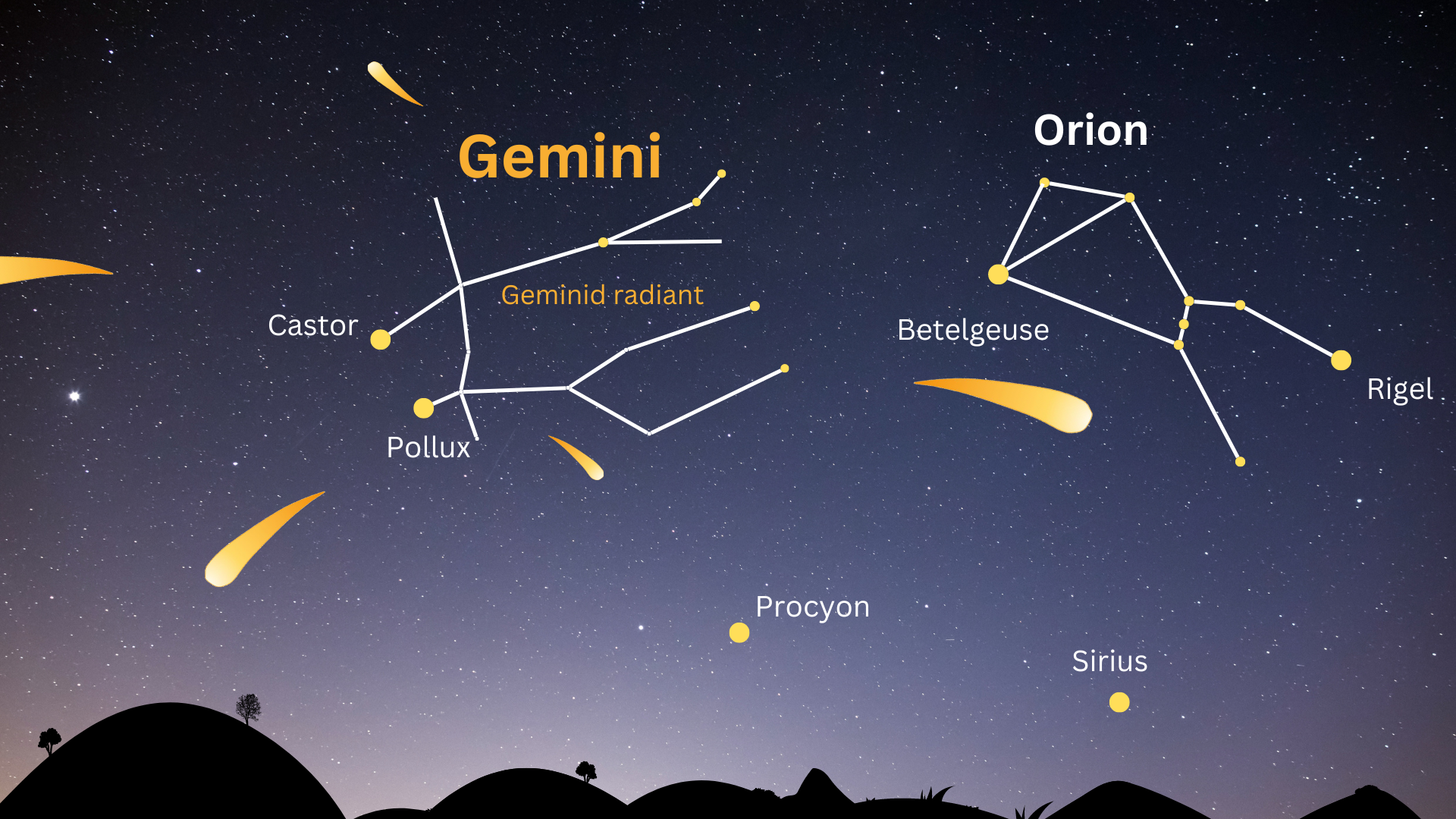
That said, when looking for any meteor shower, never look directly at the radiant. Meteors near the radiant produce shorter streaks and are harder to see. Instead, look toward the darkest part of the sky, slightly away from the radiant, scanning nearby constellations for longer, more dramatic shooting stars.
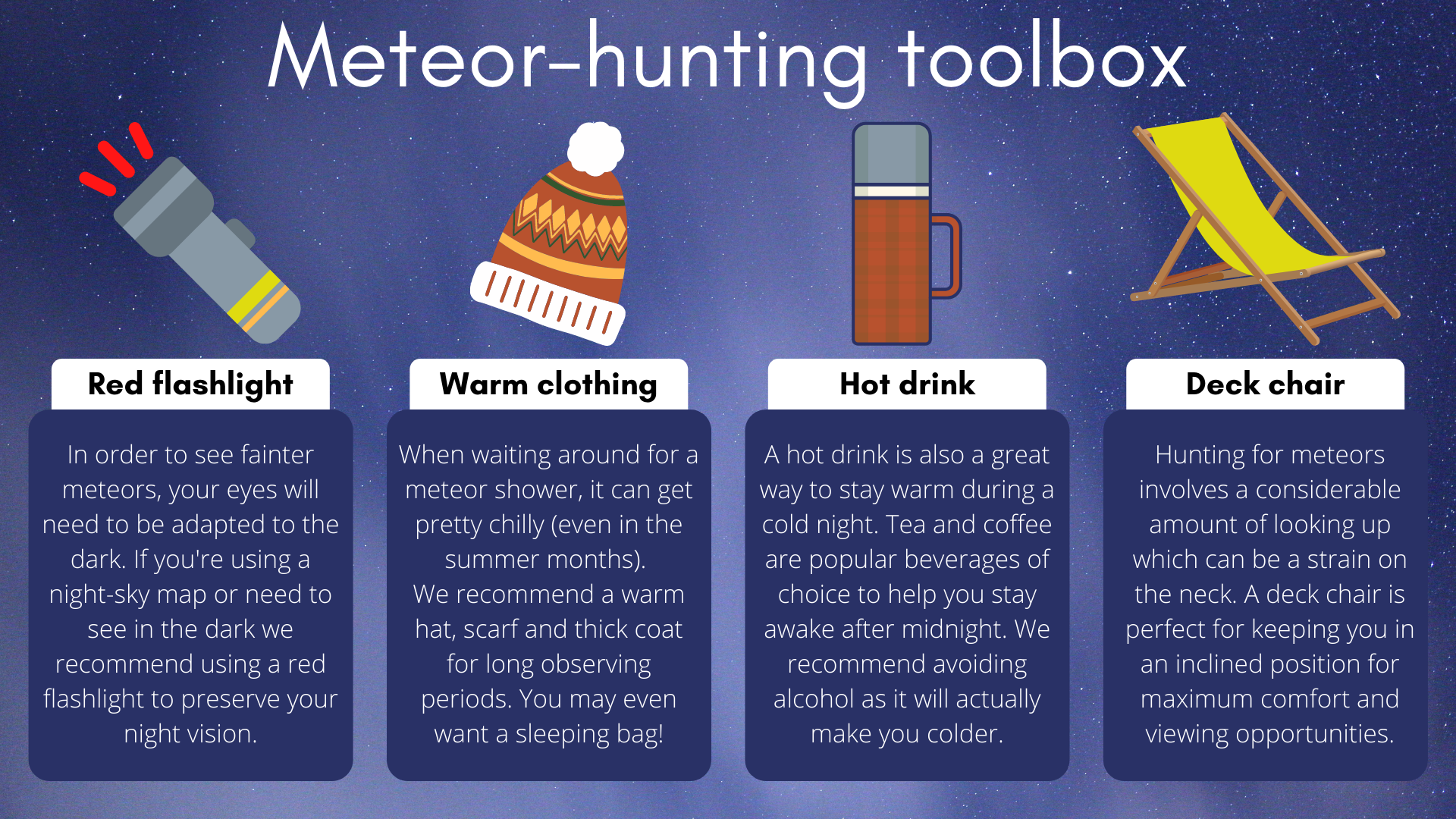
For the best experience, remember to wrap up warm and allow your eyes at least 30 minutes to adjust to the dark. Then simply sit back, relax and enjoy one of the standout skywatching events of the year. Looking to capture a photograph of the Geminid meteor shower? Check out our how to photograph meteor shower guide for more information.
Editor's note: If you capture an amazing view of the Geminid meteor shower or any other night sky view that you would like to share with Space.com for a possible story, send images and comments to: spacephotos@space.com.