Most industries panic when sales are low, but not luxury hotels — they thrive when they're half empty, according to hospitality experts.
They suggest that while it sounds counter-intuitive, when there are no lines at the concierge desk, the pool is serene and the restaurant is tranquil, it's not a failure — and the guest needn't feel they've booked a dud — it's the entire point.
For a luxury hotel, hustle and bustle can actually erode the brand promise of a restful stay and polished service.
Julian Brittano, hotel developer and CEO of The Rook Hotels and The Cornerstone Collection, explained to The Independent that the fewer guests there are, the more bandwidth staff have to deliver personalized service and "craft moments that would feel impossible in a busier setting."
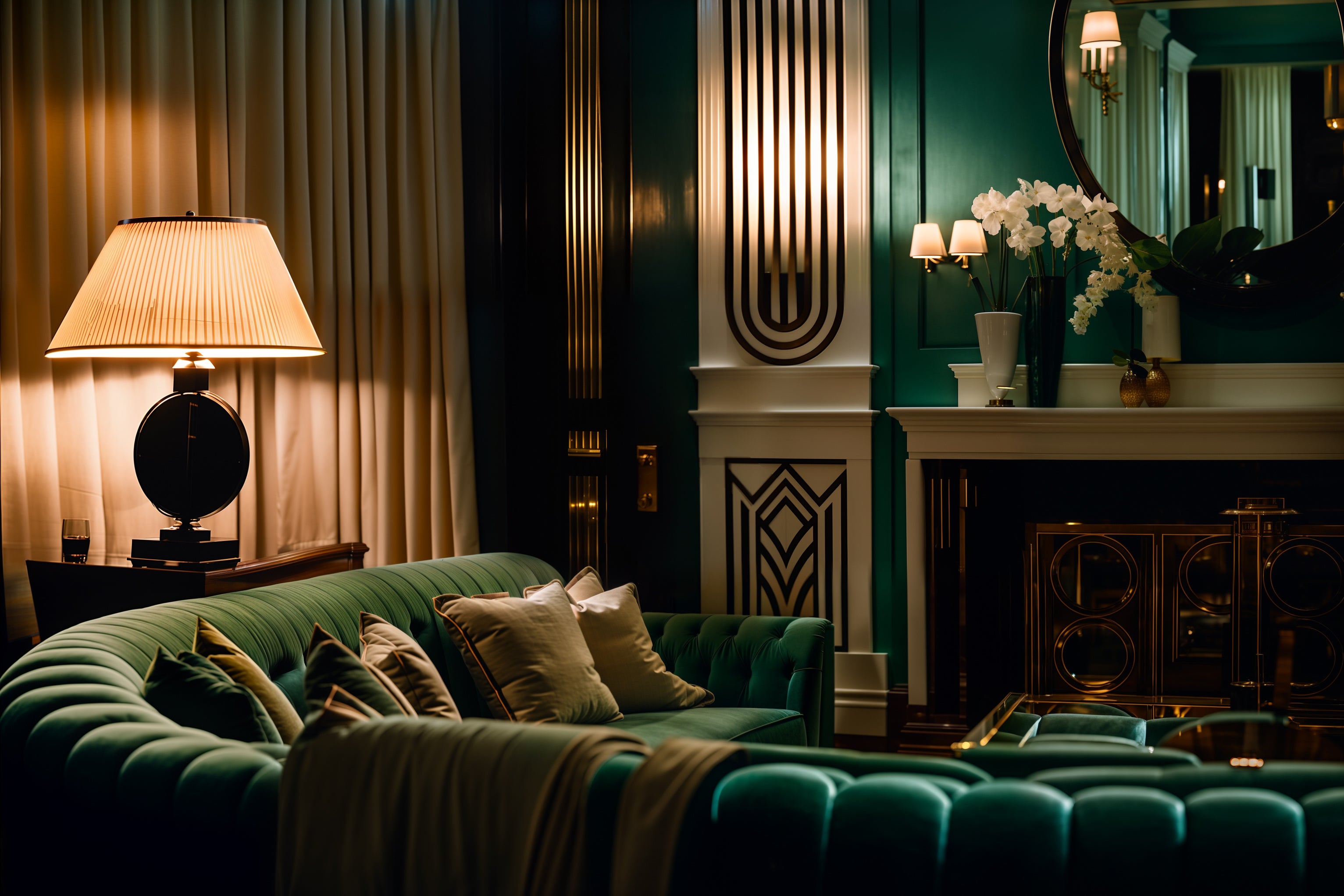
He continued: "A half-empty hotel embodies privilege. In this context, low occupancy isn't inefficiency — it's intentional curation.
"The guest perceives it as exclusivity, and the brand strengthens its equity by delivering on that promise."
Minkyung Kim, assistant professor of marketing at Carnegie Mellon University's Tepper School of Business, agreed, adding: "Luxury hotels accept lower occupancy as the cost of delivering a less crowded, higher-quality experience."
How do luxury hotels ensure they're never crowded? It’s unlikely they’d ever prevent rooms from being sold (known as inventory blocking), but travelers can be filtered out by aggressive pricing — some charge over $1,000 per night.
The knock-on effect is that if the guest enjoys the service and feeling of space, the hotel may be able to generate multiples of its nightly rate through the happy guest making restaurant and spa bookings.
In terms of total spend, one wealthy guest can generate the revenue of three or four mid-tier customers.

Mr Brittano added: "Volume is not the KPI in luxury hospitality. Yield per guest, brand equity, and exclusivity drive long-term success.
"A property that feels 'too busy' risks diluting its positioning. One that embraces spaciousness amplifies loyalty. In luxury, half empty is full of meaning."
The model is certainly working in the U.S., partly thanks to the rapid rise in stock-market and real-estate values since the pandemic giving higher-income earners even more money to play with.
Average luxury hotel room rates are at a record high of $394, yet bookings for luxury properties were up 2.5 percent year-to-date through September, according to hospitality analytics firm CoStar.
The world’s 10 best restaurants have been revealed — and two of them are in the US
First look at new Disneyland Paris park: Inside Disney Adventure World as launch date is announced
Tourists told to stay away from US beauty spot
Kenya rejects fears luxury lodge will block wildebeest migration corridor
The best hotels in Lanzarote for spas, families and all-inclusive holidays