
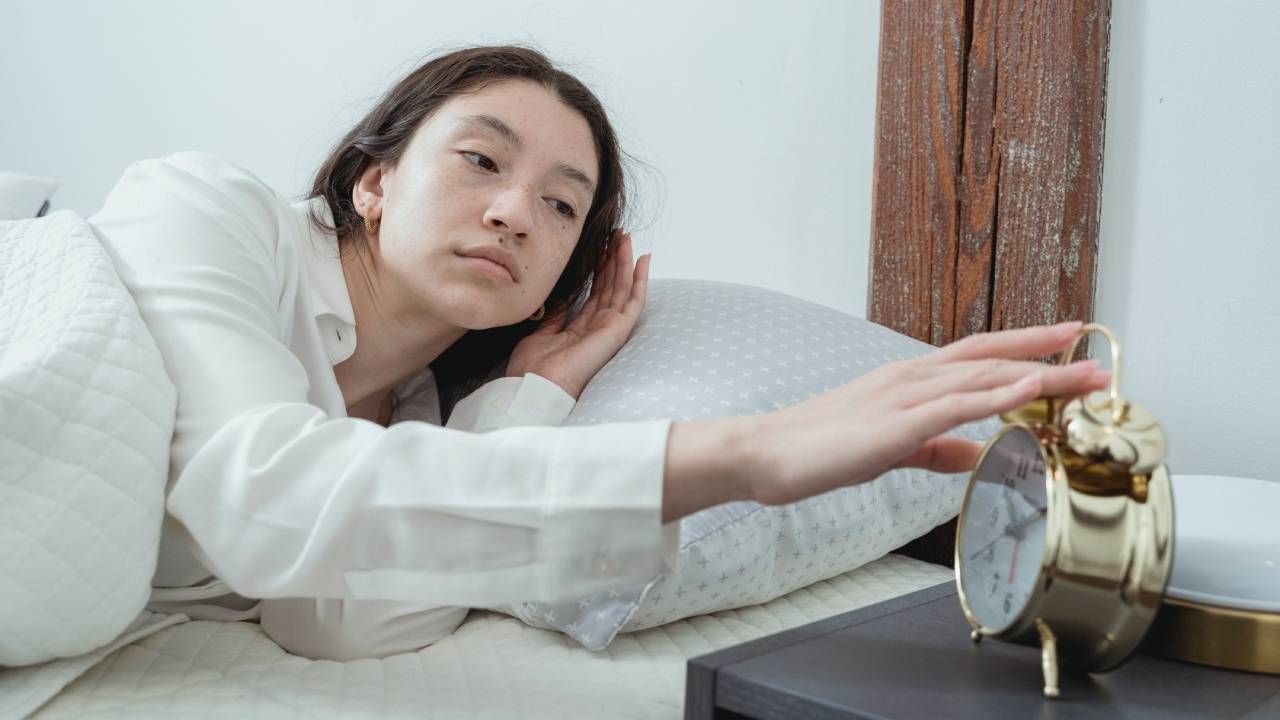
As we enter autumn and winter, it’s the time of year the clocks go back, meaning the days will get shorter and the evenings will get dark earlier.
Twice a year, the clocks change to reflect the changing of the seasons. The clocks go forward at the start of summer and go back at the start of winter, taking our clocks from British Summer Time (BST) to Greenwich Mean Time (GMT).
But when do the clocks go back in the UK in 2025? Do we have to do anything for it? And most importantly, how do we still get a good night’s sleep after the clocks change?
When do the clocks go back this year?
According to GOV.UK, the clocks will be going back on Sunday 26th October 2025 this year in the UK. The clocks go back by 1 hour at 2am, so depending on your sleep cycle, you should already be asleep!
The clocks will be in GMT for months until they go forward again on Sunday 29th March 2026. After the clocks change, the sun will start to set between 4 and 5pm.
So, which clocks will you have to change? Lucky for you, smartphones and laptops will automatically update themselves but if you use an analogue clock, you’ll need to change it manually. Car and oven clocks will need to be updated by you, too.
Do we lose or gain an hour of sleep?
When the clocks go back, we gain an extra hour. Many people will love this as it means you get an extra hour in bed, which is great for those not getting enough sleep at night.
While many of us are already looking forward to the clocks going back, an hour extra of sleep a night can affect your sleep schedule. The shorter days and darker mornings / evenings can contribute to leaving you feeling tired, and many will experience signs and symptoms of seasonal affective disorder.
To help you prepare for this extra hour on the 26th October, here’s how to ensure you get the best night’s sleep without disrupting your sleep cycle.
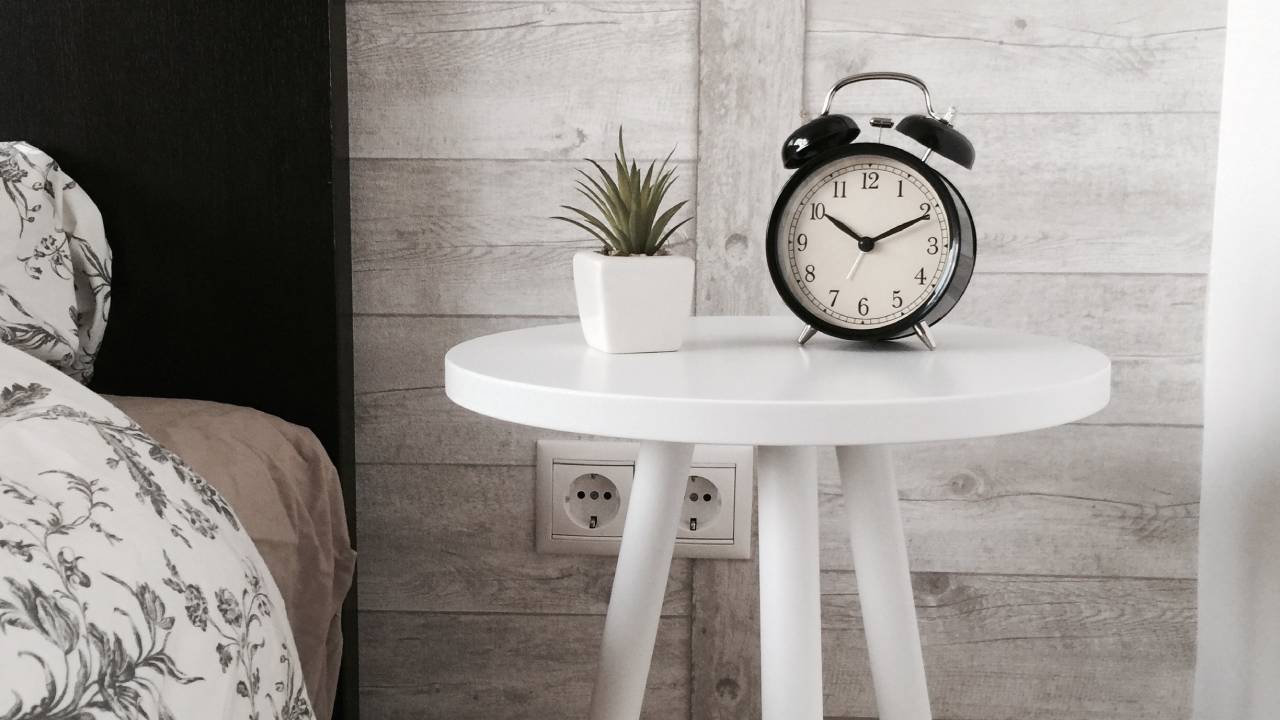
How to get the best sleep when the clocks go back
1. Adjust your bedtime before the clocks change
Firstly, adjust your bedtime in the lead-up to the clocks changing. While a lie-in on a Sunday sounds dreamy, the extra hour in bed can make you feel groggy and lead to you staying up later in the night and feeling tired the next day. Start by going to bed about 15-20 minutes earlier during the week the clocks change, so it doesn’t feel too unusual when the clocks go back.
2. Aim for 8 hours of sleep
Next, stick to eight hours of sleep or however much you need to feel your best when you wake up. Even an hour more or less makes a difference to your circadian rhythm and hormone production. Try to stick to the standard time you wake up in the morning, follow your routine and avoid napping in the afternoon.
3. Limit caffeine
It’s a good idea to consume caffeine the same time you normally would as you could become more reliant on tea or coffee at an earlier time, which will disrupt your body’s cortisol levels. See what time you should stop drinking coffee for more details.
4. Adapt your sleeping space to reflect the day
When the clocks go back, the mornings will become brighter earlier and the evenings will get darker quicker. To combat this, make your room dark to avoid unnecessary morning light.
5. Use a wake-up light for gentler mornings
As the sun begins to rise, use a wake up light to get used to the brighter mornings. The best wake up lights gradually brighten your room so you wake up more naturally, perfect for the lighter starts to the day. For more sleep advice, check out how to avoid daylight savings jet lag.