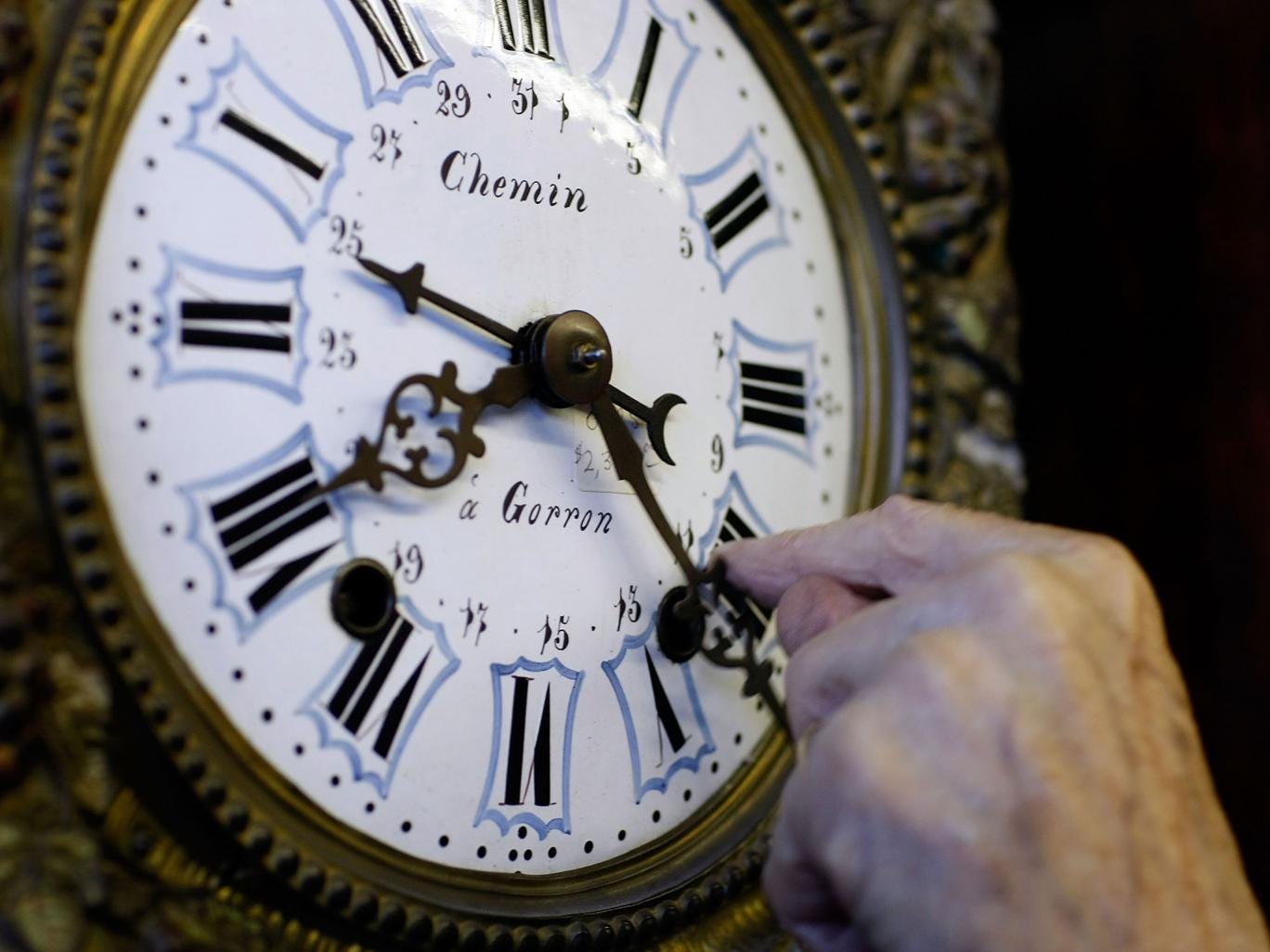
The clocks are due to go back this weekend. Here is everything you need to know:
At 2am on Sunday morning, 25 October.
It was thought putting the clocks back – first implemented during World War One in 1916 – would reduce the nation’s coal usage by cutting down the number of working hours in darkness.
Since then, we have stuck with the system despite some opposition. However, during the Second World War we moved the clocks again to double summer time (GMT + two hours) in a similar attempt to increase productivity.
When the clocks go back we revert to Greenwich Mean Time (GMT), and when they go forward for the summer it is known as British Summer Time (BST).
William Willett in 1907. Unfortunately, he failed to live long enough to see his idea come to fruition, dying in 1915. He felt Britons were wasting valuable morning hours and proposed setting the clock forward by 80 minutes in four steps over April, and then reversing it in September.
On the summer solstice the UK enjoys 16 hours and 50 minutes of sunlight – but this high falls dramatically to just seven hours and 40 minutes during the winter months.