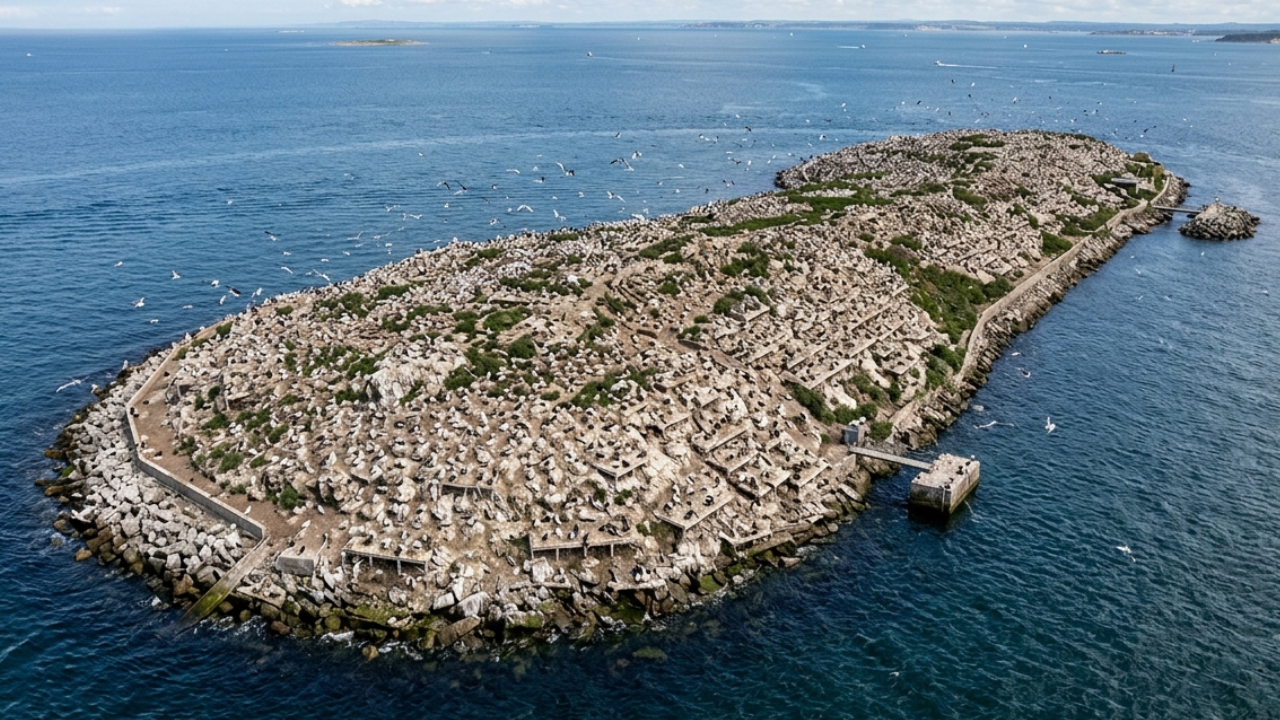
For thousands of years, wetlands have provided natural nesting, feeding, and resting habitat for waterbirds. However, owing to changes in urbanization, agriculture, and water systems around the world, many species of birds have lost their homes. As a result, conservationists in countries such as the U.S. have begun building artificial islands in wetlands to give birds safer places to breed.
Get breaking news anytime, anywhere. Download the TOI app now!
Although artificial habitats cannot replace natural wetlands, studies suggest they can be important conservation tools.
Global loss of wetlands
Wetlands are some of the most productive ecosystems in terms of biology. They serve a number of purposes in supporting wildlife, maintaining water quality, storing carbon, and reducing the effects of flooding. Human intervention has led to the loss of many wetlands across the globe. In an article published in PLOS ONE in 2018, the decline in wetlands has affected the ecological functions of wetlands and has endangered the biodiversity, especially waterbirds, which depend on wetlands for food and reproduction.
The authors, Efthymia Giosa, Christos Mammides, and Savvas Zotos, surveyed 19 wetlands on Cyprus, 13 artificial and 6 natural, using monthly bird counts from 2009 to 2011, and found that larger, shallower wetlands held more species. They also reported that bird diversity was higher where wetlands were surrounded by more hunting reserves and fewer roads, suggesting that even artificial wetlands can support important waterbird communities when disturbance is limited.
Their findings indicated that natural wetlands were home to a greater number of species as well as a higher abundance of birds. Some man-made wetlands could support equally diverse bird populations, provided they had favorable qualities like large size and shallow water.
Building islands predators cannot reach
Finding water is one challenge for waterbirds, but finding safe nesting sites is often harder. Artificial nesting islands help by creating distance between breeding waterbirds and land predators such as foxes, raccoons and other mammals that can destroy eggs and chicks.
Studies conducted in the United States have investigated how island design affects bird breeding outcomes. In an article written in the Journal of Wildlife Management , researchers studied waterbird nesting habitat islands in wetlands and noted that nest numbers were affected by certain island features, including distance from shore. It was observed that those islands not near the shores had better breeding success for nesting birds due to reduced predator access.
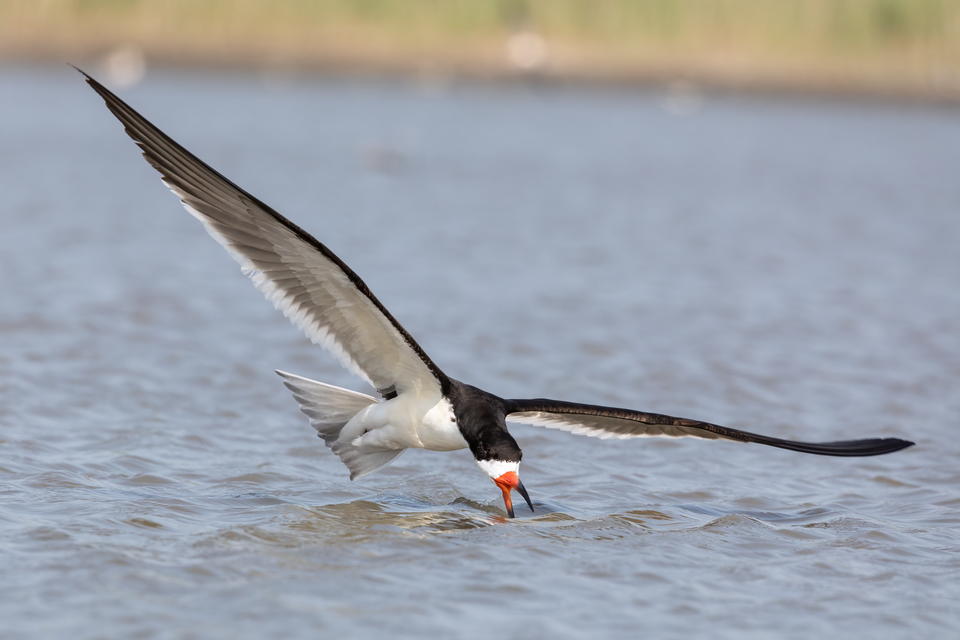
Artificial islands are now being used to help wetlands in the United States
In North America, artificial islands have been used to help species that live in wetland ecosystems.
In the prairie region of the United States, scientists have found that artificial islands in wetlands can provide crucial nesting grounds for waterfowl. The research found that mallards and Canada geese used the islands for safety. Similar strategies have also been used in coastal wetlands. For example, research has examined how managed wetland islands can create breeding grounds for birds such as American avocets, black-necked stilts and Forster’s terns in California’s San Francisco Bay Area.
In a study conducted by the US Geological Survey , it was found that the design of the island itself was significant in influencing the waterbird nesting success and abundance. It was stressed that strategically designed islands could be important breeding habitats.
Helping hands instead of a substitute for nature
Natural wetlands are complex ecosystems that have developed over thousands of years and include plant communities, insects, fish, and microscopic organisms that man-made wetlands cannot fully mimic. The Cyprus research revealed that although some man-made wetlands had high bird diversity, natural wetlands were more valuable due to a higher presence of birds and specialists.
Experts suggested that man-made wetlands should be seen as a supplement to wildlife conservation, not a replacement for natural wetlands. As development and climate change threaten wetlands, conservationists have turned to artificial nesting islands.
For birds that have lost their natural habitats, the artificial islands provide an important breeding ground.