'We used to spend around 200 baht for a pot of soup for the whole family, but now we spend at least 250 baht for the same amount," says Nantiya Thongsuk, 13.
Nantiya, known as Namwan, is in eighth grade and the second child of the family. After school most afternoons, she goes to a nearby market to pick up ingredients for dinner. It is one of the few things she can do to help her family and lately it has started to feel like a losing battle.
Fifty baht may not sound like much, but for Namwan's family, it's the difference between eating or going hungry.
Namwan is not alone. Thailand is in the grip of what officials have described as its worst energy price crisis on record. Global fuel costs have been soaring for more than a month and the effects have been rippling through Thai households.
Fuel prices have risen by around 40% since February. The increase does not stop at the pump. Higher fuel costs push up transport costs -- transportation inflation reached 11.4% in April -- which in turn pushes up the price of food, medicine and nearly everything else that moves on a truck. The country's poorest families are feeling the crisis every day.
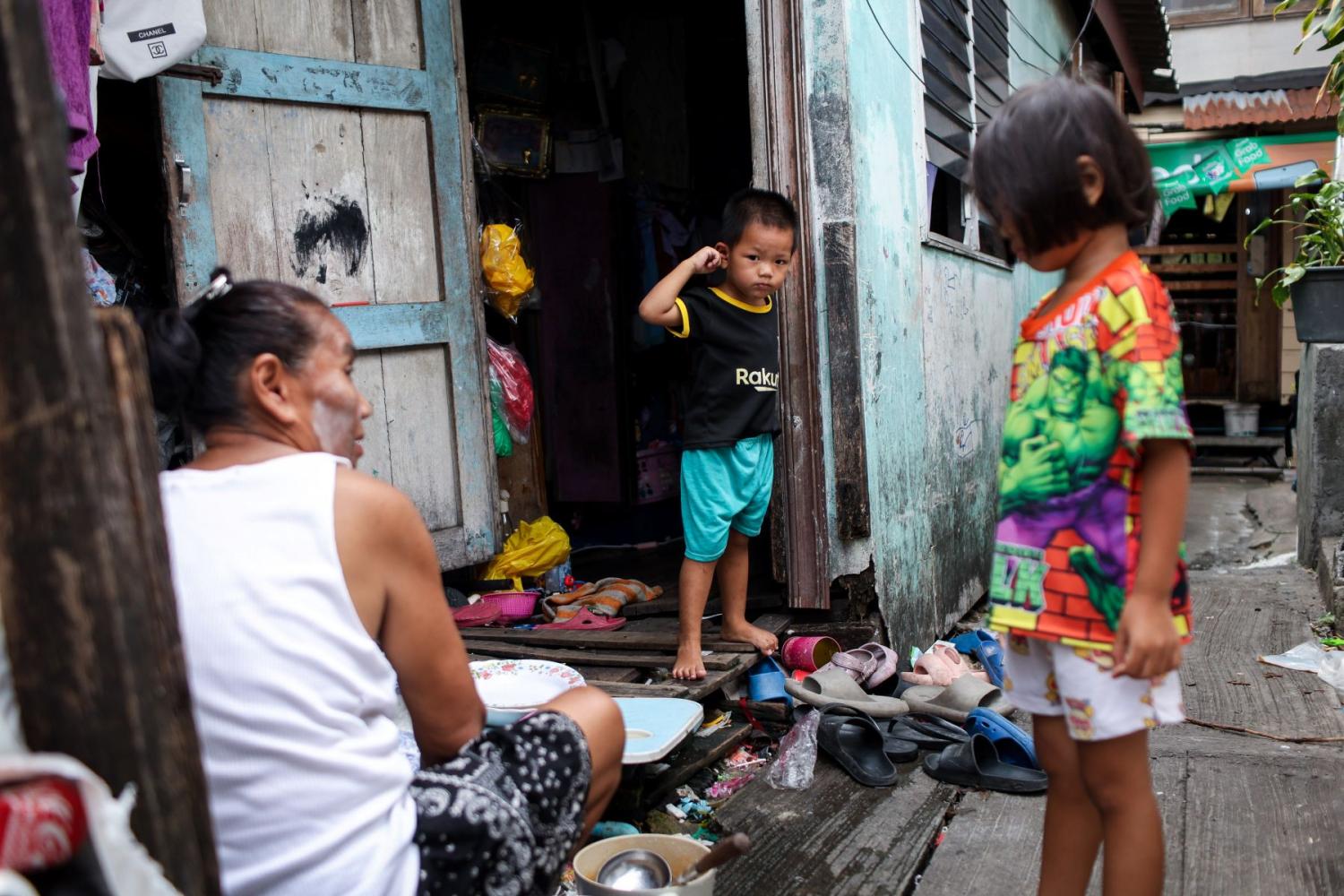
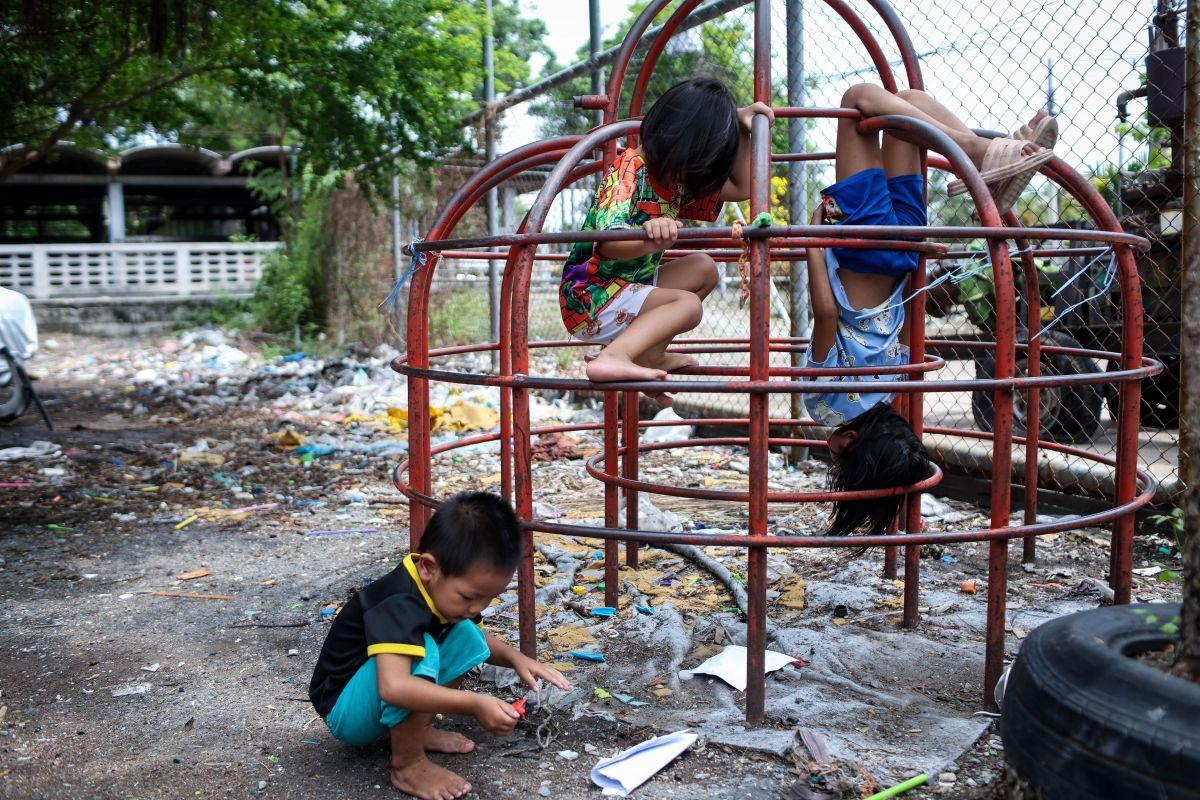
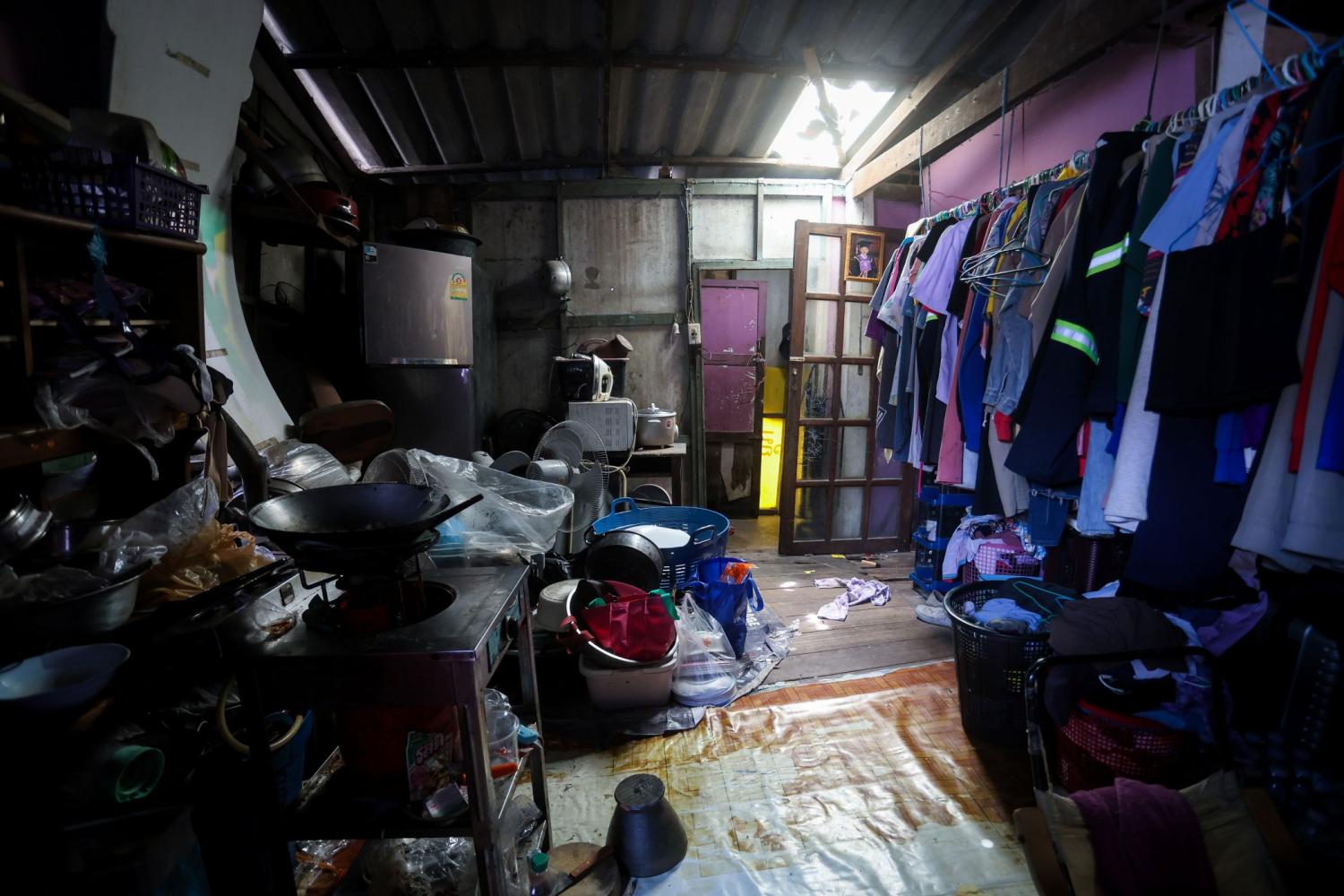
Namwan lives in one of the most disadvantaged communities in Bangkok in a rented wooden house of roughly 50m² with her father, her disabled mother, her grandmother and four siblings.
Parts of the floor have collapsed and cannot be used. What space remains is partly taken up by waste waiting to be sorted and recycled, the family's secondary source of income. Her mother's hospital bed is pushed into one corner and five children share a few mattresses under a single mosquito net. Her father sleeps on the sunken floor near the entrance most nights because his usual spot at the back is too hot and stuffy to bear.
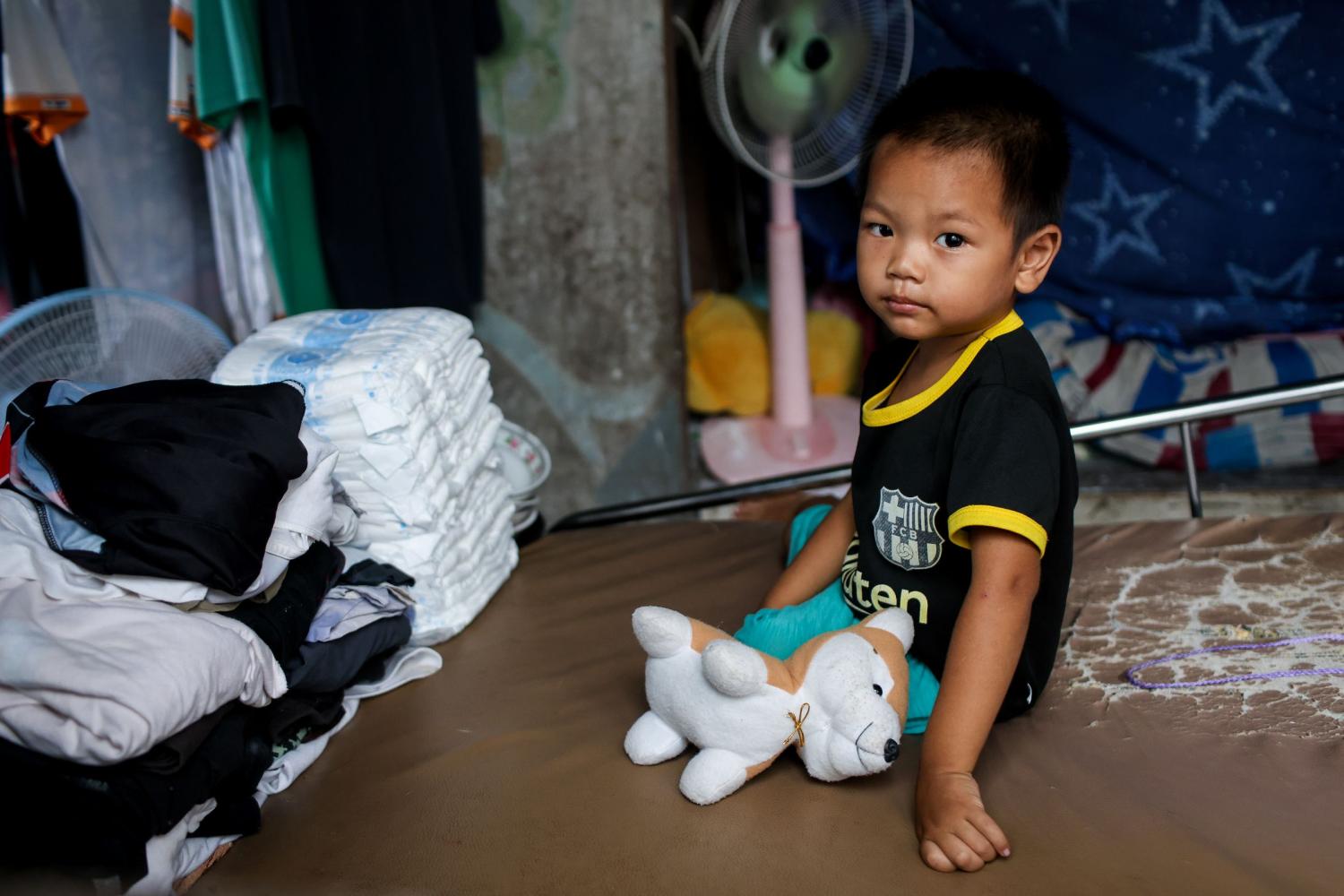
The refrigerator is also almost empty.
Namwan's father drives a garbage truck and brings home around 12,000 baht a month. Everyone old enough to help sorts recyclable waste at home, which adds around 4,000 baht extra each week if things go well. It is still never quite enough.
Namwan did not grow up feeling poor. Both her parents worked and there were only two children at the time. But her mother had developed serious health problems and mobility challenges before the birth of the youngest child, now nearly three years old. More children, less income and prices soaring every month.
"Sometimes I buy a bowl of noodles so the kids can eat the meat and I finish the soup and some noodles," says Lek Thongsuk, Namwan's grandmother, who takes care of everyone at home while the father is at work.
"Families at the bottom are already stretched to the limit," says Kontee Nuchsuwan, social policy specialist at Unicef Thailand. Kontee is one of the Unicef experts closely monitoring the current crisis and working with partners to seek long-term solutions for the poorest families.
He notes that many low-income households are highly indebted and already spend a large part of their income on food, fuel, transportation and debt repayment. Families with children are hit harder still.
Doctor visits, school fees and the daily cost of raising children means they are carrying too much debt even before a crisis arrives. Thailand's household debt stood at 86.7% of GDP in the fourth quarter of 2025, according to the Bank of Thailand. There is very little buffer left.
When a new shock hits a household, they often cope by opting for cheaper food or cutting down on meals or education-related costs. That has real consequences for how children grow and learn. Even when families manage to keep their children in school, the pressure at home follows them there.
It shows up in their concentration, attendance and grades. The first four children are attending school again as it reopened, however, the youngest child stays at home because the family can't afford the transport fee to the nearest early childhood development centre.
"Higher living costs and school expenses may stop children from going to school," Kontee says. "In the worst cases, families may be forced to seek additional sources of income, making school dropout inevitable for some children."
Among children under five in the poorest households, 27% show developmental delays, against a national average of 22.2%. More than half of children aged six to 14 in the same households lack fundamental reading and maths skills for their age.
Among families below the poverty line, 62% of children leave school after completing compulsory education at Grade 9. For boys, the pull into the labour market often comes even earlier, and getting them back into education is neither easy nor cheap.
"Crises like this don't only cause immediate harm, the impact can last for years," Kontee says. "Families with young children and people with disabilities are often among the most vulnerable. Without timely support and protection, these crises can have lasting effects on children's health and development, and ultimately undermine Thailand's human capital development, its very future."
Namwan receives 120 baht a day. Half of that goes on transport to and from school. She is not sure whether she and her siblings are eating well enough, but she can't brood on it. It is just how things are.
She has heard about the global fuel crisis and her father showed her a news report a few weeks ago. But the link between what is happening in global energy markets and what she pays for a pot of soup is not something she has worked out. She only knows things cost more than they did.
To ease the current crisis, Unicef Thailand welcomes the government's recent decision to provide a 700 baht flat-rate top-up to State Welfare Card holders over four months and recommends building on this measure through more targeted support.
Unicef proposes additional assistance for households with children and persons with disabilities, who face greater needs during periods of economic stress through expanding temporary cash top-ups across existing Child Support Grant and Disability Grant programmes, potentially reaching an additional 4 million households.
Namwan will keep trying to help her family but, at 13, often feels helpless.
"I don't know how to make life better," she says.