Leeds College of Art certainly know a thing or two about art and design. The college is a specialist – it only teaches art and design subjects – and has been doing so since 1846. Here are its staff and students’ top tips on what to think about when applying to art school.
How do I decide which art school to go to?
Sheila Gaffney, head of BA (Hons) fine art
“Visit it. This is where you will be for three years. You will have to like the smell, the rooms, and the feel of the community of practice in action. Reputations come and go, but the environment is likely to have a stable identity.”
Hamish Irvine, student, BA (Hons) photography
“I chose Leeds College of Art because it only teaches art and design. It’s a specialist art school. I wanted to be in an environment with students studying just creative subjects. Being able to collaborate with other creative courses in the same building is brilliant and there’s a real art community feel. Think about what you want.”
Laura Palmer, student, BA (Hons) printed textiles and surface pattern design
“Visit a range of art schools to pick up on the vibe of the college and see if you can imagine yourself working there.”
Fred Bates, head of BA (Hons) graphic design, illustration and animation
“Do you want to be working as a professional from day one, set up in a studio environment? Do you want to be in everyday working with staff and students? That’s what you’ll get at Leeds College of Art. The studio culture becomes your social and working environment.”
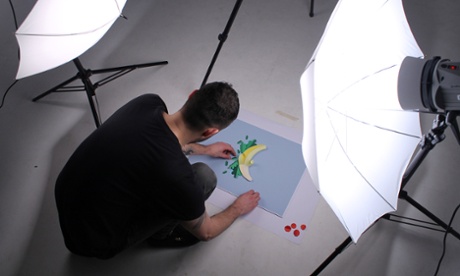
What to look for on an open day
Josiah Craven, student, BA (Hons) graphic design
“The atmosphere is always a big thing, do you feel like you would enjoy working here? The best art colleges will have that community feel with cross-course collaborations between specialisms and knowing the majority of people in your year - no matter what course they’re on.
But this applies to the staff too, so watch out for if the tutors actually know the students and vice versa - the course sizes are big factor for this. Make sure you’ll be a name and not just a number to be part of the community and get the most out of your time in arts education.”
Duncan Harrison, head of BA (Hons) printed textiles and surface pattern design
“Speak to staff and students to find out what competitions, industry links and placement opportunities there are. It is vital that you’re engaging with businesses and employers and entering competitions throughout your course.
“Many of our staff develop their own design practice and are working with the creative industries, alongside teaching, this opens up so many opportunities for our students. Our students also sell their work at many industry standard trade fairs, such as at Indigo in Paris and New Designers in London.”
Adrian Davies, head of BA (Hons) photography and BA (Hons) fashion photography
“Facilities. Have a really good tour of them. It’s really important when you’re at art school that the facilities are industry standard, ie you’re using the standard of equipment that professionals use on a day-to-day basis, so that you’re set to go when you graduate.
“You need to check out the studios and workshops, what equipment and computer suites do they have? Can you use the studios and workshops at any time? Or is there set times you can use certain ones each week? At Leeds College of Art our students have full access to industry specification studios and equipment.”
Sam Hudson, programme leader, BA (Hons) fashion
“Do your research; make sure that a specialist arts institution is where you want to spend the next three years, and the programme’s ethos inspires you. Do you like the location of the art school?
“Leeds is an exciting, and ever expanding city; being a hub for students and young professionals, it offers many opportunities for fashion students, such as independent art spaces, fashion pop-ups, boutiques, exhibitions, cultural events and cool bars and restaurants. Our fashion degree is closely connected with the city, through live projects and exhibition opportunities.”
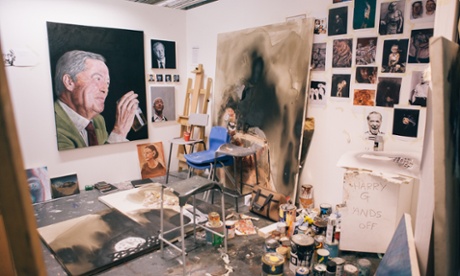
How to build a perfect portfolio
Sheila Gaffney, head of BA (Hons) fine art
“There is no set answer. We want to see your creative personality, your abilities and your experience in other fine art learning situations. So your portfolio should include diverse examples of qualification based work, personal work, developmental work, ideas, scribbles and notes, and work you feel is complete.”
Fabio Fragiacomo, programme leader, BA (Hons) creative advertising
“Potential is the only requirement as creativity can be identified in any medium or format. Show me something you are proud of, its process and execution.”
David Collins, principal lecturer, BA (Hons) visual communication
“If it’s for a design course don’t just include finished work, also present one brief you have worked on in a more comprehensive way from rough sketches through to final designs”
Josiah Craven, student, BA (Hons) graphic design
“Just be you. It’s all about you. Always include projects that you’ve enjoyed working on or on subjects you enjoy - as there’s a large correlation between your interests and the quality of work produced.
“For example – do you like crisps? Then do a project on crisps. You also need to remember that you’re applying to further your learning, not for a job. So include your workings-out, from that little sketch you did on the bus one time to projects that are still work-in-progress, as again – this shows you.”

How can I do my best at interview?
Fred Bates, head of BA (Hons) graphic design, illustration and animation
“We don’t dictate the interview; it’s more about what you can bring to the interview, what questions do you have for us? It’s really important that we see your passion, interests and ambitions more than anything. We need to visualise working with you in the studio on projects and briefs as we’ll be working really closely with you at a specialist art school”
Laura Palmer, student, BA (Hons) printed textiles and surface pattern design
“Every art school will have a different vibe and focus, convey that your unique style will be appropriate and thrive in their creative environment.”
Ryan Daley, student, BA (Hons) graphic design student
“Be yourself; don’t read off a script because you don’t know what the tutors are going to ask you, so it will throw you off. Go for it! You’ve nothing to lose!”