What would Yuri Gagarin have thought? 21st century spacemen
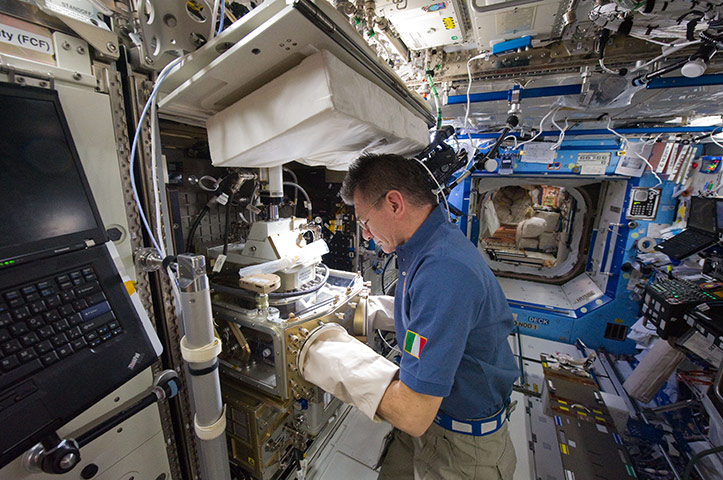
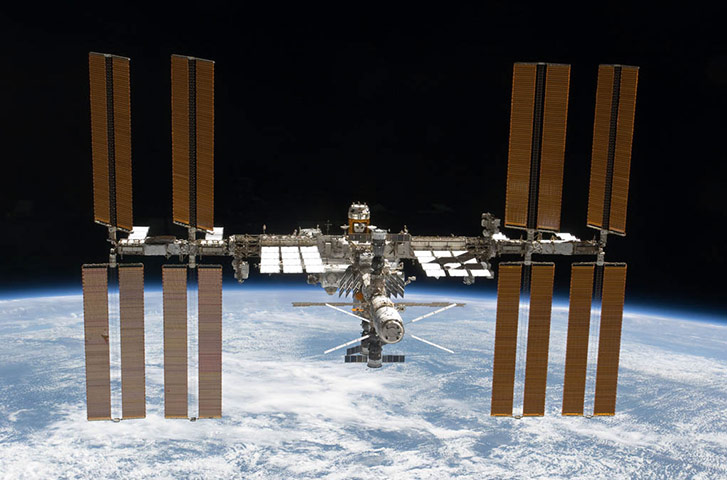
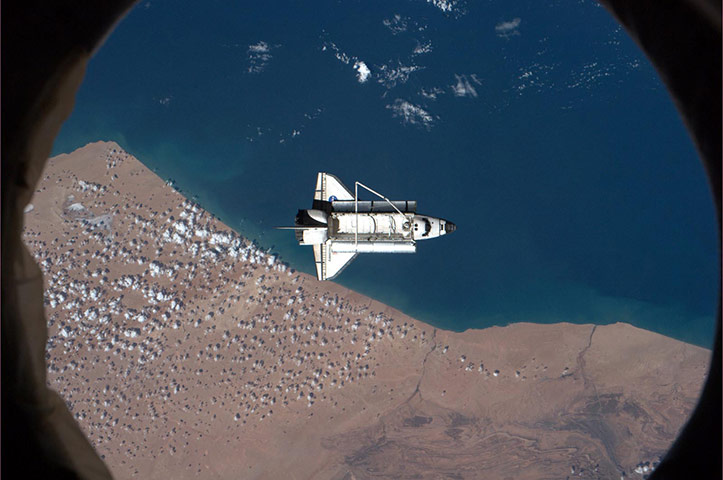
Esa astronaut Paolo Nespoli working with the Light Microscopy Module in the Destiny laboratory of the International Space Station on 8 March. Nespoli filmed the Earth from the ISS for the film First Orbit, marking the 50th anniversary of Yuri Gagarin's pioneering space flightPhotograph: ISS/ESA/NASAThe International Space Station on 7 March with the ATV2 autonomous supply vehicle (with solar panels in cross-shaped configuration)Photograph: ISS/NASAThe space shuttle Discovery photographed from the space station over southern Morocco during a manoeuvre before its final return to Earth on 7 MarchPhotograph: ISS/ESA/NASA
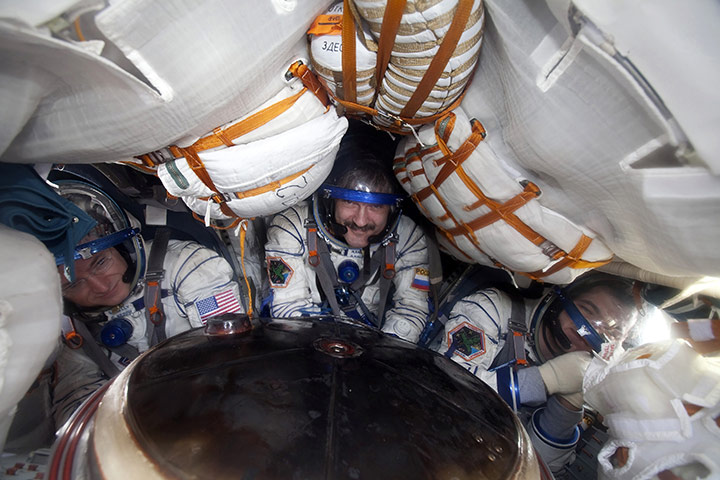
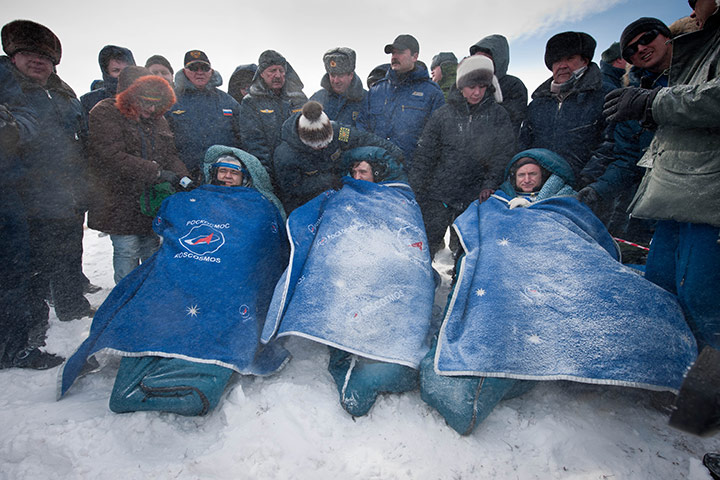
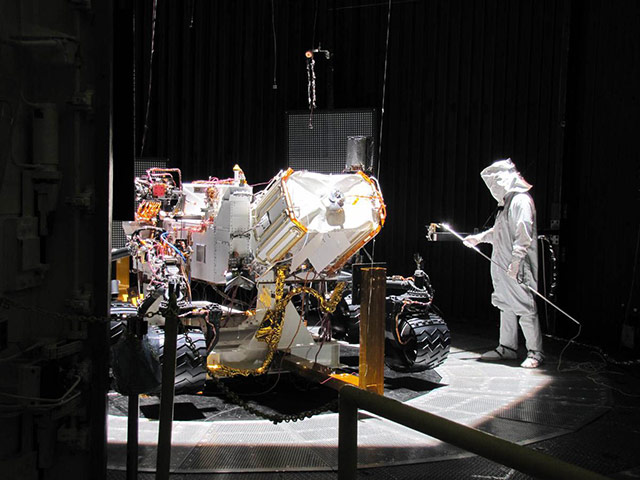
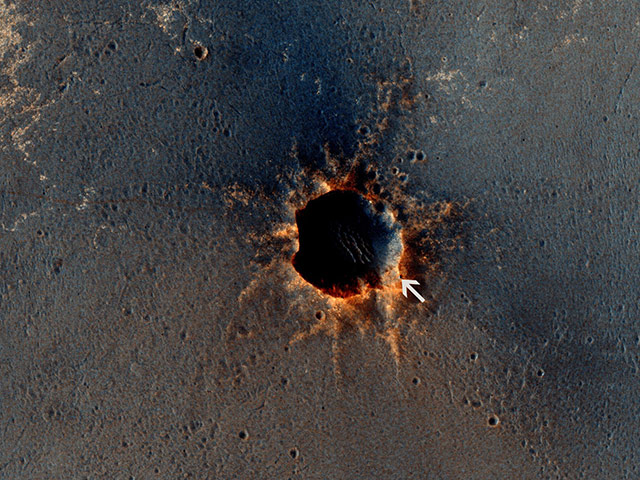
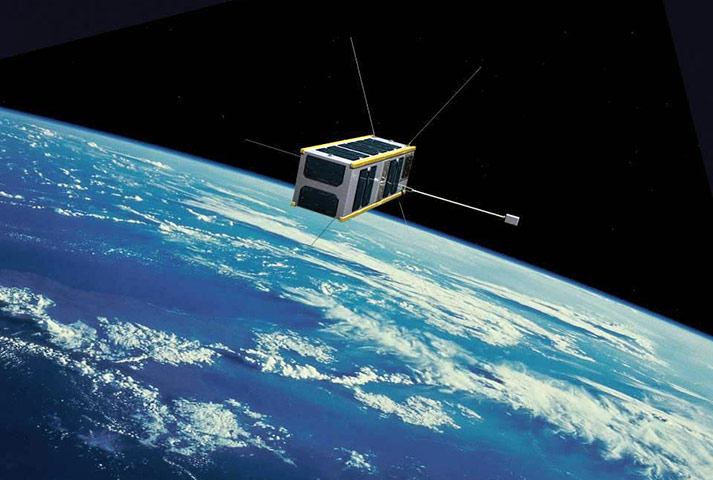
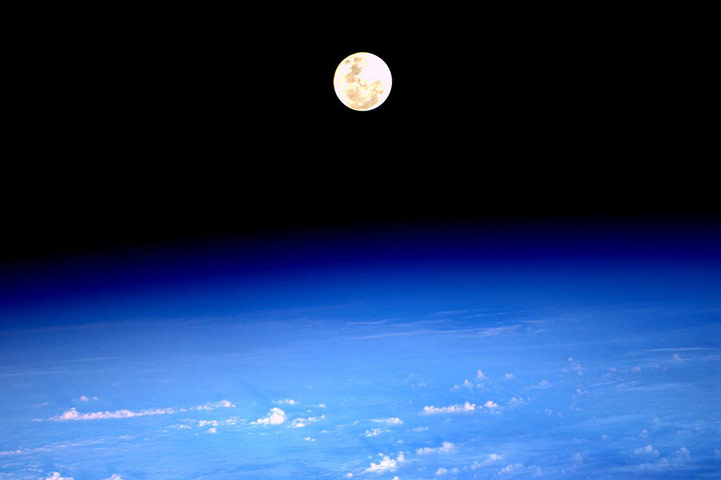
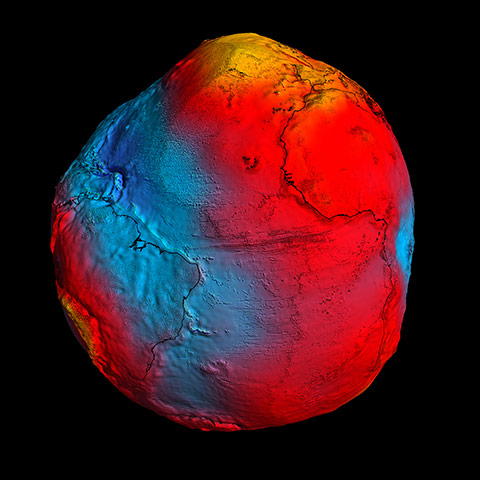
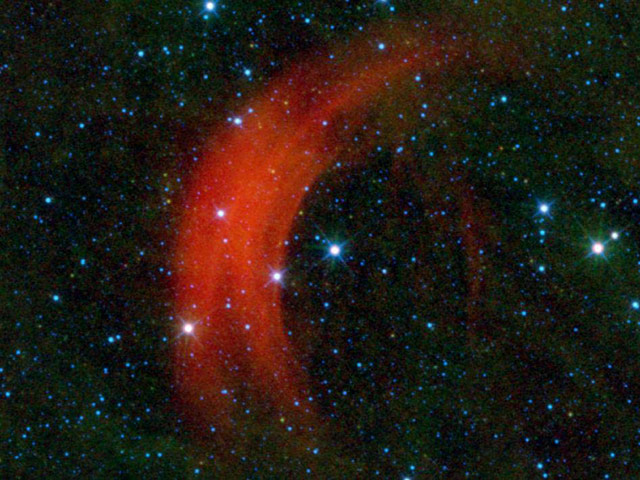
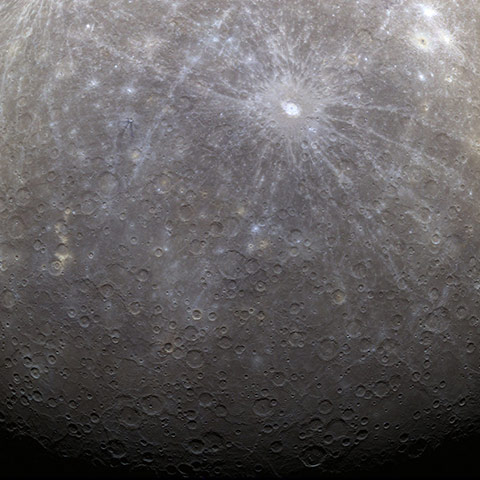
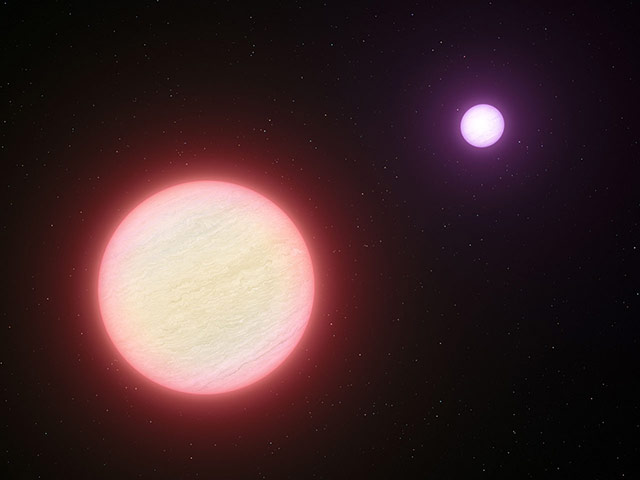
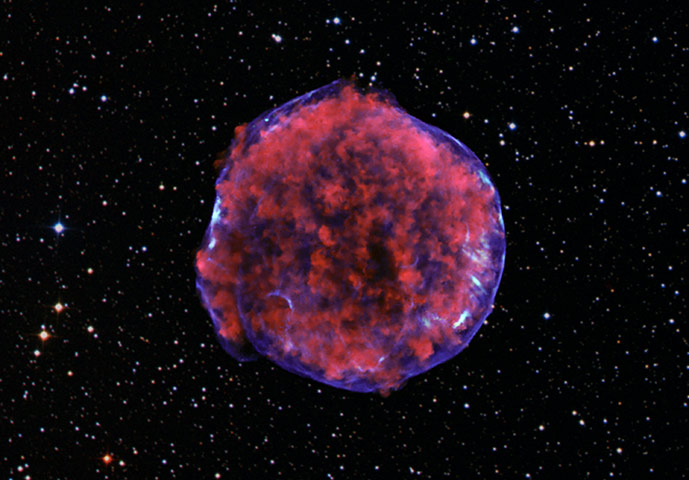
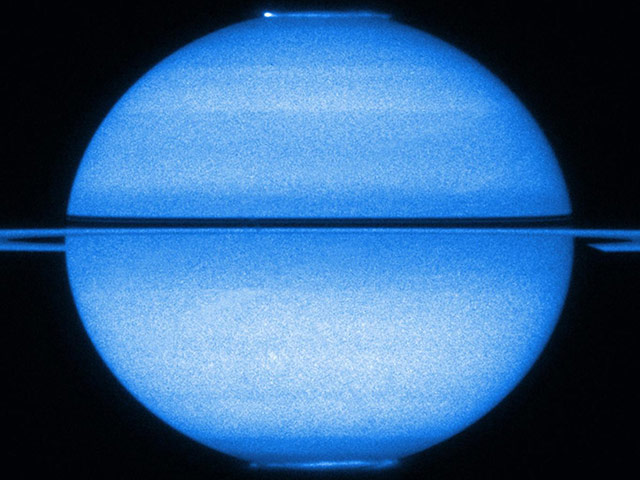
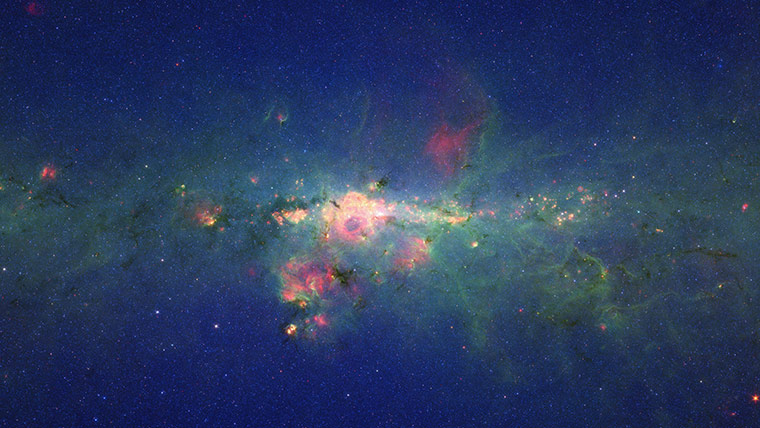
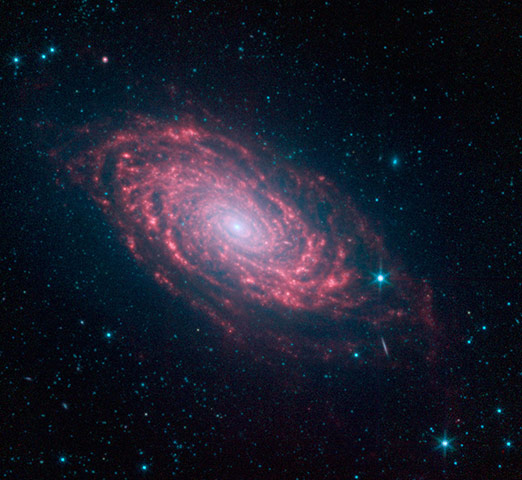
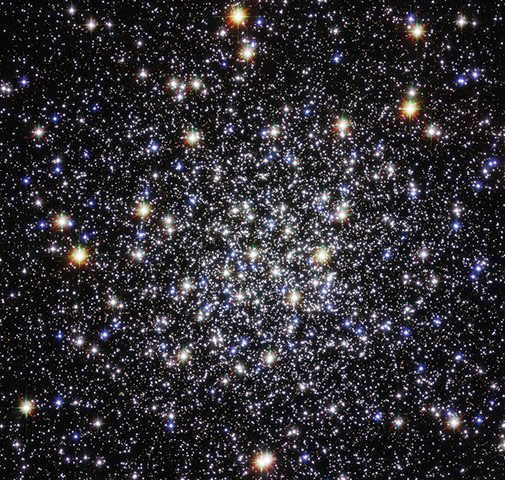
The cramped interior of a Russian Soyuz capsule after landing in Arkalyk, Kazakhstan, on 16 March. The Soyuz will soon be the only way to get to and from the International Space Station Photograph: Sergei Remezov/AFPThe men who fell to Earth: Flight engineer Oleg Skripochka, left, flight engineer Alexander Kaleri, centre, and Commander Scott Kelly, sit outside the capsule minutes after they landed. They had spent almost six months onboard the International Space StationPhotograph: Bill Ingalls/NASAThe Mars Science Laboratory rover Curiosity is tested inside a chamber simulating environmental conditions on the Red PlanetPhotograph: JPL/NASAThe High Resolution Imaging Science Experiment camera on Nasa's Mars Reconnaissance Orbiter spotted the rover Opportunity on 9 March perched on the southeastern rim of the Santa Maria craterPhotograph: Mars Reconnaissance Orbiter/NASANot the Doctor's new slimline Tardis but the UKube-1 CubeSat due for launch in early 2012. On 17 March the UK Space Agency revealed the instruments and experiments it would carry into orbitPhotograph: UK Space AgencyThe rising 'supermoon' as seen from the space station on 20 MarchPhotograph: ISS/ESA/NasaHow the Earth would look if it were distorted to make gravity equal at every point on its surface. Data from Esa's GOCE mission will be used to improve our understanding of the Earth's geology, sea level changes and the distribution of ice. Blue represents low gravitational values and the reds/yellows represent high values Photograph: EsaNasa's Wide-field Infrared Survey Explorer (Wise) captured this image of the star Alpha Camelopardalis, or Alpha Cam. The red arc is a bow shock, similar to the wake in front of the bow of a ship in waterPhotograph: WISE/Caltech/JPL/NASAThe first 'colour' image of Mercury from orbit, recorded by Messenger. On 17 March the space probe became the first spacecraft ever to orbit the planetPhotograph: Messenger/Carnegie Institution of Washington/Johns Hopkins University Applied Physics Laboratory/NASAA pair of brown dwarfs - stars with insufficient mass to sustain nuclear fusion in their cores. These were captured by the European Southern ObservatoryPhotograph: ESOThe Tycho supernova remnant, produced by the explosion of a white dwarf star in our galaxy. Low-energy X-rays (red) show debris expanding outwards from the supernova explosion and high-energy X-rays (blue) show the blast wave - a shell of extremely energetic electrons Photograph: Rutgers/K.Eriksen et al/CXC/NasaAn unusual image showing both of Saturn's poles - each with its own aurora - and the planet's rings edge-onPhotograph: Cassini/University of Leicester/STScI /NASA/ESAThe craggy craters of Saturn's icy moon Rhea. Cassini was about 200 kilometres from Rhea's surface when the image was taken. The bright spot on the right is probably an artefact caused by a cosmic ray striking the probe's wide-angle cameraPhotograph: SSI/JPL/NASAThe region around the centre of the Milky Way galaxy glows in this image taken by Nasa's infrared Spitzer Space Telescope. Unlike visible light, infrared is not blocked by clouds of interstellar dustPhotograph: Spitzer Space Telescope/JPL-Caltech/NASASpiral arms of the Sunflower galaxy Messier 63, photographed in infrared light by Nasa's Spitzer Space Telescope, 37 million-light years away. The dust, glowing red, can be traced all the way down into the galaxy's nucleus where it forms a ring around the densest region of stars at its centrePhotograph: Spitzer Space Telescope/NASAMaterial ejected from newborn stars collides with surrounding gas and dust clouds to create the surreal landscape of glowing arcs, blobs and streaks in this image from the European Southern Observatory's Very Large TelescopePhotograph: ESAHubble snapped this extraordinarily dense crowd of stars in the galaxy Messier 12Photograph: Hubble Space Telescope/NASA/ESA
Sign up to read this article
Read news from 100’s of titles, curated specifically for you.