Voices of Youth (VOY) was founded in 1995 as UNICEF’s main online platform for young people. VOY is a vibrant community of youth bloggers from all over the world, offering inspiring, original insight and opinion on a variety of topics. A question was recently put to VOY bloggers about their feelings towards companies engaging in irresponsible business practices.
“How would you react if you found out that a company you regularly buy products from engages in adverse business practices (such as employing child labourers, underpaying their workers or polluting the environment)?”
Here’s what they said:
Daanial Chaudhry, age 16, UK

One morning I picked up my daily newspaper. The headline read “Large firms pay no corporation tax in the UK.” Yet despite tax avoidance being legal, I still felt it was morally wrong, and so I along with many others decided to boycott these companies. Therefore if any MNC (Multi National Company) were to engage in adverse business practices I would expect a similar response, a mass boycott. This encourages others to do the same and harms company profits, forcing the profit-driven company to respond.
Pia Fleig, age 17, Germany

“My favourite clothing company actively supports the Millennium Development Goals. And its production companies employ little girls. I know the oxymoronic jungle: they teach you morality and act money-driven. Companies have developed a certain intelligence to build labyrinths so that we cannot track down their cruelties. The ways that our economy acts to satisfy our requests is saddening... Demand transparency. Put pressure on companies. Tell them that you don’t buy their products anymore. Ask for explanations. Raise awareness so that they cannot hide behind initiatives about saving the world which they boycott simultaneously. Don’t accept it – change it!”
Imen Al-Nighaoui, age 24, Tunisia

“As a committed young global citizen I have to act strongly to stop this company from violating human rights. I would start an online campaign via social medias such as Twitter and Facebook; through which I would try to spread awareness among the young people. I would tell them that millions of human lives are involved therefore we have to save them. I would also send them a letter and tell them “Think about the rights of those children, because those kids should be at school as any other normal kids and not working at your factories. Taking advantage of your workers is not ethical because they are human beings and every human being in this world MUST enjoy their full rights. Human rights are rights!” Money and profits are nothing whereas, human rights are everything.”
Abraham Lezama, age 19, Venezuela
If there is evidence of unlawful acts committed by a company of which I am a customer, first I would check the size of the damage the company has caused and I would make a call for an international boycott. It would be terrible if this company uses child labour for personal benefits or if it is destroying the environment. All of this would be a clear violation of the UN Global Compact principles. Human rights are fundamental for a society to continue advancing in peace; that is why they have to be respected by governments, businesses and of course the society in general.
Adyasha Rout, age 21, India
“We belong to an age group where using brands makes a status statement, but what about conscience? How can I look beautiful by applying the cosmetics which made an animal pay its price? How can I happily lay on a carpet which took away a child’s childhood? The money I paid for the jeans made me a partner of the exploitation that the brand does with its employees. Our opposition can help improve the work ethos of a company. We as buyers are ethically responsible for what we are choosing to buy. Consumers are the kings and a king should make righteous choices.”
Andrea Barrios, age 21, Guatemala
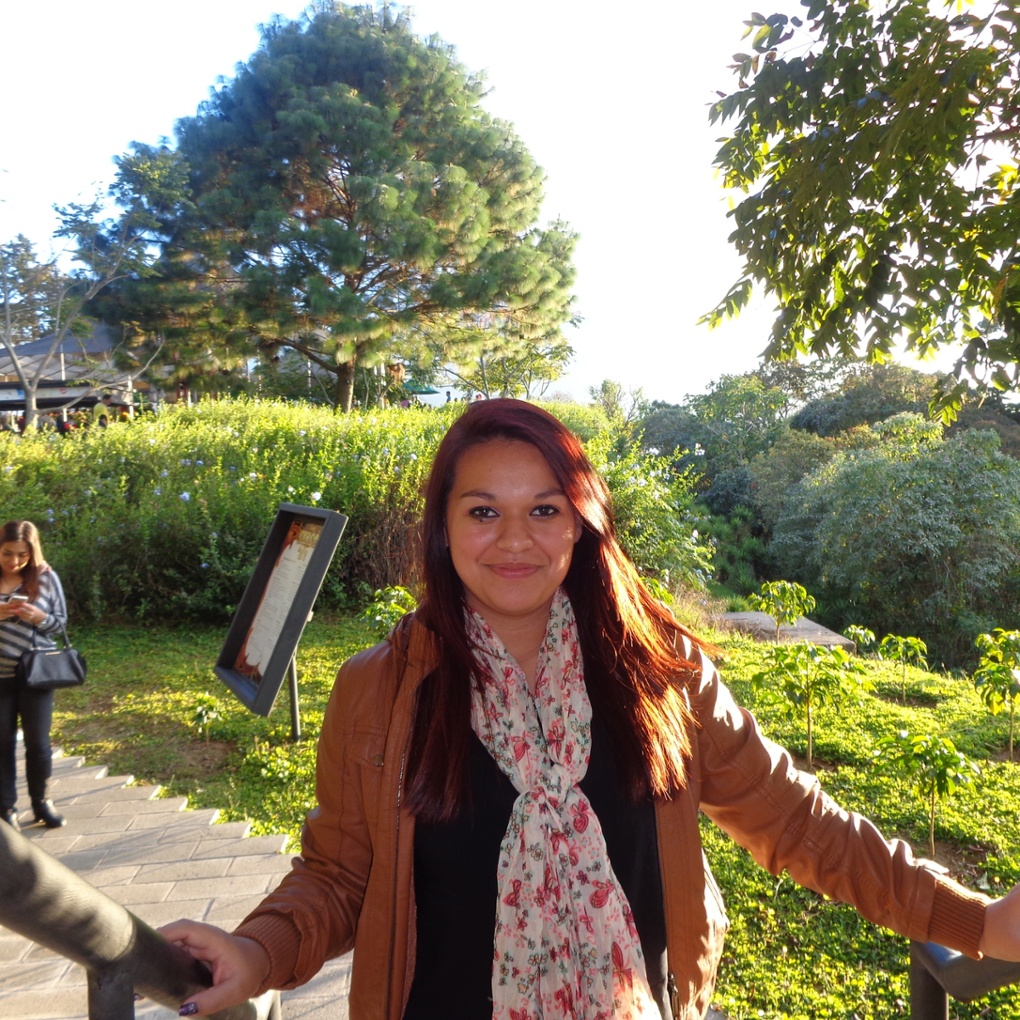
Most of us say that we would avoid consuming products from a company involved in irregular business practices. However, although many respond that way, the reality looks different. Our needs play a big role leading us to consume specific products. Unfortunately we live in a society where we think that “the end justifies the means”, and I disagree with that. There is no need to contradict corporate social responsibility for a business to be profitable and productive. As consumers, it is important to keep in mind that we can take steps to ensure that companies follow CSR principles.
Denisse Zelaya, age 21, El Salvador

“Considering myself as a millennial, I would stop buying those products. I would not be interested in working or investing in that company. This generation rewards companies with good business practices and punishes those without. We highly value sustainability and respect for human rights. It is important to remember what the Global RepTrak® 100 concludes: “60% of the reputation of a company is the perception of the company itself and 40% the perception of their products.” So it is not necessarily about the products - it is about what the company stands for, what they believe in and how they do business.”
Fidèle Bwirhonde, 27, Democratic Republic of the Congo
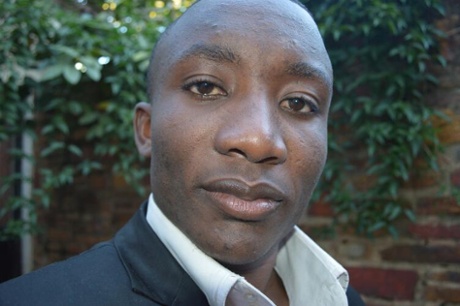
“Preserving our environment and fighting against child labor are two major issues in today’s world. The child is the basis of our future and carries hope for future generations. However, those future generations will not survive without a healthy environment, which involves a sustainable way of living today. Keeping that in mind, if I have to deal with a business with fautly practices, I will give it a thought and investigate their practices. If I find proof of their bad behavior, I will end my commercial trade with them, for the well being of children and the preservation of the environment.”
Visit UNICEF’s global online community where children and youth learn and discuss their rights.
More from the UNICEF partner zone:
- The dos and don’ts for business when designing products and services for children - infograph
- Should marketing and advertising to youth via social media be allowed?
- Why is it important for children and youth to have a voice in business?
Content on this page is paid for and provided by UNICEF, sponsor of the children’s rights and business hub