MPs have backed proposals to create a new UK-EU customs union, raising the question of whether a key Brexit pledge could soon be undone.
In an “historic” parliamentary vote on Tuesday, the Customs Union (Duty to Negotiate) Bill was narrowly backed by the Commons, as 13 rebel Labour MPs voted in support.
A surprise tie of 100 votes to 100 meant deputy speaker Caroline Noakes was given the casting vote which, in accordance with the precedent to allow further debate, she gave to the ayes.
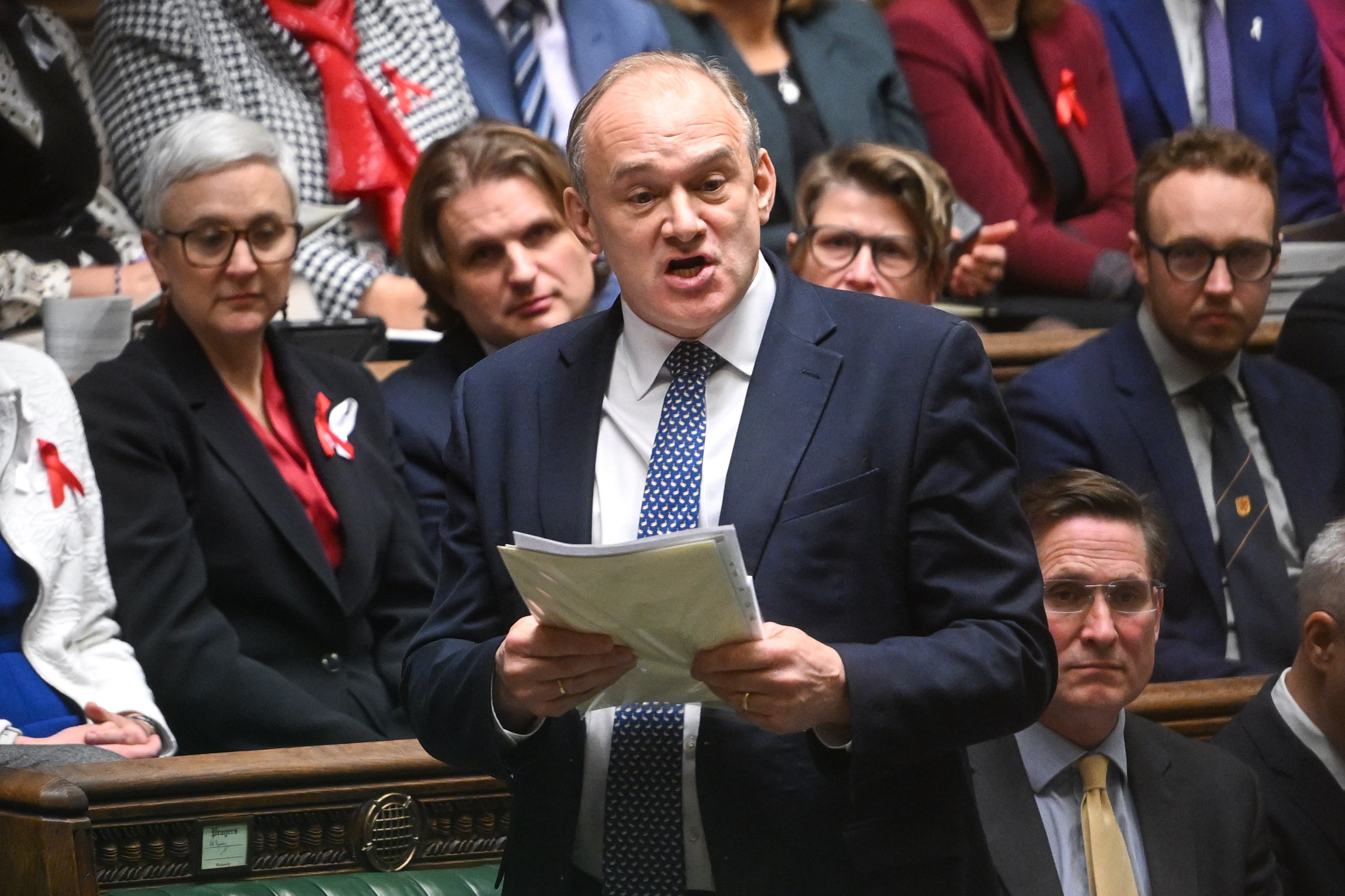
Tabled by the Liberal Democrats’ Europe spokesperson Al Pinkerton, the bill would require the government to begin negotiations on joining a bespoke customs union with the EU.
Ed Davey, the Lib Dem leader, said the symbolic vote “was a historic victory” against “the economic nightmare of the Conservatives’ broken Brexit deal”.
What is a customs union?
A customs union is a trading arrangement set up between member countries which removes tariffs on some or all goods they trade. It also establishes a ‘common external tariff’, which means all members apply the same tariff to the majority of imported goods.
There are currently 16 customs unions operating around the world, which are recognised by the World Trade Organisation.
The EU customs union has 27 EU member states plus Monaco and the British Overseas Territory of Akrotiri and Dhekelia (located on Cyprus). This makes it the largest in the world.
The UK left the EU customs union at the end of 2020 after the Brexit referendum four years prior saw voters opt to leave the European Union.
This was ratified in the 2018 Withdrawal Agreement, where a trade agreement was negotiated which allows for tariff-free EU-UK trade, but only for products that originate in either. Estimates suggest there has been a drop of around 13 per cent in trade since then.
Could the UK rejoin the EU customs union?
It is unlikely that the UK could once again become a member of the EU customs union – but the Lib Dems’ bill calls instead for the nation to form a new customs union with the bloc.
There is a precedent for this set by the EU-Turkey customs union, which has been in effect since 1995. This has seen Turkey align the majority of its technical goods regulations with the EU in order to simplify trade with certain exceptions, and lead to an estimated 55 to 65 per cent boost in trade between the two.
Another model could follow the proposals put forward by Theresa May in 2018, but rejected by MPs, to create a ‘customs territory’ between Great Britain and the EU to prevent a hard border between Ireland and Northern Ireland.
This would have meant no tariffs between the UK and EU, with the exception of fishery and aquaculture products. However, the UK would also have had to follow EU trade defence policies and remain aligned to its state aid rules, raising criticism that the deal threatened to overly restrict the nation’s independent trade policy.
Will MPs pursue the proposals?
Despite receiving support in the Commons, it is unlikely that the Lib Dems’ bill will continue to pass meaningfully through parliament and become law.
Following Tuesday’s vote, prime minister Sir Keir Starmer ruled out a EU-UK customs union, stressing it would not be “sensible” given the new deals with countries such as the US and India on trade. He also pointed to Labour manifesto commitments not to join the customs union or single market.
While the majority of Labour MPs did not vote on the proposed bill at this stage, the party’s huge majority mean that it is unlikely it could go further without government support.
Reeves: PM and I decided ‘as a team’ not to hike income tax
William Hill owner considers sale after Budget gambling tax hikes
Ministers back plans to look at European human rights treaty over migration
Starmer rules out EU customs union after Labour rebellion - latest
PM belatedly defends Sadiq Khan after Trump brands ‘horrible, vicious, disgusting’