If learning is your passion, keep an eye on the Guardian Masterclasses blog for articles and interviews on a diverse range of topics – from writing to journalism, business and cultural appreciation.
Last week, we ran 14 courses at the Guardian and asked some of our enthusiastic tutors to share their top tips. Whether you’re looking to kickstart the writing process, start a career in journalism or fine-tune your photography skills, we hope you’ll find their advice inspiring!
Essential journalism skills
Jon Henley, Guardian feature writer
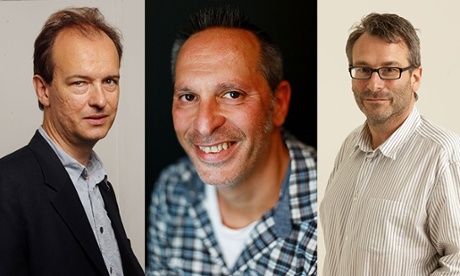
The best stories are grounded in time and place but are always, in the end, about people. Reported detail is what will make them fly. Don’t forget that the most beautiful sentences in the world are not worth much if your material – and variety of material – is not up to the job.
So you’ve got an idea for a documentary?
Charlie Phillips, head of documentaries at the Guardian

Communicate clearly and concisely what’s unique about your documentary. Don’t assume anything about what potential funders will know about you or your project. And ensure that your trailer is really brilliant and keep it to a minute in length!
Social media for charities and campaigners
Carol Naylor, social media manager for Macmillan Cancer Support

Make your content interesting – social media is an opt-in activity; supporters won’t stick around if they’re bored. Kittens are a legitimate option! Also remember that Google has a long memory. If a post was ever visible to another person, then subsequently hiding, deleting or protecting it will make no difference.
Kickstart your freelance journalism career
Lauren Razavi, freelance journalist and Guardian writer

A rejection of your pitch isn’t a rejection of you as a writer. Keep pitching! Make your pitches brief, informative and to the point - and don’t forget to explain why you’re the best person to write the story.
Planning and pitching non-fiction
Jenny Rogers, non-fiction author, editor and executive coach
Invest time in thoroughly learning your craft first, including all that boring stuff like punctuation and grammar. Take every opportunity to write, and keep at it. Where style is concerned, don’t worry about seeming to copy others at this stage – it’s an essential part of developing your own unique ‘voice’.
How to research and write your family history
Nick Barlay, novelist and non-fiction author
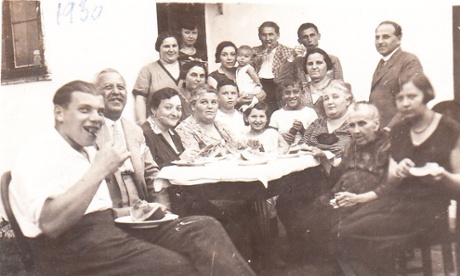
The better you understand your own research, the greater the potential for a strong story. Regularly look over all that you find – research can take time and it’s easy to forget what you have. Talking about what you’ve found (for example to someone outside the family) helps to concretise your knowledge.
Introduction to photography: A one-day workshop
Anthony Epes, fine art photographer
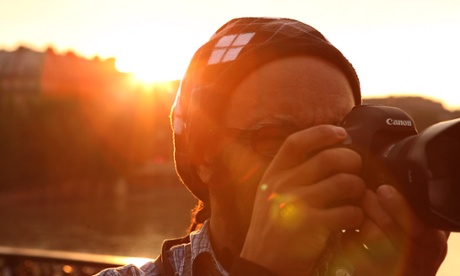
If you’re new to photography, seeking out and chasing beautiful light is a great way to start on your journey - and great training for developing your photographer’s ‘eye’. Light is an ever-changing entity, and it can bring all kinds of different moods and emotions to a photo. When I’m out shooting, I’m always looking for interesting things that light is doing - reflecting off water, refracting, shining through cracks, creating shadows... It’s a mesmerising subject.
Nature writing
Patrick Barkham, natural history writer for the Guardian
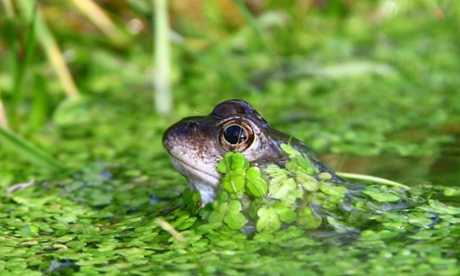
Vibrant writing, and truthful writing, demands attention to detail. Notice tiny things, weave them together, and you can tell bigger stories– with more power.
Love learning? Join us for Guardian Masterclass and start turning your wildest ambitions into a reality. Browse our full range of courses here.