
Since 1973, video games controlled with hand-held devices have captured global attention, with sports games taking center stage right from the start thanks to an early, simple tennis-inspired classic. For countless gamers, their love of gaming began on Christmas morning, unwrapping packages that matched the size of those coveted titles seen behind glass in stores. Sports games, in particular, have held a unique place in the festive magic of the holidays.
So which sports titles had the greatest impact on each holiday season? This list was compiled based on factors such as sales figures, the game’s influence on console sales, and its overall cultural significance.
This list is about the 2010s. For past decades, check out these lists:
[2010] Kinect Sports (360)


By 2010, Microsoft and Sony had watched the explosion of the Wii and its motion controls and wondered if they too could sprinkle some of that magic. Sony would attempt to do so with the PlayStation Move hardware, but Microsoft went in a more ambitious direction… no controllers at all. Just you. Enter the Kinect, which would sell more than 8 million units in just its first 60 days.
Kinect Sports launched in November 2010 in time for the holiday rush, with a title that promised you would need to move your entire body to compete, not just your wrist. Track and Field was the true champion of the disc. To sprint, you had to run in place with high knees (not too far removed from Nintendo’s Power Pad of old). To hurdle, you had to physically jump. This was actual cardio that left many players feeling breathless.
Kinect Sports also tried its hand at Bowling by simply miming the motion. Working surprisingly well, players could add spin with their hand movements. In Soccer, you kicked an invisible ball and used your head to block shots. It tracked the feet and torso with surprising accuracy. And for a laugh, the Kinect camera would record while you played, showing a montage of you mindlessly jumping or swaying in your living room. This was the last major explosion of the motion controller craze, and Microsoft, for a time, benefited greatly.
[2011] NBA 2K12 (PS3/360)


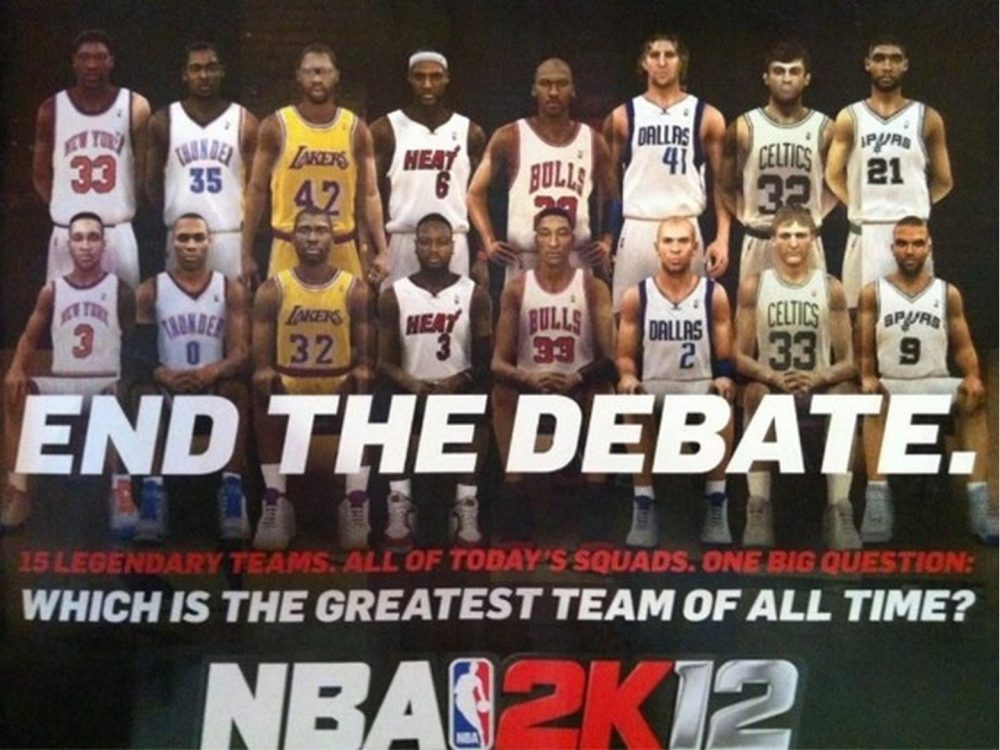
For the first time since 1999, the NBA suffered a lockout season due to a labor dispute. There were no games to watch in October or November, and only a few in December. So, for many basketball fans, the medicine for the extended offseason was an NBA 2K that had just happened to step up to fill a massive void left behind by the collapse of the NBA Live series after the cancellation of EA Sports’ NBA Elite 11. But with no competition to challenge its holiday dominance, not even from the NBA itself, NBA 2K12 didn’t just scratch the itch; it took a dominant step forward.
The game played like a documentary for the entire history of the sport, featuring the NBA’s Greatest Mode, the back of the box mode that would get any lover of ball salivating. Here, you could play historic matchup challenges featuring Jordan, Bird, Johnson, Abdul-Jabbar, Chamberlain, Russell, and others. The feature was a work of presentation art, complete with broadcast filters. After all, what would a 1960s Celtics game be without black-and-white television and tinny audio in mono? The 70s featured a fuzzy Technicolor feel, and so on. It was a splash of love that struck gold.
On the court, the game would refine the dribbling system and post-play, making movement feel smoother and less canned than any basketball title that came prior. There were three different covers featuring Jordan, Bird, and Magic, and finding the perfect one to wrap under the tree became a treasure hunt in itself. In an interesting twist of fate, the lockout would end just days before Christmas, creating a fever pitch of excitement for the sport, with NBA 2K12 the only way to play along.
[2012] Forza Horizon (360)
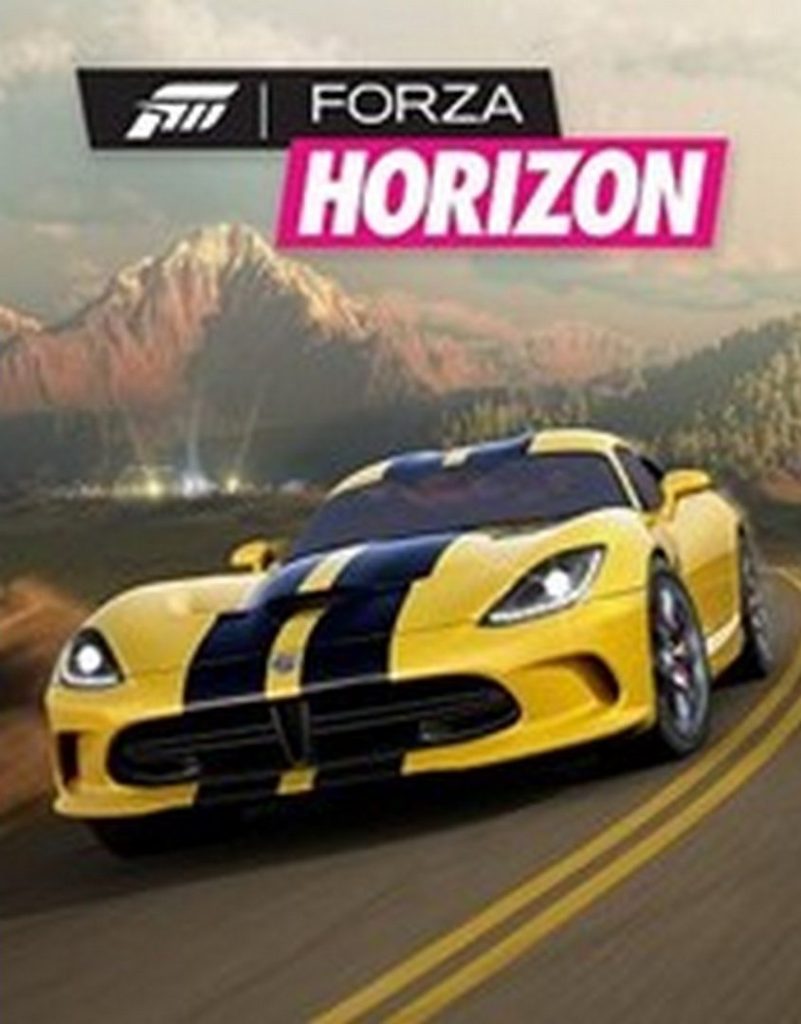

For years, Gran Turismo and Forza were havens for the car enthusiast, but it’s not a stretch to believe that the overly analytical style of both games may have been leaving a fringe of would-be players on the side of the road. Enter Forza Horizon, taking everything that made the series great and dropping it into an open world modeled after Colorado.
The game centered around a fictional music and car festival where you weren’t just a driver, you were a wristband-wearing attendee. There were fireworks, lasers, youth culture, and more. It felt like a party. And you had freedom. You could leave the track, smash through fences, drift down dirt roads, or simply blast down the open road. And because it used the same engine under the hood, the game still ‘felt’ like the simulation of Forza.
The holiday release of Horizon was a big gamble on the part of Microsoft with one of their golden geese, and the game’s legendary status has paid off in spades. In the cold of winter break, players could escape to an endless summer party in the mountains.
[2013] NBA 2K14 (Next-Gen)

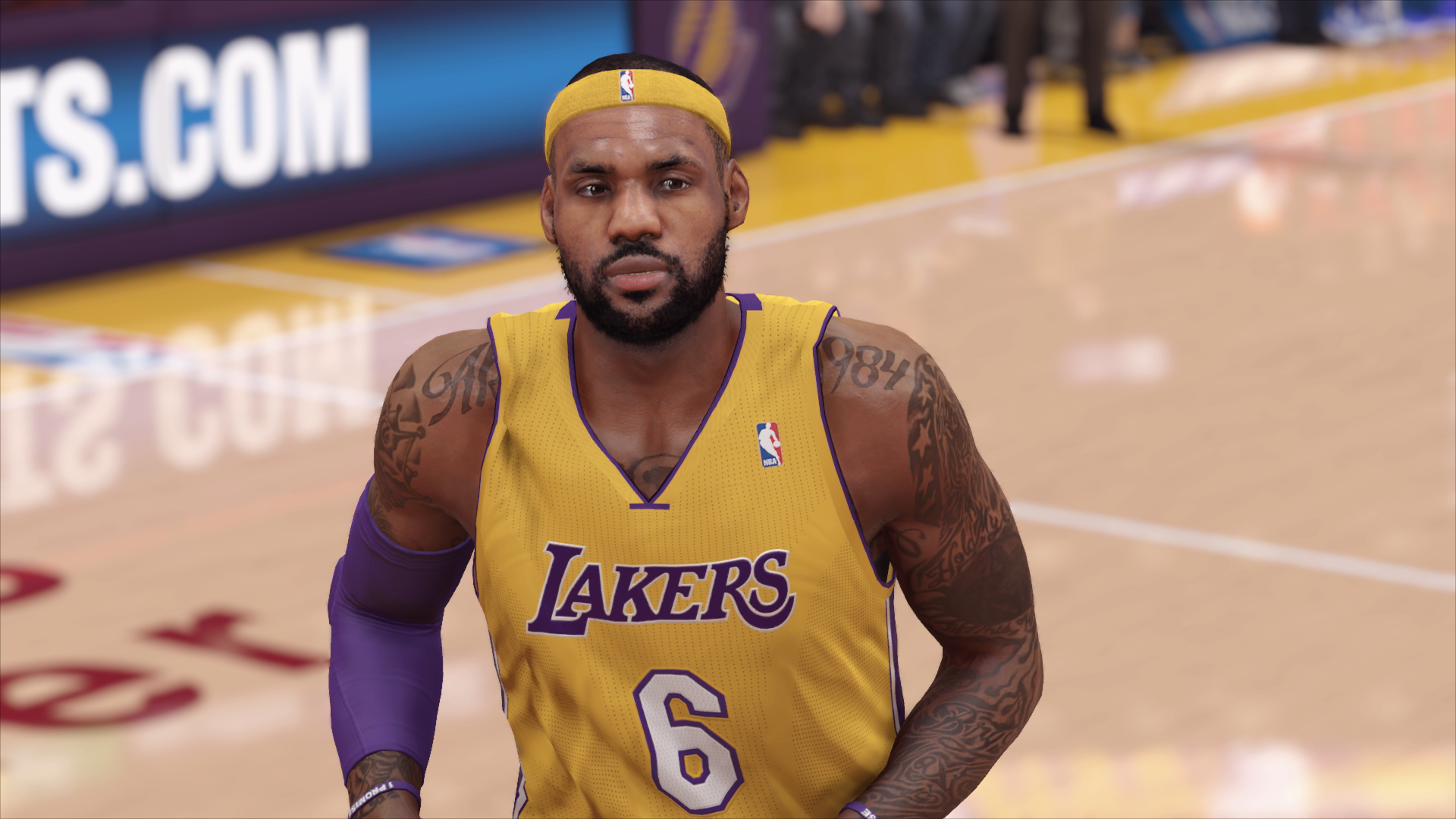
The next-gen had arrived for holiday 2013, with the launch of the PlayStation 4 on November 15th and the launch of the Xbox One on November 22nd. While the PS3 and 360 versions of the game were standard affairs, the next-gen 2K was built from the ground up. It was the most visually impressive launch title of the generation. Look at that snark from Ray Allen. It sold consoles by way of announcing through its visuals that the future is now.
The game also moved differently. The marketing buzzword was ‘eco-motion’, replacing canned animations with real-time physics. Players would plant their feet, shift their weight, and collide with momentum. This was the first big step toward taking away the feeling of ‘gliding’ on the floor in basketball games that had become a mainstay.
This next thing may sound trivial, but let me tell you about the sweat. The sweat was mind-blowing in 2K14. Sweat would bead up, roll down the face, and soak into the jerseys. Sweat made this title look and feel truly alive.
[2014] Mario Kart 8 (Wii U)


By Christmas 2014, Nintendo was on the ropes and needed a big hit. The days of Wii mania had faded, and the ill-fated (and ill-named) Wii U simply was not creating the same excitement in regular gamers, let alone casual ones. But then Nintendo does what it always does…created a game so freaking good that you have to buy the console just to play it. And so, we have Mario Kart 8.
For the first time, the Kart racers were presented in HD, meshing the undeniable style of Nintendo’s characters with high fidelity in an amazing symphony of visuals. The game introduced other visual treats, including anti-gravity, which would allow the wheels of the kart to flip sideways and become hover magnets for upside-down or looping sections of track.
Mario Kart 8 was so solid and successful a title that the future launch of the Switch would never get a Kart game of its own, but rather Mario Kart 8 Deluxe. It was simply an expansion of the goodness.
As sometimes happens with marketing, an unintentional thing helped along the way, the birth of the Luigi Death Stare. Players began to notice that if they hit another player with a shell from the green plumber, his passing face wouldn’t show happiness or success. It showed coldness. Hardened malice. It was chilling. And it was a viral hit. It became free marketing that made the game look more edgy and solidified it as a statement from the makers at Nintendo.
[2015] Rocket League (PS4/PC)

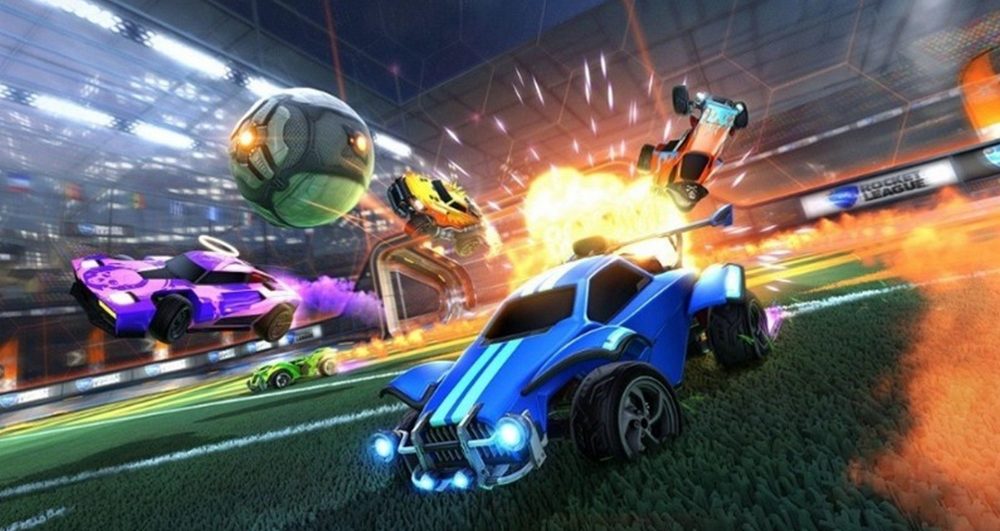
While Rocket League was a digital-only title during Christmas 2015, the massive demand drove sales of PSN and Steam cards, effectively becoming the season’s best video game stocking stuffer. And for good reason. While the holiday season was more primed to star titles like Black Ops III, Fallout 4, and Star Wars Battlefront, it was this $20 indie game that sucked all of the attention in the room with its rocket-powered cars hitting a giant ball around a pitch. That sounds and is bonkers, and it works.
The concept was simple… soccer with cars… but the execution was perfection. There were no stats; your car didn’t get faster as you leveled up. All you could do was master the physics of the ball, which was consistent and heavy, making every single goal feel earned. The skill gap showed when players discovered they could boost into the air and fly across the arena to spike the ball. Hitting your first aerial goal was the feel-good moment of the year for some.
It was one of the first titles to truly embrace cross-play, bringing together players on PC and PS4. And scoring a goal with the ball exploding and setting off a shockwave might be the most satisfying scoring mechanic in all sports gaming. Fun fact: this game is actually a sequel to the much lesser-known Supersonic Acrobatic Rocket-Powered Battle-Cars. Safe to say the name and excitement matured into something special.
[2016] Forza Horizon 3 (Xbox One/PC)

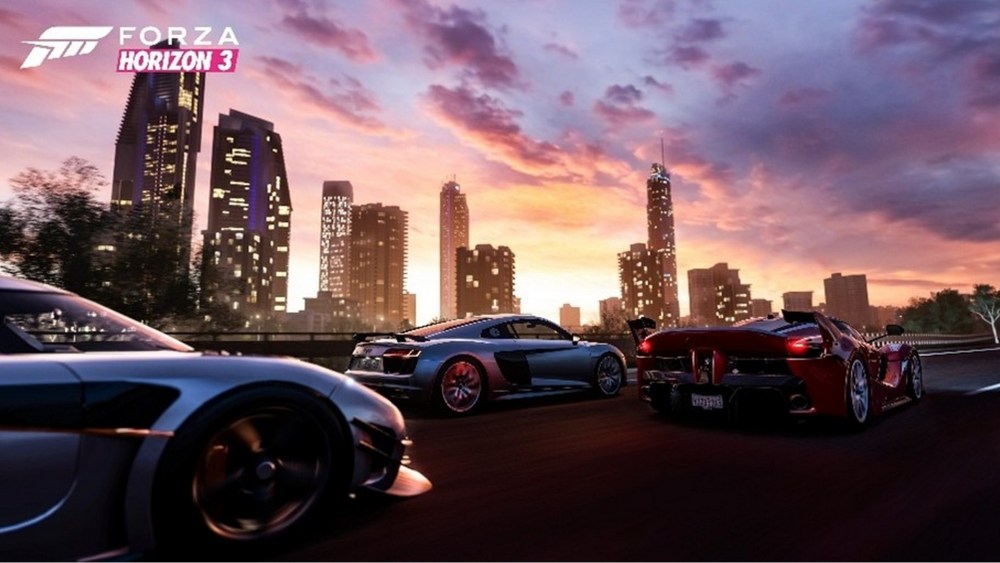
For fans of the Forza franchise, the winter destination was Australia. Perfecting the formula that came before, Forza Horizon 3 expanded from the sequel’s road trip into unlocking an entire continent. It took full advantage of the 4K craze, becoming one of the most beautiful games ever witnessed.
The primary new feature was the ability to set the stage, so to speak. Rather than being a rookie racer who was trying to get a wristband, you were the one in charge this time. You decided where to expand the festival, which radio stations to sign, and what races to create. And the world to do it in was vast, as Australia was diverse, complete with dense rainforests, dusty deserts, sandy beaches, and even a modern city.
This was also the first major title in the Xbox Play Anywhere program, meaning if you bought a digital copy on Xbox, you got the PC version for free.
As a testament to the dedication of the development team, weeks were spent in the Australian outback filming the sky with 12K HDR cameras. The result was a dynamic cloud and lighting system that made every sunset look like a painting.
If you got a new 4K TV in 2016, this was the game you wanted for Christmas to highlight it. It was the ticket to the ultimate summer vacation in the middle of winter.
[2017] Golf Story (Switch)

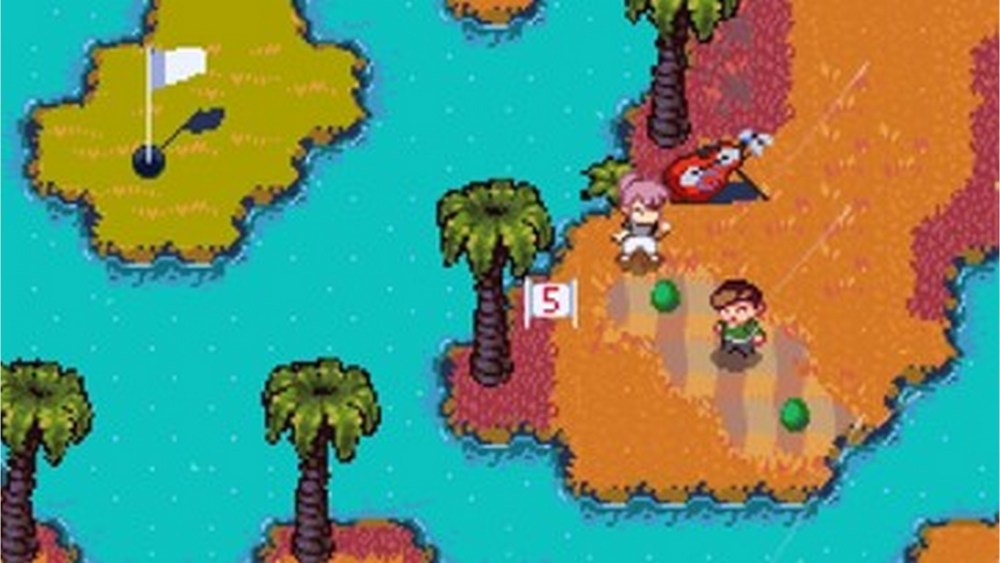
Released on the Nintendo eShop in September for the surging Nintendo Switch, a console with which Nintendo had bounced back to true form, Golf Story was a $15 indie game that was a perfect complement to the Marios and Zeldas of the world. With graphics that looked straight from Super Nintendo, it was the critical darling of the season, proving that on the Switch, a pixelated RPG about golf could outshine the crisp simulations.
Rather than being a simple golf game, however, this was an RPG adventure where your sword just happened to be a 9-iron. You played as a failed golfer trying to go pro and, on the way, would deal with undead skeletons, rap battles, and geese stealing your ball. As an early Switch title, it utilized the HD rumble feature as well as any other game to that point, allowing you to feel the subtle plink of the ball dropping into the cup through the Joy-Cons.
At a price point that would give anyone the fuzzies and a nostalgic feel a la Mario Golf, that would also give the fuzzies, Golf Story was a quiet but undeniable hit for the Christmas season.
[2018] Forza Horizon 4 (Xbox One/PC)
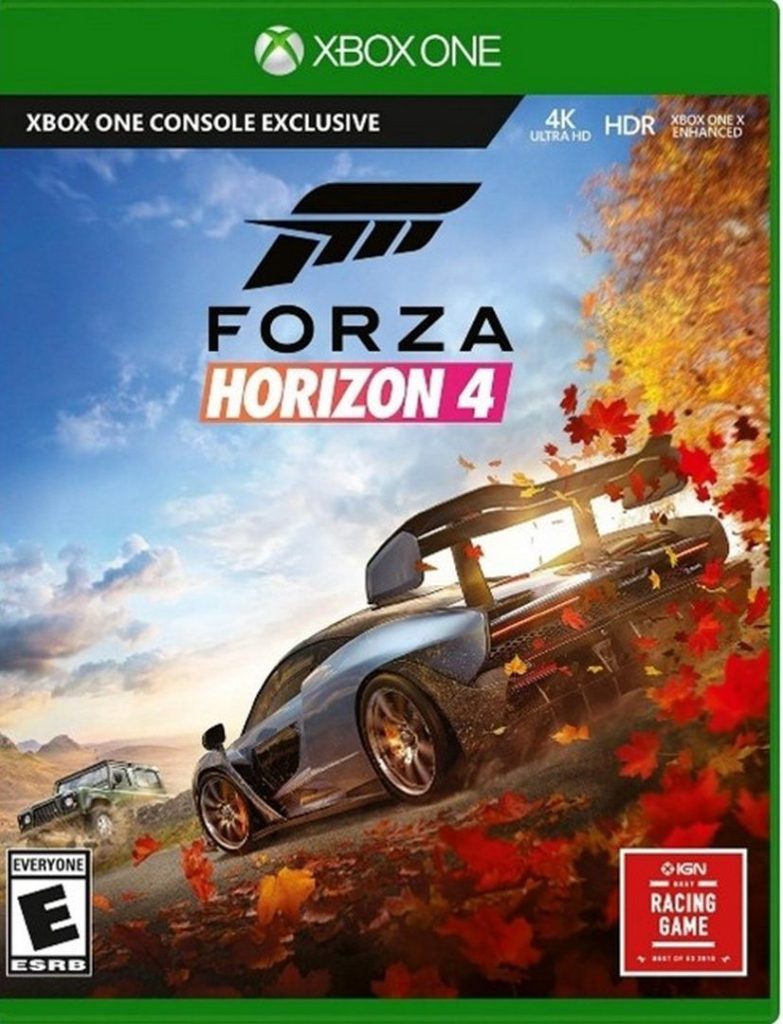

This game launched directly into the Xbox Game Pass, a shocking gesture that quickly rewrote the rules of what a “gift” could be. This was the first holiday season in which the subscription service model really took off. Moving the festival to Britain and introducing dynamic seasons, it became the definitive driving game for a generation on the green console, offering a persistent and alive online world during the holiday break and indoor hours. With up to 72 other live drivers around you, you could honk at literal internet strangers.
Tapping into British pop culture was the appropriate “Bond Pack”, featuring Aston Martins with various gadgets. Forza Horizon 4 became the first AAA holiday title to launch “Day One” on Game Pass, with the marketing message shifting from ‘buy this game’ to simply ‘join this service’. As such, the stocking stuffer of the season was a Game Pass subscription card, meaning that you now owned Horizon 4 instantly, or for as long as you paid for the subscription anyway.
[2019] Ring Fit Adventure (Switch)

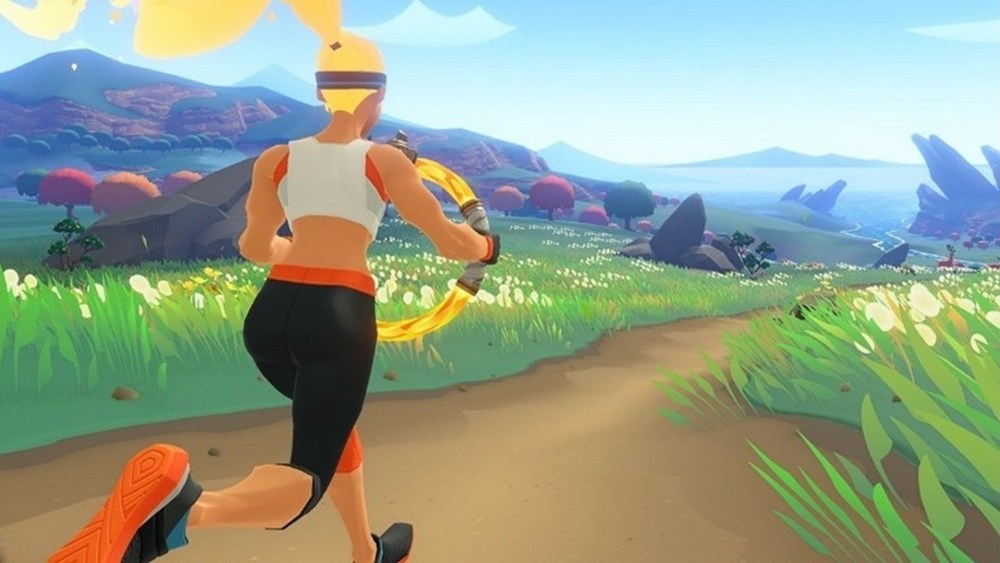
As the Nintendo Switch was entering its prime, suddenly came a strange, Pilates-style wheel accessory claiming to turn an RPG into a workout. Being well after the glory days of the likes of Wii Fit, this was a bold move to say the least. But unlike the collection of mini games found in Wii Fit, Ring Fit Adventure was, in fact, a full-blown adventure.
The Ring-Con was an amazing device that utilized high-tension resistance. Squeezing it actually required strength, and it tracked your movements with absurd accuracy. Don’t be sloppy on this thing’s watch. You fought monsters by doing squats, overhead presses, and yoga poses. The more perfect your form, the more damage dealt. It was the best gamification of a workout since the days of that plastic board.
The device proved so popular that Nintendo underestimated demand for it by a long shot. By November, scalpers were selling the $80 bundle for upwards of $200, and the empty shelves at the store promised yet another holiday of finger-crossing for the latest hotness from Nintendo.