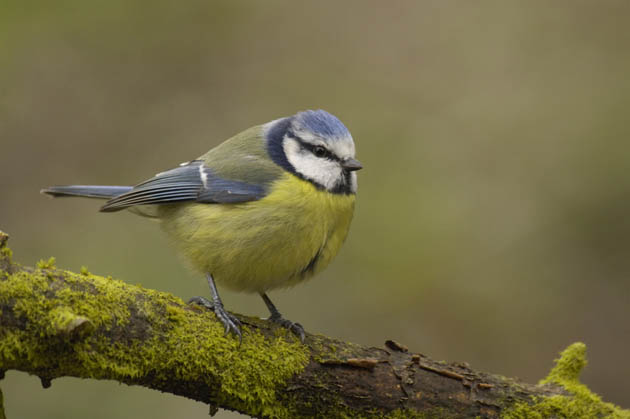
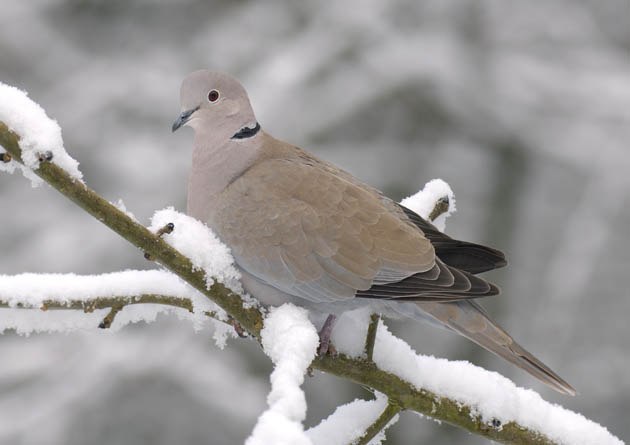
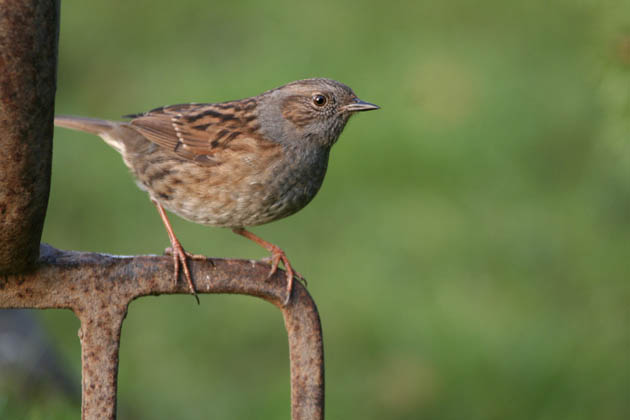
A blue tit. A colourful mix of blue, yellow, white and green make this agile bird one of the UK's most attractive resident garden visitorsPhotograph: Sue Tranter/RSPBVisible all year round, the collared dove is found largely on farms, in gardens and parks. It is a distinctive bird with buffy-pink plumage, black-neck collar and long, white tail with a black base. Collared doves are seen singly or in pairsPhotograph: Sue Tranter/RSPBA quiet and inconspicuous bird, the dunnock is also known as the hedge sparrow. Small, brown and grey bird with a slender beak, it prefers to pick food up off the ground than using a feederPhotograph: Genevieve Leaper/RSPB
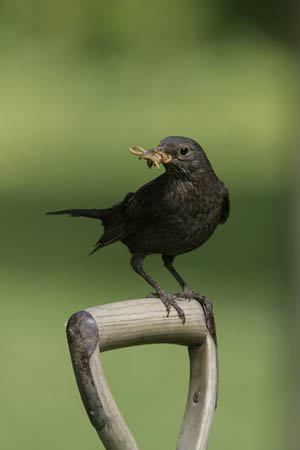
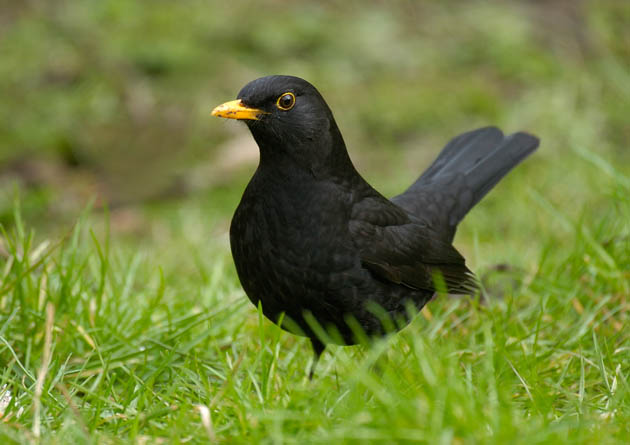
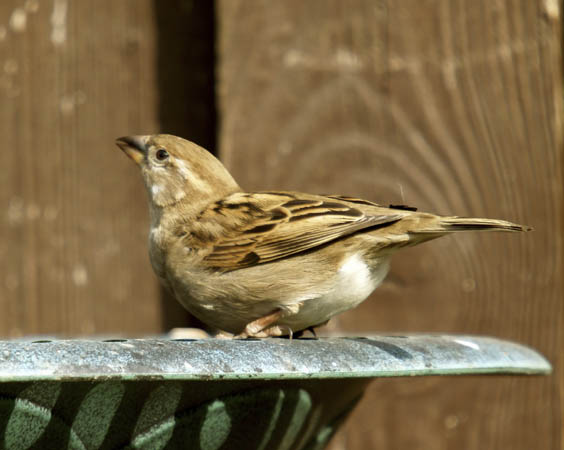
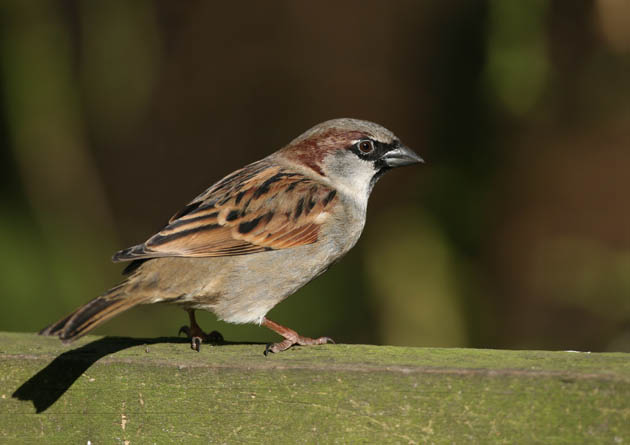
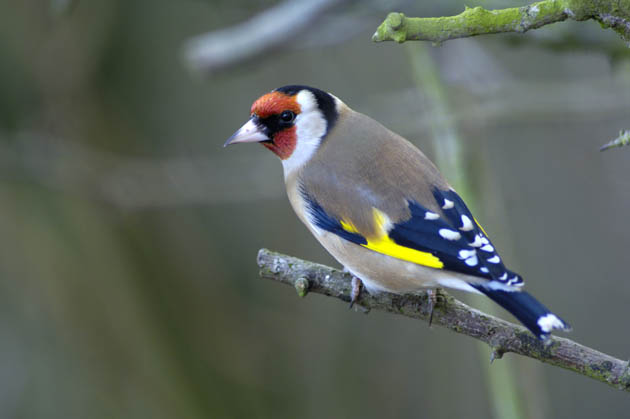
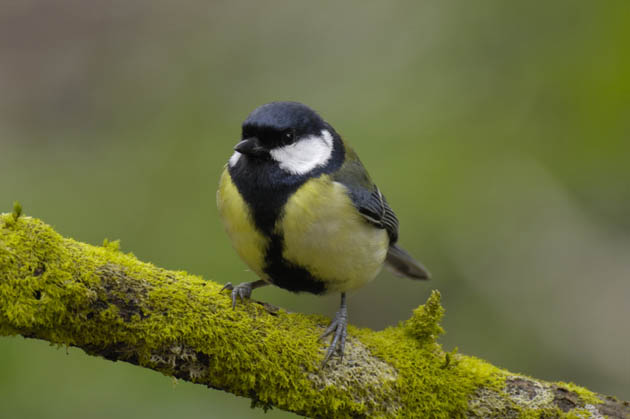
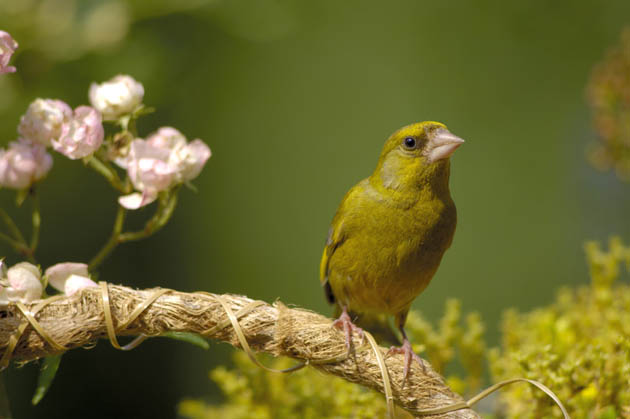
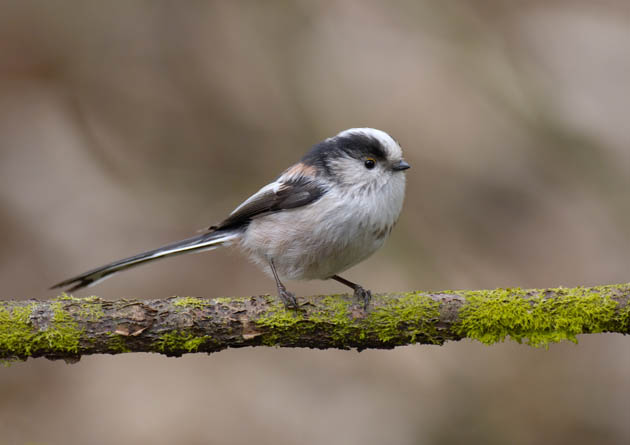
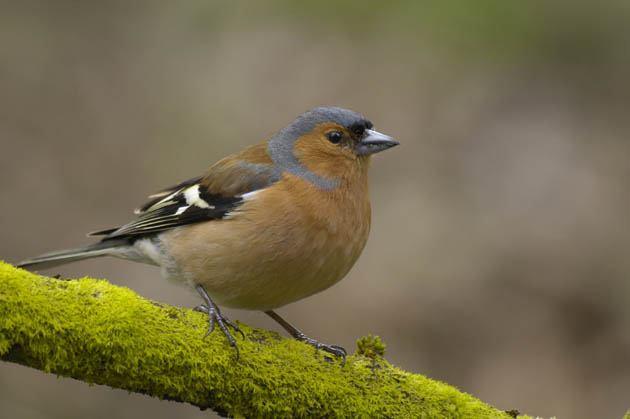
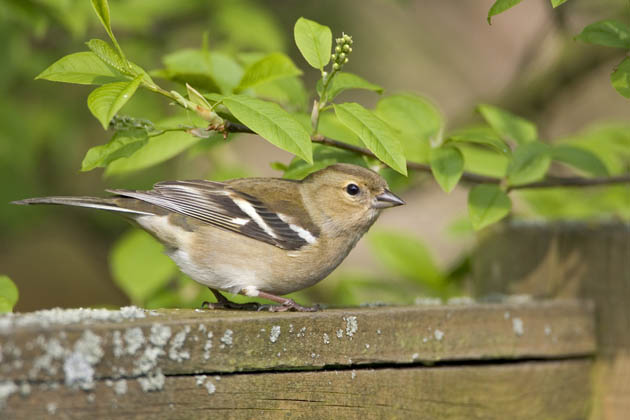
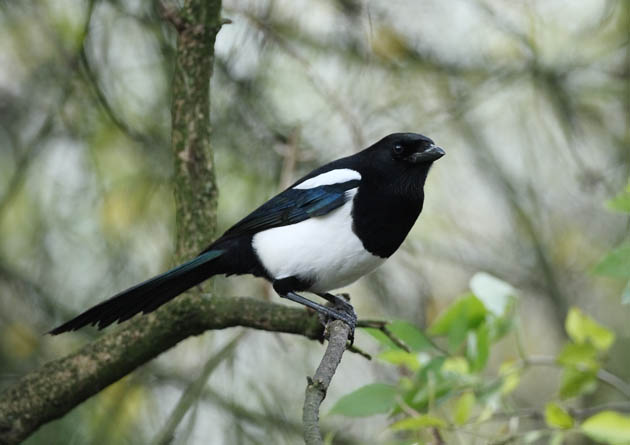
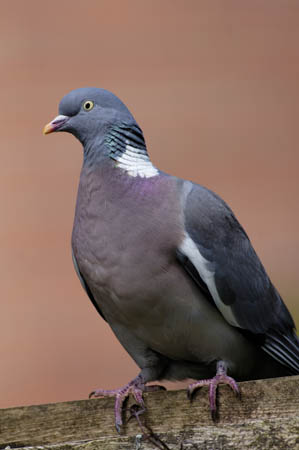
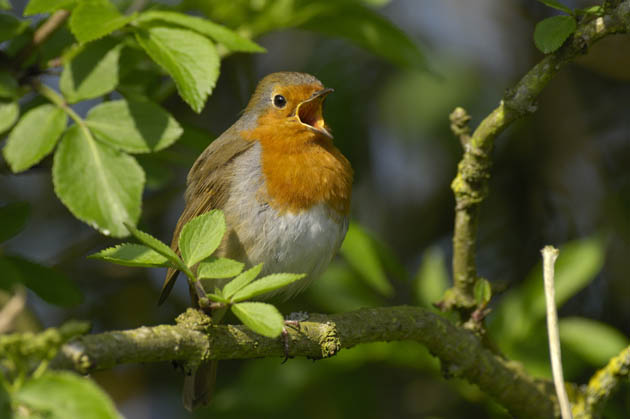
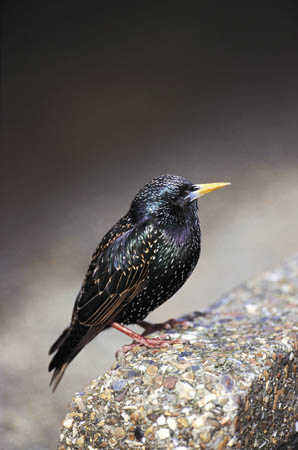
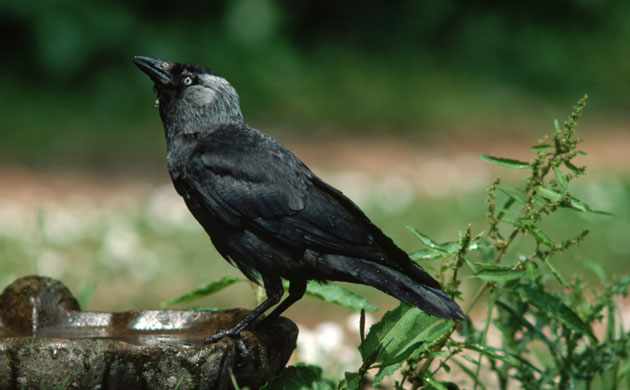
A female blackbird - browner than its male counterpart. The blackbird is the most common bird seen in gardens, during Big Garden Birdwatch 2008 it was seen in 87% of gardensPhotograph: Nigel Blake/RSPBThe male blackbird, pictured here, is black with a bright orange-yellow eye-ring and bill, while the female is brown. It is the male that is noted for its distinctive songPhotograph: Sue Tranter/RSPBThe noisy and gregarious house sparrow is one of the UK's most familiar birds. This is a femalePhotograph: Andrew Howe/RSPBThe house sparrow is widely distributed throughout Britain and was seen in almost 60% of gardens during the 2008 Big Garden Birdwatch. However, the population has declined by almost 65% in recent years, earning it a place on the red list, along with other birds of high conservation concernPhotograph: Sue Tranter/RSPBThe goldfinch is sociable, often breeding in loose colonies and feeding in small flocks. It has a red face and black and yellow wings with a pleasant, twittering song and call. Its fine beak allows it to extract otherwise inaccessible seeds from thistlesPhotograph: Ray Kennedy/RSPBThe great tit's green and yellow plumage with a glossy black head, white cheeks and a distinctive two-syllable song is a woodland bird which has readily adapted to manmade habitats to become a familiar garden visitor Photograph: Sue Tranter/RSPBThe male greenfinch is a green bird with yellow patches on the wings, a forked tail and a stout beak, while the female is browner. It is a popular garden visitor that takes advantage of food in town and city gardens at a time when intensive agriculture has deprived it of food in the countrysidePhotograph: Ray Kennedy/RSPBGregarious and noisy residents, long-tailed tits are most usually noticed in small, excitable flocks of about 20 birdsPhotograph: Sue Tranter/RSPBA male chaffinch. Both male and female chaffinches have black and white wings, and a green rump, but the male has a pinky face and breast. You will often see chaffinches hopping about under a bird table, or hedge looking for foodPhotograph: Sue Tranter/RSPBThe female chaffinch has black and white wings, and a green rump like the male, but is a sandy brown colourPhotograph: David Kjaer/RSPBWith its noisy chattering, black-and-white plumage and long tail, there is nothing else quite like the magpie in the UK. From a distance, magpies appear black and white, however a closer view reveals a subtle blue and green sheen. It feeds on a variety of foods, including scrapsPhotograph: Sue Tranter/RSPBThe UK's largest and commonest pigeon, the woodpigeon, is largely grey with a white neck patch and white wing patches, clearly visible in flight. Although shy in the countryside it can be tame and approachable in towns and citiesPhotograph: Ray Kennedy/RSPBWith its bright, orange-red breast, brown back and dumpy shape, robins are a familiar and much-loved garden bird Photograph: Sue Tranter/RSPBStarlings look black at a distance but when seen closer they are very glossy with a sheen of purples and greens. Their flight is fast and direct and they walk and run confidently on the groundPhotograph: Gordon Langsbury/RSPBA small and stocky black crow, jackdaws are easy to identify with their grey head and distinctive 'jack jack' call. A social bird, you'll find them in pairs, or larger groupsPhotograph: Peggy Heard/Corbis
Sign up to read this article
Read news from 100’s of titles, curated specifically for you.