The Syrian Democratic Forces (SDF), once a crucial US-backed alliance and the most effective force against the Islamic State group in Syria, are reportedly poised to merge into the Syrian army.
This significant shift follows a series of major setbacks for the Kurdish-led group in recent weeks.
The religiously and ethnically diverse SDF suffered a substantial defeat over the weekend when Syrian government forces captured extensive areas in territory previously under the group's control in the country's northeast, following deadly clashes.
With SDF fighters now cornered in Hassakeh province, this latest victory by interim President Ahmad al-Sharaa could mark the end of Syria’s Kurdish ambitions to establish an autonomous region in northeast Syria, known as Rojava or Western Kurdistan.
The fighters once held sway over nearly a quarter of Syria.
Kurds constituted approximately 10 per cent of Syria’s 23 million population before the civil war began in 2011.
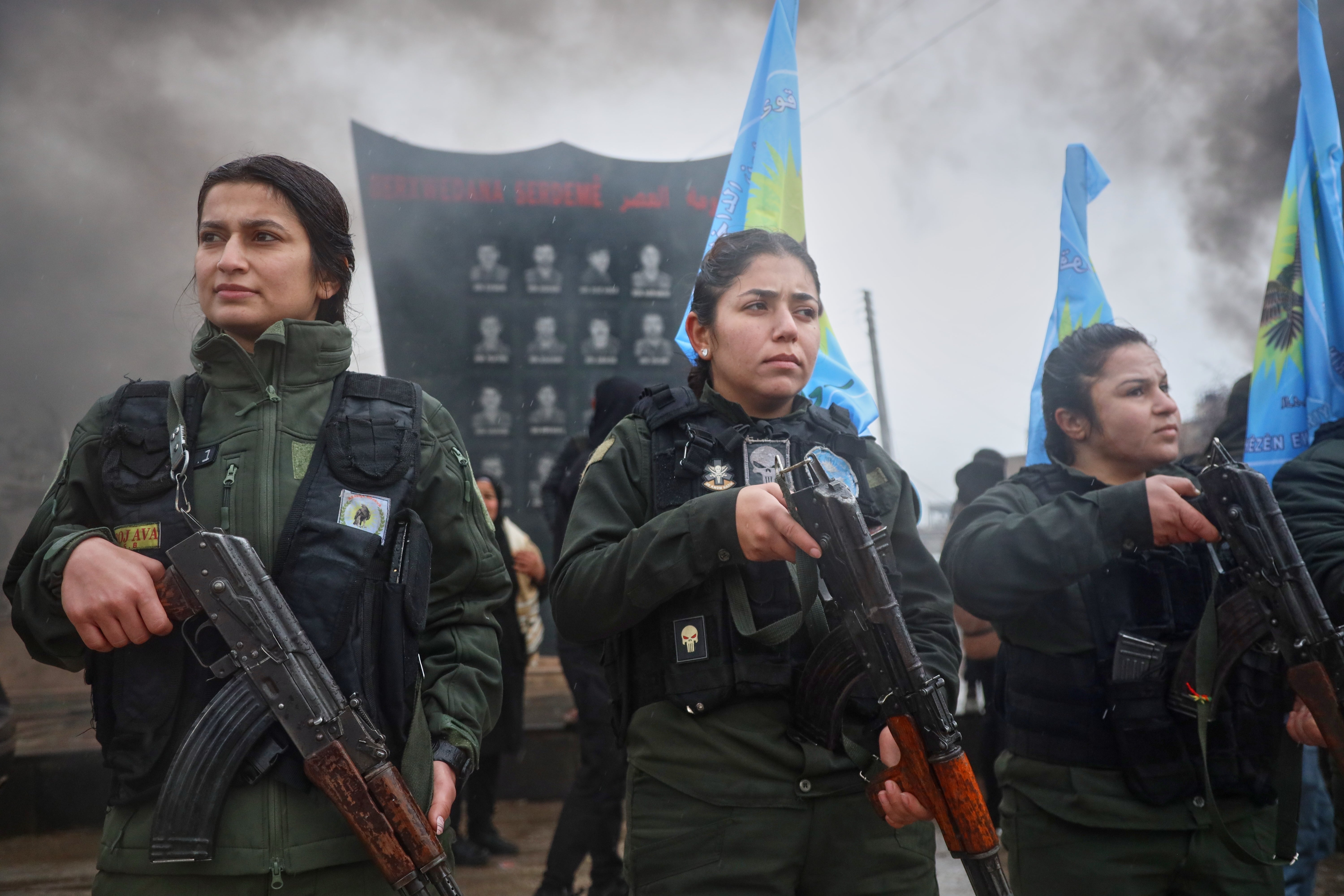
When founded in 2015 with American backing, the SDF comprised ethnic Arab, Kurdish, and Turkmen fighters, alongside the main Christian militia in northeast Syria, the Syriac Military Council, which includes Assyrians.
However, the alliance was predominantly led by the People’s Protection Units (YPG), the main Kurdish fighting force.
The dominant role of Kurdish fighters within the alliance remained a concern for the majority Sunni Arab factions and their regional backers, leading to internal clashes on several occasions.
Post-Assad era
Many of the Syrian rebel factions that were fighting former President Bashar Assad’s forces from 2011 until his ouster in December 2024 have always been opposed to the SDF, seeing them as a secessionist force that aims to break away from Syria.
Additionally, while Ankara has been a main backer of Syrian rebels during Assad's rule, it views the YPG as an extension of the Kurdish PKK, which has waged a long insurgency in Turkey.
After Assad’s fall in December 2024, relations between the country’s new rulers, led by al-Sharaa and the SDF remained cold, but a surprise came in March when SDF chief Mazloum Abdi arrived in Damascus and signed a deal with al-Sharaa.
The deal listed, among other things, that the SDF would merge into the Syrian army by the end of 2025. However, significant disagreements remained on how it would happen.
In October, Abdi told The Associated Press that the SDF had agreed in principle with the government on a plan to merge its fighters as a cohesive group into the national army.
Abdi visited Damascus in early January to discuss the merger. State media reported at the time that no “ tangible results ” had been achieved. Shortly afterward, deadly clashes broke out between government forces in the northern city of Aleppo, leading the SDF to evacuate three neighborhoods that it had controlled for years.
Soon after, the government launched an offensive to capture two towns east of Aleppo that later snowballed into a full-blown offensive that ended Sunday with the government in control of much of the critical northern province of Raqqa along the border with Turkey and the eastern oil-rich province of Deir el-Zour that borders Iraq.
A new ceasefire
On Sunday night, Syria’s government announced a ceasefire, marking the end of the latest round of fighting, with the SDF. The group now only controls Hassakeh, which has a large Kurdish community.
Later on Sunday, state-run news agency SANA showed al-Sharaa signing and holding the agreement. Abdi, who was scheduled to meet with the president in Damascus, was not seen, though his signature appeared on the document. Al-Sharaa told journalists that Abdi could not travel due to bad weather and was expected in the Syrian capital on Monday.
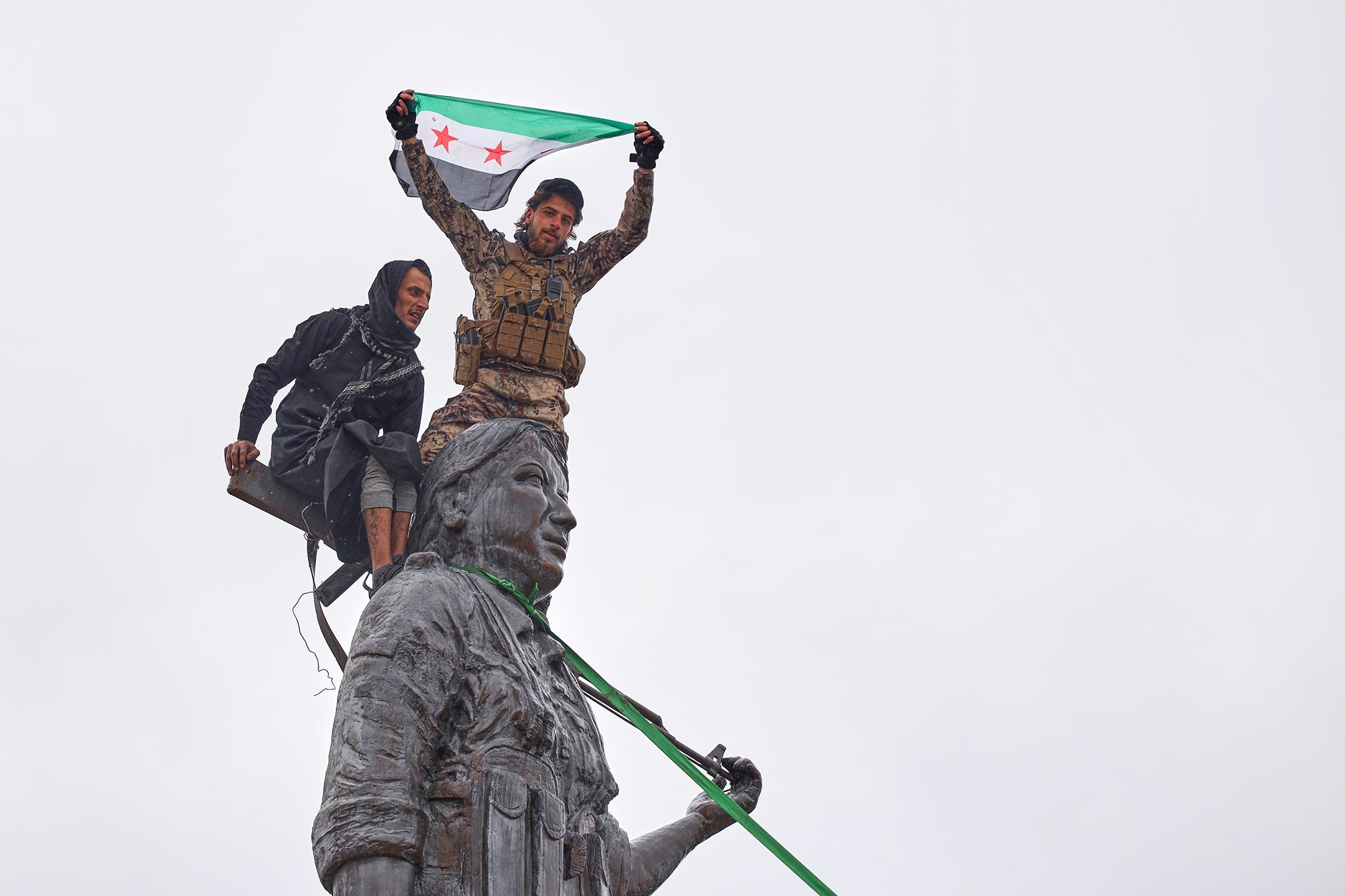
According to the new agreement, SDF fighters will merge into the national army and police forces as individuals rather than as a whole force, which is a blow to Abdi’s earlier plans.
The Kurdish-led force will also hand over names of commanders who will be given high military and managerial posts within the Syrian army and government.
The SDF as a part of Syria
Al-Sharaa issued a decree making Kurdish an official language in the country, along with Arabic, and adopting the Kurdish new year as a national holiday, a step viewed as an attempt to appease the Kurdish minority. The new ceasefire was announced two days later.
The SDF, which was once estimated to have about 40,000 fighters and had played a major role in the victory against IS in March 2019 when they captured the last sliver of land the extremists held, will most likely dissolve in the near future as al-Sharaa boosts his authority in Syria after taming Assad’s Alawite minority sect in deadly sectarian clashes in March.
A major mission that SDF continues to have is the control of prisons where some 9,000 IS members have been held for years without trial. The SDF also controls al-Hol and Roj camps in Hassakeh that are home to tens of thousands, mostly women and children linked to IS.
The group said in a statement Monday that gunmen were attacking the Shaddadeh prison “which holds thousands” of IS members. It later said that its fighters repelled several attacks adding that the prison it out of the control of its fighters.
Under the 14-point ceasefire, the authorities and protection forces that run the prisons and camps will merge into the government that will become “fully in charge” of the legal and security affairs of jails and camps. No deadline was set.
The Syrian government, the deal says, is committed to the fight against IS as Syria is now a member of the U.S.-led coalition fighting against the extremists.
Syrian government seizes strategic town in Raqqa from Kurdish forces in an ongoing push eastward
US kills Al-Qaeda-linked leader behind ISIS attack that killed troops, military says
Mapped: Every country Trump has attacked or threatened in his tumultuous second term
Four Afghan gunmen killed as they crossed border into Tajikistan
Iran mulls over lifting internet ban amid state TV hacking
Hackers target Iran’s state TV to air footage supporting exiled crown prince