Old eaves, cracked wall sheets, and worn vinyl can look like routine maintenance at first. Then someone says “asbestos,” and the room gets quiet fast. In Brisbane and the Gold Coast, that moment still happens in many older homes.
Most people are not planning a full strip out when they spot the damage. They are patching a leak, updating a bathroom, or pricing a knockdown rebuild. If that is your situation, House Demolition Brisbane choices often start with one simple question: could asbestos be sitting there.
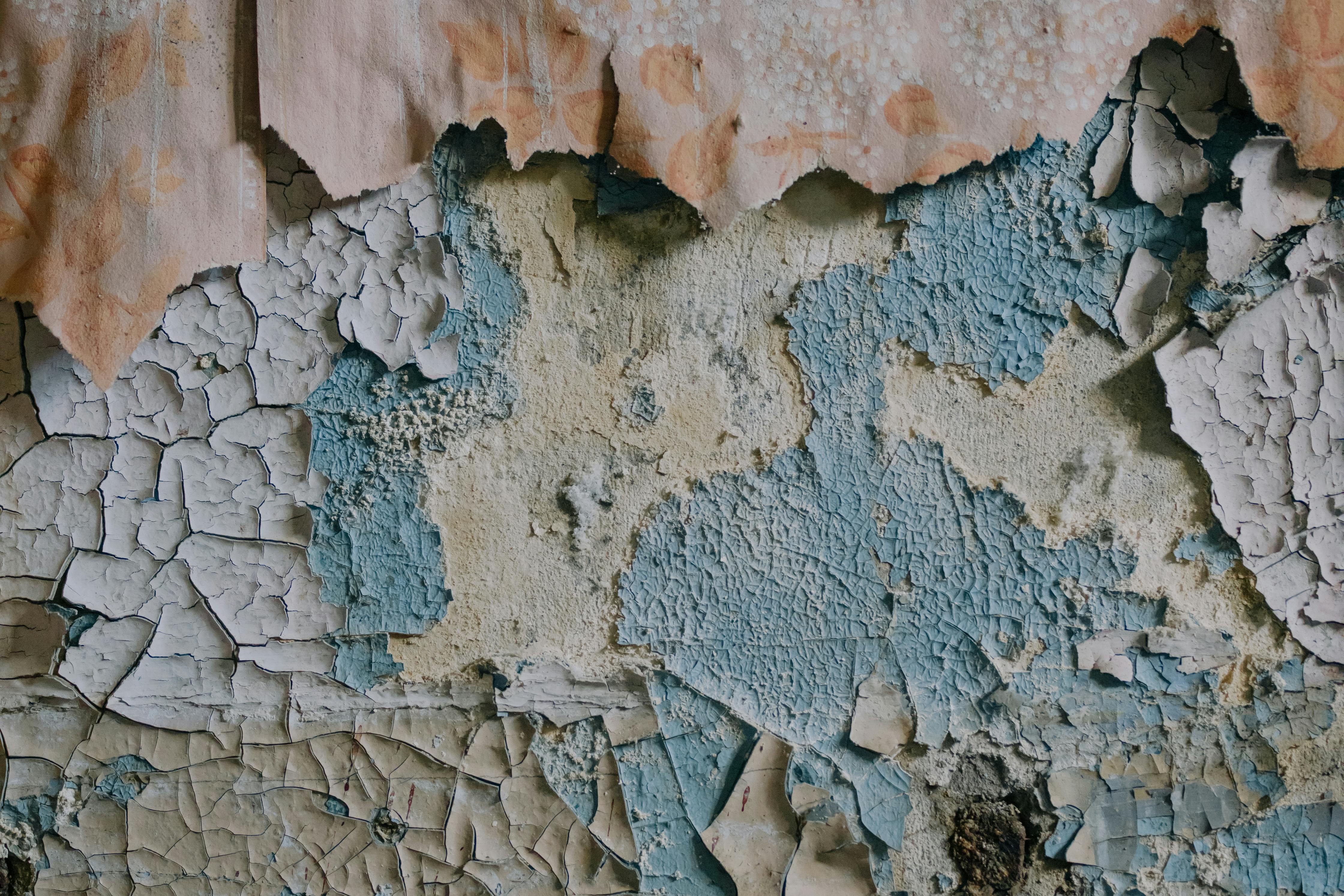
Photo by cottonbro studio
Where Asbestos Can Still Be Found
Australia banned asbestos from 31 December 2003, yet older materials still sit in place today. It was used because it handled heat, moisture, and wear without much fuss. Those same traits mean it can remain stable for years, until disturbance begins.
In homes, asbestos products often show up where durability mattered most during the build. Bathroom wall linings, soffits, eaves, and backing boards are common examples in older suburbs. It can also appear in fences, sheds, and garage ceilings, depending on the era.
The risk rises when a material is cut, drilled, sanded, snapped, or pressure washed. This type of work can release fibres into the air, and you cannot see them. “It looks clean” is not a safety check, even when the room seems dust free.
A small lived in detail is how it often starts in real life. A friend once pulled down a loose eave corner after heavy rain, and it crumbled. They stopped, bagged the fragments, and booked testing, which saved a bigger mess later. The Australian Government asbestos safety site explains common home locations and why disturbance matters.
What Safe Removal Looks Like
Safe removal is mostly about keeping dust under control from start to finish. The work area is usually isolated, and foot traffic is kept low and predictable. Wet methods, careful handling, and sealed waste all sit in the same plan.
A well run job avoids dry sweeping and household vacuums, because they can spread fibres. It also avoids aggressive power tools, because they can turn a clean break into fine dust. Instead, the material is kept intact where possible, dampened, and removed in manageable pieces.
Higher risk jobs may involve air monitoring and clearance checks, especially with friable asbestos. Friable means it can crumble easily, so fibres release more readily during handling. For this reason controls get tighter, and why the right licence matters more.
It also helps to remember that “safe” includes what happens after the sheets come down. Waste needs approved bags or wrapped loads, sealed joins, and careful movement through the site. Cleanup is a process, not a quick sweep at the end.
When A License Is Needed
Asbestos incidents often happen because the job looks small at first. One cracked wall can become cutting, prying, and snapping pieces to fit a bin. As a result dust control tends to slip, especially on a hot afternoon.
Queensland separates work that can be done without a licence from work that needs a licensed removalist. The line depends on the asbestos type and the amount being removed. Workplace Health and Safety Queensland sets out the licensing framework, including Class A for friable and Class B for non friable bonded material.
Non friable asbestos is often bonded in cement sheeting, and it can be stable when undamaged. Friable asbestos can be crushed by hand pressure, and it needs tighter controls by design. People sometimes mix these up, and the confusion can lead to risky choices.
If demolition is part of the plan, the licensing question often comes up early. Checks before demolition can identify likely asbestos locations and shape the work sequence. This stage is when decisions become calmer, because surprises become less common.
There are also warning signs that usually mean work should pause. These are the moments that tend to turn safe intentions into real risk. If any of these show up, advice from a qualified professional is worth it.
- Soft, crumbly insulation, or badly deteriorated lagging around pipes
- Sheets that turn powdery when lifted, instead of snapping cleanly
- Any need to grind, sand, or drill older materials to make them fit
- Dust appearing in enclosed areas, like roof cavities or small bathrooms
How Disposal Should Work
Disposal matters because mishandled waste can expose other people later. That includes neighbours, waste workers, and anyone near an illegal dump site. It is also where delays can appear, so a clear plan helps.
Proper disposal often means double bagging smaller items or wrapping larger pieces in heavy plastic. Seams are sealed with tape, then labelled as asbestos waste before moving off site. Transport needs loads that do not tear or shift, because small rips can release dust.
Paperwork feels boring, but it can save stress later. Waste receipts and notes on where the material went give you a clear record. If questions come up months later, that record helps everyone stay on the same page.
I have seen neighbours fall into the “skip bin problem” during renovations. The bin arrives, the pace speeds up, and someone suggests breaking sheets to fit more in. That is the moment a clear disposal plan can keep the job safe.
How To Choose The Right Contractor
Most people feel awkward asking detailed questions, even when the risk is real. A solid contractor is used to explaining their process in plain language. If answers stay vague, that is useful information on its own.
The conversation usually goes better when it stays practical and calm. Licensing, site controls, and cleanup steps are the main pieces that show competence. Training and supervision also matter, because the best plan still depends on steady work habits.
A simple checklist can keep the chat focused without sounding intense. It also makes comparisons easier when two quotes look similar on price. These points usually bring clarity fast.
- The licence type matches the material type and the job size on site.
- The area will be sealed, signposted, and kept off limits during removal.
- Wet methods will be used, and dust creating tools will be avoided.
- Clearance will be confirmed, and assessors used when required.
- Waste handling includes sealed packaging and disposal records after drop off.
Timing and building condition also shape safety more than people expect. A rushed schedule can invite shortcuts, even with good teams. If a job needs more time for containment and cleanup, that time often pays back.
Final Checks Before Work Starts
If asbestos might be present, slowing down early can prevent a bigger problem later. The safest work is the kind that avoids unnecessary disturbance and keeps dust under control. With the right checks, the right licence where needed, and a clear disposal plan, the risk stays far lower. That is the quiet goal, a clean site, a calm process, and no surprises after.