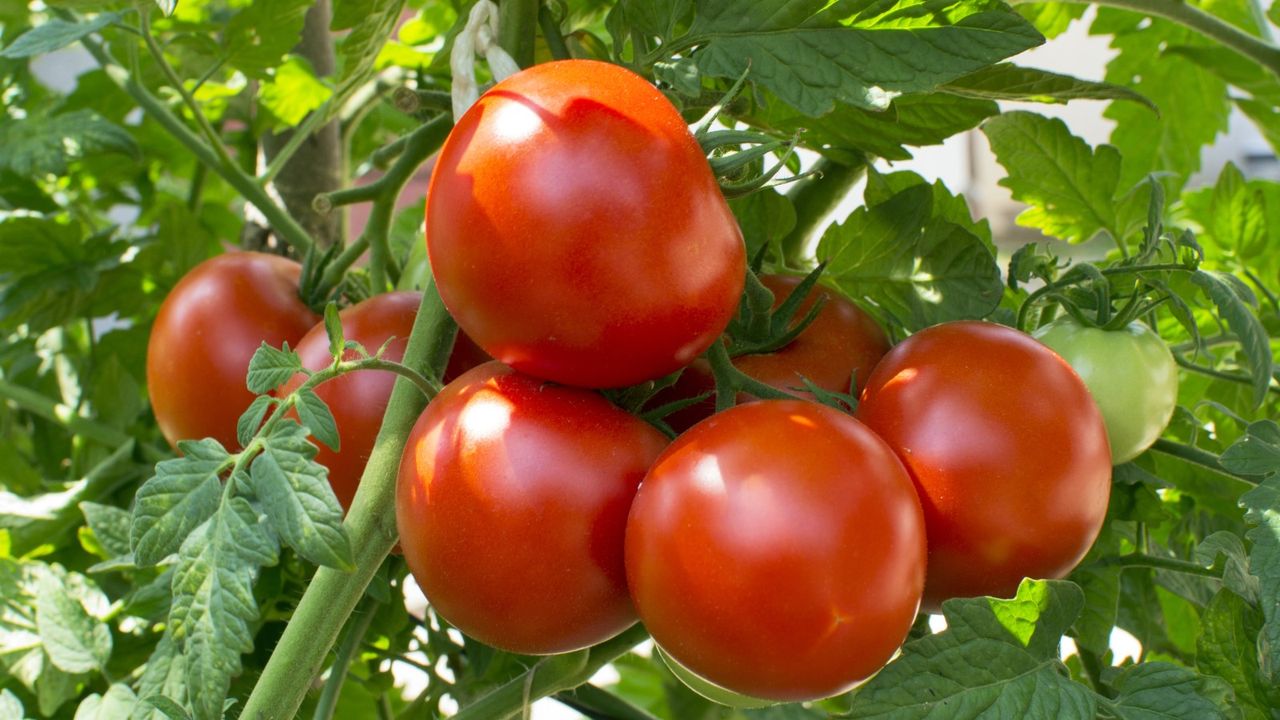
April is a very varied time for growing tomatoes. Depending on your climate and where you will be growing them, what to do with tomato plants in April can range from sowing seeds to planting them into their final position.
Gardeners in warmer climates or with the luxury of a heated greenhouse may be planting their seedlings out this month, while those in milder areas should still be sowing or pricking out their tomatoes.
Timing is key with growing tomatoes. For the healthiest plants and best harvests, there is no advantage to going too early. You should do what is right for your plants, rather than be disheartened by other growers (particularly those on social media) appearing further ahead than you are.
What to Do With Tomato Plants in April
I have grown tomatoes for over a decade in hardiness zone 8, indoors and outdoors. I have always adjusted my timings to suit my plants.
For example, when I was fortunate enough to have a large heated greenhouse, I could sow and plant earlier compared to when I had an unheated one or when I planted my tomatoes outside.
Here is what to do with tomato plants, depending on your location and set-up, to help you have strong plants and a prosperous season.
1. Sow Seeds
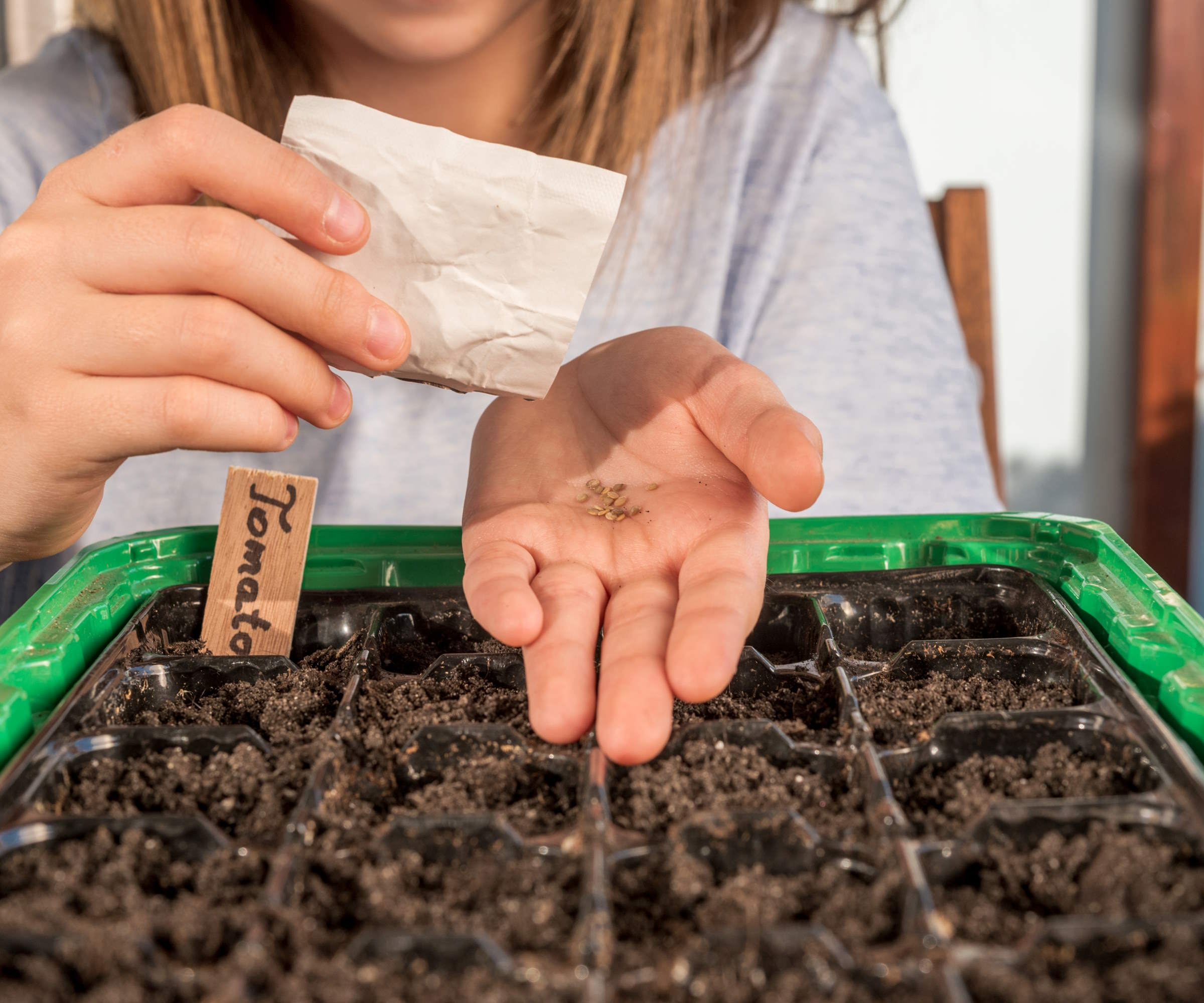
Judging when to plant tomatoes depends on where you will be growing them and when the weather will be suitable for planting. A guide is to sow seeds indoors 6-8 weeks before the last frost, if the plants will be growing outdoors.
This means the window to sow is still open in April in colder climates. If you garden in warmer zones, or the tomatoes will grow in a greenhouse, you should have sown earlier. It is not too late, you can sow in April for later summer harvests.
The danger of sowing early indoors is that young plants spend too much time waiting for their final planting position outside, and they usually become leggy or pot-bound.
If you are planting in April, sow seeds into trays, modules, or small pots filled with seed compost, such as this seed starting mix available at Burpee. An ideal temperature for germination is 68-78°F, which can be found in a greenhouse, propagator, or on a sunny windowsill.
See the range of tomato seeds to plant at Amazon
See the range of tomato seeds to plant at Walmart
See the range of tomato seeds to plant at Burpee
See the range of tomato seeds to plant at True Leaf Market
2. Take Care Watering Seedlings
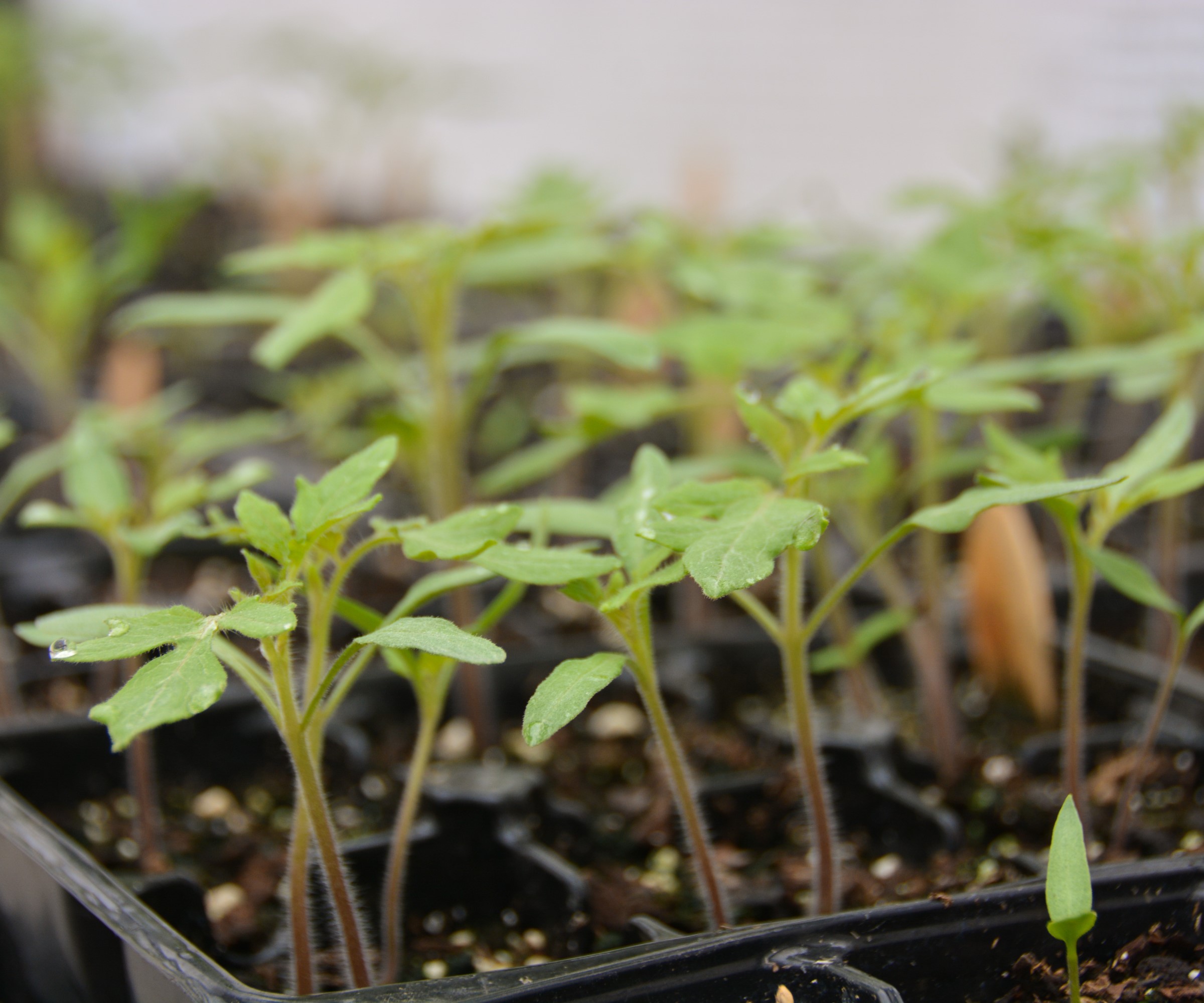
If you are growing tomato seedlings in a greenhouse or on a windowsill this month, take care with watering. You need to keep the soil consistently moist, but it shouldn’t be too saturated.
A risk of overwatering seedlings is root rot or ‘damping off’, a fungal disease where seedlings collapse due to the soil sitting too wet for long periods.
I have always preferred to water seedlings from below, by sitting trays or pots in a tray filled with some water. This gentle watering technique allows the soil to absorb the moisture it needs and helps avoid overwatering. You can use 20" by 10" trays with no holes from Amazon to sit your trays of tomato seeds or pots of seedlings in.
Keep a close eye on your seedlings and only water plants when the top surface of the soil feels dry. Check the moisture by putting your finger in the soil. If it feels dry, then water.
Alternatively, if the pots or trays feel light when you lift them, that is also a sign they probably need watering.
For many gardeners wondering what to do with tomato plants in April, careful watering will be crucial to their success or failure at this precious part of the growing season.
3. Pot On Young Plants
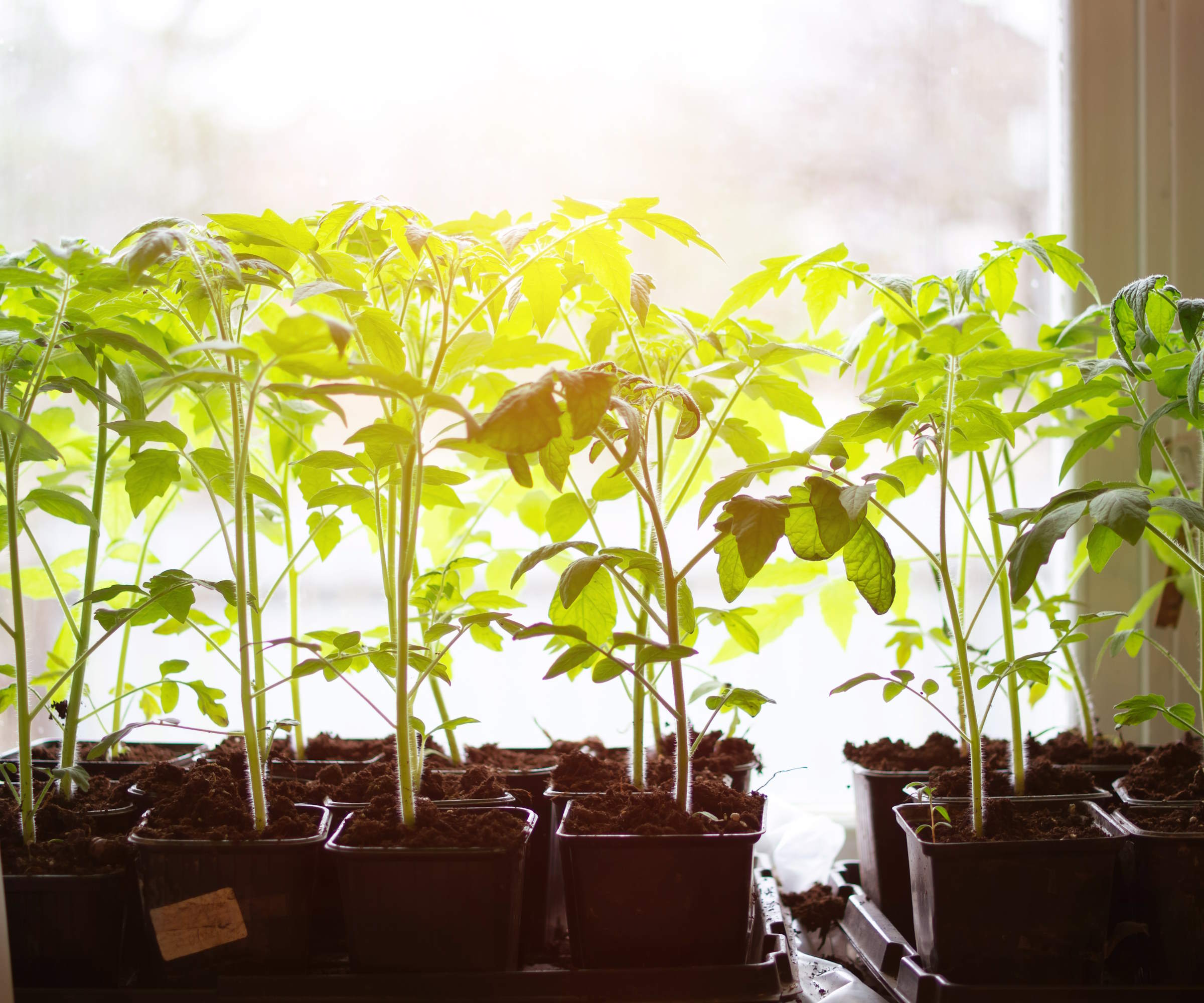
When you plant tomato seeds into trays or small modules, the time comes to prick out and pot up the seedlings. This is a pivotal part of their fledgling lives, as they will have outgrown their current spot and need a new home until the time comes to transplant tomato seedlings into a greenhouse or outdoors.
Once your tomato seedlings are large enough to handle and have developed their first set of true leaves, it is time to prick them out and pot them up. Take care to handle them by the leaves, rather than risk snapping the delicate stem, and put them into three-inch pots filled with a quality potting mix, such as this organic potting soil at Amazon.
Continue to grow them in a frost-free place as they develop into their larger container ahead of being planted in their final growing spot next month.
Gardeners in milder climates may start hardening off seedlings towards the end of April. Give plants some time outdoors, or in an open cold frame, during the day, to get them used to outdoor conditions and avoid shocking them when they are planted outside.
4. Plant Indoors In A Greenhouse
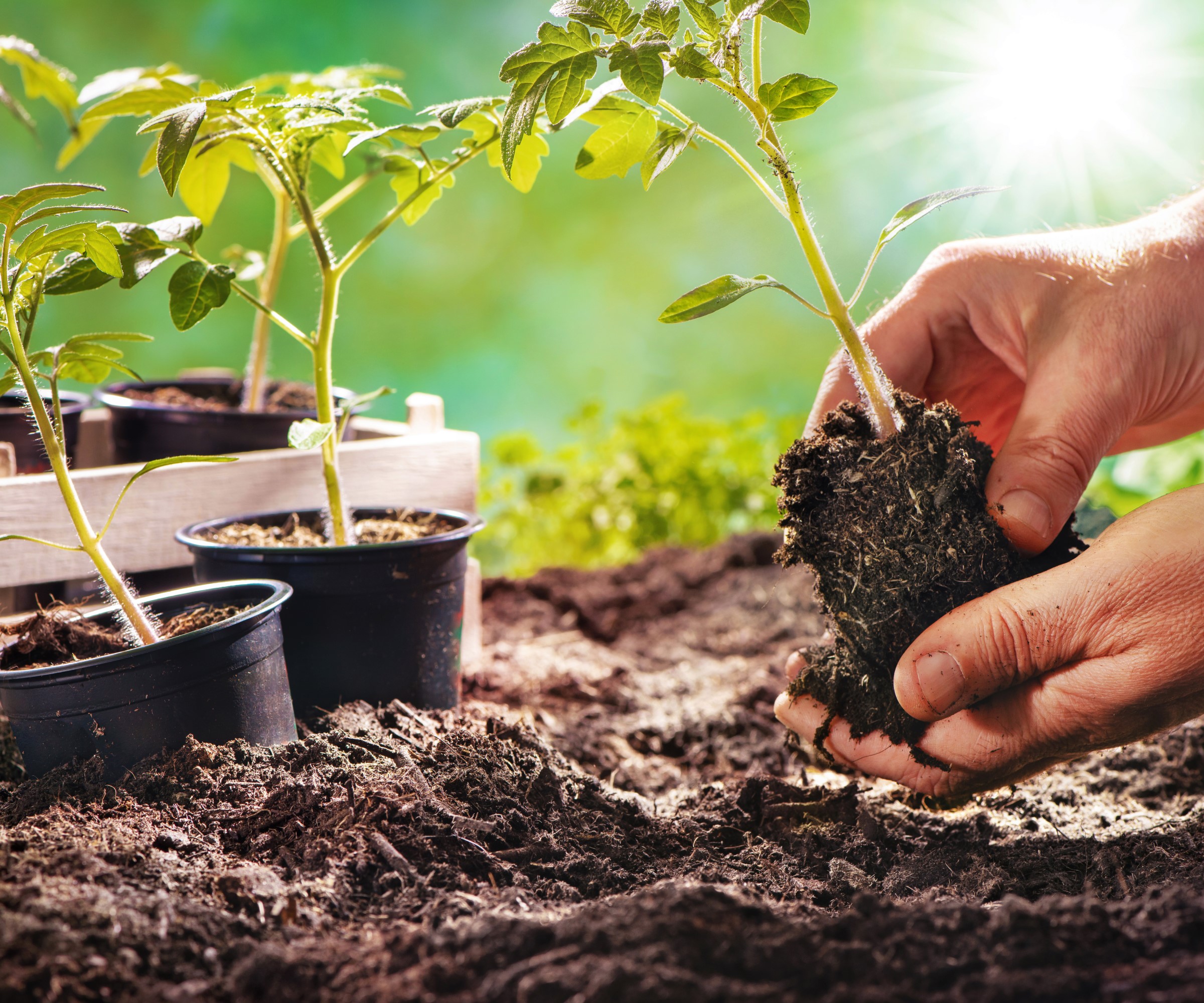
April is often a good time to plant tomatoes in a heated greenhouse. It is too early for outdoor tomatoes, but gardeners with the luxury of a greenhouse can get their plants into their final growing positions.
I have often grown tomatoes in pots in a greenhouse, while many growers use grow bags indoors. Whichever route you choose, use a quality soil for container gardening and fertilize tomatoes weekly with a liquid tomato feed once the plants start flowering.
If your greenhouse isn’t heated, wait until later in April to plant them. A good indicator that it is time to plant is when the nighttime temperatures consistently remain above 50°. Investing in a greenhouse thermometer (you can get a digital thermometer at Amazon) is a safe way to judge when to plant and when to open doors to ventilate a greenhouse as the temperature rises.
Start pruning tomatoes after planting them. Tomatoes produce lots of side shoots between the leaves and the main stem. These take energy away from the rest of the plant and can affect your tomato harvest – so pinch them out as soon as you can.
5. Plant Outdoors In Warm Climates
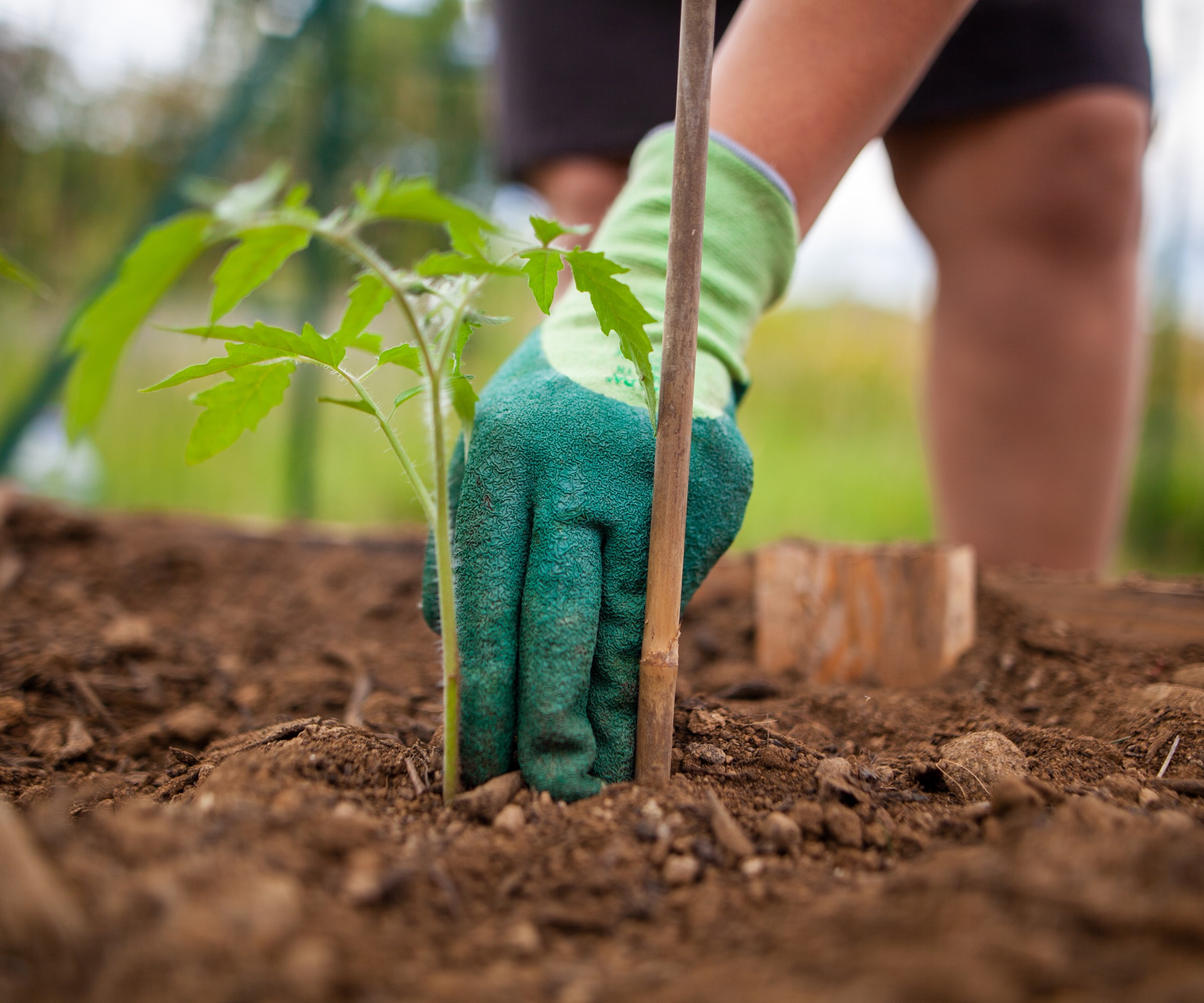
Gardeners in the warmest southern hardiness zones (areas such as Texas, Florida, or Southern California) may be able to plant tomatoes outdoors in April.
When the soil temperatures reach 60°F and nighttime temperatures remain above 50°, the conditions are suitable for tomato plants.
It is advisable to plant tomatoes deeply in the soil, as this can help increase tomato yields. The plants can produce roots up their stems. You can plant as deeply as where the last set of leaves is, and planting deeply ultimately means more roots to take in moisture and nutrients. It is particularly effective if your plant is a bit leggy.
What to Shop for Growing Tomatoes
A liquid tomato fertilizer to mix with water and apply to plants throughout the growing season. It contains vital nutrients to help tomato plants thrive.
A pair of straight-bladed pruning snips is ideal for pruning tomatoes and snipping harvests from plants.
Tomato cages are ideal for training and supporting plants as they grow. This pack has three square-shaped steel cages to keep plants healthy and make harvesting easier.
Once your tomatoes have been planted, keep a close eye on watering. Tomato plants need a lot of water throughout the season; they like the soil consistently moist but not waterlogged.
Consistency is important, as irregular watering can cause tomatoes to split and also result in blossom end rot. My tip is to regularly check the moisture levels a few inches down in the soil. If it feels dry, it is time to water.
The lesson to remember with tomatoes is to water regularly and consistently.
If you love inspiring garden ideas, outdoor advice, and the latest news, why not sign up for our newsletter and get the latest features delivered straight to your inbox?