
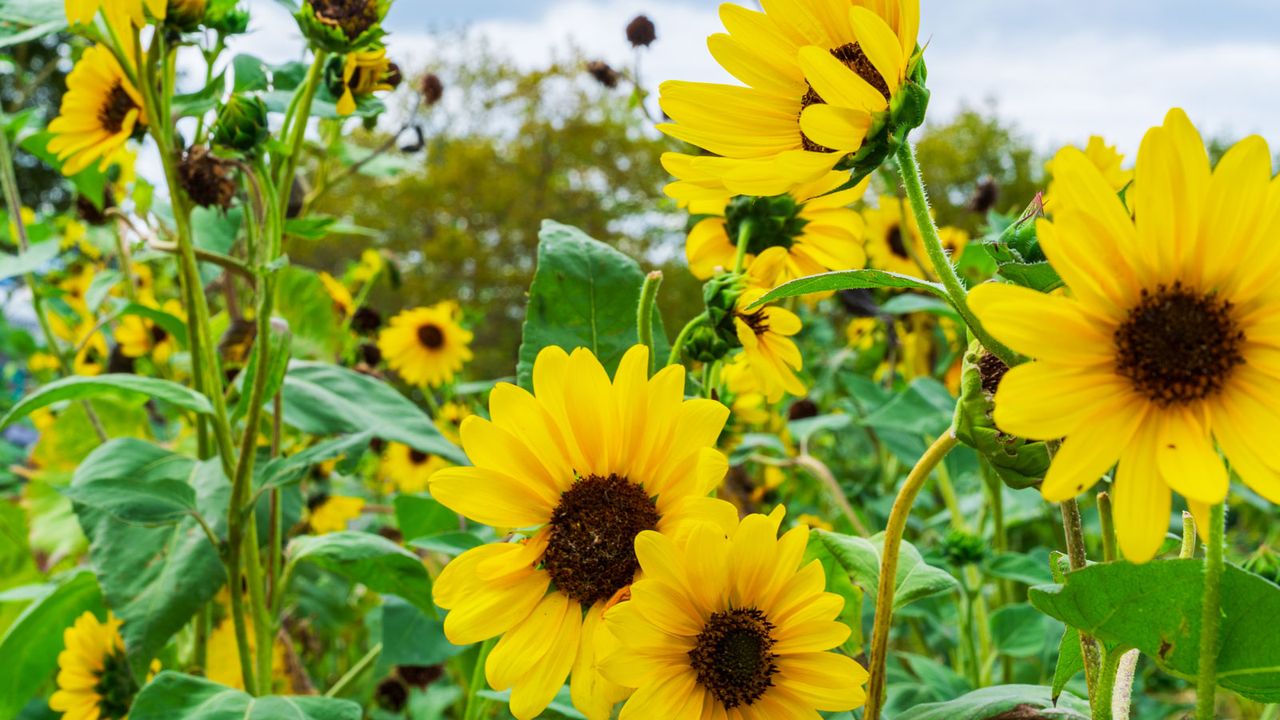
Sunflowers are one of my favorite summer blooms. My plants start to fill the garden towards the end of June and the sunny splashes of yellow are always a welcome sight. While sunflowers are easy to grow there are a few jobs to keep on top of so the blooms continue for as long as possible.
As I love to pick sunflowers for the house I tend to lean more towards the many cultivars with shorter stems and a branching habit so I get multiple flowers from one plant. These make great cut flowers. The giant varieties with just one huge flower are always fun to grow too. I leave a few in situ for the birds to snack on the seeds, and they are always well received.
If you want to find out how to grow sunflowers the good news is these gorgeous blooms need very little attention in June to thrive, even in the relentless heat of summer. Here are six things to do to keep those flowers coming. (And you can still sow sunflower seeds, from this gorgeous Amazon mix, to flower by August!)
1. Keep Watering Your Sunflowers Especially In A Heatwave
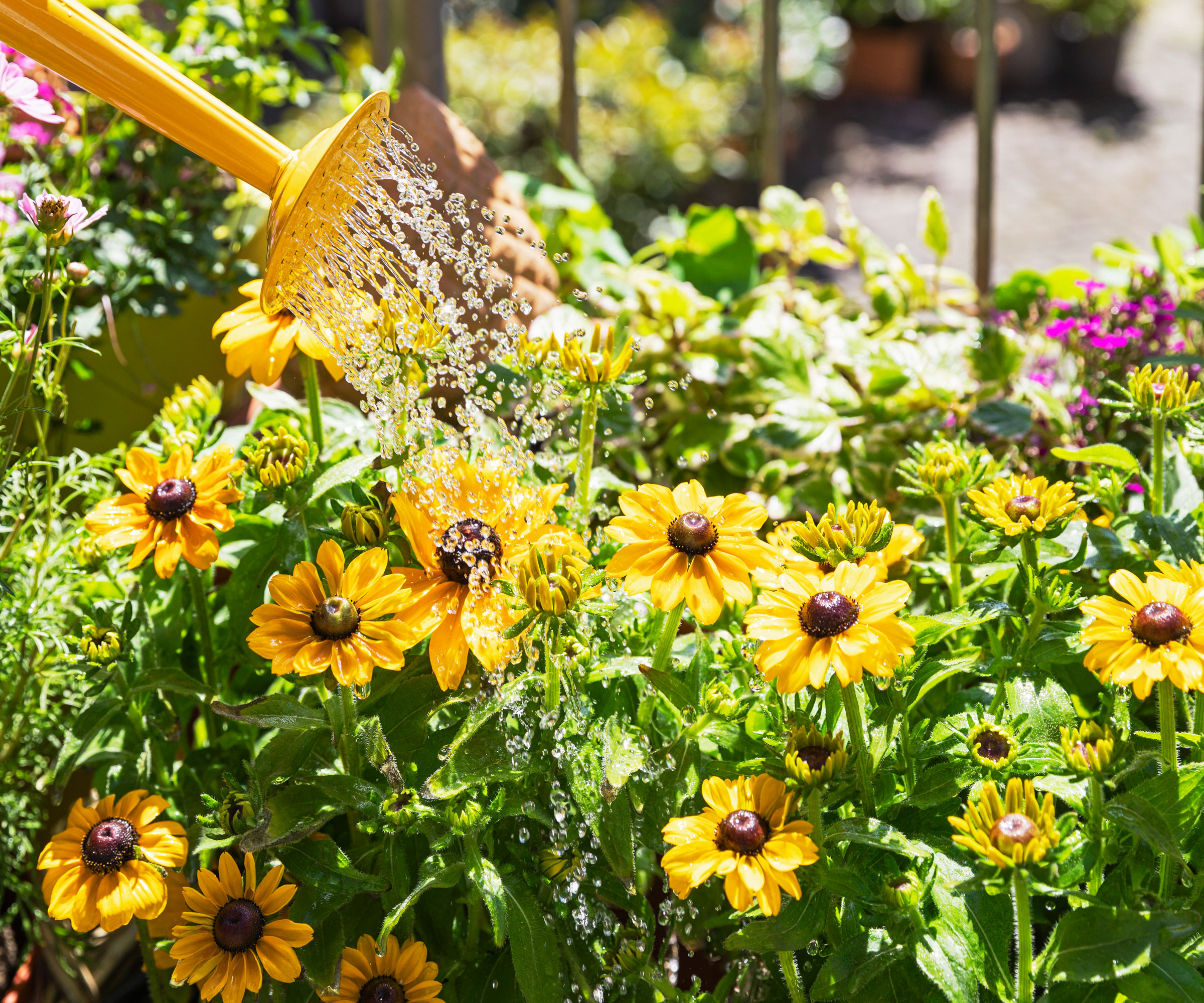
My sunflower patch grows super fast in June and puts on inches at an amazing rate. This means any newly sunflower plants need plenty of water and they will suffer if allowed to dry out.
Once my plants are established their water needs ease up a little and they even tolerate some drought. As soon as the flowers open this is my cue to give them deep, regular watering if I want them to look their best.
Keep up a watering routine in hot weather, particularly if you're growing sunflowers in pots. Aim the water at the base of the plant rather than overhead to get moisture down to the root system. I love this 1 gallon green metal watering can from Amazon, which when not in use looks great on the patio.
Overhead watering can spread diseases and wets foliage without properly soaking the root system.
If you're away for the night, plant watering globes, like these beautiful glass ones from Amazon, are really useful. They maintain a constant, slow release of water over time, so it takes the worry out of not watering for a day or two in hot weather.
2. Feed Your Sunflowers To Get The Best Results
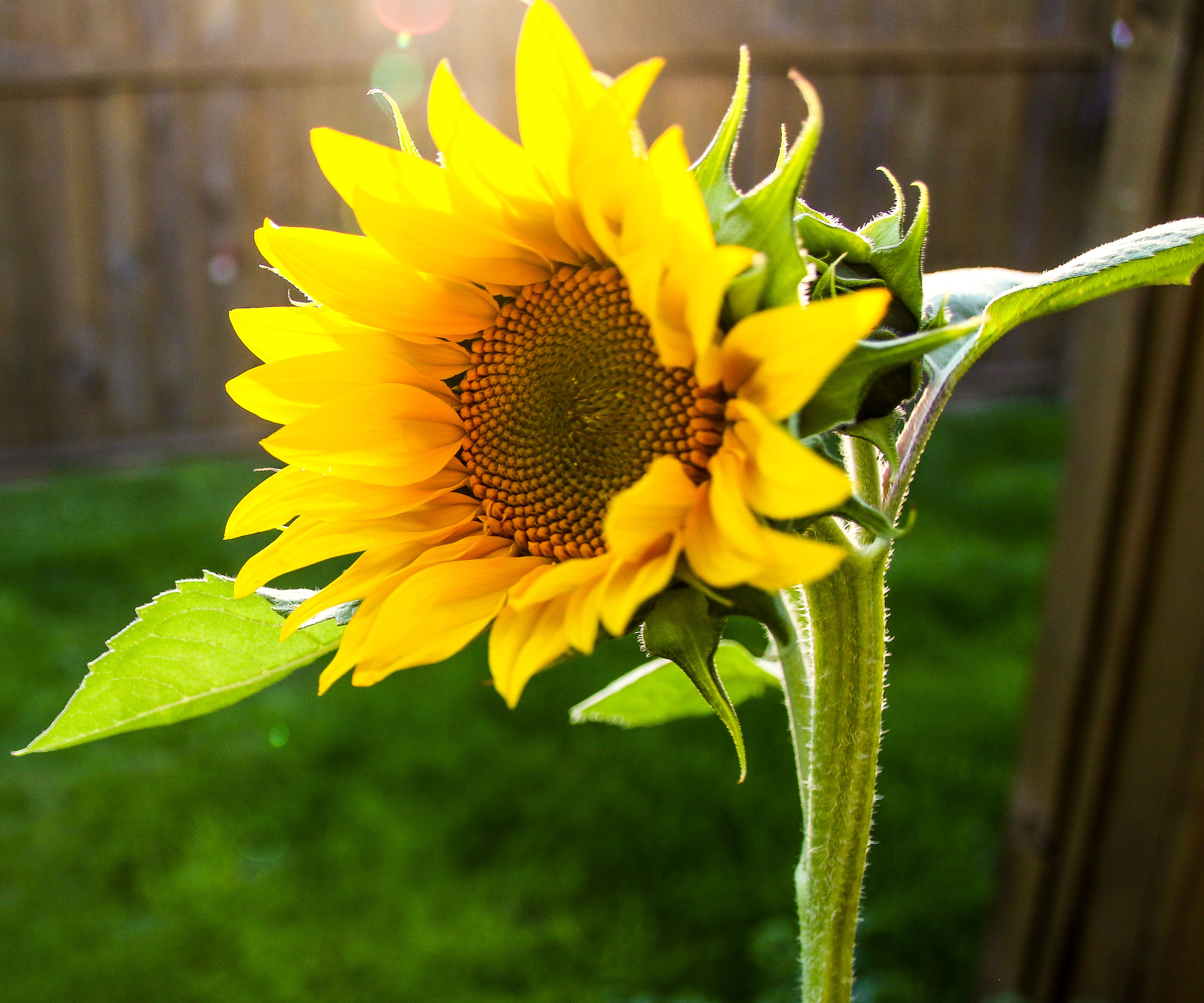
Before planting my sunflowers this year I remembered to add plenty of well-rotted manure to the bottom of the hole – I usually forget. Alternatively you can also use garden compost. Although sunflowers don't generally need fertilizer it's a good idea to do this to get them off to the best start.
If your soil is very poor you can use a slow-release granular fertilizer such as Organic Plant Magic available from Amazon to encourage flowering. Sunflower plants will also benefit from mulching around the roots with extra compost. Treat the leaves to a seaweed spray to give them a boost too.
While young sunflower plants are attractive to slugs and snails the good news is as they grow bigger they generally become less troubled by pests and disease. You may spot aphids on your sunflowers but as the plants grow it becomes less of an issue as they prefer young foliage.
3. Stake Sunflower Plants With Sturdy Supports
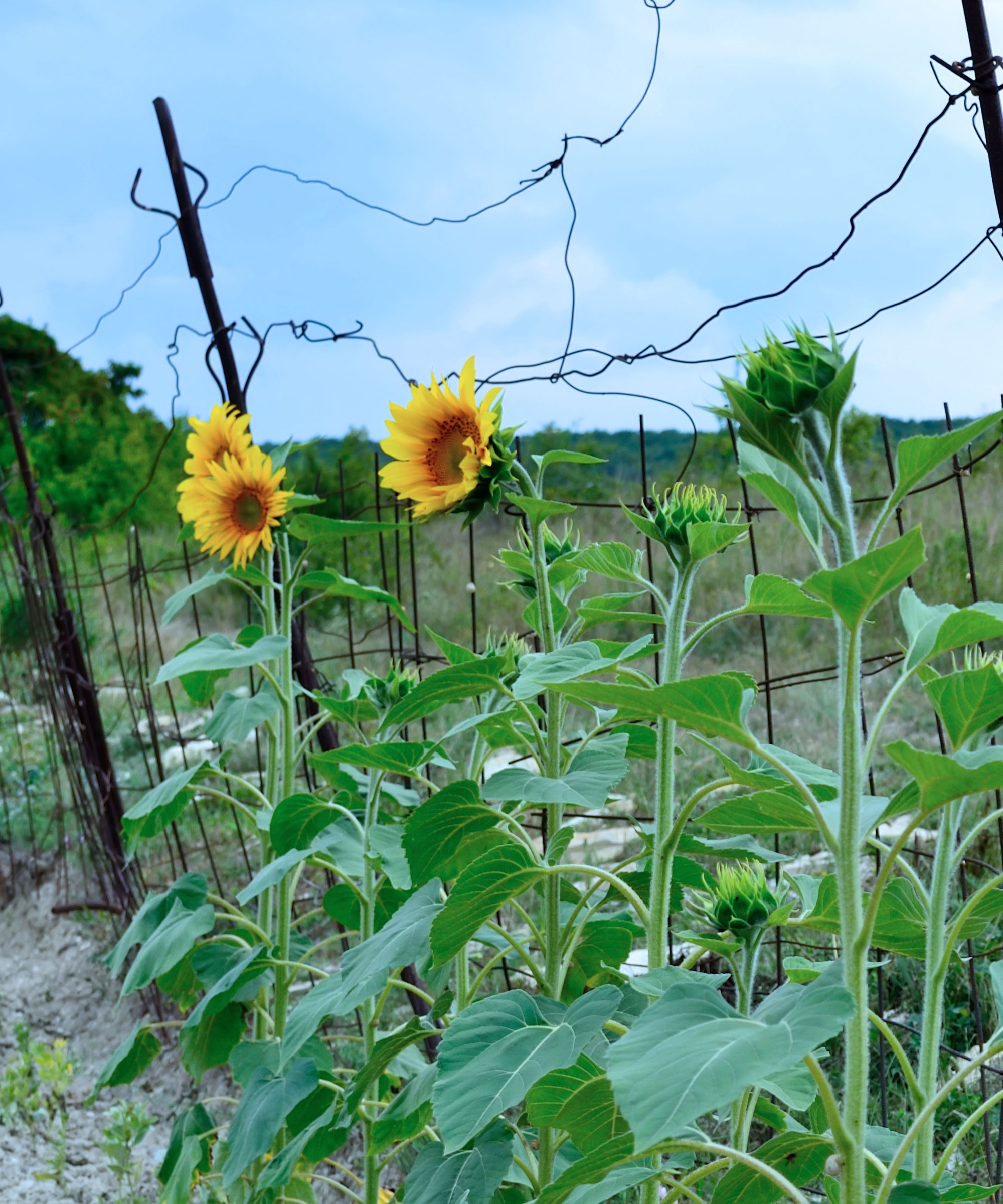
As your sunflowers grow bigger they will need some kind of support. Both giant single stem and multi-branching varieties of sunflower will benefit from staking, as they won’t stay upright for long unless you give them some help. I sometimes use a wire trellis for the multi-branching sunflower varieties as it's an easy way to keep them in check.
Tie in plants against sturdy stakes as they grow, remembering to check regularly to see if they need extra ties as they grow taller, as all it takes is one high wind to bring them down if they don't have the necessary support in place.
Start off with something like these heavy-duty single stem support stakes from Wayfair, which are ideal for tall or top-heavy plants like sunflowers. As plants grow taller switch to a longer stake such as these stylish metal plant supports, also from Wayfair, which add a design element to your planting too.
4. Carry Out Routine Deadheading To Keep Things Looking Fresh
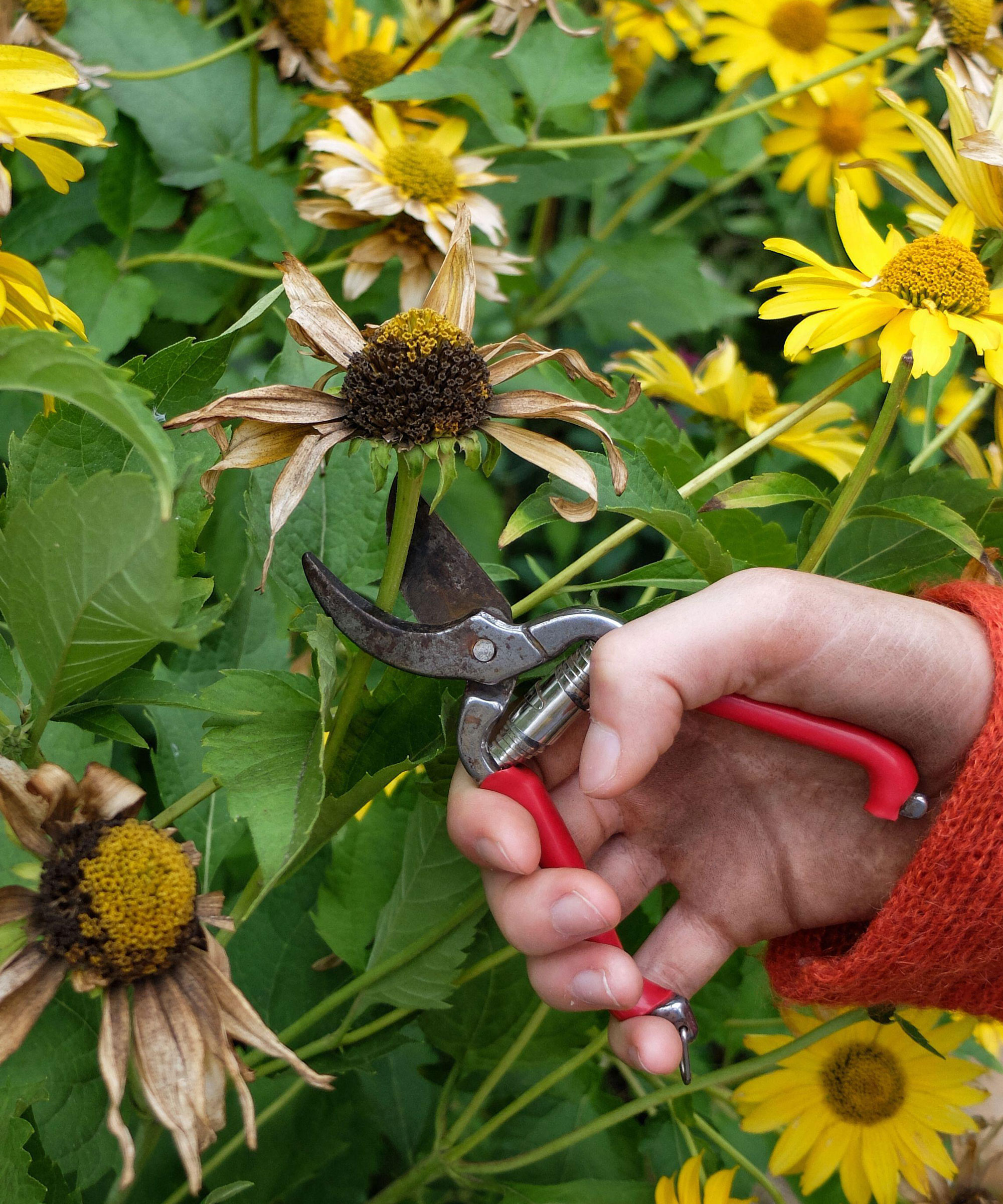
Once sunflower blooms start to fade and the foliage dries up and shrivels around the base it can spoil the look of your flower display. But the good news is it's easy to tidy things up. The trick is to keep on top of deadheading with some handy shears like these Fiskars Plant Snips available from Target, which allow you to make precise cuts.
Regular deadheading encourages the growth of new flowers and this is one of the most important routine jobs to carry out on sunflowers in June. It's a surefire way to keep sunflowers blooming.
The goal is to cut off any part of the flower that is dead. You can also tidy up any faded foliage while you're doing it. Follow the stem back until you hit a place where it branches.
There is a good chance you will get more flowers if you do this to cut-and-come again varieties of sunflowers.
5. Keep Picking Flowers To Keep Blooms Coming
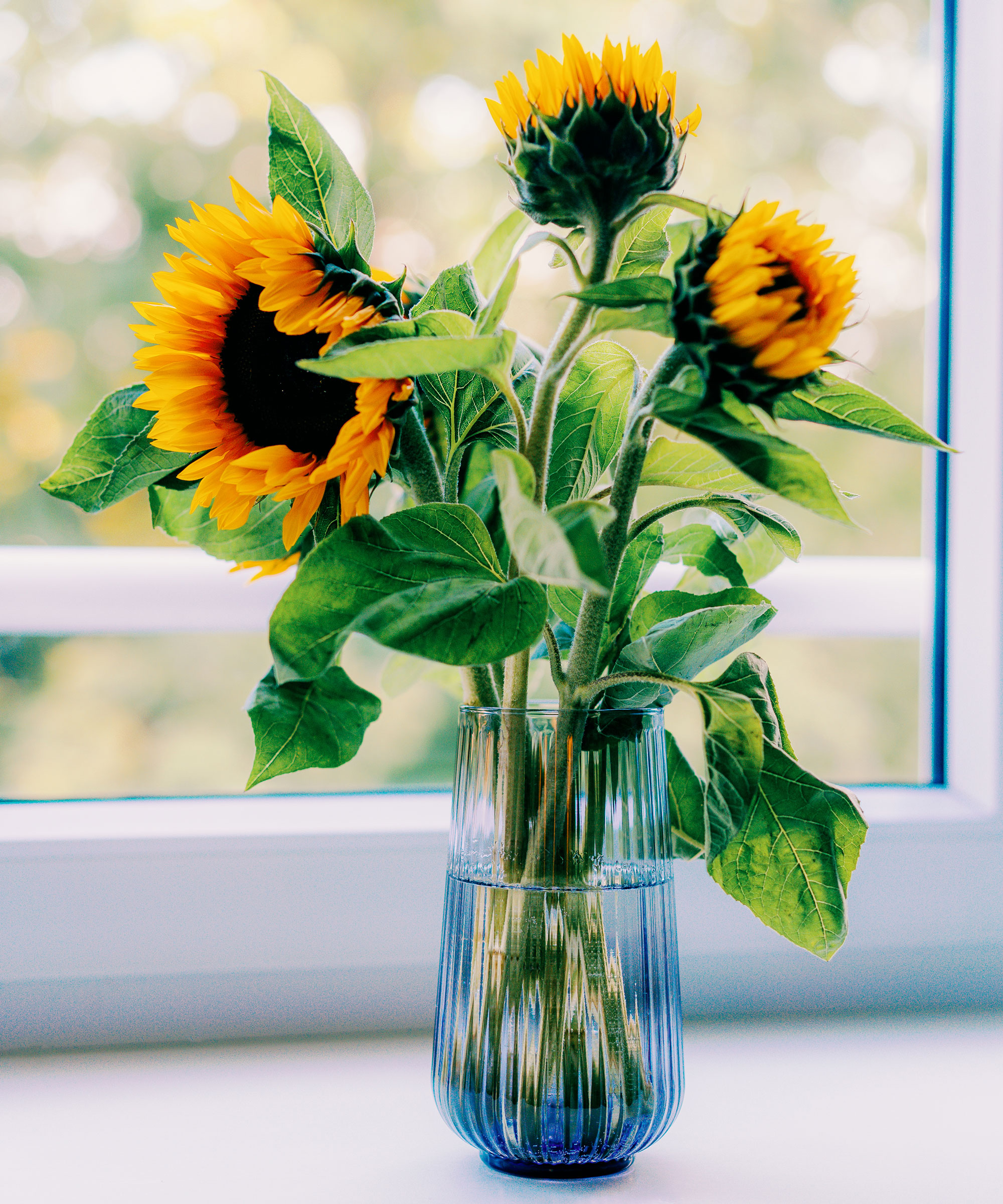
As well as deadheading it's important to start harvesting sunflowers in June. The formula is simple: the more you pick the flowers the more flowers you will get. The prolific flowering types that I like produce lots of smaller flowers that will fill vases for months, as cutting the central bloom sends a signal to the plant to send out new stems from the side.
Some of my favorite varieties for arranging indoors include 'Summer Nights' available here from Nature Hills,, which has deep burgundy stems and brilliant golden yellow blooms all summer long, and 'Strawberry Blonde', an unusual variety available here from Burpee, a combination of subtle lemon and rose-pink flowers surrounding a dark disc.
Pick the flowers just as they're beginning to open. It's a good idea to do this first thing in the morning when it's still cool. Alternatively cut stems in the evening once the heat has gone out of the day.
Condition the flower stems in a bucket of cool water for a couple of hours before transferring them to a vase. When arranging the sunflowers first remove any foliage that will sit below the waterline to avoid a build up of plant debris in the water. Trim stems and change the water every couple of days to keep things fresh.
6. Save Some Seeds For The Birds (And Next Year)
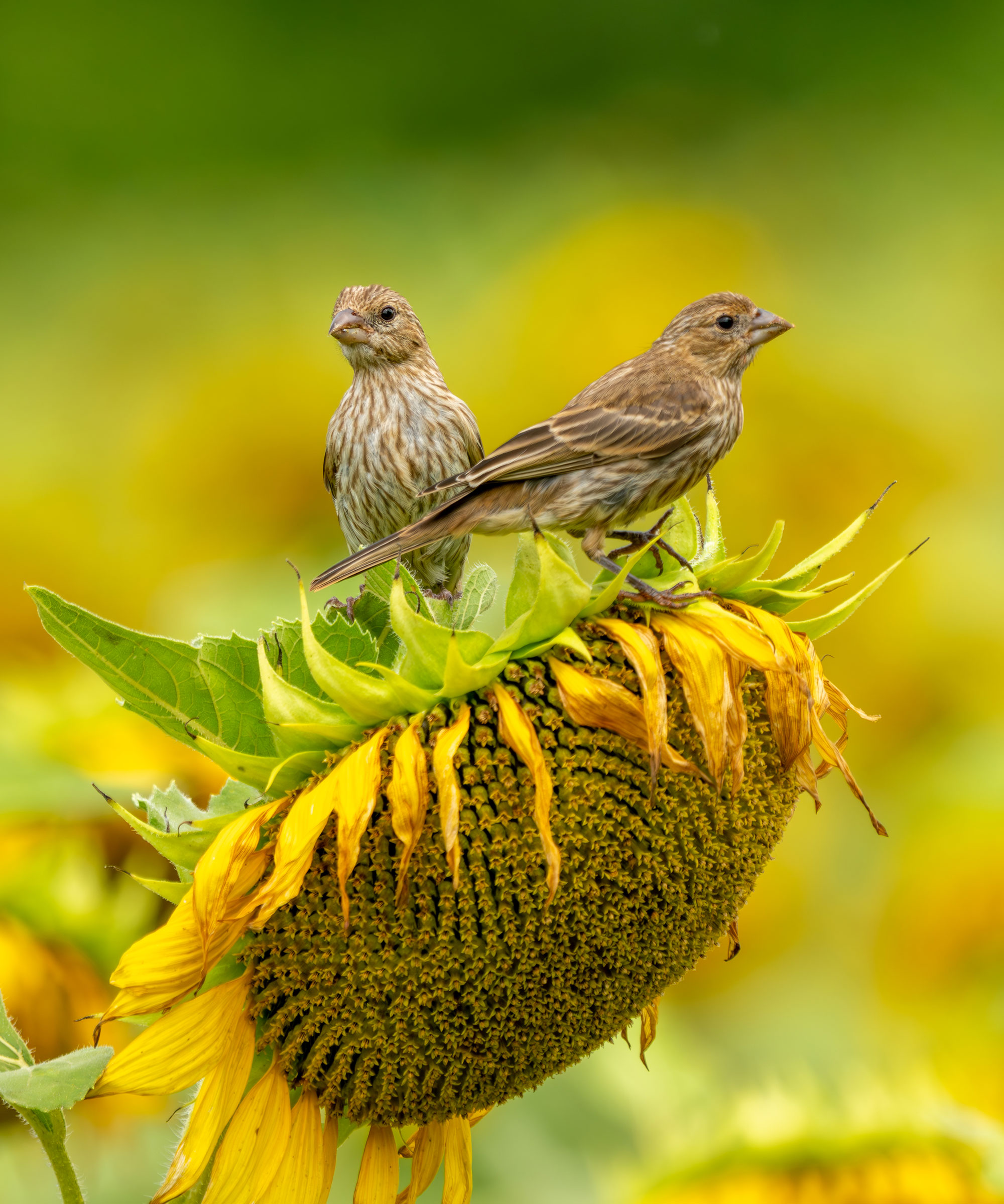
If you like the idea of saving some of your own seeds to grow next year leave one or two flowers in place to fade and allow the seeds to mature instead of deadheading them. Collecting seeds in this way means they will germinate and grow much better the following year.
Once the seeds have developed and are ready simply cut off the heads on a dry day then store them away in a brown bag where the seeds will be shed naturally so they are ready for sowing next year.
It's also a great way to provide a treat for the birds as part of your wildlife garden ideas. If you don’t want to collect any seeds to store you can always leave the seed head in place as a natural bird feeder in your garden.
That's my easy formula to keep sunflowers in June looking their best. Now find out what your rambling rose needs in June, as well as what to do with clematis in June to keep these other prolific garden flowerers looking good too.
If you love inspiring garden ideas, outdoor advice, and the latest news, why not sign up for our newsletter and get the latest features delivered straight to your inbox?