May is the perfect time to grow salvias in much of the U.S. As spring settles in and temperatures warm, these plants really start to wake up, pushing out fresh, vigorous growth. It’s a good moment to cut back any winter-damaged stems, lightly shape the plant, and let it build a strong, healthy framework.
In many regions, especially USDA zones 7–10, this kind of care in May pays off quickly, setting salvias up for a long, steady season of flowering.
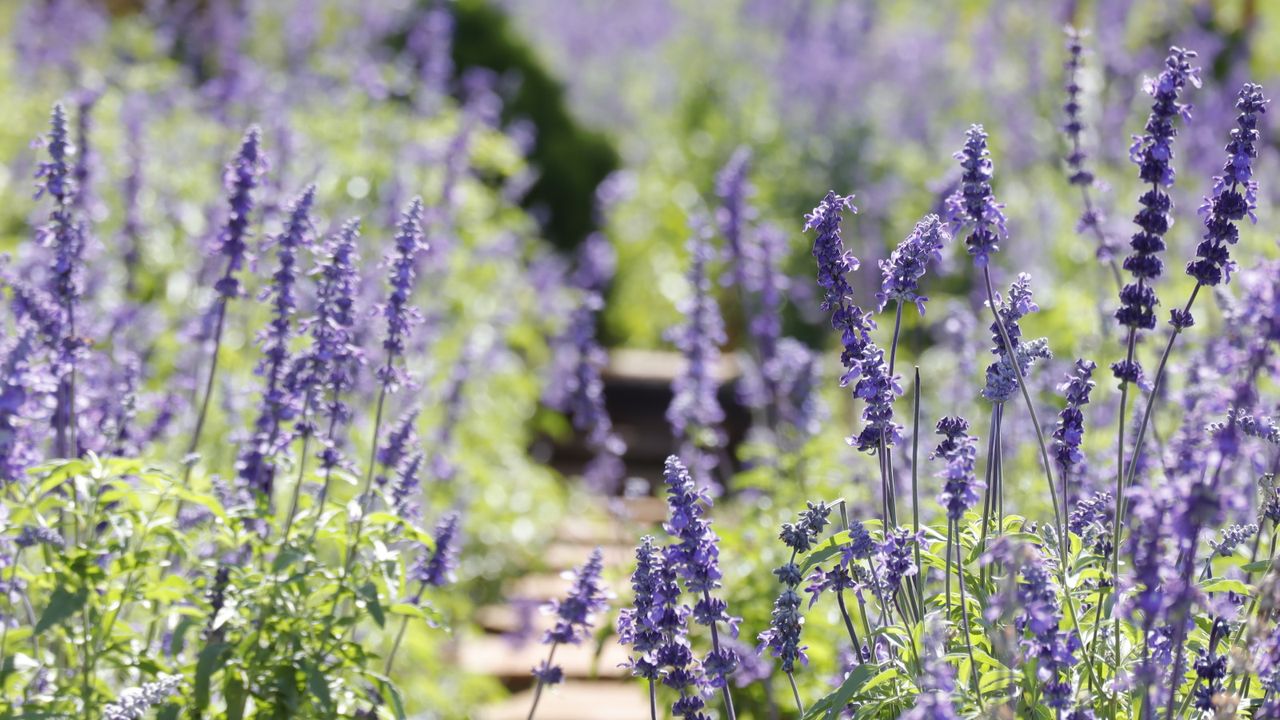
Once summer heat arrives, salvias really come into their own. One of the reasons gardeners love to grow salvias – and the wide range of types of salvia available, from shrubby garden forms to airy meadow-like varieties – is the way their small, jewel-like flowers catch the light, glowing in shades of amethyst, garnet, topaz, and soft opal tones.
Depending on where you are, blooms may begin showing in late spring or early summer, then continue well into fall. In hotter and milder parts of the country, they’ll often flower right through heat, humidity, and dry spells, holding their color long after many other plants start to fade.
1. Cut Back Frost Damage
I usually leave salvias untouched through winter, even when the stems look untidy. The old growth provides valuable protection during cold weather, particularly for shrubby varieties.
By May, however, it’s generally safe to tidy plants properly. I remove any blackened or damaged stems and cut back to healthy new shoots emerging lower down. Salvias respond quickly once temperatures rise, often producing fresh growth within days.
One thing experience has taught me is not to cut too harshly into old woody growth. If there’s little sign of green at the base, I leave a framework of stems intact rather than risking dieback.
The Fiskars Bypass Pruning Shears from Amazon are the exact pair I use for pruning my salvia. If you want a more premium, professional-grade option, the Haus & Garten ClassicPRO Shears are excellent – though they do come at a higher price point than the Fiskars pair.
2. Pinch Out Young Stems
This is probably the most important May task – and the easiest to overlook.
Pinching out the tips of young stems encourages salvias to branch, creating denser plants with far more flower spikes later in the season. It feels slightly ruthless at first, especially when plants are growing strongly, but the results are always worthwhile.
I simply remove the soft tip just above a pair of leaves. Within a couple of weeks, several new shoots usually emerge below the cut.
This works particularly well for bedding salvias and newly emerging perennial growth.
3. Feed Lightly – but Don’t Overdo It
One of the pleasures of growing salvias is that they rarely demand much attention. In fact, I’ve found they often flower best in relatively lean soil.
In May, I usually apply a light mulch of compost around the base or use a balanced fertilizer sparingly. Overfeeding tends to produce lush foliage at the expense of flowers, particularly with shrubby salvias.
Container-grown plants benefit most from occasional feeding once active growth begins.
4. Water During Dry Spells
While established salvias are surprisingly drought-tolerant, younger plants can dry out fast once the weather starts warming up in spring. I’ve found it’s much better to water deeply every few days during dry spells, rather than giving them light daily sprinkles.
A proper soak encourages the roots to grow deeper into the soil, which helps the plants cope far better during the height of summer. I also like to add a layer of mulch around the base to lock in moisture and keep weeds down.
For watering, I use the Hydrotech Expandable Garden Hose from The Home Depot. It’s one of their bestsellers, and honestly, the fact that it doesn’t kink has been a game-changer.
5. Stake Taller Varieties Before They Flop
Some of the taller salvias – especially varieties like Salvia guaranitica – can become surprisingly top-heavy by midsummer. I learned this the hard way after one spectacularly flopped across a gravel path a few years ago. Now, I always add supports in early May, before the plants get too big and unruly.
Slim bamboo canes, like these Bamboo Sticks from Amazon, or natural hazel sticks work really well, and the foliage quickly grows around them so the supports virtually disappear by summer. You can find hazel sticks from your local garden nursery.
6. Keep an Eye Out for Slugs and Aphids

Fresh salvia growth is irresistible to slugs in damp weather, especially during mild springs. I check young shoots regularly throughout May because damage can happen quickly overnight. Aphids also gather on tender stems occasionally, although healthy plants usually grow strongly enough to tolerate minor infestations. Good airflow is key. Whenever salvias become overcrowded, I notice pests and mildew problems appear much more readily.
Shop Salvia Essentials for May
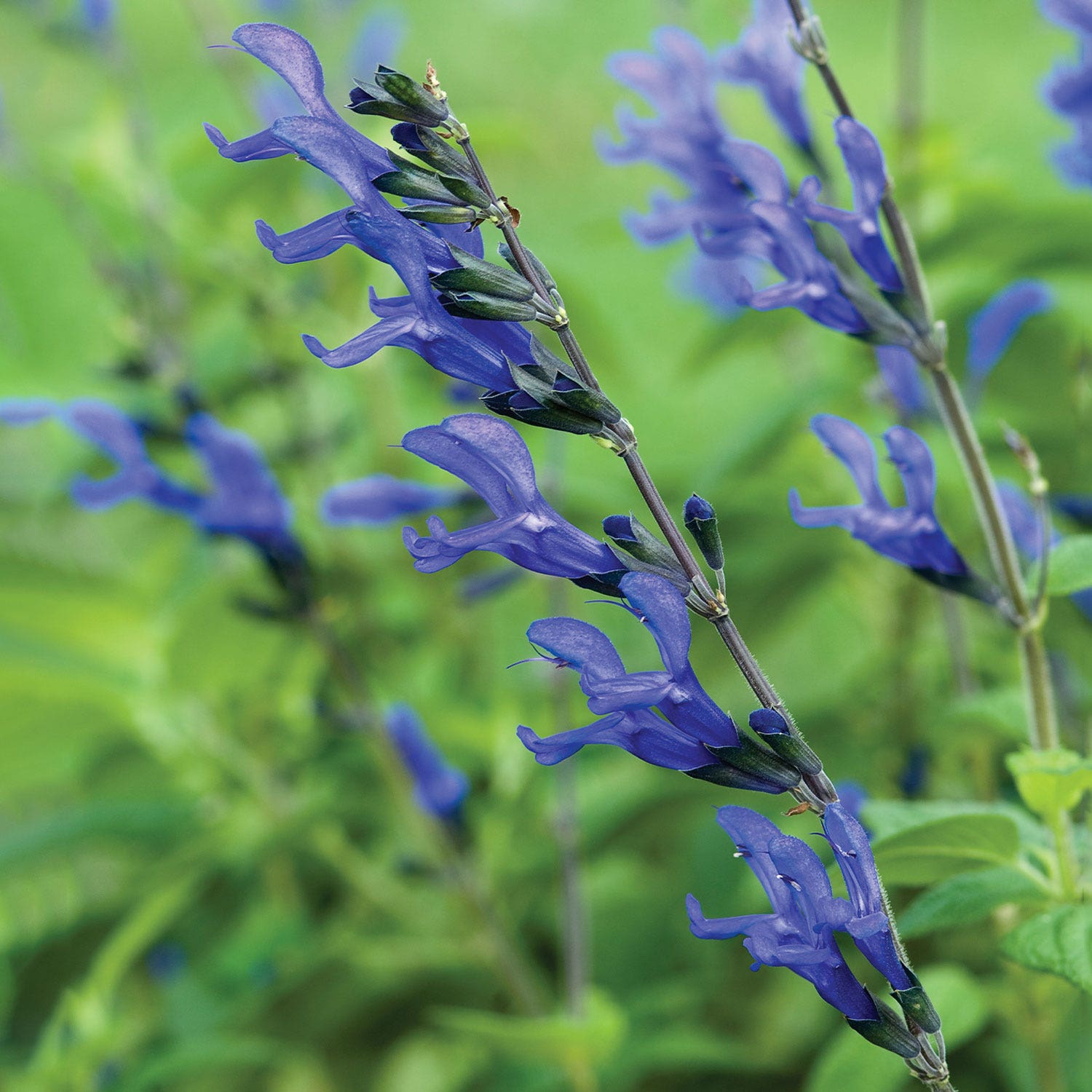
The most popular type of salvia in the U.S. – and for good reason. Striking cobalt-blue blooms, dramatic black sepals, and lush sage-green foliage flower nonstop from late spring through fall. Reaching 4 ft. tall and 3 ft. wide, these bold, graceful plants make a stunning statement in borders, hedges, and large patio pots. Plant one and see why gardeners can’t get enough.
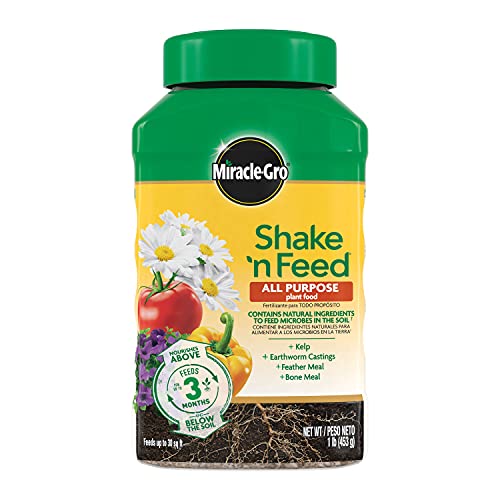
In my own garden, I keep coming back to Miracle-Gro Shake ’N Feed All Purpose Plant Food – it delivers steady nutrition for up to 3 months, helping plants grow stronger roots, richer color, and fuller blooms above and below the soil. I use it on everything from flowers and herbs to veggies and containers, indoors and out; just sprinkle it in, water, and let it do the work.
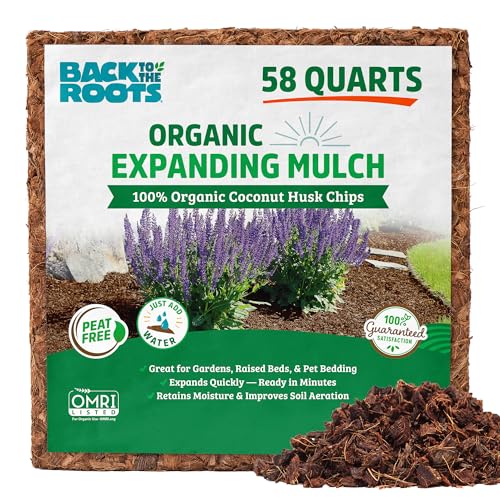
Give your garden an easy, natural boost with this 10lb block of Back to the Roots Coconut Husk Mulch. It expands to over 2 cubic feet of peat-free mulch that helps hold moisture, improve soil, and keep plants healthier. Just add water, let it expand, and spread it in your beds or pots. Simple, clean, and great for everyday gardening.
Salvias earn their place in the garden very quickly. They flower for months, cope surprisingly well with dry weather, and weave naturally through mixed borders without swamping nearby plants.
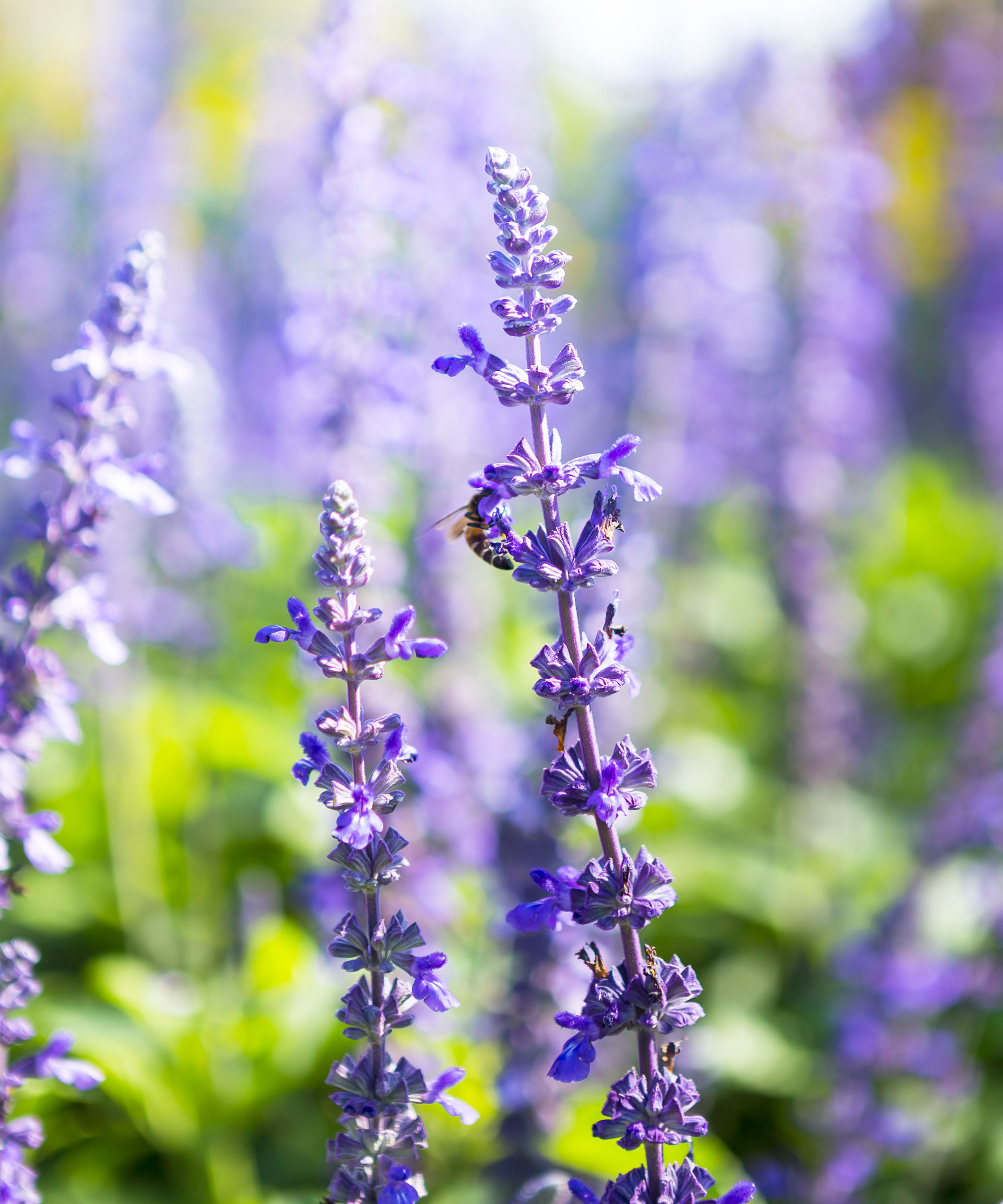
The deeper purple and inky-blue varieties are especially striking in summer light, with dark stems threading through grasses and late perennials while bees hover constantly around the flowers.
What’s so satisfying about salvias is how well they respond to a little attention in May. A quick pruning of salvia, some pinching out, and a bit of early support usually lead to bushier plants and a much longer display later on.
And even once the flowers fade, many salvias still look beautiful heading into fall, which is exactly why designers such as Piet Oudolf use them so heavily in naturalistic planting schemes.