
While many houseplants are just beginning to wake up at this time of year, orchids are a little different. Some might have buds that are opening up, while others have already bloomed – so April is the time to pay close attention to your orchids and make sure they are well-equipped to handle this crucial phase.
The most important task to do this month is to feed your orchids. You can fertilize them using specially-formulated orchid food every few weeks until your orchids bloom. If they have already bloomed, however, you'll want to remove any fading flowers, ensure that each flower spike is healthy enough to survive, and carefully clean the leaves.
Orchids aren't particularly fickle plants, but they do require a set of rather specific growing conditions. Below, we've pulled together the ultimate guide to caring for orchids in April, so that yours can stay healthy throughout the spring. (And if you're looking to add to your collection, you can pick up a classic white orchid from The Sill.)
1. Focus on Fertilizer
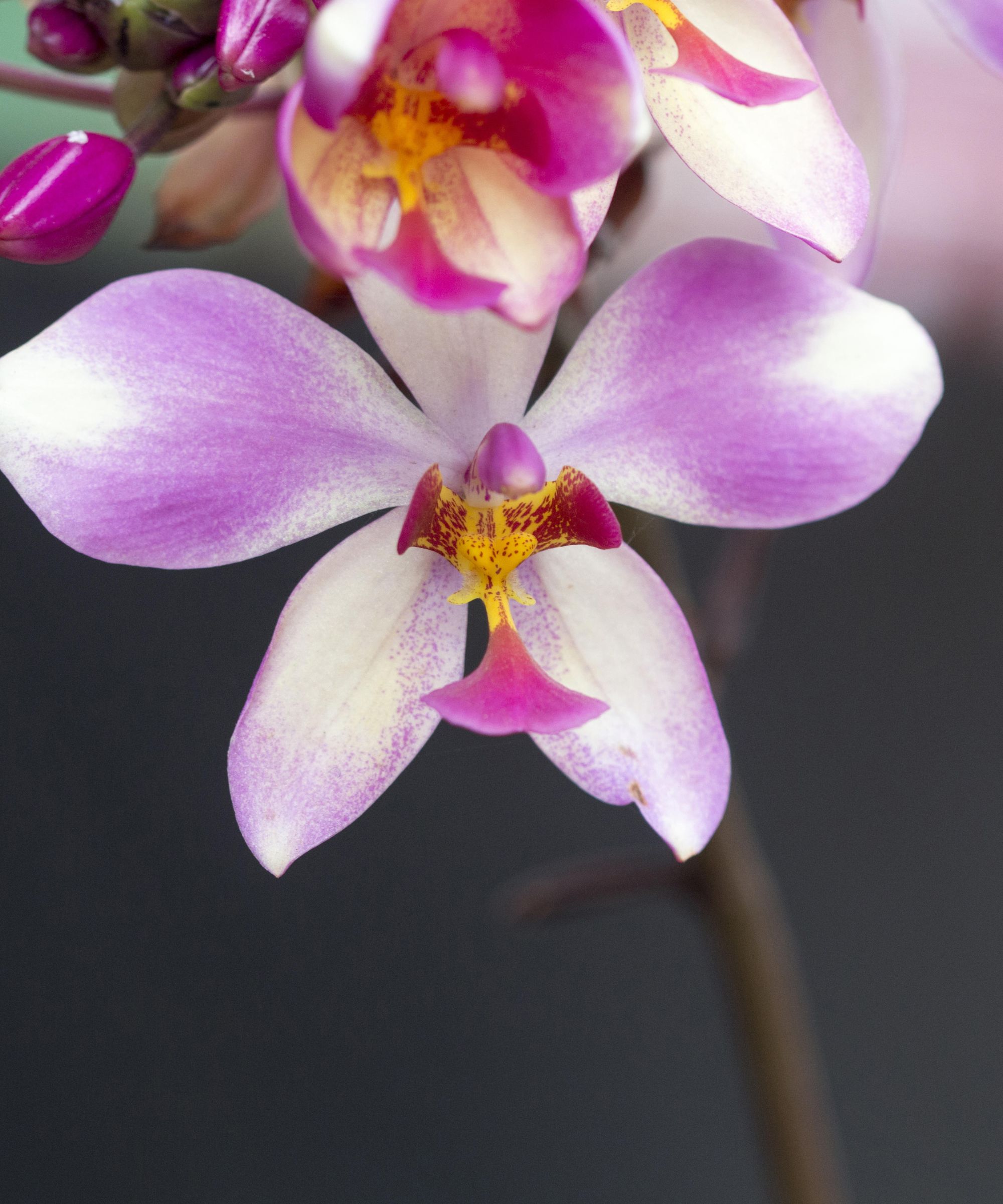
If you're anxiously waiting for your orchids to flower, there's one thing you'll want to prioritize in April: fertilizer.
'By April, my moth orchids usually have multiple flower spikes laden in buds that are getting ready to open – but if your orchid hasn't got flower spikes yet, it might be that the nutrients in their orchid bark need replenishing,' explains Tenielle Jordison, Gardens Content Editor at Homes & Gardens.
'You can use a specific orchid feed to boost their nutrients, which are formulated to encourage vigorous growth and flowering.'
Making your own orchid fertilizer is simpler than you might think, but you can also stock up on specially-formulated fertilizer which is designed for all types of orchids.
Try Miracle-Gro indoor plant mist for orchids, which you can find on Amazon; or use a general-purpose houseplant fertilizer (like this one, also from Amazon) if you prefer.
'Ideally, fertilize your orchid every couple of weeks until they bloom,' advises Tenielle. 'Take care to pull back on fertilizing once they flower to avoid shock and premature fading.'
2. Remove Struggling Flowers
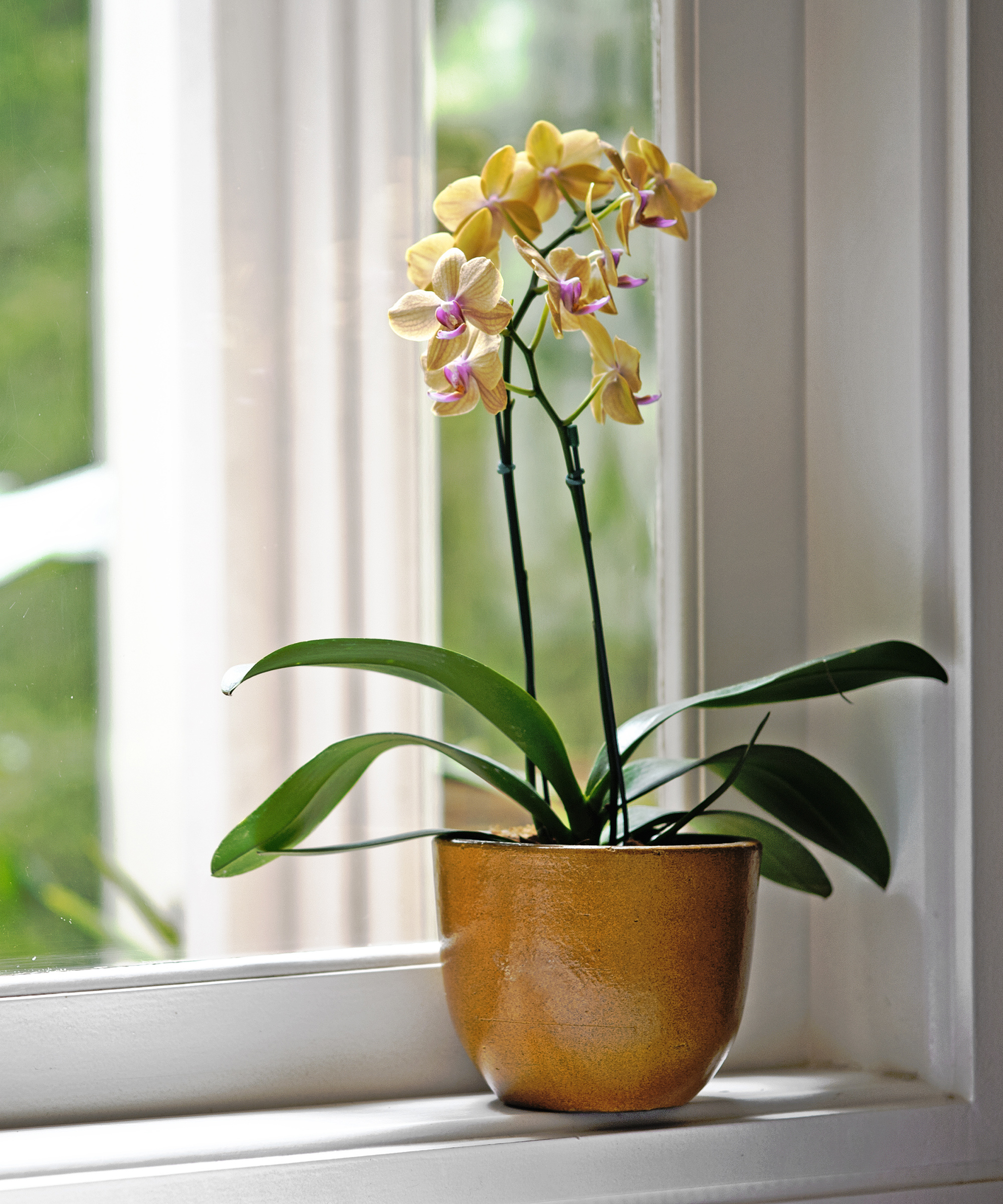
While some orchids are preparing to bloom, others may have had a head start – but there's no need to worry if your orchids seem to be declining already.
'If you experienced earlier blooming with your orchids, you might find that April sees them starting to fade,' says Tenielle. 'Don't panic; this is just a normal stage in their flowering cycle.'
To keep your orchids looking healthy, you'll simply want to snip away any dying flowers. (A handy pair of houseplant scissors, like the Fiskars indoor gardening shears, will help you deadhead your orchids with precision.)
3. Assess the Health of the Flower Spikes
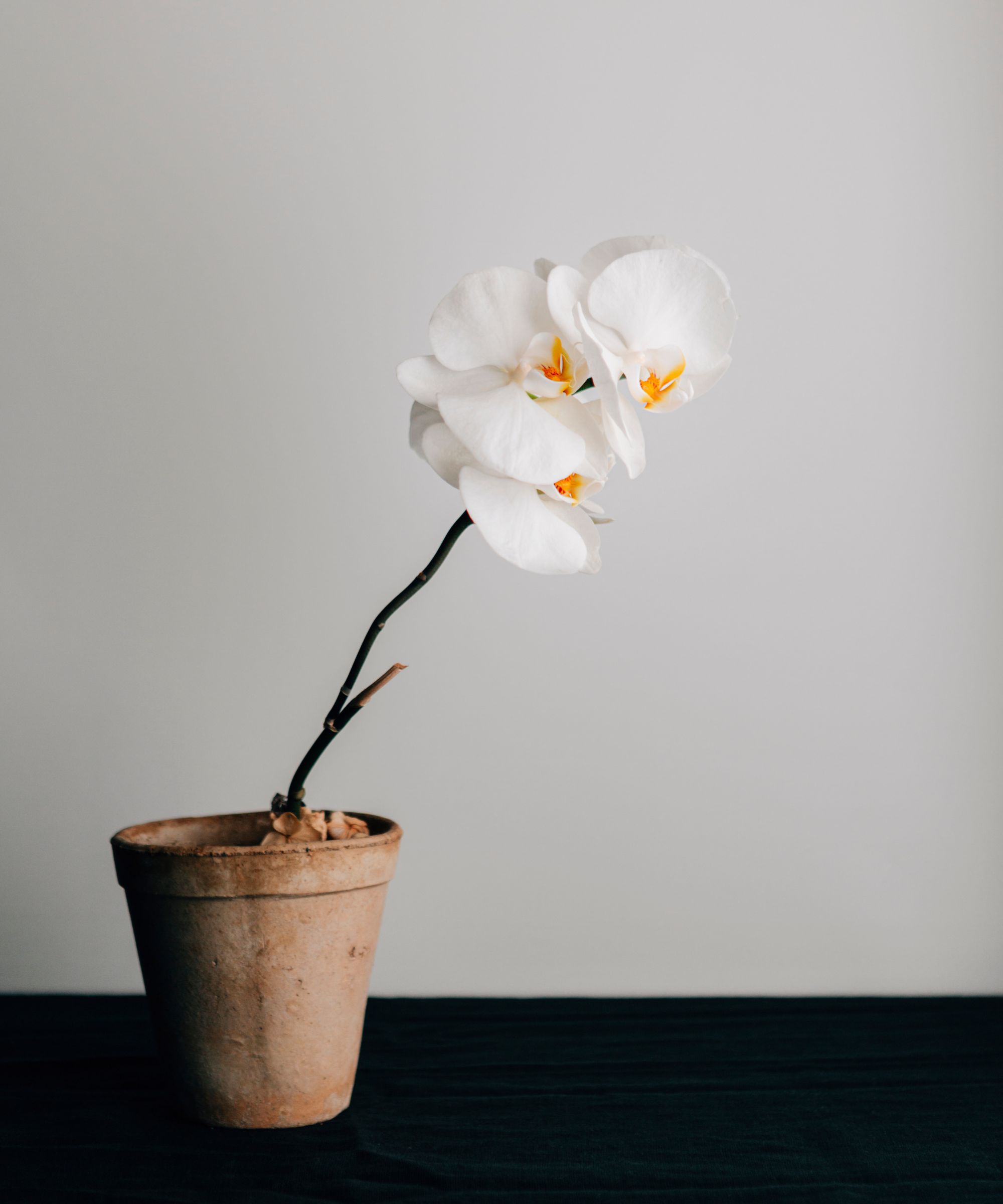
While you're tending to fading flowers, you'll also need to carefully examine your orchid's flower spike.
'It's crucial to assess flower spike health,' says Tenielle. 'If part of it is still green, you can encourage more blooms by cutting down to the green part, right above an "eye" or node.'
In some cases, the stem may be looking a little unhealthy – which means you'll need to consider a more serious cut.
'If the entire stem has yellowed, it's best to remove it entirely,' says Tenielle. 'Simply make a clean cut at the base of the plant.'
4. Clean the Leaves Carefully
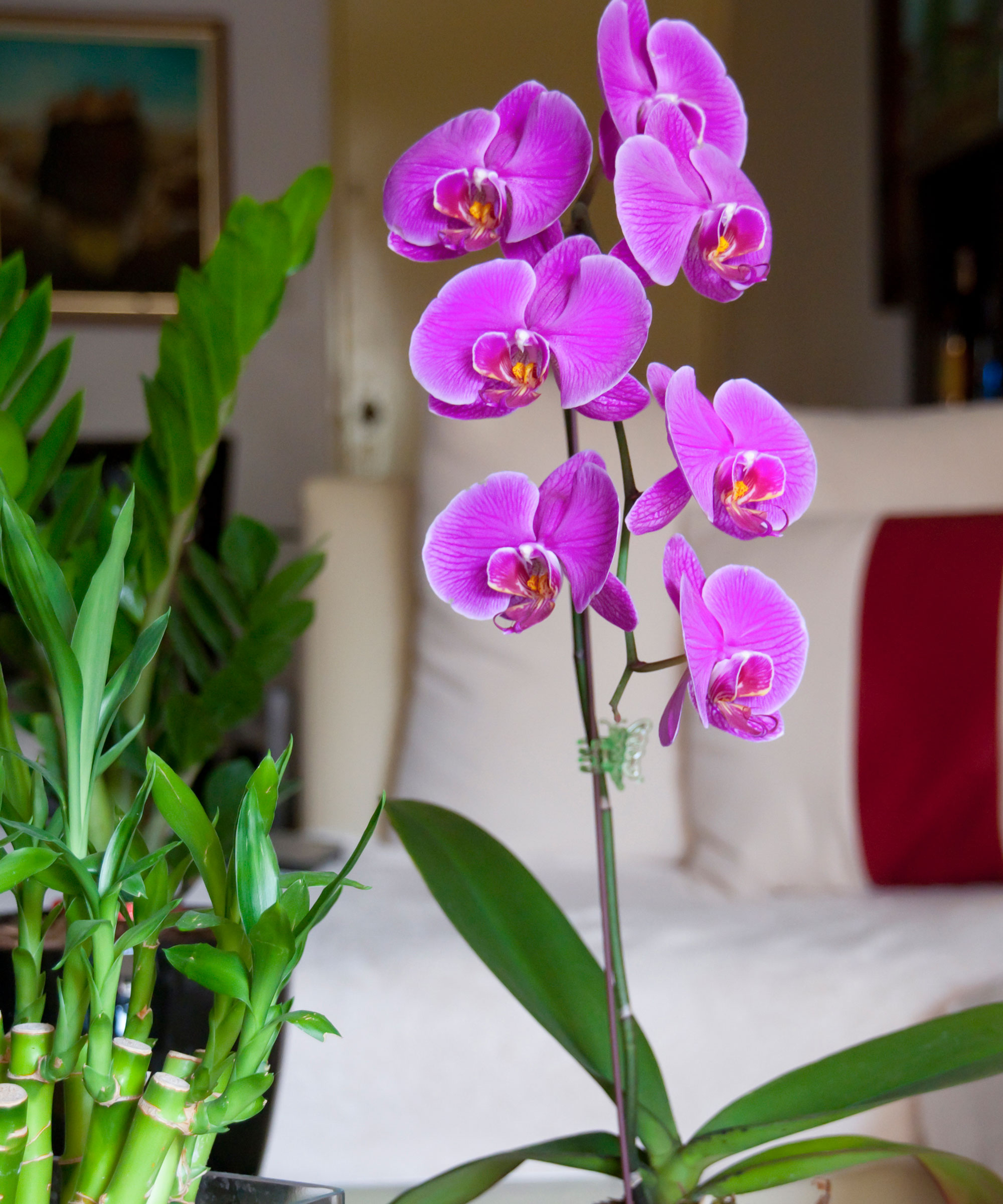
It might sound like a cliché, but spring really is the perfect time for a refresh – and the same goes for houseplant care. When it comes to orchids, April is an ideal month to tend to the leaves.
'Now is the time to give your orchid leaves some TLC,' recommends Tenielle. 'I love the paddle-shaped leaves of moth orchids, but they do collect quite a bit of dust.'
It can be a delicate task, but you'll want to carefully wipe away the dust from each leaf – and you can also check for pests in the process.
'Using houseplant dusting gloves or a soft cloth, gently wipe the leaves to clean them,' says Tenielle. 'This will help your orchids photosynthesize more efficiently, and it will also allow you to avoid bug infestations.'
You can pick up microfiber dusting gloves for less than $10 at Amazon, or stock up on microfiber cleaning cloths from Walmart.
5. Boost Humidity Levels
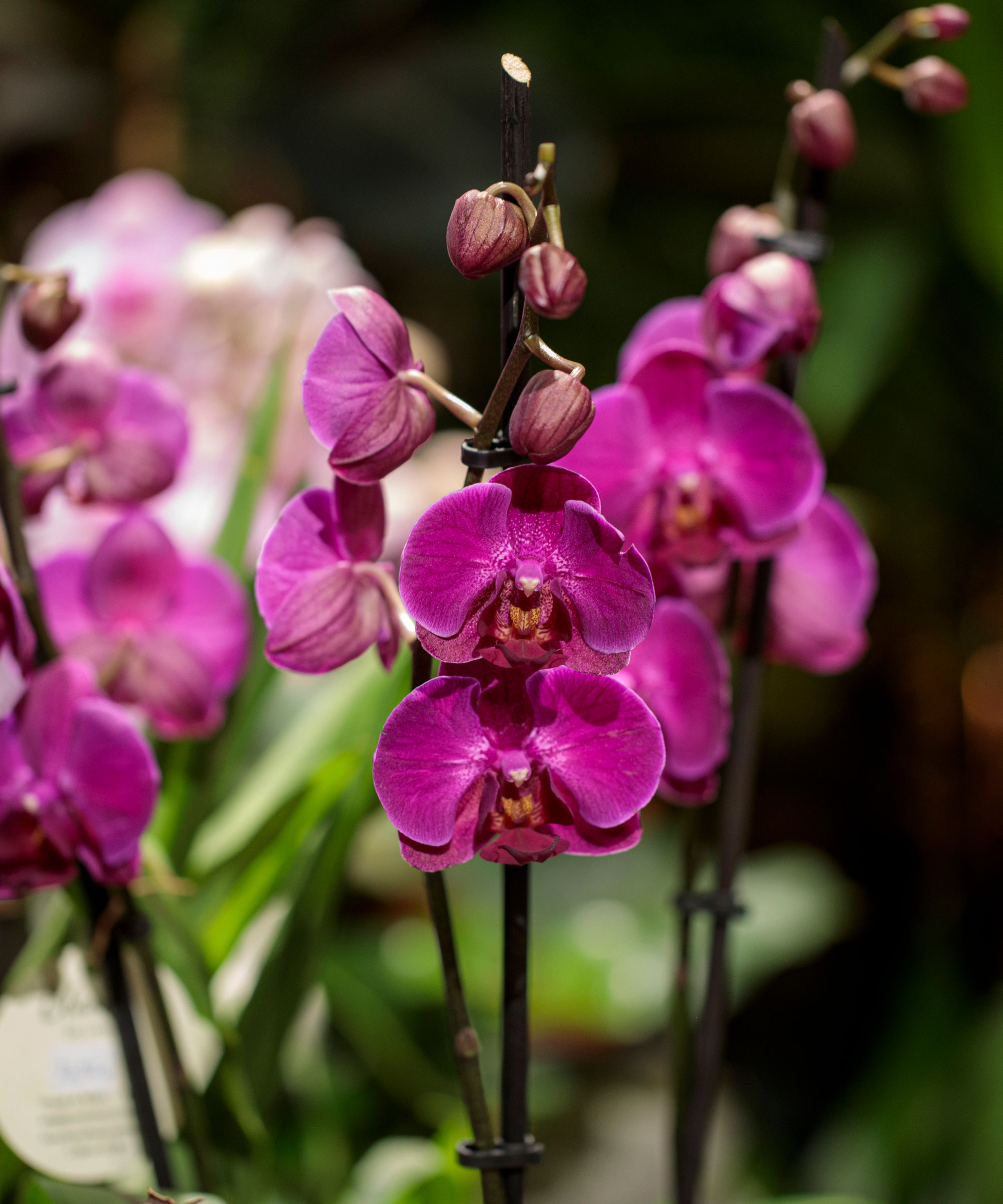
Since orchids are indoor tropical plants, they are accustomed to higher humidity levels – between 40 and 70 percent, to be exact – but humidity in most homes sits somewhere between 30 and 50 percent. So, to help your orchids thrive, you'll need to create the perfect environment.
'If you haven't already, now is a good time to boost humidity levels for your orchids,' Tenielle explains. 'I keep mine on my bathroom windowsills where they happily soak up moisture from the shower steam.'
To help you increase humidity for your indoor plants, you can also invest in a few handy essentials including a pebble humidity tray or a plant mister (like this one from Amazon).
What to Shop
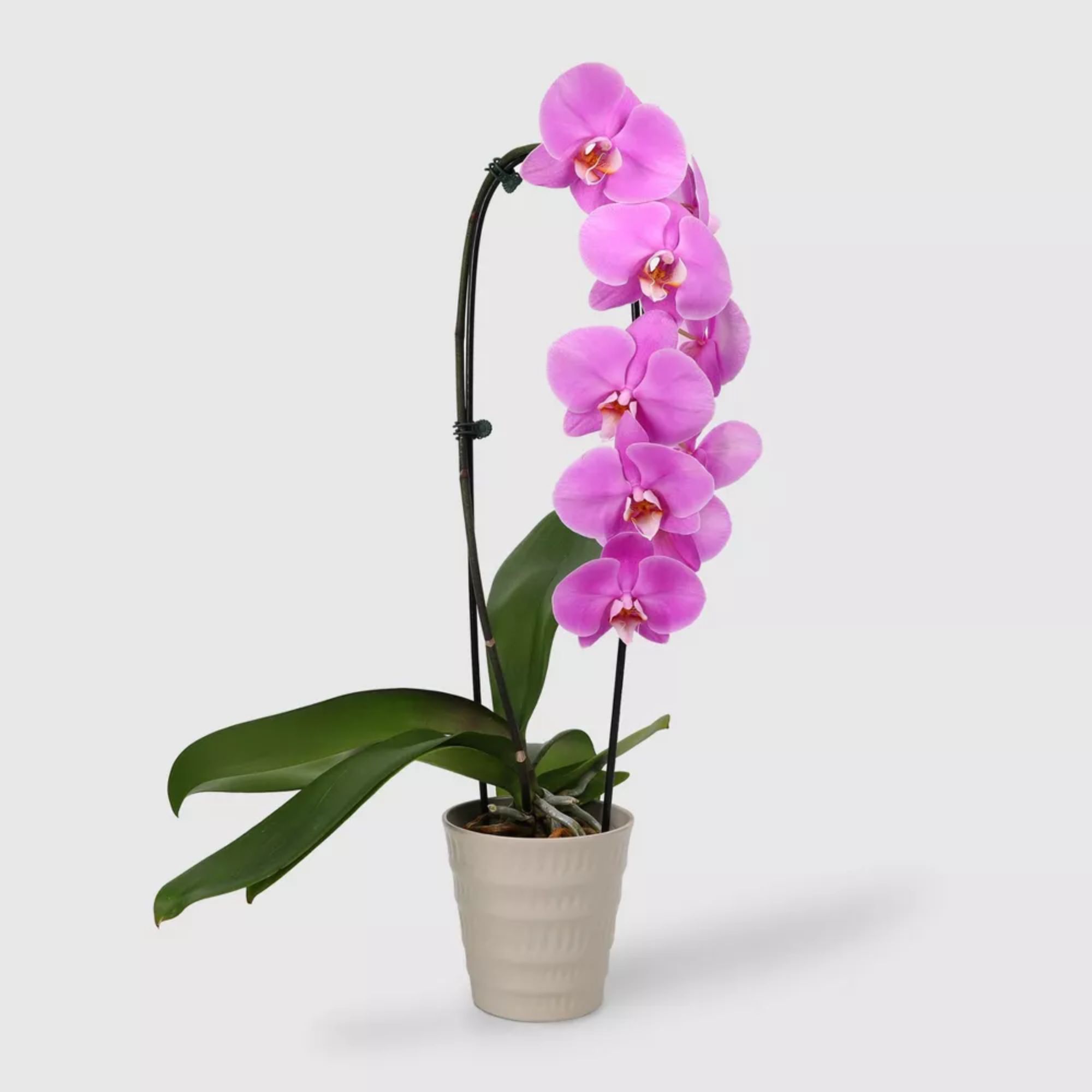
At just 5 inches, this orchid is small but mighty. Colors vary, but it's a gorgeous way to kickstart your orchid collection (or treat yourself to another plant).
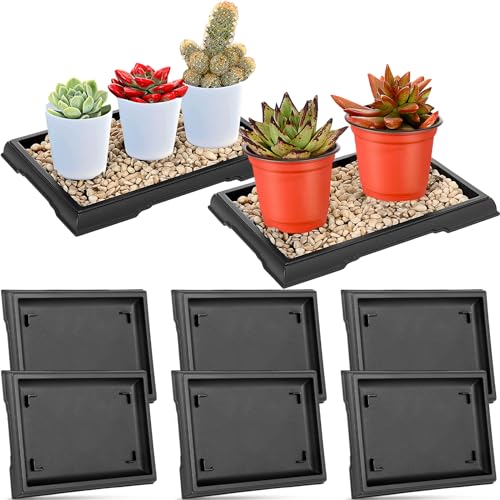
Simply fill these trays with pebbles and water, wait for the water to evaporate, and your houseplants will enjoy the perfect humidity levels.
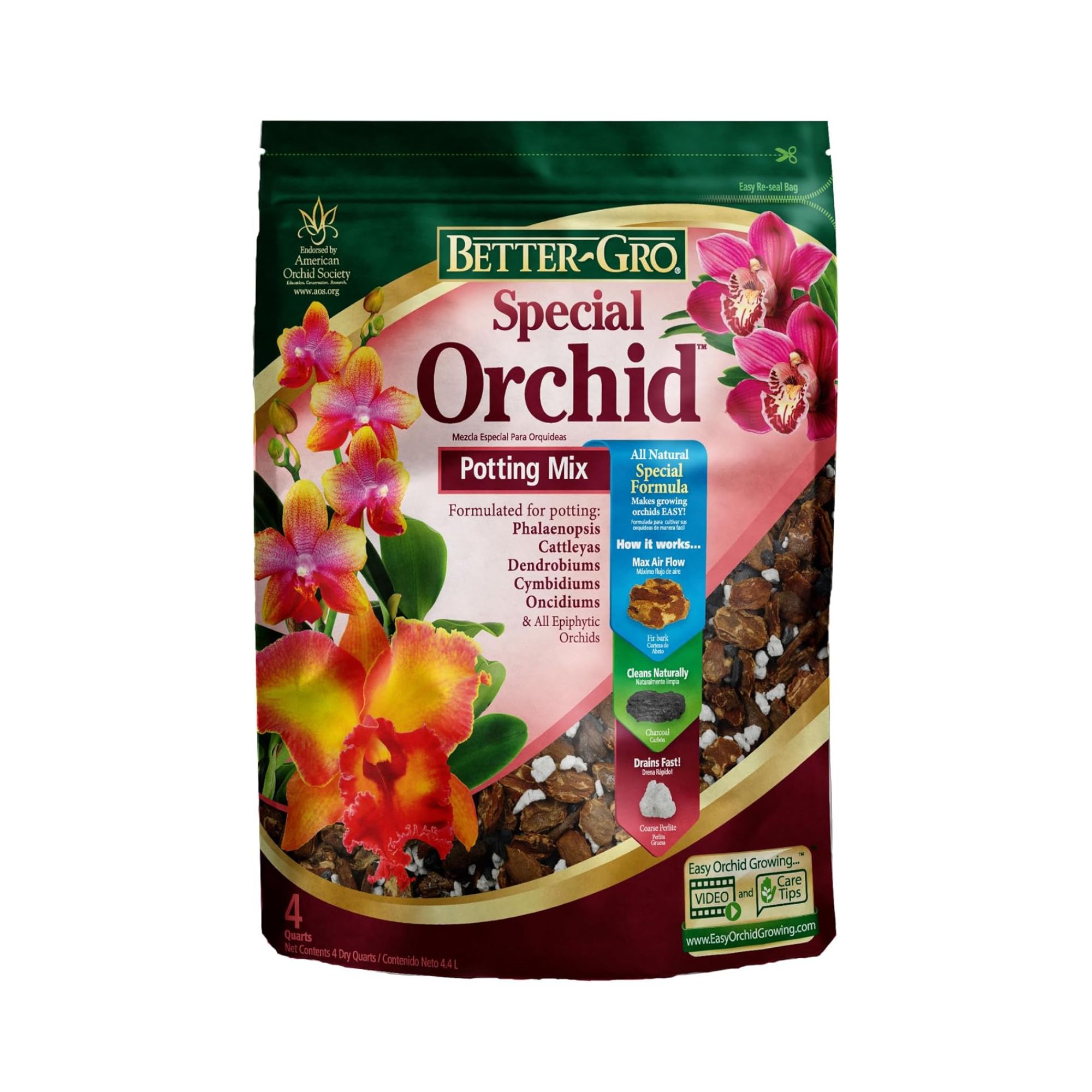
This potting mix includes bark and charcoal to promotes healthy root growth, while sponge rock and perlite supports water retention and ventilation.
Looking for more orchid tips? We asked experts how to repot an orchid, if yours has outgrown its container; and if you're just starting out, we've created a guide to the easiest orchids to grow.
And if you love inspiring garden ideas, outdoor advice, and the latest news, why not sign up for our newsletter and get the latest features delivered straight to your inbox.