
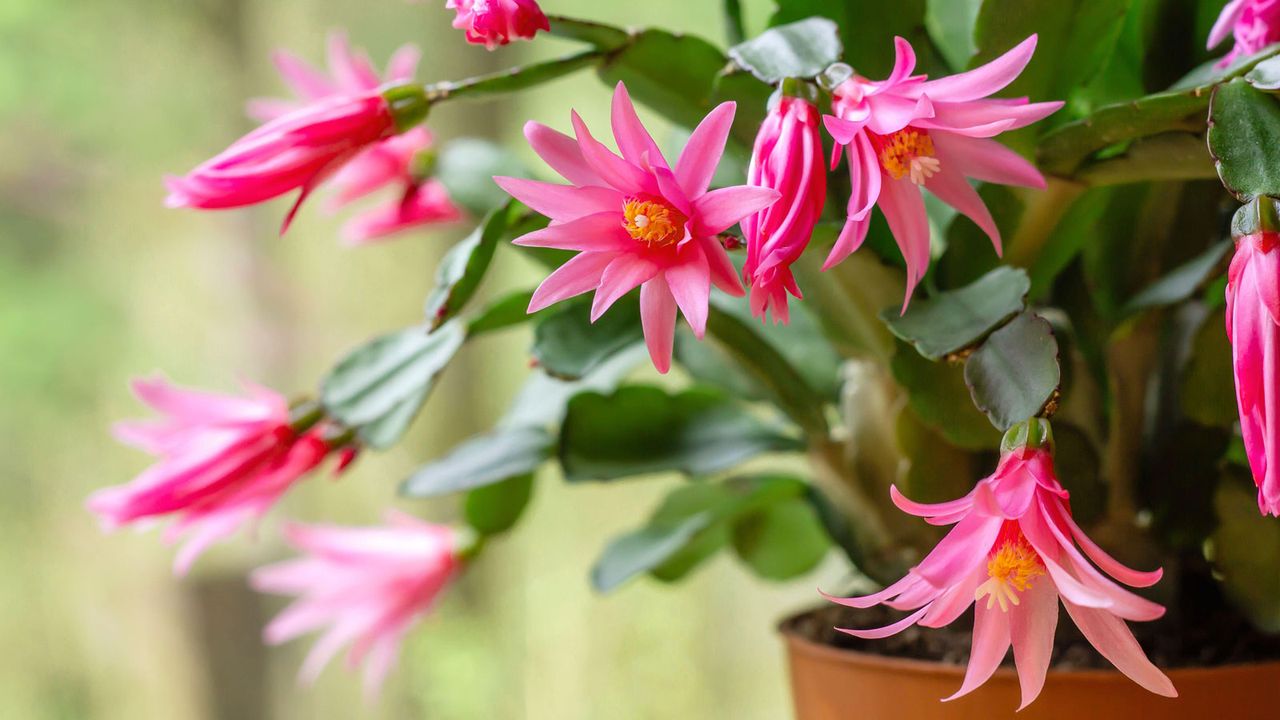
March is a vital month for your Easter cactus. After the quiet winter months, buds begin to swell, and flowers start to open, turning an ordinary windowsill pot into a real showstopper. It’s the plant’s moment to shine – but it’s also a delicate stage. Too much handling can cause buds to drop, while too little attention may leave it looking tired or underwhelming.
With the right Easter cactus care, you can support healthy growth and enjoy a vibrant, long-lasting bloom. Focusing on light, water, temperature, and gentle feeding will help your cactus reach its full flowering potential, keeping it strong now and setting it up for next year’s display.
1. Let the Light In – But Avoid Harsh Sun

March is all about light for your Easter cactus. These indoor flowering plants need bright, indirect sunlight to thrive – an east-facing window or a spot with soft, filtered spring light is ideal.
Too much direct sun can scorch the fleshy segments, leaving them pale or spotted, while too little light can cause buds to fail or flowers to open small and weak.
Take a few days to observe your plant. If the segments look a little droopy or dull, gently move them closer to the light, but avoid full glare. With this simple step, you can grow cacti successfully indoors and give your Easter cactus the best chance of producing a vibrant, long-lasting bloom that really steals the show.
You can also use a Clip Grow Light from Amazon to ensure your plant achieves optimum light levels.
2. Water Thoughtfully – More Often, But Carefully
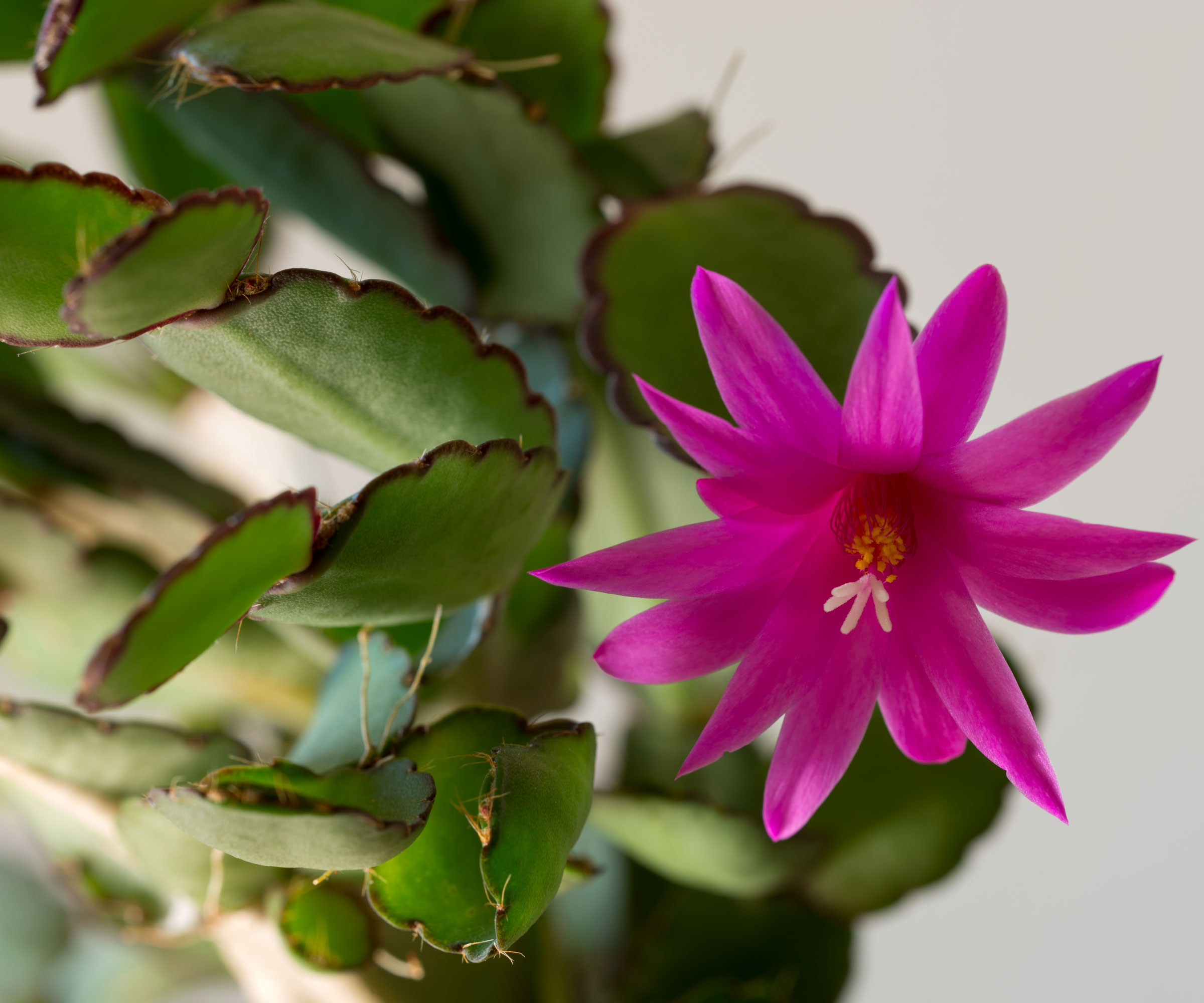
Unlike desert cacti, Easter cacti thrive on consistent moisture, especially while they’re in bloom.
Getting the watering right at this stage can make all the difference. Check the top inch of soil daily – when it feels dry, water thoroughly so the soil is evenly moist but never soggy. Always ensure excess water drains freely, and avoid letting the pot sit in standing water, which is a fast track to houseplant root rot.
A little underwatering is far safer than too much. Drooping segments can usually bounce back, but waterlogged roots rarely recover. For extra peace of mind, a popular choice is the Xlux Soil Moisture Meter from Amazon – simple, reliable, and perfect for preventing overwatering. With careful attention, you’ll help your Easter cactus stay healthy and strong, giving it the best chance to produce a long-lasting, vibrant floral display.
3. Leave It Alone Once Buds Form
One of the trickiest parts of March care is knowing when to step back. Once buds appear, your Easter cactus becomes surprisingly sensitive to movement. Even a small shift – turning the pot, changing its position, or adjusting the light – can cause buds to drop. Think of it like admiring a delicate piece of art: you want to enjoy it without touching.
Leave your cactus in a stable spot and let it do its thing. With a little patience, you’ll be rewarded with fuller, longer-lasting blooms that make all that careful care worthwhile.
4. Maintain Steady Temperatures
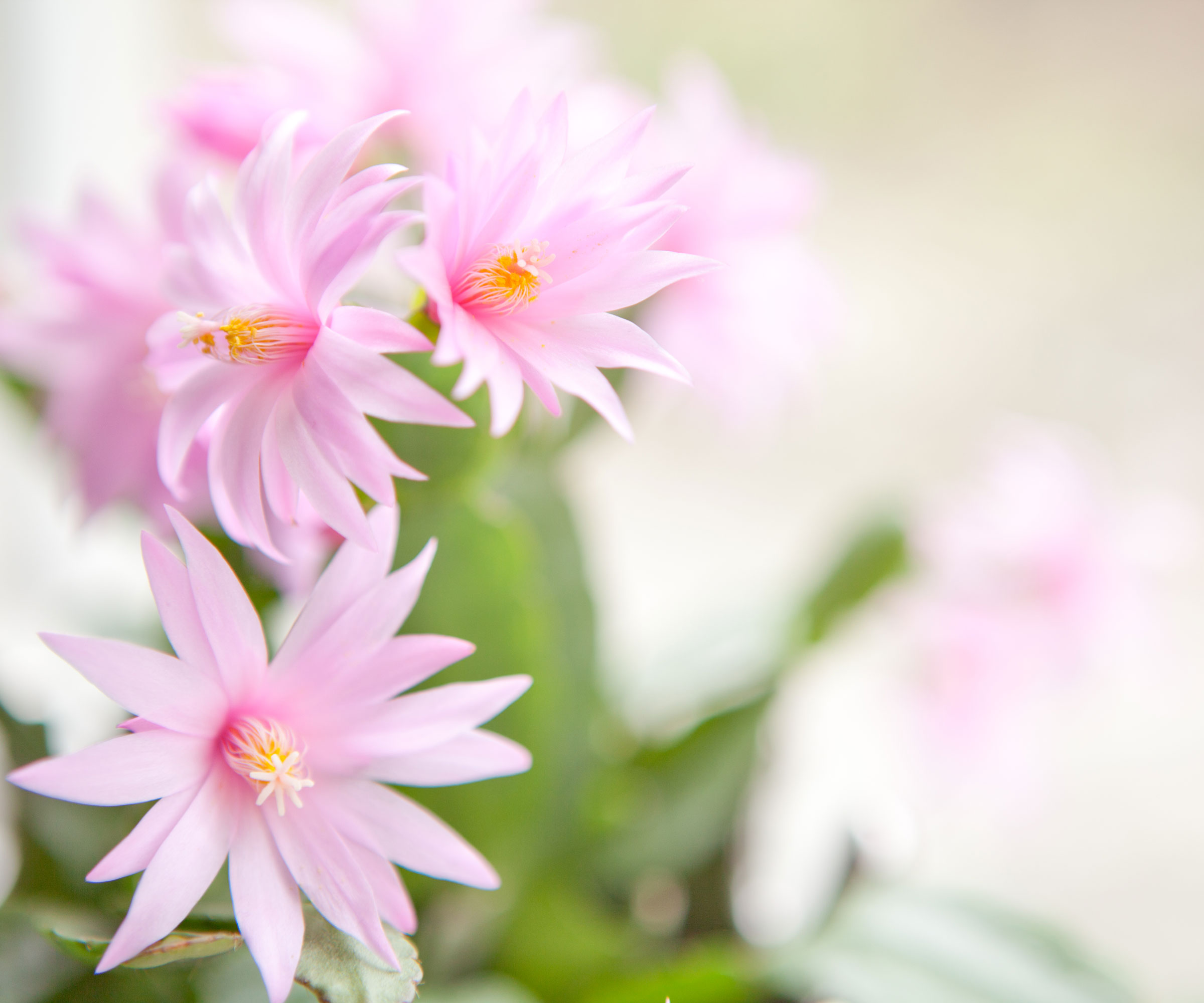
Easter cacti thrive in stable indoor temperatures, ideally between 60–75°F (16–24°C). Sudden extremes – like a radiator blasting hot air or a drafty window – can stress the plant, causing buds to drop or flowers to fade prematurely.
A quick check is all you need: if the cactus feels cool to the touch but the segments aren’t wilting, it’s likely comfortable. These plants also love a little extra humidity, which makes them surprisingly good for a bathroom or kitchen environment.
If the air in your home is dry and you don’t have a humidifier, try placing your cactus on this top-rated Amazon pebble tray with a small amount of water – evaporation will gently moisten the surrounding air.
Alternatively, a plant mister, like the one from Target, works just as well to increase humidity and keep your indoor flowering plant happy. With steady temperatures and a touch of moisture in the air, your Easter cactus will stay healthy and bloom beautifully.
5. Begin Feeding – Only After Flowering Fades
While your Easter cactus is in full bloom, it’s best to hold off on fertilizing. Feeding at this stage doesn’t benefit the plant much and can even cause unnecessary stress.
Once the last flowers begin to fade – usually later in March or early April – you can start a gentle, monthly feed using a balanced, diluted houseplant fertilizer. This encourages fresh growth and helps set the plant up for a stronger, more vibrant display next year.
6. Light Pruning Comes Later
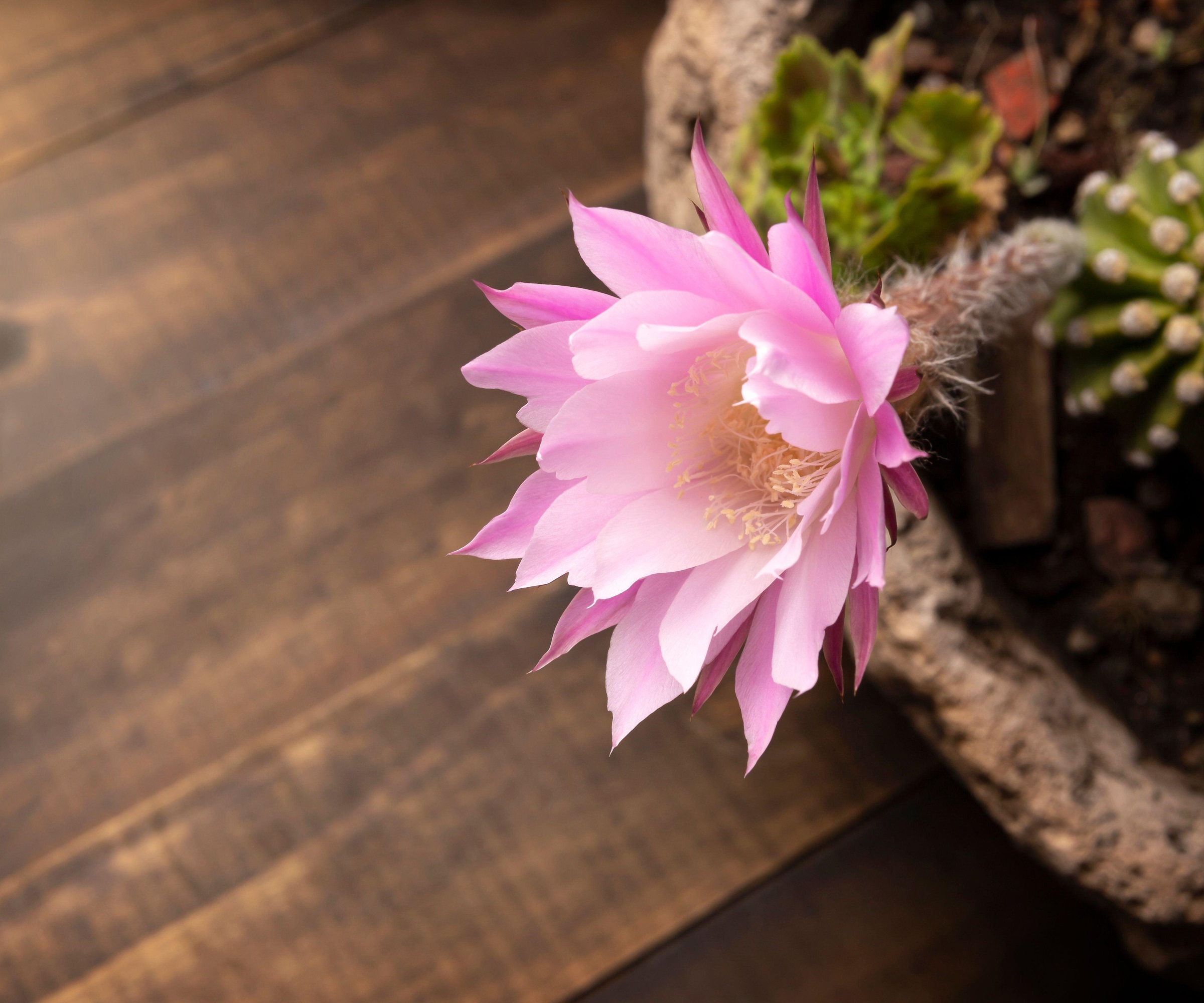
March isn’t the time for heavy pruning. At this stage, remove only dead or damaged segments and leave any major shaping until after the flowering period ends. This lets the plant focus its energy on producing blooms rather than regrowth. Pruning once the flowers fade encourages branching, which can lead to fuller, more vibrant flowers next year.
A simple action step: mark your calendar for early April – that’s when you can start pruning and begin a light feeding routine to support new growth. For delicate segments, precise tools make a big difference. The Fiskars Micro-Tip Pruning Shears on Amazon are a top-rated choice, easy to handle, and perfect for small cuts. I’ve also found a Succulent Tool Kit invaluable for keeping all my indoor flowering plants healthy and thriving year-round.
March is an important time for your Easter Cactus. Unlike Christmas cacti at this time of year, which are recovering, your plant is in full swing – buds are swelling, flowers are opening, and color is starting to fill your space.
The best thing you can do is to support the display; don’t try to force growth. Keep it in bright, indirect light, water thoughtfully, maintain a steady environment, and resist moving or handling buds.
With a little patience and consistent care, your Easter cactus will shine for weeks, giving you a spectacular spring display. And when the blooms finally fade, that’s your cue to feed, lightly prune, and prepare the plant for next year’s show. Trust the process, and this resilient little cactus will reward you year after year with its star-shaped flowers and cheerful spring presence.