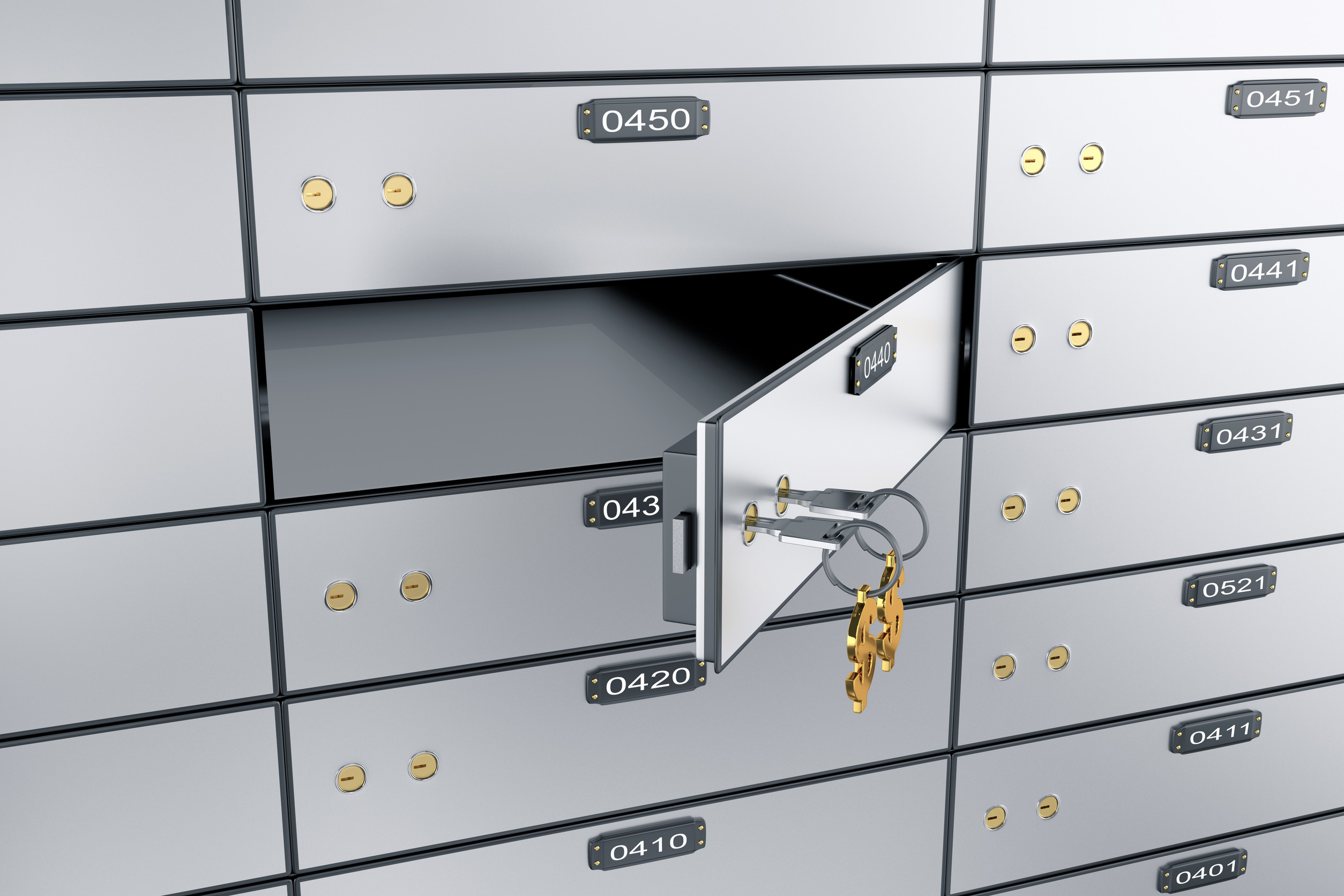
Safe deposit boxes feel like the perfect place to secure valuables—but when it comes to retirement, they’re not always as safe as they seem. In fact, storing the wrong items could leave your family locked out, tangled in red tape, or unable to access critical documents when they need them most. The problem isn’t security—it’s accessibility. Banks have rules, probate laws apply, and federal agencies may complicate access after your death. Here’s what you should never store in a retirement safe deposit box if you want to protect your loved ones.
1. Your Will
Placing your will in a safe deposit box is a common mistake. After you pass away, banks often seal the box until a court order or executor gains access. That delay can slow down probate and prevent your family from following your wishes promptly. Experts at the American Bankers Association warn that wills should be kept somewhere accessible to your executor, like with an attorney or a fireproof home safe. If your will is locked away, it may cause unnecessary legal battles.
2. Powers of Attorney
Durable or medical powers of attorney are only useful if someone can access them quickly. Keeping them in a safe deposit box means your agent can’t prove authority in emergencies. If you become incapacitated, they’ll be stuck without the document they need. Estate planners emphasize these papers belong in a readily accessible place, not locked up where the very person who needs them can’t get to them.
3. Advance Healthcare Directives
Living wills and healthcare proxies guide medical decisions in critical moments. Doctors and hospitals need to see them immediately. If yours is locked inside a bank vault, it may never reach the right hands in time. The National Institute on Aging recommends giving copies directly to healthcare providers and family instead. Accessibility is more important than security here.
4. Funeral or Burial Instructions
Families often scramble to honor final wishes—but funeral instructions hidden in a safe deposit box may be discovered far too late. By the time the box is opened, arrangements may already be made. To avoid stress and conflict, keep these instructions with family members or in a visible, accessible place at home. Funeral homes also allow you to file advance instructions directly with them.
5. Cash
While it might seem safe, stashing cash in a safe deposit box is a bad idea. The FDIC makes clear that money in a box isn’t insured the way bank accounts are. If stolen or destroyed, there’s no federal protection. Plus, cash earns no interest while locked away. A savings account or money market fund is far more practical.
6. Uninsured Valuables
Jewelry, rare coins, or collectibles can be stored in a safe deposit box, but if they aren’t separately insured, you’re taking a risk. Standard homeowner’s policies usually don’t cover losses from boxes. If fire, flooding, or theft occurs, your treasures could be gone without recourse. Experts advise insuring valuables before placing them in any bank vault.
7. Items Needed Immediately After Death
Anything your heirs might need right away—like property deeds, insurance policies, or retirement account information—doesn’t belong in a locked box. Since banks often restrict access after death, these items should be available to your executor or family without delay. Otherwise, settling accounts and filing claims can be unnecessarily difficult.
Security Is Only Half the Story
Safe deposit boxes can protect valuables from theft or fire, but when it comes to retirement planning, accessibility is just as important as security. If your heirs can’t reach vital documents or funds quickly, the very protection you sought can create headaches and heartache. The best strategy? Use a safe deposit box for non-urgent valuables and keep essential retirement documents in a fireproof home safe or with trusted professionals.
Have you ever run into problems accessing a safe deposit box after a loved one’s passing? Share your experience in the comments to help others avoid the same mistakes.
Read More
6 Times It’s Financially Better Not to Help Your Children or Grandchildren