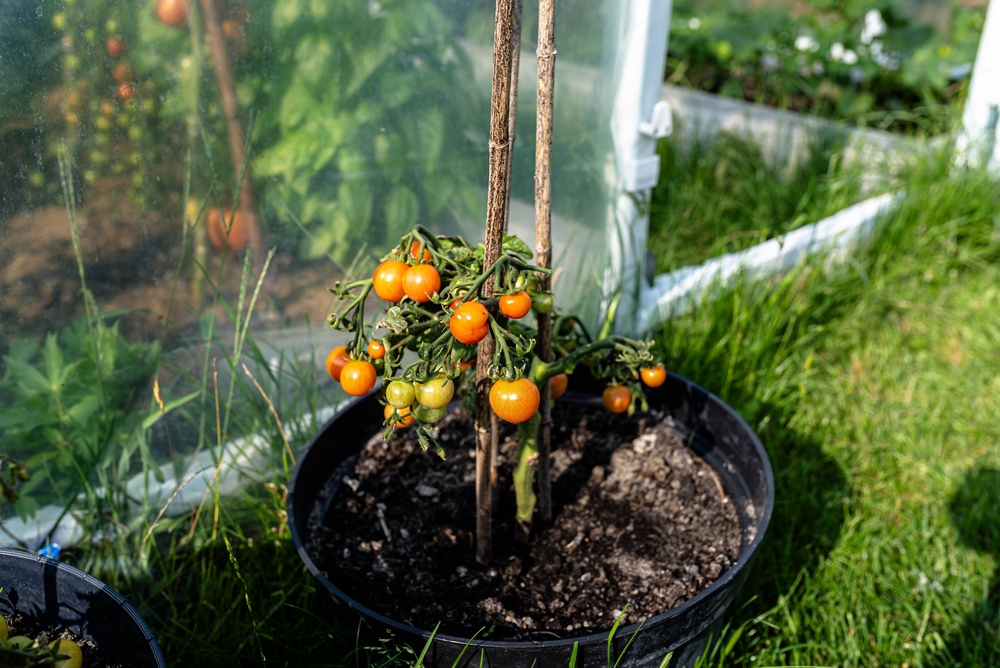
When potting soil pulls away from the sides of a container, the plant is usually sending a very unglamorous message: “I am extremely thirsty.” As soil dries, it can shrink enough to create a noticeable gap between the soil and the pot, turning an ordinary watering job into a small horticultural mystery.
The problem usually has a straightforward fix, but dumping a gallon of water into the pot and walking away may not solve it. Dry potting mix can become difficult to rehydrate, and water may race down the sides of the container while leaving the center of the root ball surprisingly dry. A little patience now can prevent stressed roots, wilted foliage, and the classic gardener’s question: “How can this plant look thirsty when it was just watered?”
First, Check Whether the Soil Actually Dried Out
Start by checking the soil instead of relying only on the gap around the container. Push a finger into the mix a couple of inches, or use a clean wooden chopstick to probe deeper into the pot, especially if the container holds a large plant. If the soil feels dry throughout the root zone and the pot feels noticeably lighter than usual, dehydration likely caused the shrinking.
A gap does not always mean the plant needs an emergency drink, however. Some potting mixes shrink as they break down over time, and roots can also fill a container so completely that they push the soil mass inward. Check the foliage as well, because limp leaves, curling leaves, or a plant that suddenly looks unusually tired can support the case for watering. If the soil still feels moist below the surface, resist the urge to add more water simply because the pot has developed a dramatic little moat.
Rehydrate Extremely Dry Potting Soil Slowly
When dry soil pulls away from the container, water may slip through the gap and exit through the drainage holes before the mix absorbs enough moisture. Pouring water quickly can create the illusion of a thorough watering while the center of the root ball remains dry. Instead, apply a small amount of water slowly across the surface, then pause for a few minutes. Repeat the process several times so the potting mix gets a chance to absorb moisture instead of sending every drop straight to the bottom.
For a small container, setting the pot in a shallow tray of water can help rehydrate the mix from below. Let the pot sit long enough for moisture to move upward through the drainage holes, then remove it from the water and allow excess moisture to drain completely. This approach works best when the container has drainage holes and the plant tolerates thorough watering. Never leave a container sitting in stagnant water indefinitely, because soggy conditions can create a new problem after the original drought stress.
Do Not Pack New Soil Into Every Empty Space
A visible gap can tempt gardeners to grab a handful of fresh potting mix and stuff it around the edges. That move may seem tidy, but adding a large amount of new soil on top of an existing root ball can change the planting depth and bury the plant’s crown or stem base too deeply. Many plants dislike that arrangement, and moisture can linger around buried stems.
If the soil level dropped because the mix decomposed or settled, add a small amount of fresh potting mix only when necessary. Choose a mix appropriate for the plant and keep the original planting depth intact. For a plant that has become severely root-bound, repotting into a slightly larger container may make more sense than repeatedly topping off the old pot. A plant that has formed a dense mass of circling roots often needs more room, not a decorative layer of soil piled around its shoulders.
Fix the Cause Before the Gap Returns
If the soil keeps pulling away from the container, examine the watering routine. The plant may simply need water more often because of hot weather, intense sunlight, a small container, fast-draining potting mix, or a particularly thirsty root system. Terracotta pots also lose moisture through their porous sides, which can make the mix dry faster than it would in a glazed ceramic or plastic container.
Container size matters, too. A large plant in a small pot can drink through available moisture quickly, while a small plant in a large container may stay wet for too long. Check the soil regularly rather than watering according to a rigid calendar, because indoor conditions, outdoor temperatures, humidity, and plant growth can all change how quickly a container dries. A simple routine of checking the soil and lifting smaller pots can reveal far more than a schedule that says every plant needs water on the same day.
Know When Dry Soil Points to a Bigger Problem
Sometimes the soil pulls away because the potting mix has become old, compacted, or difficult to wet evenly. Organic materials break down over time, and repeated drying can change how water moves through the mix. If water consistently runs straight through the container, the plant wilts soon after watering, and the soil repeatedly shrinks away from the sides, the pot may need fresh mix rather than another round of emergency hydration.
Look at the roots during repotting if the plant continues to struggle. Healthy roots generally appear firm, while mushy, dark, or foul-smelling roots can indicate excessive moisture problems rather than simple dryness. On the other hand, a tightly packed root ball with little loose potting mix can make watering difficult because the roots occupy nearly all available space. The goal involves matching the solution to the actual problem, not treating every suspicious soil gap like a five-alarm gardening emergency.
Give That Shrinking Soil a Second Chance
When potting soil pulls away from a container, check the moisture below the surface, water slowly, and give the mix time to absorb what the plant needs. Avoid flooding the pot in one dramatic pour, and do not automatically bury the gap under a mountain of fresh soil. Once the plant recovers, adjust the watering routine and watch how quickly the container dries under its actual growing conditions. A little observation can turn a mysterious gap around the pot into useful information about the plant’s roots, soil, container, and daily water needs.
What has caused the biggest potting-soil surprise in your garden, and what trick helped solve it?
You May Also Like…
Can You Grow Blackcurrants in a Large Patio Container?
6 Ways to Stop Squirrels From Digging Up Containers
7 Signs Your Soil Has Become Hydrophobic
8 Ways to Keep Hanging Baskets From Drying Out by Noon
Save Seeds, Save Money: Harvest, Dry and Store Seeds from This Year’s Favorite Heirloom Plants
The post What Should You Do When Potting Soil Pulls Away from the Container? appeared first on Frugal Gardening.