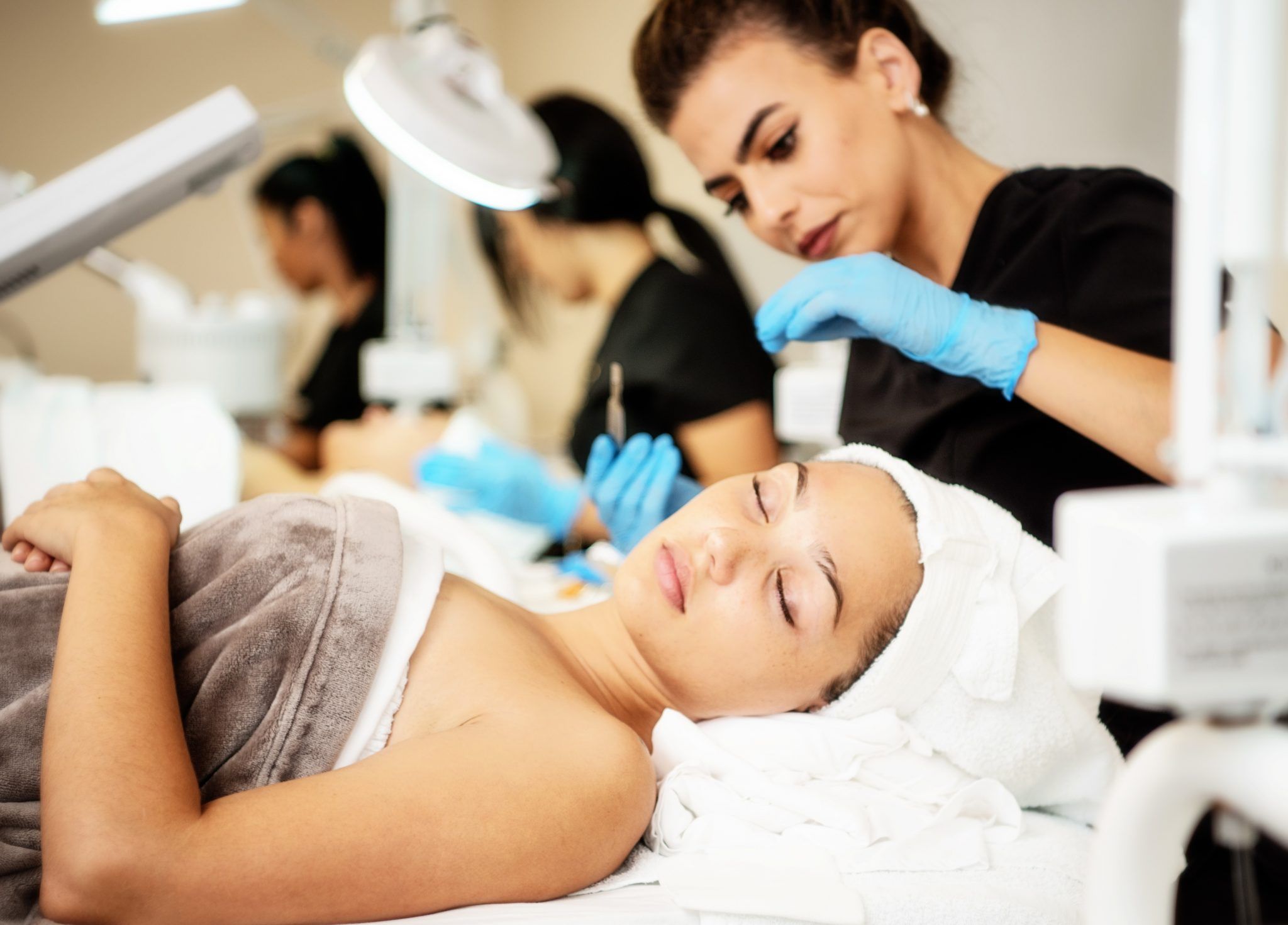
The aesthetic industry in the United States is experiencing rapid growth. Demand for procedures continues to rise, new techniques emerge almost every month, and clients are becoming more informed – and more selective – than ever.
At the same time, a less visible issue is coming into focus: whether the way estheticians are trained is keeping up with the pace of the industry itself. Fragmented standards, short-term programs, and limited clinical exposure are raising broader questions about consistency and depth of preparation.
Unlike many European countries, where aesthetic education involves extensive clinical training and strict national standards, the U.S. approach remains fragmented. Requirements vary by state, the market is crowded with accelerated courses, and a deeper understanding of skin physiology, aging processes, and treatment safety is often missing.
To explore these issues, we spoke with Olena Davydova, a Florida-licensed esthetician who trained under European standards and has experience on both sides of the Atlantic.
Olena Davydova is a member of the Esthetics Association Florida and an honorary member of the Association of Cosmetologists of Ukraine. Her ongoing involvement in professional communities and continuing education keep her closely connected to both industry trends and the evolving standards of training.
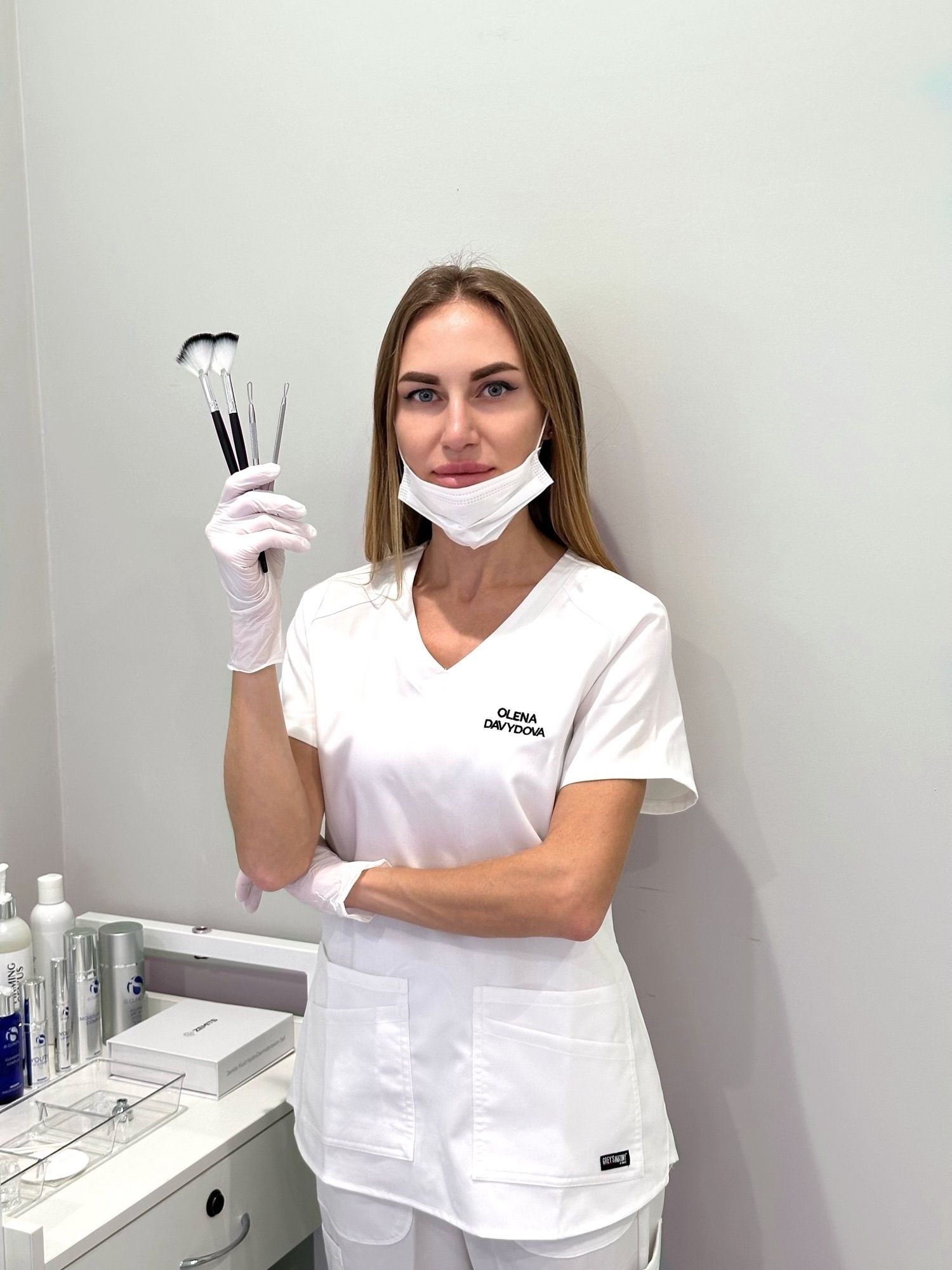
Her work spans clinical practice, education, and research. She is also the founder of My Miami Beauty, a studio based in Miami. This combination gives her a broad perspective on the industry – from hands-on treatment and training to the realities of building and managing a team.
– You’ve been working in the U.S. for several years while also having a strong European and Ukrainian background. What do you see as the biggest gap in the industry here?
– You know, the biggest gap I see is that the market is large, clients are engaged and willing to invest in services, but the level of foundational training among specialists doesn’t always keep up with those expectations. I’m not saying this as criticism. I work here, I’m licensed in Florida, and I respect my colleagues. But structurally, the system is designed to qualify someone to enter the profession – not necessarily to fully prepare them for complex work.
– Where do you see that gap most clearly?
– First, there are no unified federal standards for aesthetic education in the U.S. Licensing is regulated at the state level, and each state sets its own requirements. In Florida, for example, obtaining an esthetician license requires approximately 260 hours of training.
In many European countries, the path is different. Training often involves longer programs – sometimes one to three years – or a medical background. These programs typically include in-depth study of anatomy, physiology, skin conditions, and a significant amount of supervised clinical practice.
But it’s not just about hours – it’s about content. There are many short courses that issue a “specialist certificate,” and graduates genuinely believe they are ready for complex work. However, when we start discussing topics such as skin regeneration mechanisms or the biochemistry of peels, it often becomes clear that this knowledge was never part of their training. They were taught how to perform procedures, but not how to think.
– Do you encounter this personally when interacting with other estheticians?
– All the time. I see a lot of enthusiasm. Specialists want to work, help people, and continue learning.
At the same time, when I train or consult colleagues, I see gaps that simply can’t be filled in a single day.
For example, during my masterclasses, I often ask: “Why did you choose this protocol for this skin type? What mechanisms will be involved? How do you assess the risks?” And very often the answer is, “I was told it works.” There’s no analysis, limited understanding of physiology, no real customization for the individual client. But aesthetic medicine isn’t about applying a product according to instructions – it requires clinical thinking.
– There’s a view that the U.S. system is largely driven by commercialization. Do you agree?
Commercialization itself isn’t the problem – it’s part of any growing industry. The issue is when it starts to influence quality.
We do have a business model where “education” becomes a product. You purchase a course, receive a polished certificate, and enter the market. But the real question is: what knowledge actually stays with the specialist after completing that course?
I don’t want to blame the system or the schools. I want to emphasize that specialists must take responsibility for their own education. A certificate isn’t the finish line – it is the starting point. If, after an accelerated course, you believe you are ready to work with complex skin conditions such as post-acne, hyperpigmentation, or age-related changes, you are putting both your reputation and your clients’ health at risk.
– How do you believe beauty professionals should be trained?
– I’m convinced that the most effective format for true professional growth is either a small-group masterclass or individual mentorship. Not a checkbox approach, but deep, personalized work with each participant. This is exactly how I structure my training programs.
For example, on March 13, I was invited by the Neo Aesthetics and Medical International Academy (N.A.M.I.A.) to lead a closed masterclass – Advanced Paramedical BioRePeel® Certification. This isn’t the type of training you attend simply to listen. The group is intentionally limited to allow for deeper, more individualized work.
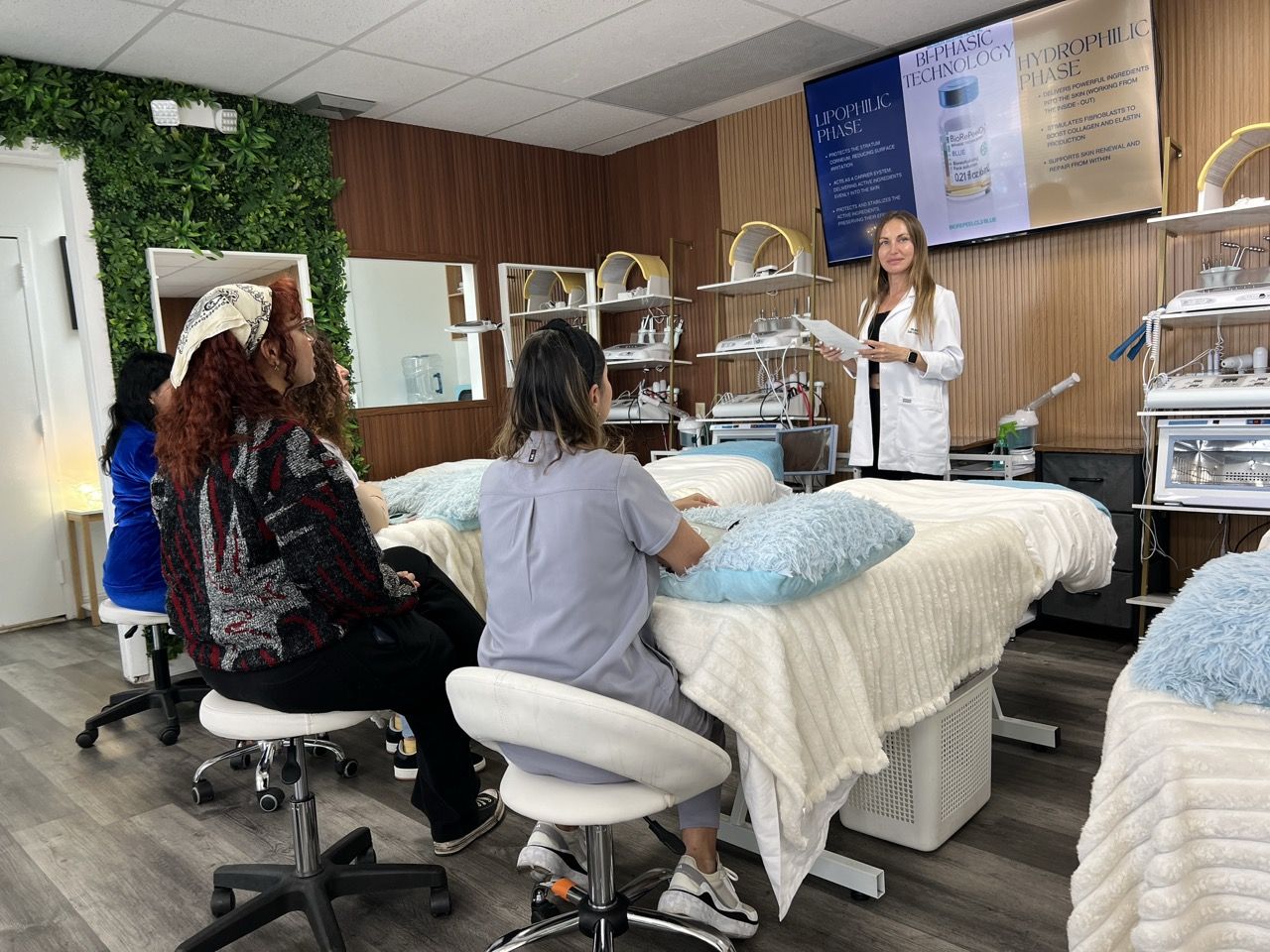
We work with the advanced BioRePeel protocol – a paramedical approach that requires not just application technique, but a deep understanding of the skin, regeneration mechanisms, combination with other procedures, and management of post-treatment recovery.
The program is structured as follows: we begin with science – analyzing skin renewal mechanisms, indications and contraindications, and client assessment strategies. Then we move to advanced techniques for the face, neck, and décolleté, including combination protocols and customization. After theory comes a live demonstration, where I show the protocol step by step. And most importantly – hands-on training: each participant works on models under my direct supervision, receives individual correction, and ongoing mentorship.
We analyze real clinical cases: acne, pigmentation, aging, and sensitive skin. Only after this process is certification awarded.
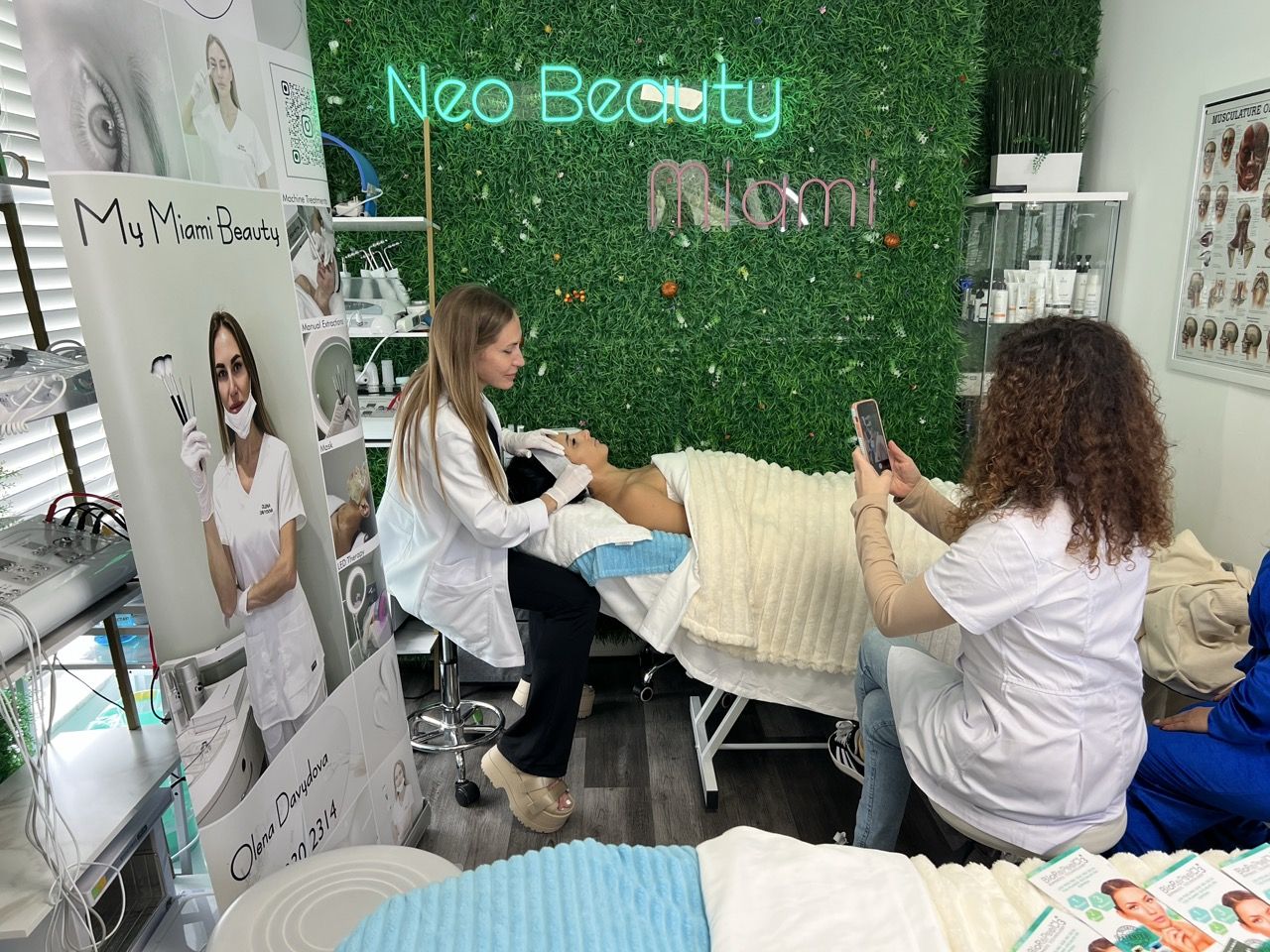
You can teach technique in a day. But teaching clinical thinking – learning to truly see the skin, assess risks, and adapt protocols to each individual – requires personalized work.
– You’re also actively involved in scientific research. How does that connect with your practical work?
– For me, science and practice go hand in hand. As a member of the Esthetics Association Florida, I stay closely connected to new research and developments. When I work with clients or train colleagues, I rely not on trends, but on evidence-based knowledge.
And what I’ve noticed is that many professionals today are no longer satisfied with surface-level education. They’re looking for depth. They want to understand the “why,” not just the “how.” And that, to me, is a very positive sign for the future of the industry.
– If you could change one thing in the esthetician training system in the U.S., what would it be?
– I wouldn’t try to change the system from the outside. I would want specialists themselves to demand more from their own education. Not to wait for the state to introduce new standards, but to understand that their responsibility to clients goes beyond minimum licensing requirements.
I would like to see more professionals stop treating short courses as “education.” Instead, they should seek mentorship, pursue clinical training, and study physiology, anatomy, and pharmacology. They should understand that being an esthetician isn’t just about “applying products” – it’s about health and safety.
That is why I strongly support mentorship and small-group masterclasses. It’s not for everyone – it’s for those who are ready to go deeper, invest time, effort, and resources to become not just certified, but truly competent experts.
– What advice would you give to estheticians in the U.S. who are just starting out?
– Don’t confuse a certificate with competence. Your true value lies in your ability to think, analyze, adapt, and care for your clients. Invest in quality education. Find mentors. Ask questions. Develop clinical thinking. Because in the end, clients don’t come for your certificate – they come for your skills, your knowledge, and your responsibility.